


 MENU
MENU SEARCHMENUSEARCH
Loading data...
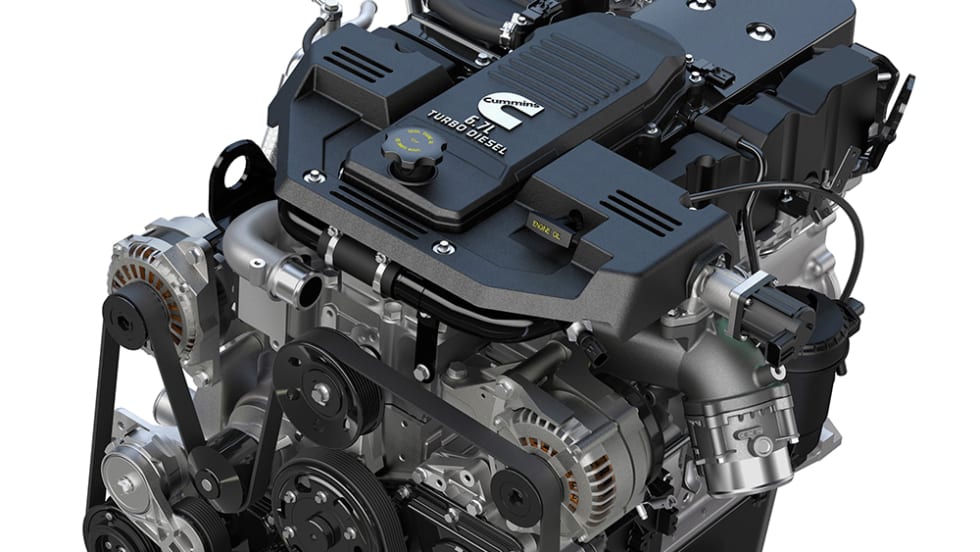
Cummins announced that it has received certification for its 6.7L Turbo Diesel from the California Air Resources Board, meeting the Low-Emission Vehicle III standards.
Read More →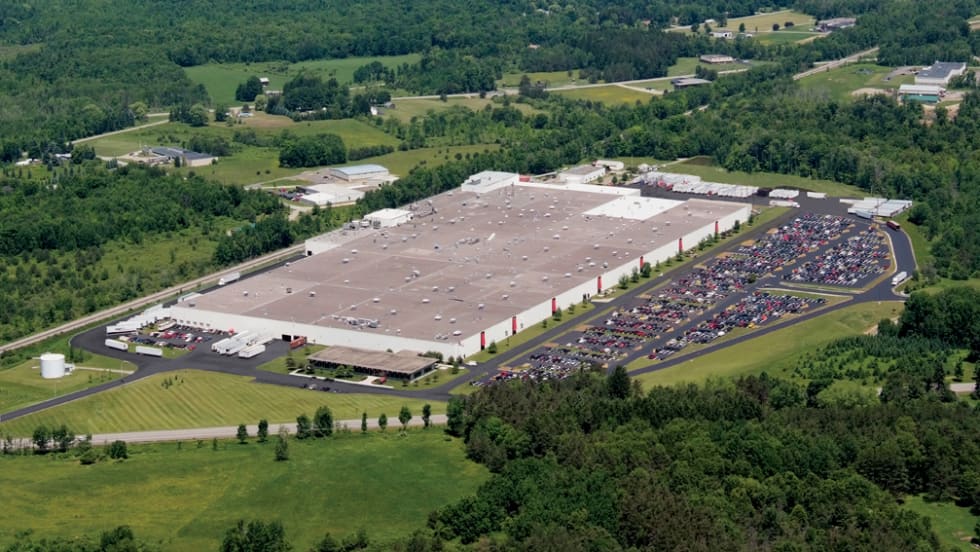


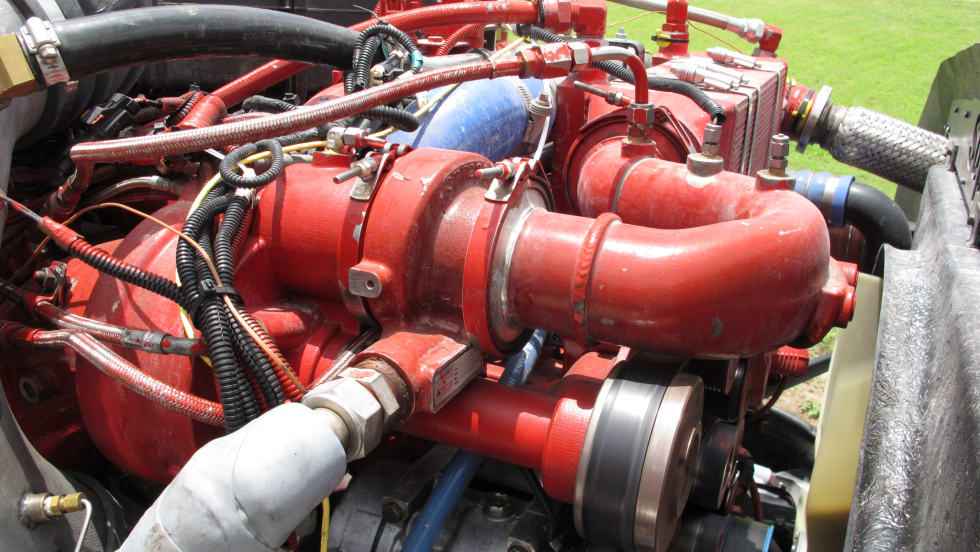
Cummins' Jamestown, N.Y., engine plant has been producing diesel engines for 40 years. Friday, Cummins celebrated the 40th anniversary of the facility. Current production at the 1-million-square-foot facility includes the ISX15 as well as the ISX12 and ISM diesel engines, along with the Cummins Westport ISX12 G spark-ignited natural gas engine.
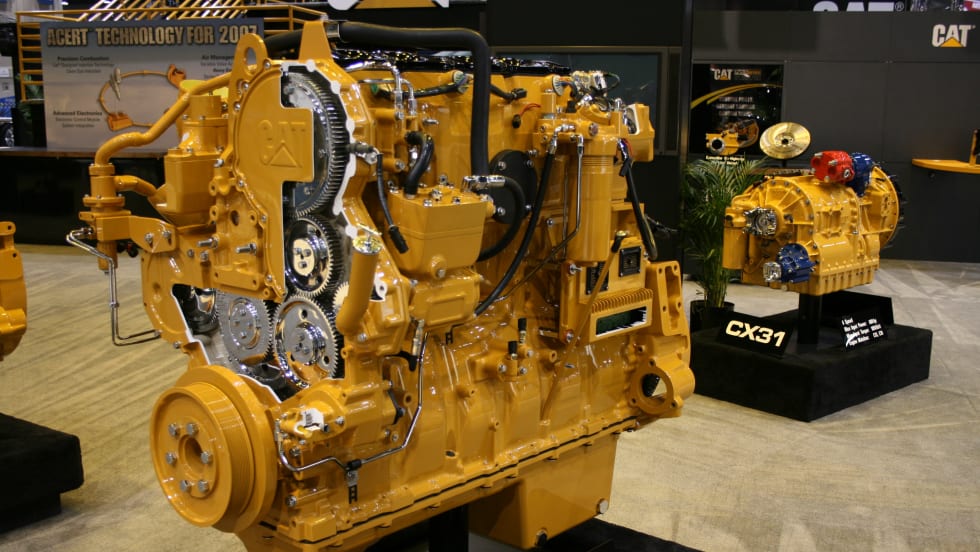
Read More →Multiple lawsuits against Caterpillar for chronic failures of its 2007-2010 ACERT diesels go beyond heavy trucks, and include school buses and motor coaches as well as at least one marine engine, according to news reports, while a wide variety of problems have been chronicled in discussion groups on the Internet.
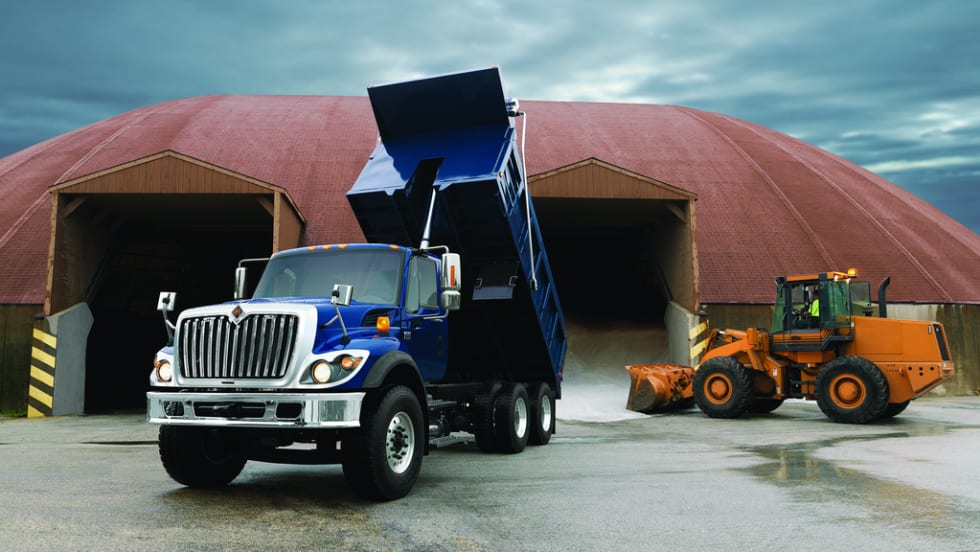
Read More →Navistar has started customer shipments of its International DuraStar and WorkStar trucks with the company's 9.3-liter diesels fitted with selective catalytic reduction emissions-aftertreatment equipment.
Read More →Alternative-fueled engine maker Power Solutions International has received certification from the U.S. Environmental Protection Agency that the company's 8.8-liter propane and natural gas fueled engine can be used for on-highway applications.
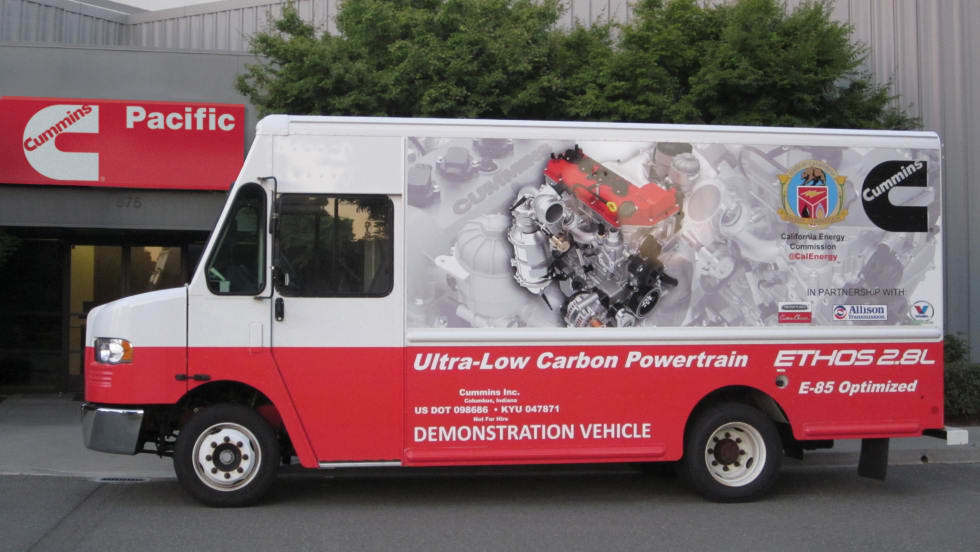
Read More →Based on a 2.8-liter diesel, the spark-ignited Ethos engine runs on corn- or lignocellulosic-derived fuel, and also produces high power and torque.
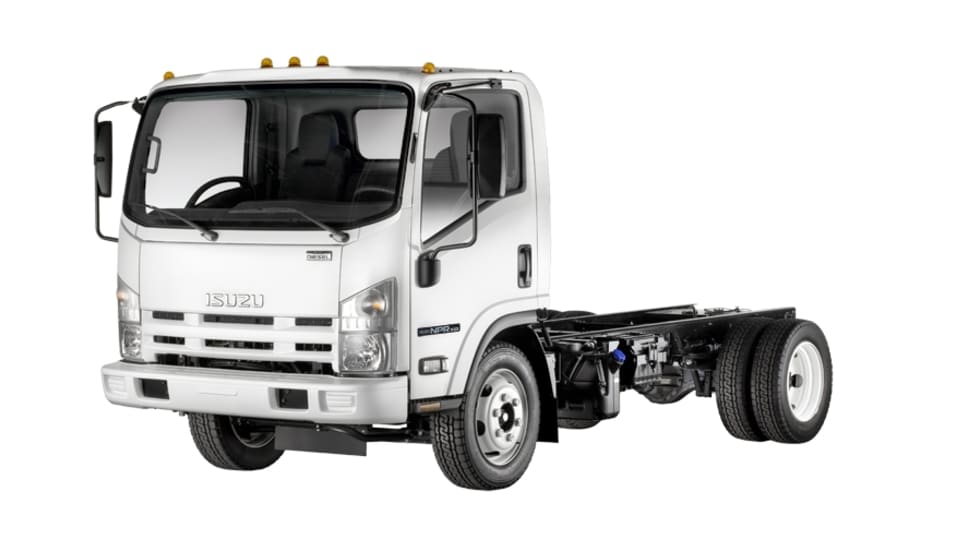
Read More →Isuzu Commercial Truck of America recently announced the addition of the NPR-XD to its to its N-Series diesel trucks line-up.
Read More →Lawyers for trucking companies have filed lawsuits in three states against the parent company of International Trucks, claiming Navistar failed to disclose known defects and problems with its EPA 2010 MaxxForce engines.
Read More →Truck engine maker Cummins announced two key leadership changes on Tuesday. Rich Freeland will assume the role of president and chief operating officer, reporting to Tom Linebarger, who will remain chairman and chief executive officer.
Read More →The Peterbilt-Cummins SuperTruck project achieved almost-unheard-of gains of 68% in freight efficiency over a 24-hour duty-cycle, a 50% improvement in freight efficiency on an 11-hour drive-cycle and a 20% improvement in the thermal efficiency of the engine. How did they do it, and what does that mean?
Read More →