


 MENU
MENU SEARCHMENUSEARCH
Loading data...
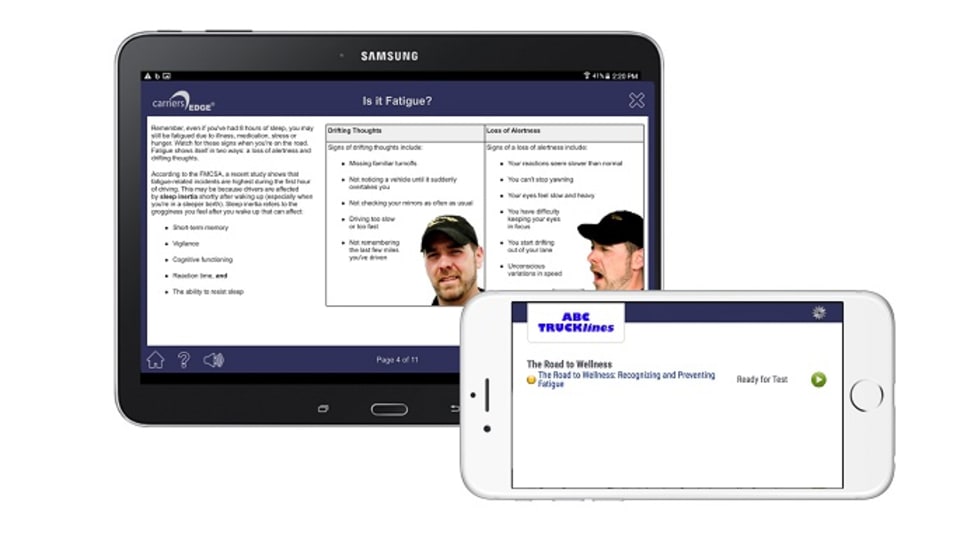
CarriersEdge is offering a suite of Driver Wellness courses to be used by fleets as an extension to an existing wellness program or as a starting point to help educate drivers on staying healthy on the road.
Read More →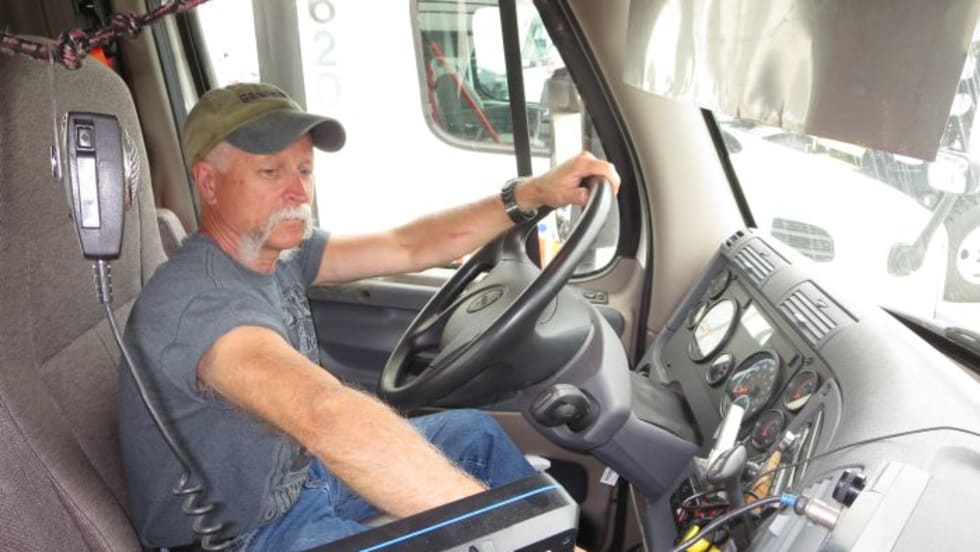
The Hadley device adds suspension adjustment capability and reduces cranking work for drivers.
Read More →
Through a newly formed partnership with Siphiwe Baleka, the "fittest truck driver in America," and healthy living tips and tricks on Progressive's TruckerTerritory.com, Progressive Commercial Auto Insurance is expanding its commitment to truckers in the third year of its wellness initiative.
Read More →
Fleets report they are losing drivers who can no longer re-certify to drive after health issues were uncovered under newer more stringent DOT physical procedures.
Read More →
A recent survey on screening and treatment for Obstructive Sleep Apnea found that drivers were bearing many of the costs associated with the condition.
Read More →
With a worsening driver shortage looming over the trucking industry, a HireRight survey has found that lack of home time and health issues are two leading causes of driver turnover.
Read More →
The Federal Motor Carrier Safety Administration will co-host three listening sessions to solicit information on the prevalence of obstructive sleep apnea in the trucking industry.
Read More →
These days most of the innovations we see have to do with saving a buck, and we don’t often see one aimed at making drivers more comfortable. How about a custom-fitted truck seat that can be adjusted remotely by a medical professional?
Read More →
IMI recently donated $5,000 to the St. Christopher’s’ Fund, a charity supporting truckers with medical troubles that have led to financial difficulty.
Read More →
"Being in a wreck—or even seeing one—can cause enough stress and anxiety to become a diagnosable mental illness, like acute stress disorder or post-traumatic stress disorder (PTSD)." Read more in Deborah Lockridge's All That's Trucking blog.
Read More →