


 MENU
 SEARCHMENUSEARCH
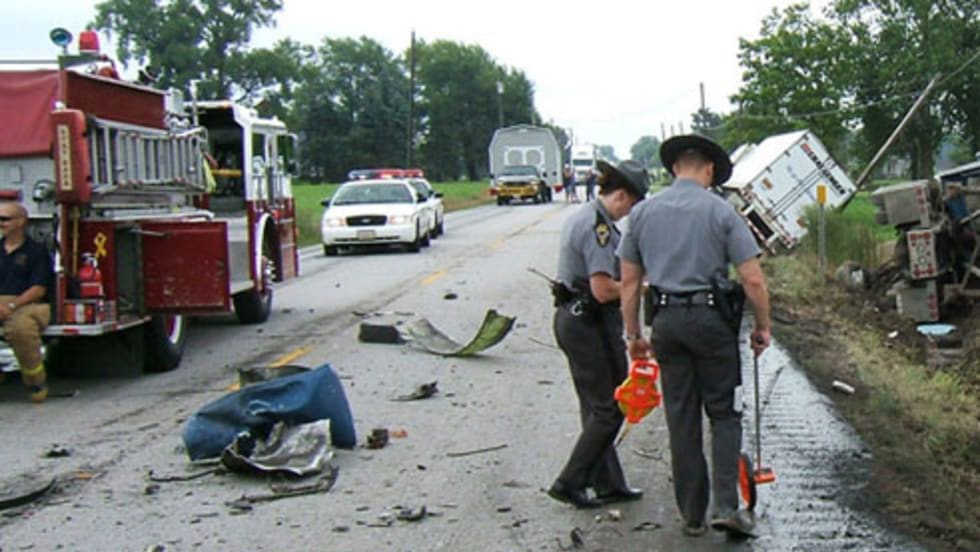
The national highway safety effort lost ground in 2012 as fatalities from both car and truck crashes increased compared to the previous year. The National Highway Traffic Safety Administration reports a 3.3% increase, from 32,479 to 33,561.
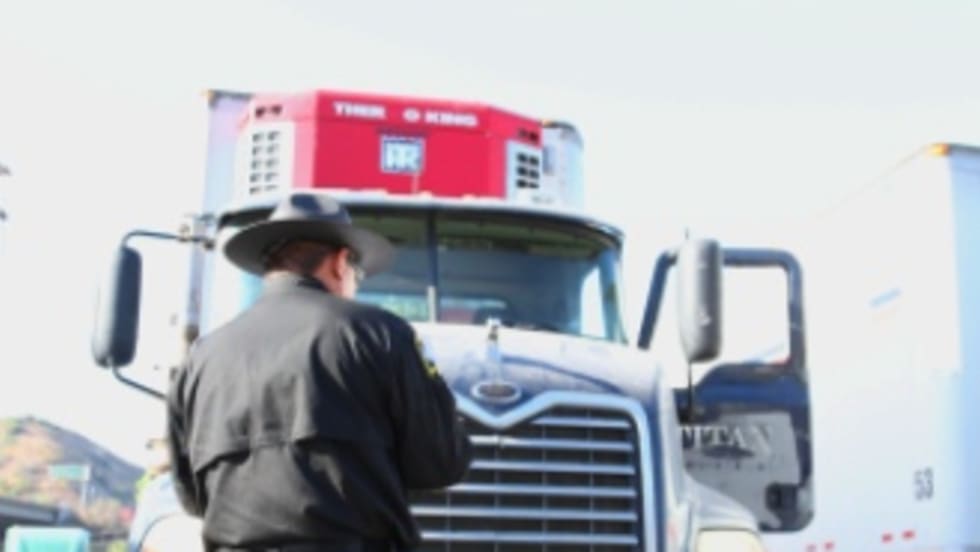
The California Air Resources Board announced that it will give a break to some truckers who are working to meet a January deadline for upgrades to their aging diesel fleets.
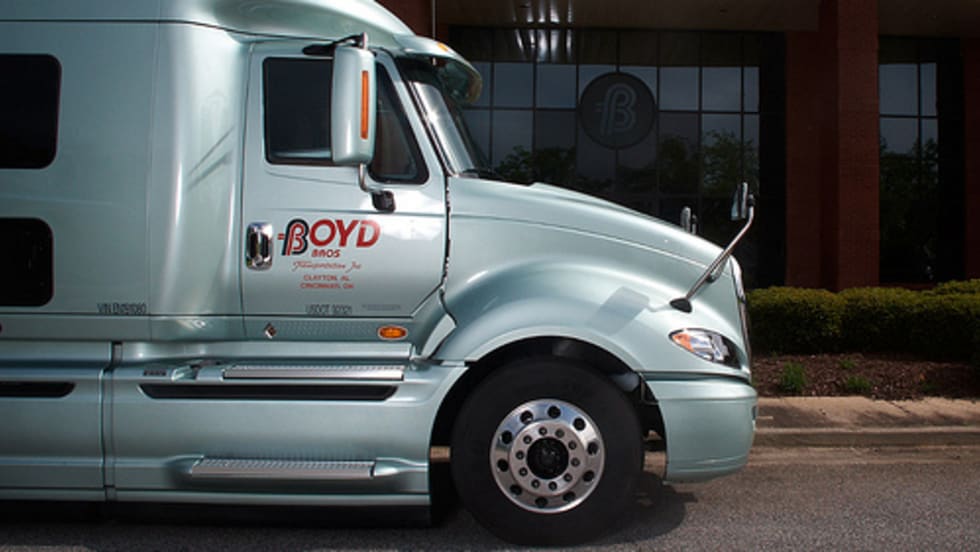
Daseke Inc. of Addison, Texas, and Clayton, Ala.-based Boyd Bros. Transportation announced a merger they say will put them into the top five largest open deck/specialty carriers.
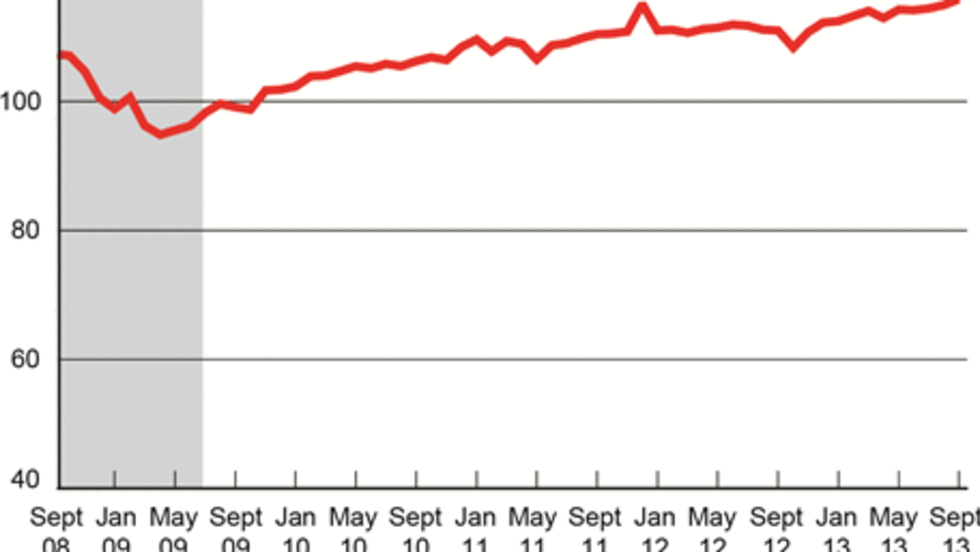
The amount of freight carried by the for-hire transportation industry rose 0.8% in September from August, rising for the third consecutive month to reach its highest all-time level, according to the U.S. Department of Transportation’s Bureau of Transportation Statistics’ Freight Transportation Services Index.

Executive and senior management appointments were announced for the merged Diamond Companies and Roberts Truck Center organization.
A House subcommittee will hold a hearing on the truck driver hours-of-service rule next week. The Subcommittee on Contracting and Workforce of the Small Business Committee will question Anne Ferro, chief of the Federal Motor Carrier Safety Administration, on the rule.
Corridor Clean Fuels, in partnership with Home Oil Co. and the Southeast Alabama Gas District, will build a compressed natural gas fueling station at Home’s location in Dothan, Ala.
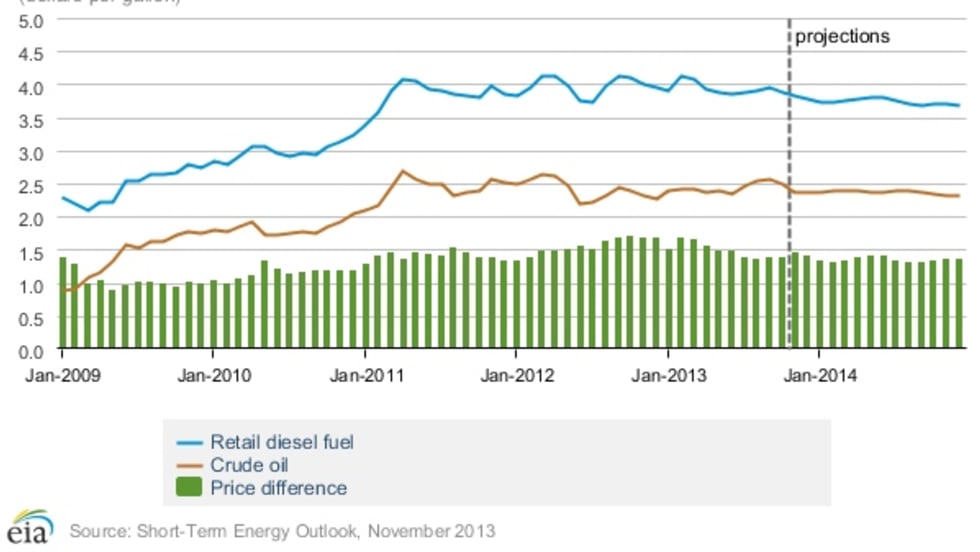
Falling Brent crude oil prices has once again lowered the projected average price for diesel in 2014. The U.S. Energy Department’s Energy Information Administration’s new Short-Term Energy Outlook expects diesel fuel prices, which averaged $3.97 per gallon in 2012, are projected to average $3.91 per gallon in 2013 and $3.73 per gallon in 2014.

American Trucking Associations filed a lawsuit challenging the New York State Thruway Authority’s diversion of millions of dollars of toll revenues every year to maintain the tourism and recreational facilities that make up the New York Canal System.
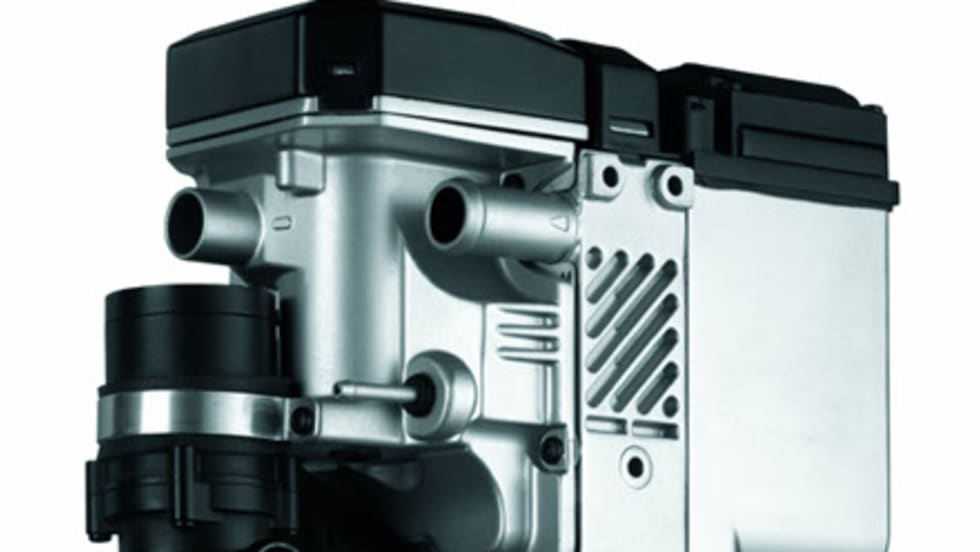
Pre-warming a diesel’s coolant allows the engine to start cleanly and emit lower levels of pollutants compared to cold starts, and extends the duty cycle of the exhaust system’s diesel particulate filter, according to tests sponsored by Webasto Thermo & Comfort North America, a maker of coolant heaters.