




YRC Worldwide Reaches Agreement to Reduce Debt by $300 Million
Christmas came a couple of days early for the parent of several less-than-truckload carriers, saying it has reached an agreement with certain holders of notes that will allow it to reduce debt by approximately $300 million.
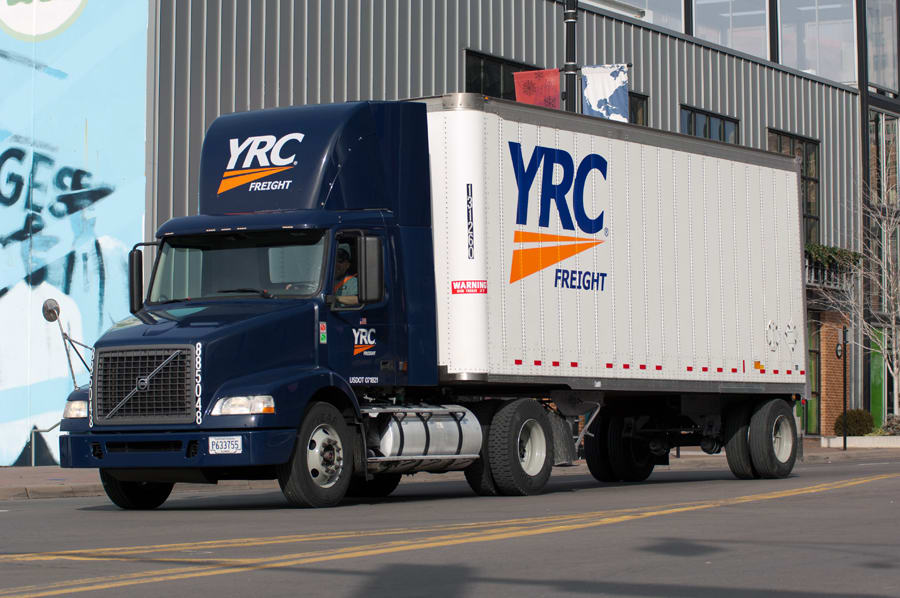
Christmas came a couple of days early for the parent of several less-than-truckload carriers, saying it has reached an agreement with certain holders of notes that will allow it to reduce debt by approximately $300 million.
YRC Worldwide says it will meet a primary requirement of retiring at least 90% of the company's Series A and B Convertible Notes, needed to satisfy the Teamsters Union’s condition of ratifying a new labor contract proposal that is currently out for ratification by the company's union employees.
The agreement, extending the current contract through March 2019, remains contingent on getting the proposed labor contract ratified by its members. Ballots have been sent to members and are due by Jan. 8, with results expected shortly afterwards.

In addition, the debt reduction deal is contingent on getting holders of at least 90% of the $124 million of the company's pension fund debt to amend and extend the currently outstanding note.
"The agreement is a momentous step toward delevering the company's balance sheet, significantly improving the company's credit profile, and is expected to secure some of the best paying jobs in the LTL industry," said James Welch, CEO of YRC Worldwide and President of YRC Freight. "The last two years have been a long and hard fought journey in turning around one of the largest trucking companies in America. After shedding a significant portion of our non-core assets and operations and with the help of our unionized and non-unionized employees, we have focused our attention back to what we do best, North American LTL trucking."
It remains uncertain if the 26,000 YRC Teamsters will approve the new labor contract, with published reports indicating the union has yet to recommend a yes or now vote on it and it is not popular with YRC Teamster employees.
YRC has been suffering from financial problems for several years with the Teamsters earlier making concessions to the company while it has come close to filing for bankruptcy more than once.
Under the agreement, the investors will invest $250 million in cash for newly-issued shares of common stock of YRC Worldwide at a price of $15.00 per share, according to a release from the company. The proceeds will be used to pay off the existing 6% Convertible Notes due February 2014 and/or pay off the existing Series A Convertible Notes due March 2015.
In addition, holders of approximately $50 million principal amount of the existing Series B Convertible Notes due March 2015 will convert those notes to common stock at a price of $15.00 to $16.01 per share, further reducing debt. The Series B Note holders that participate in the proposed transaction will also consent to amend the indenture to remove substantially all covenants and release the collateral securing those notes. The remaining Series B Convertible Notes may continue to be outstanding until their scheduled maturity of March 31, 2015. Consummation of the agreement is subject to a number of other customary conditions as well.
These transactions will result in a substantial reduction of our debt and will position the company to address impending maturities, including the 6% Convertible Notes due in February 2014," said Jamie Pierson, YRC Worldwide CFO. "These transactions also clear the way for us to enter the senior debt markets to refinance our current term and asset- based loans at more favorable interest rates."
More Fleet Management

How HDT’s 2026 Truck Fleet Innovators Are Rethinking Fleet Operations
Meet five trucking leaders who are challenging assumptions, solving operational problems, and putting innovative ideas to work.
Read More →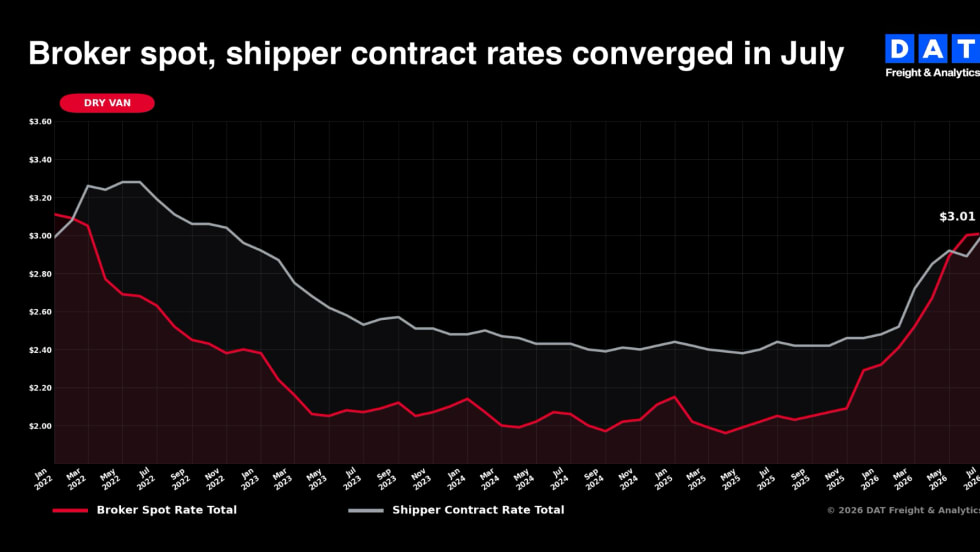
Tight Trucking Capacity Pushes Rates Higher Even as Freight Volumes Fall
“Spot rates moving ahead of contract rates have historically signaled a tightening market, but we haven’t seen a capacity-driven market quite like this one,” said DAT's Dean Croke.
Read More →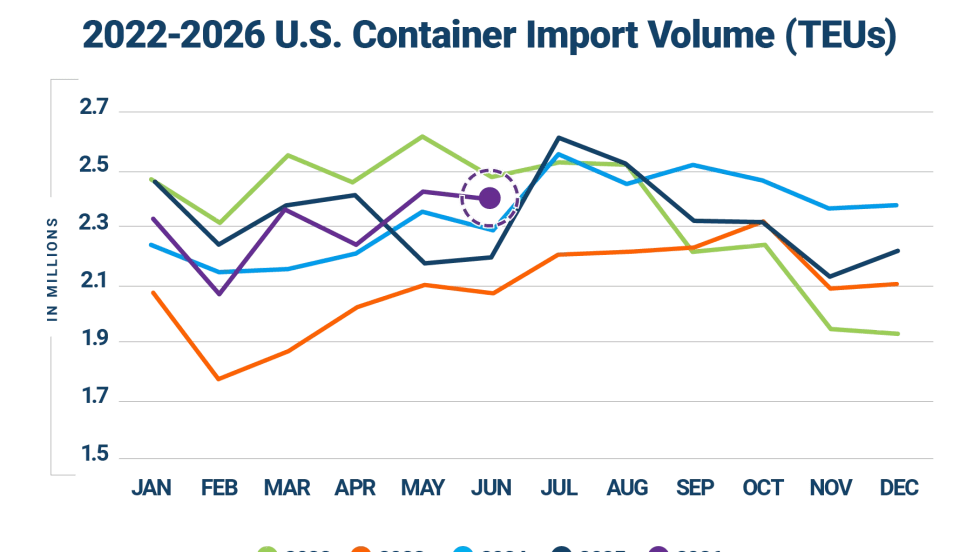
Import Cargo’s Early Peak Season is Winding Down
There was an early start to peak season this year at the nation's gateway ports, as retailers brought in merchandise ahead of tariff changes in late July and responded to other supply chain uncertainties,
Read More →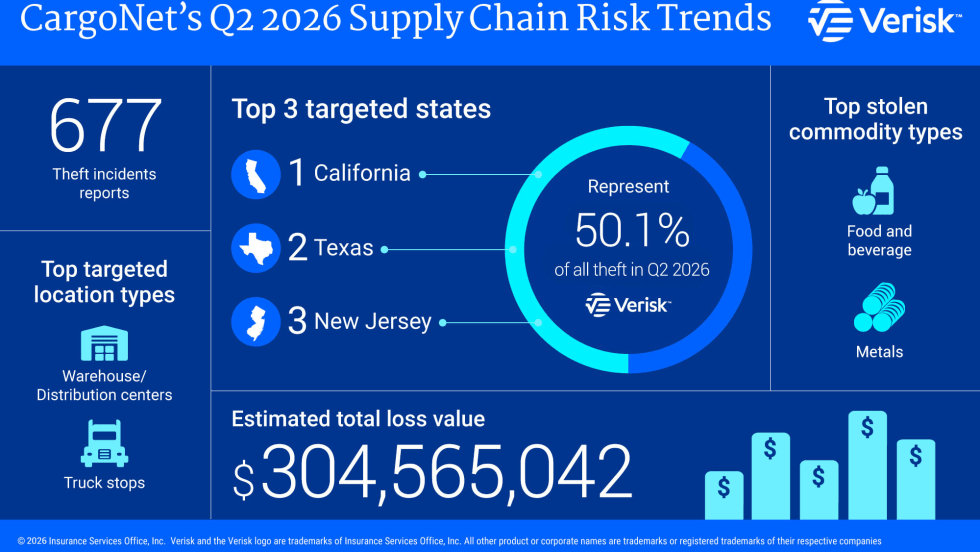
Fewer Cargo Thefts, Bigger Losses: Criminals Target Higher-Value Loads
CargoNet says organized theft rings are stealing fewer shipments but choosing more valuable freight, including metals and technology, resulting in record losses.
Read More →
How Innovative Trucking Leaders Turn Change Into an Advantage
As the pace of change accelerates in trucking, the fleets that adapt best have more than the latest technology. They have cultures that embrace improvement.
Read More →
Freight Broker Bonds Just Got Harder to Get. Here's What That Means for Your Fleet.
When it gets harder for a freight broker to prove they are financially sound, the ones who cannot clear that bar get pushed out of the market. And those are exactly the brokers who used to leave motor carriers holding the bag.
Read More →
Long-Awaited Canadian Border Bridge to Open in Detroit
For trucking, the bridge opening should offer immediate improvements in efficiency and reliability, with new customs facilities, expanded inspection capacity, and direct freeway-to-freeway connections.
Read More →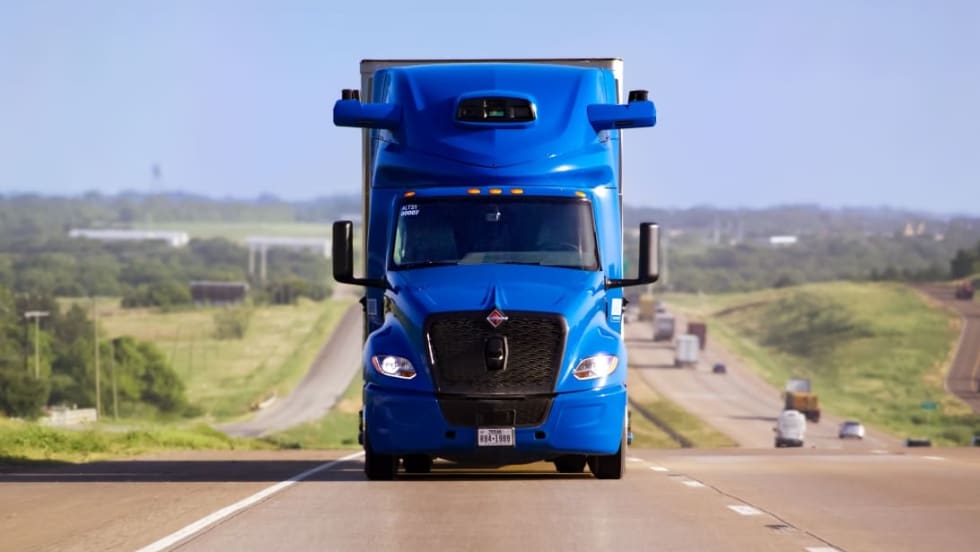
Aurora Rolls Out Next Generation of Driverless Trucks for Commercial Freight
Aurora's latest autonomous trucks it's rolling out with International feature lower-cost hardware designed for a million miles as the company expands commercial driverless freight operations across the U.S. Sun Belt.
Read More →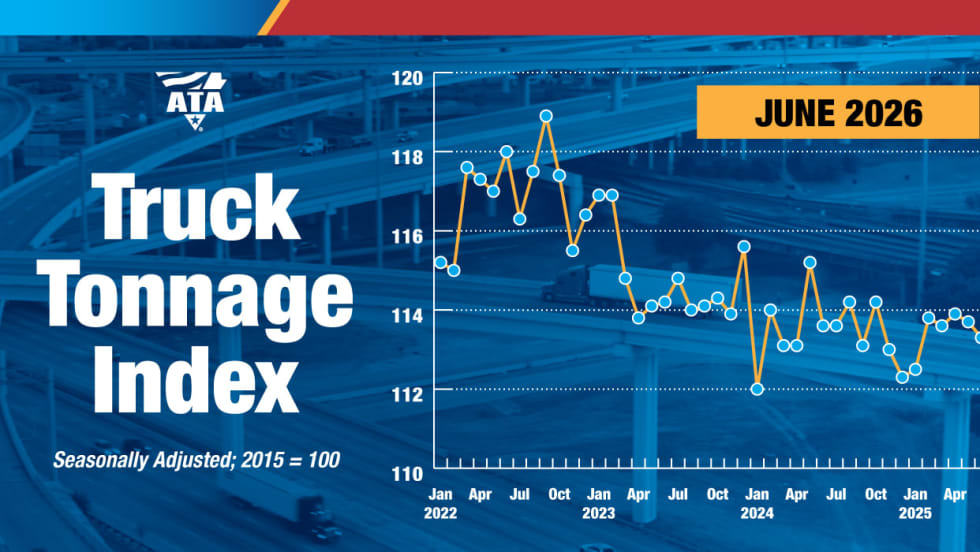
Freight Tonnage Down, Rates up, as Lower Capacity Powers Trucking Recovery
The recovery from the freight recession continues to be driven by reduction in capacity rather than by increased demand.
Read More →
Think Your Trucking Fleet Isn't Using Much AI? Think Again
Shadow AI — the use of unauthorized artificial intelligence tools at work — is becoming increasingly common, putting sensitive company data at risk. Learn how trucking fleets can protect sensitive data while embracing AI.
Read More →