




XPO Opens Logistics Hub to Support Lifestyle Beauty Brand
XPO Logistics announced the opening of a third regional distribution center in Camp Hill, Penn., to support specialty retailer European Wax Center.

Photo courtesy XPO Logistics
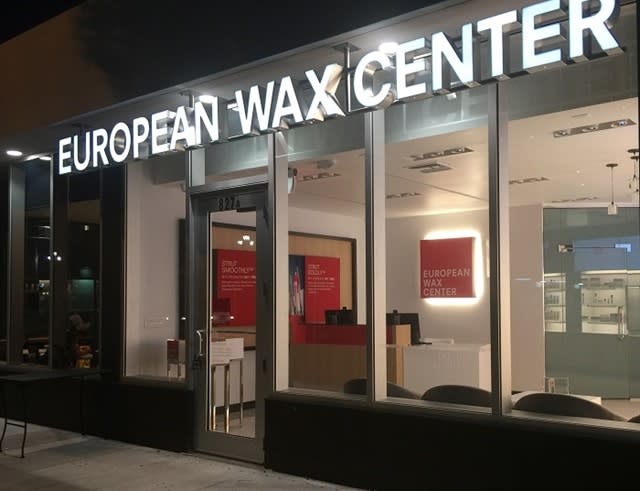
Photo courtesy XPO Logistics
XPO Logistics announced the opening of a third regional distribution center in Camp Hill, Penn., to support its customer, European Wax Center, a national network of salons that perform hair waxing.
The 40,000 square-foot facility in Camp Hill marks a major expansion of XPO’s supply chain management relationship with European Wax Center, according to the company. The distribution center will initially serve European Wax Center’s franchise base in the eastern U.S., joining existing XPO-operated facilities in Portland, Tenn., and Sparks, Nev.
Each D.C. provides turnkey logistics services for inventory control, order preparation and fulfillment. XPO uses its own technology to manage inbound goods receipt, storage and restocking, warehouse management, picking, packing, and shipping.
“This is an excellent example of the total capabilities package we can deliver to fast-growing specialty retailers — integrating traditional warehouse management with process innovations and tailored network support,” said Ashfaque Chowdhury, president, supply chain Americas and Asia Pacific for XPO Logistics. “Our dedicated solutions will help European Wax Center accelerate growth while managing a complex supply chain.”
XPO’s solution for European Wax Center includes a scalable order management portal designed to help the company efficiently onboard new franchisees as its network of more than 600 locations grows.
“We have aggressive plans to elevate our brand in the beauty lifestyle space,” said Jon Biggert, European Wax Center’s vice president of supply chain. “XPO’s expertise, resources, and technology are key to supporting our network’s growth objectives. By relying on XPO for an end-to-end logistics solution, we can focus on supporting the success of our franchisees.”
More Fleet Management

Kodiak Lines Up Fleets for Driverless Trucking
An agreement for 75 trucks, a new Texas freight lane, and progress on safety validation move Kodiak closer to its planned driverless highway launch.
Read More →
ITS Logistics Settles Religious Harassment Case
The Nevada-based logistics firm agreed to pay more than $396,000 to settle a religious harassment charge involving an employee's Jewish identity.
Read More →
Your Trucks Are Busy. That Doesn’t Mean They’re Winning.
High utilization doesn’t always mean strong margins. Looking beyond the current load can help fleets make better dispatch decisions and get more value from each truck’s time.
Read More →
Why This Trucking Recovery Is Different
Freight demand remains sluggish, but rising costs and tougher enforcement have taken enough capacity out of the market to change the outlook for motor carriers.
Read More →
Platform Science Adds Dispatch and Safety Tools
Four additions to PS Fleet help fleets monitor loads, manage driver coaching, share truck locations and adjust video system settings.
Read More →
PrePass Intelligence Mines Fleet Bypass, Toll and Safety Data
PrePass Intelligence helps fleets measure bypass savings, flag potential toll overcharges, and spot suspicious transactions by combining data from separate systems.
Read More →
Motive Adds AI Agents for Fleet Operations
New tools automate follow-up on fleet data, from maintenance work orders to driver alerts, with two-way voice conversations planned for later this year.
Read More →
Can You Beat Our Trucking Trivia Challenge?
Test your truck knowledge with 19 trivia questions from Heavy Duty Trucking Exchange. Can you keep up with the fleet pros?
Read More →
BeyondTrucks Adds Rules Checks to Dispatch
New Compatibility Engine checks driver qualifications, equipment requirements and fleet policies before loads are dispatched.
Read More →
Diesel Prices Hijack Trucking’s Worry List
ATRI’s annual survey finds cautious optimism about freight, but diesel costs, litigation, and insurance continue to squeeze fleets. Drivers have different priorities on several issues.
Read More →