





Related from the HDT Archives (2007): The Pre-Buy Ride
Will New GHG Emissions Prompt a Pre-Buy?
A new report says the industry will likely see a pre-emission boom in Class 8 truck sales in 2019 and 2020, before a sharp drop into 2021 — but others say this time around is different.
October 7, 2016

Unlike previous emissions regulations that actually cut fuel economy, new GHG regs are making trucks more fuel efficient than ever. Photo: Daimler Trucks North America
3 min to read

A new report says the industry will likely see a pre-emission boom in Class 8 truck sales in 2019 and 2020, before a sharp drop into 2021 — but others say this time around is different.
The pre-buy is predicted in the new North American On-Highway Commercial Vehicle Engine Outlook report by Americas Commercial Transportation (ACT) Research and Rhein Associates.
“New and revised engine introductions over the next few years, together with emission impacts, will lead to changes in demand,” said Tom Rhein, President of Rhein Associates.
Total North American Class 8 truck production peaked in 2015, ACT noted, and it’s predicting lower demand in 2016 and 2017 followed by recovery leading up to that pre-buy.
However, not everyone is convinced that we will see the same type of pre-buy that we did ahead of the 2007 emissions regulations, which was driven by uncertainty about selective catalytic reduction technology
At the recent American Trucking Associations’ Management Conference & Exhibition in Las Vegas, Martin Daum, head of Daimler Trucks North America, said the new Phase 2 greenhouse gas fuel/economy regulations offer manufacturers more flexibility to achieve the required targets, as well as a longer lead time for developing technologies that will be reliable.
"It’s not that you have to do something tomorrow. so you have time to really study, plan, test, push. Long term planning gets rewarded. And it gives us certainty, with clear targets between now and 2030 for each vehicle and engine category.”
Daum said this should help avoid the disruptive pre-buy cycles that plagued the emissions regulations of the 2000s, noting that we are still seeing the “aftershocks” from the huge oscillation after the 2006 prebuy.
Similarly, when asked about the likelihood of a pre-buy at an ATA MC&E press conference, Volvo Trucks North America chief Goran Nyberg explained that "2021 is also about a matter of credits and when that technology will be brought to market, so it’s not a firm date that we have to meet.”
In fact, at least one OE rep has speculated that truck buyers could be holding off buying trucks waiting for the more fuel-efficient versions that will be coming out to meet the new regulations.
Steve Gilligan, vice president, product marketing at Navistar International, told HDT recently, “We’re ... really in unprecedented territory regarding emissions levels. There was anxiety and strong pre-buys before previous introductions of new emissions technology, in 2002, in 2007 and in 2010. We think what we see here is that people are pretty comfortable with emissions technology, and everybody’s telling customers there’s going to be a fuel economy improvement this time.
“So we may see another kind of purchasing habit, where customers will wait until new models come out to get the improved fuel economy,” he continued. “They are delaying some purchases. Carriers are making money and they can purchase at any point in time they choose to. We are seeing them holding back for now, and we think they will come back to get the new, more fuel-efficient models.”
More Fleet Management
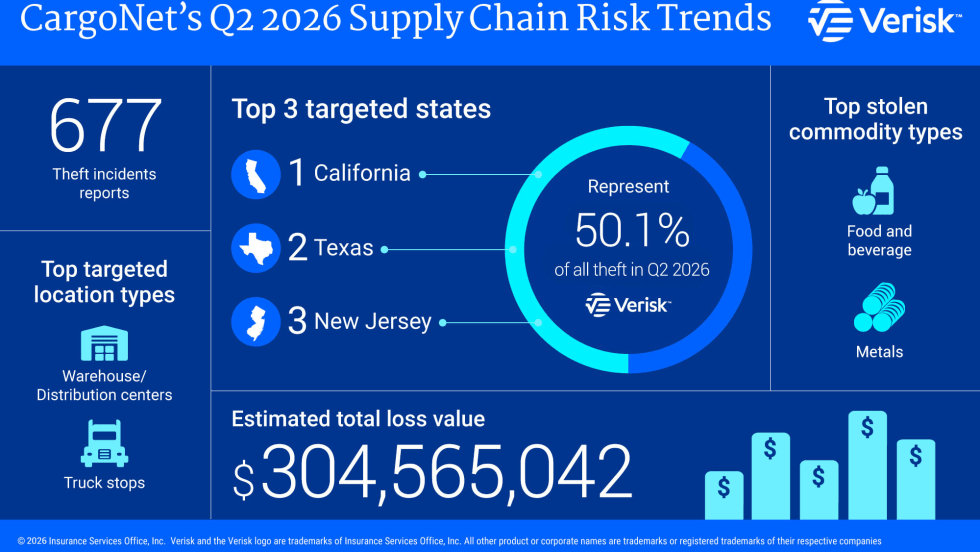
Fewer Cargo Thefts, Bigger Losses: Criminals Target Higher-Value Loads
CargoNet says organized theft rings are stealing fewer shipments but choosing more valuable freight, including metals and technology, resulting in record losses.
Read More →
How Innovative Trucking Leaders Turn Change Into an Advantage
As the pace of change accelerates in trucking, the fleets that adapt best have more than the latest technology. They have cultures that embrace improvement.
Read More →
Freight Broker Bonds Just Got Harder to Get. Here's What That Means for Your Fleet.
When it gets harder for a freight broker to prove they are financially sound, the ones who cannot clear that bar get pushed out of the market. And those are exactly the brokers who used to leave motor carriers holding the bag.
Read More →
Long-Awaited Canadian Border Bridge to Open in Detroit
For trucking, the bridge opening should offer immediate improvements in efficiency and reliability, with new customs facilities, expanded inspection capacity, and direct freeway-to-freeway connections.
Read More →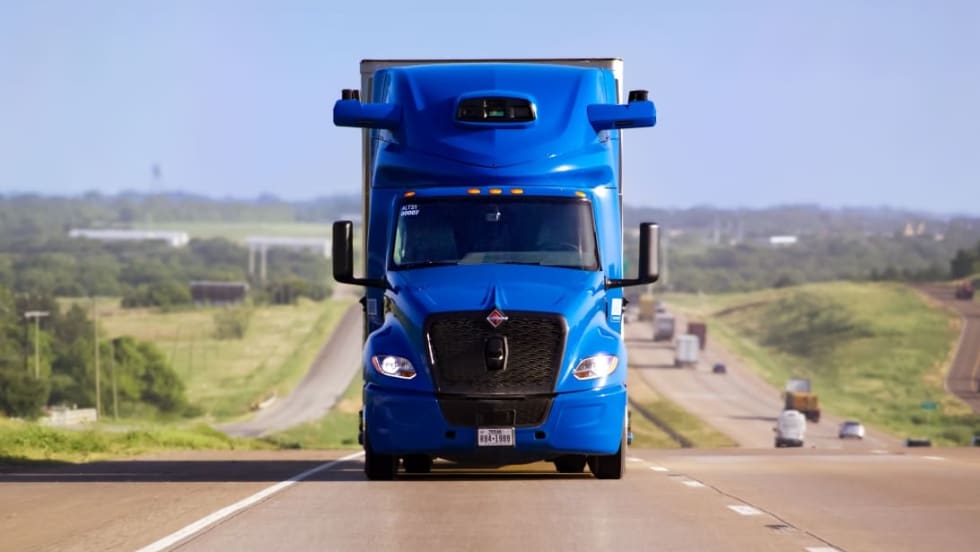
Aurora Rolls Out Next Generation of Driverless Trucks for Commercial Freight
Aurora's latest autonomous trucks it's rolling out with International feature lower-cost hardware designed for a million miles as the company expands commercial driverless freight operations across the U.S. Sun Belt.
Read More →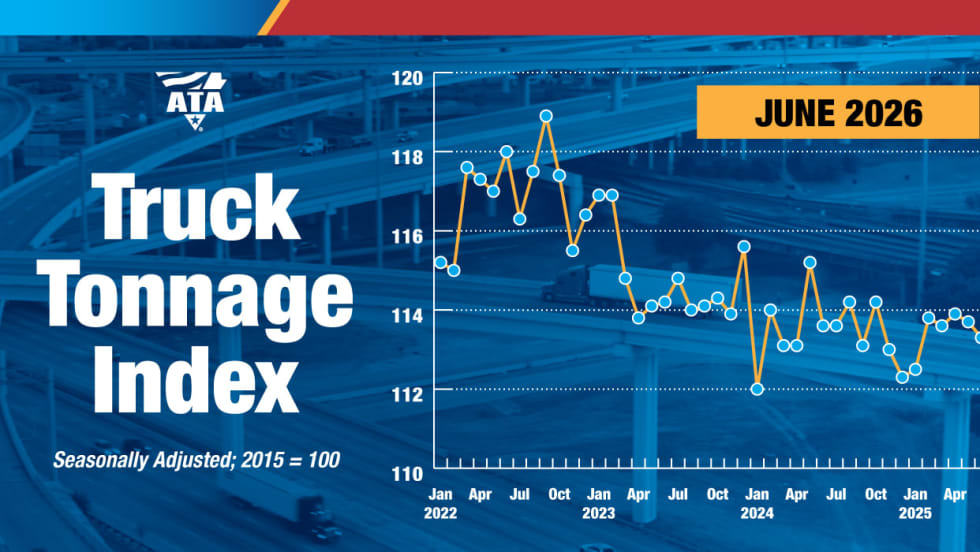
Freight Tonnage Down, Rates up, as Lower Capacity Powers Trucking Recovery
The recovery from the freight recession continues to be driven by reduction in capacity rather than by increased demand.
Read More →
Think Your Trucking Fleet Isn't Using Much AI? Think Again
Shadow AI — the use of unauthorized artificial intelligence tools at work — is becoming increasingly common, putting sensitive company data at risk. Learn how trucking fleets can protect sensitive data while embracing AI.
Read More →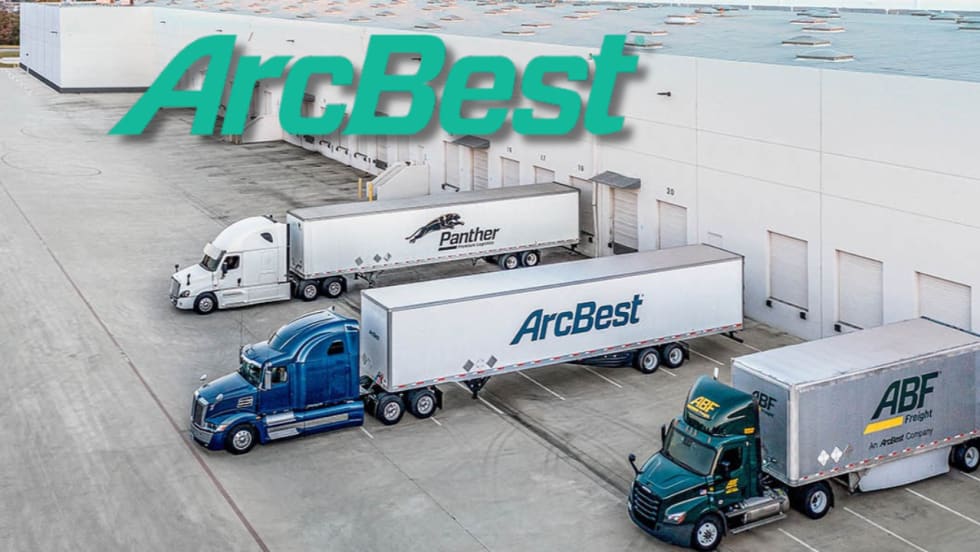
ArcBest Consolidates Brands, Cuts Workforce
The company will bring three business units under the ArcBest brand, eliminate about 2% of positions, and expects the changes to generate $40 million in annual savings.
Read More →
Trucking Fleets Faced Record Operating Costs During Third Year of Freight Recession
ATRI's annual operational cost report shows carriers trimmed fleets, delayed equipment purchases, and ran older trucks as expenses continued to outpace freight rates.
Read More →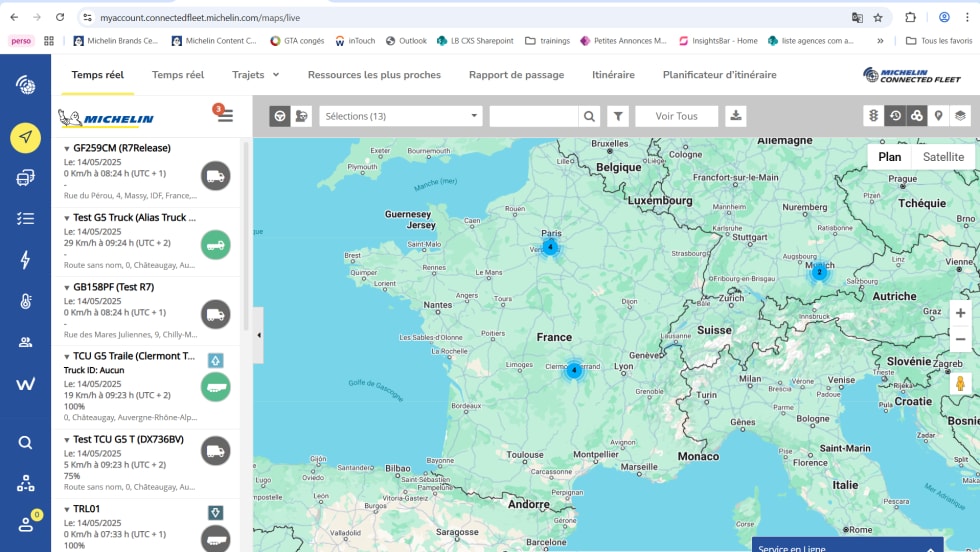
Michelin Adds AI Assistant to MyConnectedFleet Platform
Michelin’s new generative AI tool delivers instant fleet insights, helping managers analyze fuel use, tire maintenance, vehicle status, and operational performance without manually creating reports.
Read More →