




Why Low Cabovers in a Conventional-Cab Market?
Why do the Japan-based importers continue trying to sell low cab-over-engine trucks when North America is conventional-cab territory? The short answer is that LCOEs are what they have to sell
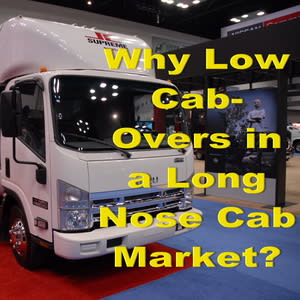
Why do the Japan-based importers continue trying to sell low cab-over-engine trucks when North America is conventional-cab territory? The short answer is that LCOEs are what they have to sell.
The longer answer, gotten in interviews of executives during the NTEA's Work Truck Show in Indianapolis and with others previously, is that Mitsubishi Fuso, Isuzu, and UD have carefully looked at designing and producing conventionals for this market. But they've concluded that potential sales are much too small to justify the expense.
How come it works for Hino? It forsook its low cabovers a decade ago when it introduced a complete line of conventionals. It did well with some of them. Sales went up substantially, and Hino continues to assemble the trucks in the U.S., first in a Toyota-owned plant in southern California and now in a dedicated facility in West Virginia.
But that's for heavier Class 6 and 7 models. Missteps by entrenched domestic competitors in those segments left an opening for Hino, which jumped in with feature-rich and reliable products. However, Hino recently dropped its lighter-duty models. The given reason was that the four-cylinder diesel used in the lighter trucks couldn't meet 2010 emissions limits, but the actual reason is that they sold poorly against domestic trucks.
Hino is bringing back its Class 3-5 Japan-made low COEs to resume competing in those classes. New models, shown at the Work Truck Show, should do well among buyers who favor the cabover. So should new Canter models from Fuso, also unveiled at the WTS, and recently revised LCOEs from Isuzu and UD. Executives of these companies and their dealers are genuinely excited about these products.
All of these builders say they have analyzed the pros and cons of fielding conventionals here, and all reached the same conclusion: While North America is a big market for trucks, established domestic competitors do too good a job with their light- and light-medium models to allow major inroads by the Japanese. Their potential sales would be too small to make major investments worthwhile.
Besides, the Japanese successfully sell their LCOEs almost everywhere else in the world. Producing a few more for the U.S., Canada andMexico makes good sense. And as population continues to grow in the United States, by far the biggest country, congestion in urban areas will get worse. That's where the compactness, maneuverability and easy maintenance of LCOEs gives them a big advantage, and the Japanese are hoping that their sales will rise along with population.
Will LCOE sales increase dramatically? Probably not. For various reasons, most buyers and drivers still prefer North American conventionals. But the Japanese and their American sales and service organizations, which are very lean in structure and staffing, can make some decent money by selling what they have. And that's what they'll continue to do.
More Aftermarket
What Three Fleets Are Doing Differently When Buying Truck Parts in 2026
With freight improving but costs still climbing, fleet maintenance executives explain how they're balancing price, quality, and supplier relationships.
Read More →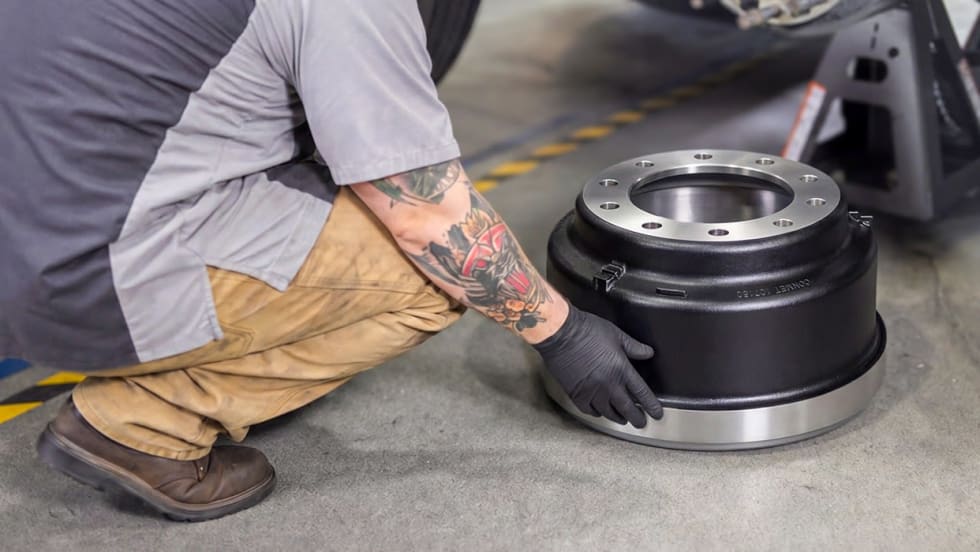
ConMet Expands Aftermarket Brake Drum Lineup With TruCast
A new heavy-duty truck brake drum option in the aftermarket gives customers more flexibility within the ConMet product family.
Read More →
Phillips Opens High-Tech Distribution Center for Faster Parts Delivery
Phillips Industries’ new Cincinnati-area distribution center is now shipping aftermarket trucking parts nationwide, aiming to speed up delivery times for customers.
Read More →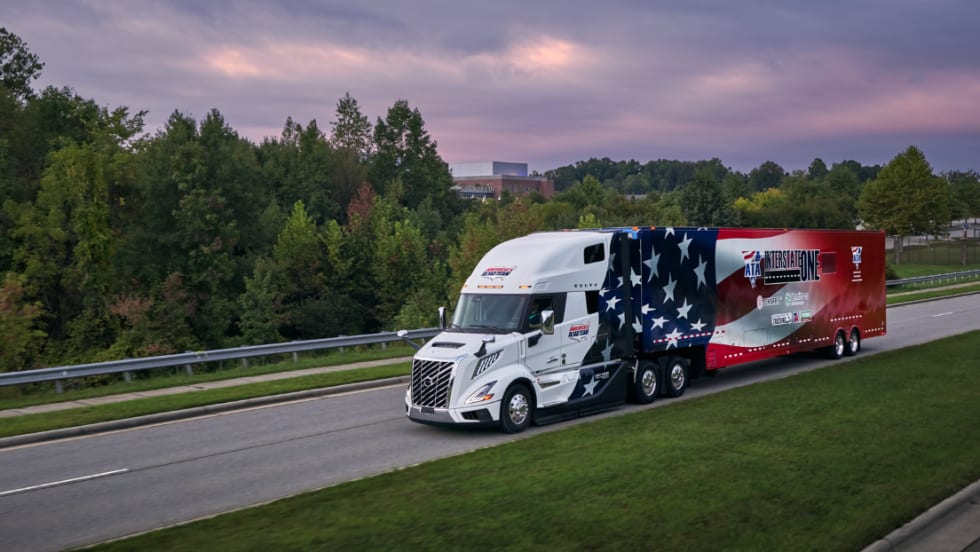
Volvo to Sponsor America’s Road Team for 2025
Volvo Trucks announced that it is extending its exclusive sponsorship of America’s Road Team for 2025.
Read More →
Webb to Start Taking Orders for UltraSet Pre-Adjusted Wheel Hubs
Webb, which recently acquired the Stemco Trifecta pre-adjusted hub program, will soon start taking orders for its replacement pre-assembled hub, the UltraSet.
Read More →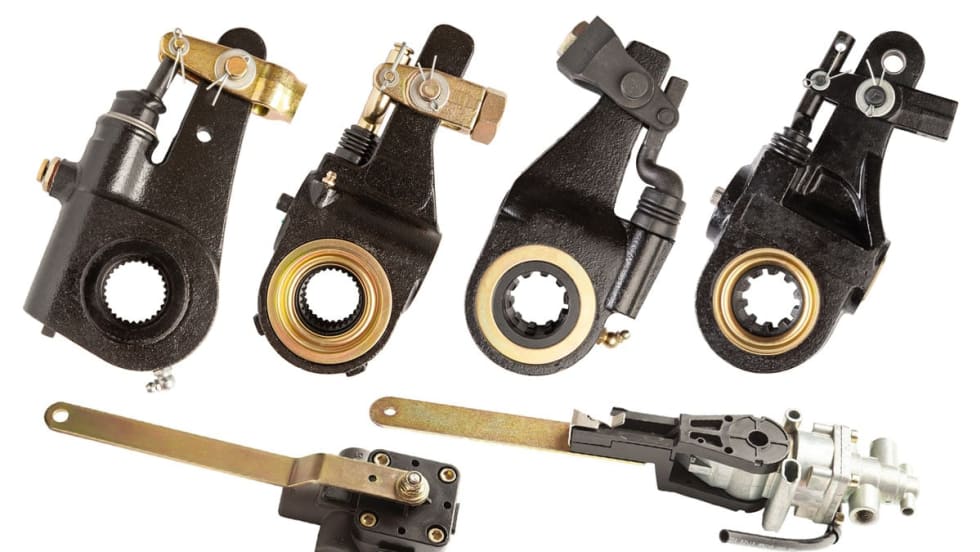
All-Makes Automatic Brake Adjusters, Ride Height Control Valves from Midland
SAF-Holland has added automatic brake adjusters and ride height control valves to its Midland All-Makes Program.
Read More →
ZF Aftermarket Expands [pro]Academy Training
ZF Aftermarket said it is expanding its ZF [pro]Academy training and will be adding 40 new modules this year.
Read More →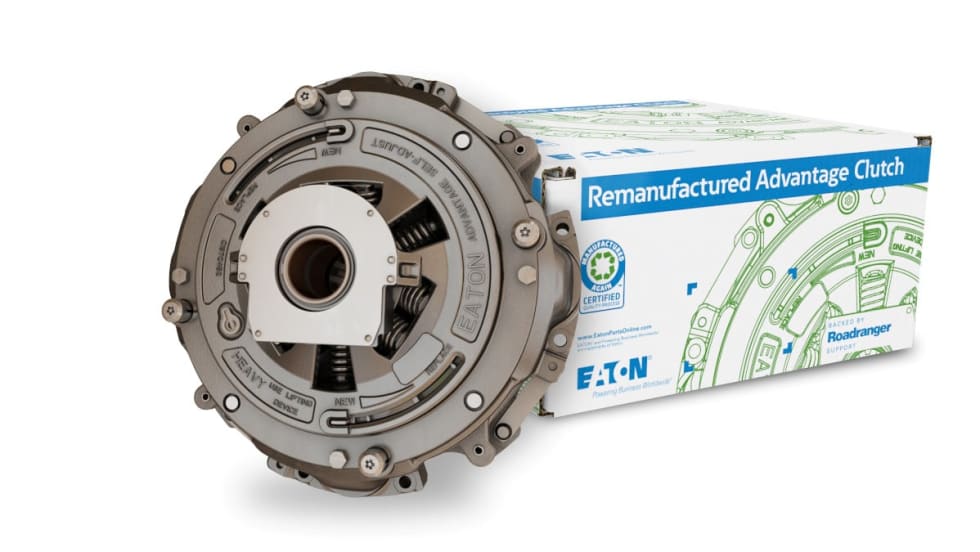
Eaton Adds Remanufactured Advantage Line of Clutches
Eaton has added its Advantage clutches to its remanufactured product line. The clutches feature a unique strap drive intermediate plate designed to allow customers to choose the latest OE specification
Read More →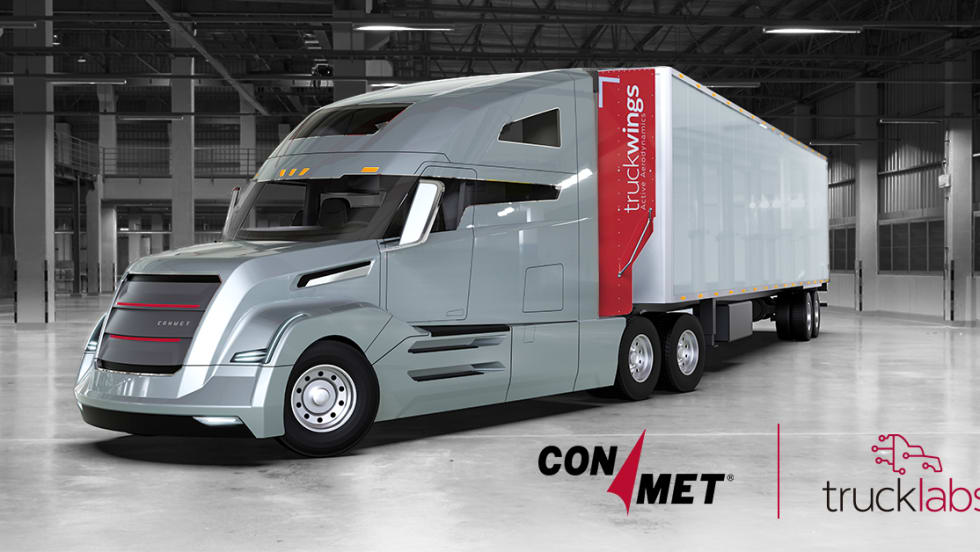
ConMet Acquires TruckLabs, the Creator of TruckWings
Commercial truck and trailer parts provider ConMet acquired TruckLabs, the company that created TruckWings, an aerodynamic device that attaches to truck cabs and deploys to close the gap between truck and trailer. TruckLabs now operates as a subsidiary of ConMet.
Read More →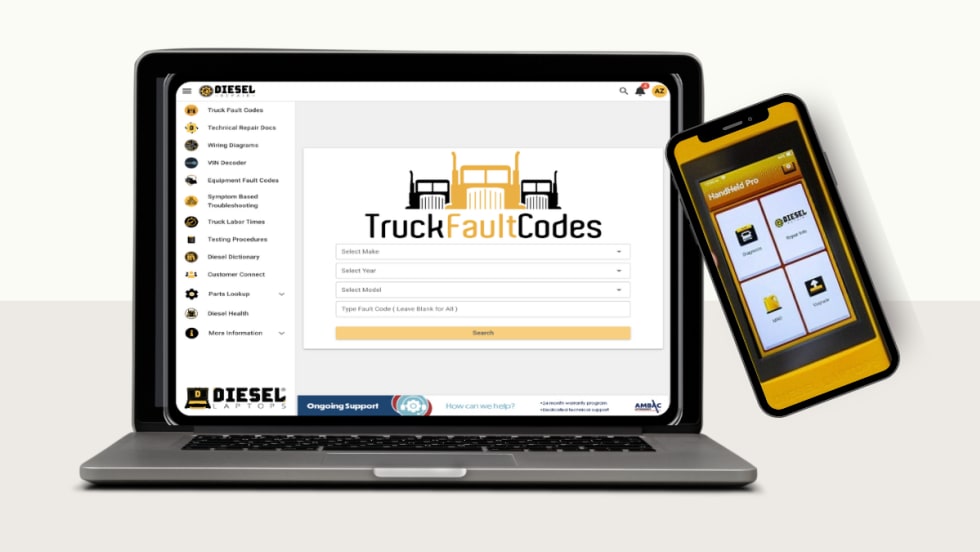
Diesel Laptops Releases Fault-Code-to-Part-Number Tool
Diesel Laptops said its Truck Fault Codes allows users to input a fault code and immediately identify and order the parts needed to complete repair work.
Read More →