




Volvo Publishes HD Electric Truck Deployment Guidebook
Volvo's new guidebook highlights key learnings from Volvo LIGHTS, the company's three-year fleet electrification project.


Volvo's new guidebook highlights key learnings from Volvo LIGHTS, the company's three-year fleet electrification project.
Graphic: Volvo
Volvo Group North America published a 22-page guidebook to highlight the key considerations that public and private entities need to plan for to successfully support the introduction of heavy-duty electric trucks across North America.
The guidebook, titled “Bringing Battery-Electric Freight Trucks to Market: From Demonstration to Commercialization”, documents key insights gained as the Volvo LIGHTS (Low Impact Green Heavy-Transport Solutions) project partners designed and implemented programs and technologies the company believes are critical for the widescale success of battery-electric freight movement.
The guidebook commemorates the end of its three-year project Volvo LIGHTS project, which began in 2019 and concludes in early Fall 2022. The project was led by Volvo Group North America and South Coast Air Quality Management District, and is a public-private partnership between 14 organizations aimed at transforming freight movement.
Key considerations highlighted in the guidebook include: establishing new partnerships, demonstrating Class 8 battery-electric vehicle innovations, advancements in warehouse equipment, reliable and cost-effective charging infrastructure, strategies to reduce total cost of ownership, cutting-edge job training needed, and robust sales and service support.
“By participating in the Volvo LIGHTS project, our team gained incredibly valuable experience that helped shape the comprehensive customer support model for our Volvo VNR Electric model, which was first commercialized in December 2020,” said Peter Voorhoeve, president of Volvo Trucks North America, in a press release. “That said, we know that the transition away from diesel to electric power will involve far more than developing reliable truck technology. The Volvo LIGHTS project helped underscore the many areas in which public and private entities will need to collaborate to develop the ecosystem needed to support customers with successful battery-electric truck adoption – including the build out of public and private charging infrastructure, a robust dealer support network, incentives and strategies to reduce costs, a trained workforce of technicians, sales consultants, first responders, and more.”
Volvo LIGHTS supporting project partners include NFI Industries, Dependable Highway Express, TEC Equipment, Shell Recharge Solutions (formerly Greenlots), Port of Long Beach, Port of Los Angeles, Southern California Edison, Calstart, the University of California, Riverside CE-CERT, Reach Out, Rio Hondo College, and San Bernardino Valley College.
The Volvo LIGHTS project was made possible by a $48 million award to South Coast AQMD from the California Air Resources Board as part of California Climate Investments, a statewide initiative that puts billions of Cap-and-Trade dollars toward reducing greenhouse gas emissions, strengthening the economy, and improving public health and the environment.
South Coast AQMD contributed $4 million from the Clean Fuels Fund and awarded the Volvo Group a $45.6 million contract to design and implement the LIGHTS project. Volvo and its partners promised no less than $45.7 million in matching contributions to increase the total project value to more than $91 million for South Coast AQMD to administer.
The three-year project took place in Southern California in regions within the top 25% of the state’s disadvantaged communities.
More Fuel Smarts
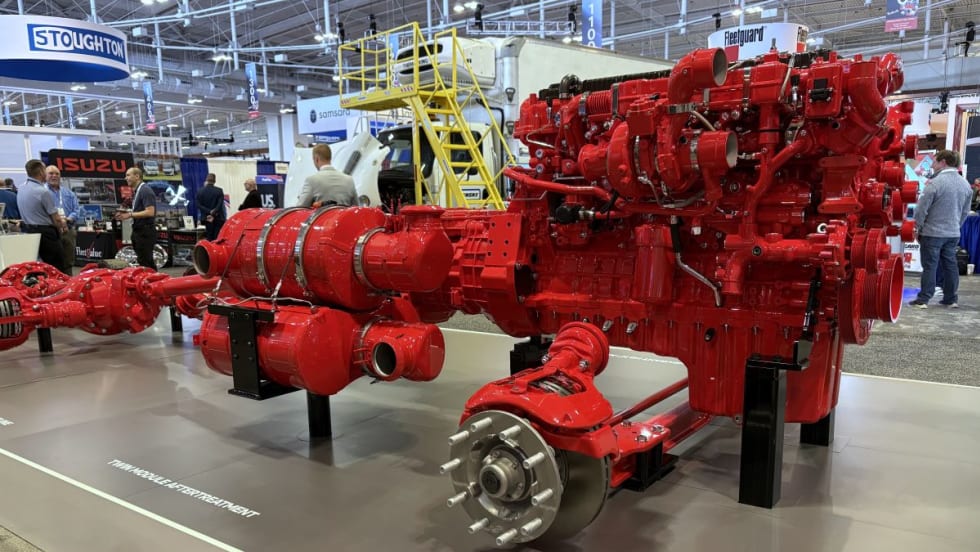
Cummins Adjusts 2027 Engine Rollout After EPA Proposal
The engine maker will gradually introduce its new Model Year 2027 diesel engines while continuing to offer current models during the transition, citing the EPA's proposed emissions rule changes.
Read More →
EPA Proposal Could Ease 2027 Truck Costs and Buying Uncertainty
The proposal doesn't change the tougher NOx standard, but it would revise key implementation requirements that manufacturers say have driven up costs and complicated fleet purchasing decisions.
Read More →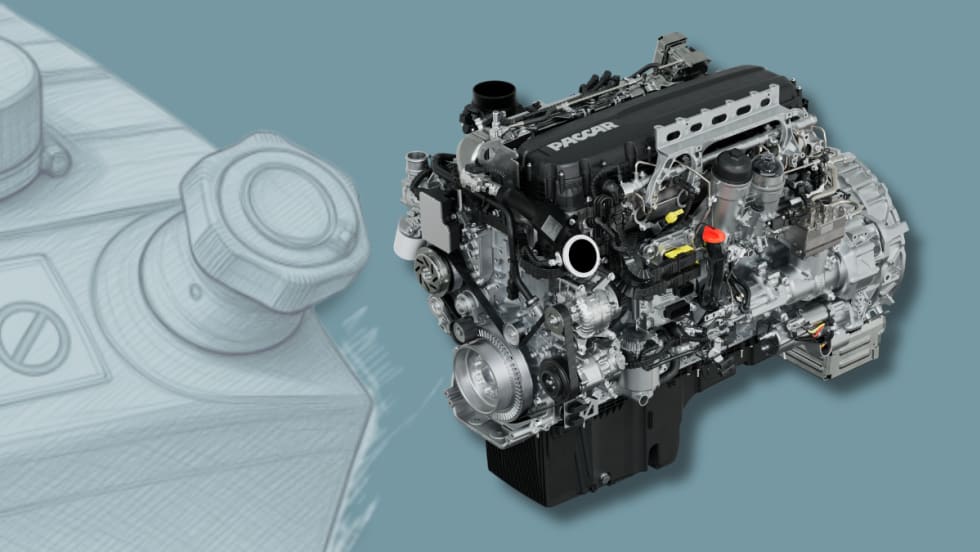
Cummins, Paccar Ease DEF Derates After EPA Guidance
Updated diesel engine software gives truck operators more time to address emissions-system issues while staying compliant with EPA emissions standards.
Read More →
Maintenance in the Messy Middle Part 3: Biodiesel
Biodiesel can reduce emissions, improve fuel-system lubricity and use existing diesel infrastructure. But NACFE’s Messy Middle maintenance report says fleets must actively manage storage, cold-weather operation, filters and oil drain intervals to avoid problems.
Read More →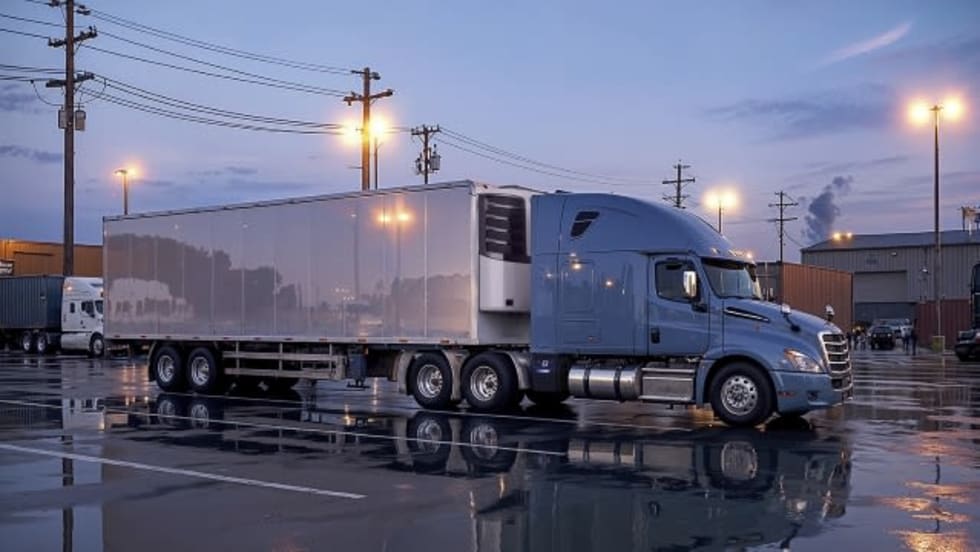
Enhance Fleet Performance with High-Efficiency Auxiliary Power Units
Drive sustainable cost savings while increasing driver comfort during short- and long-haul logistics operations.
Read More →
Maintenance in the ‘Messy Middle’ Part 2: Renewable Diesel Fuel
NACFE's latest Messy Middle Powertrain Service & Maintenance report says renewable diesel gives fleets an opportunity to reduce carbon emissions without changing trucks, fueling infrastructure or maintenance practices. But technicians still need to understand several important operational differences.
Read More →
The Diesel Engine Enters NACFE’s ‘Messy Middle’
NACFE’s new Messy Middle Powertrain Service & Maintenance report says keeping modern diesel engines running now depends as much on software, diagnostics and data as traditional mechanical service.
Read More →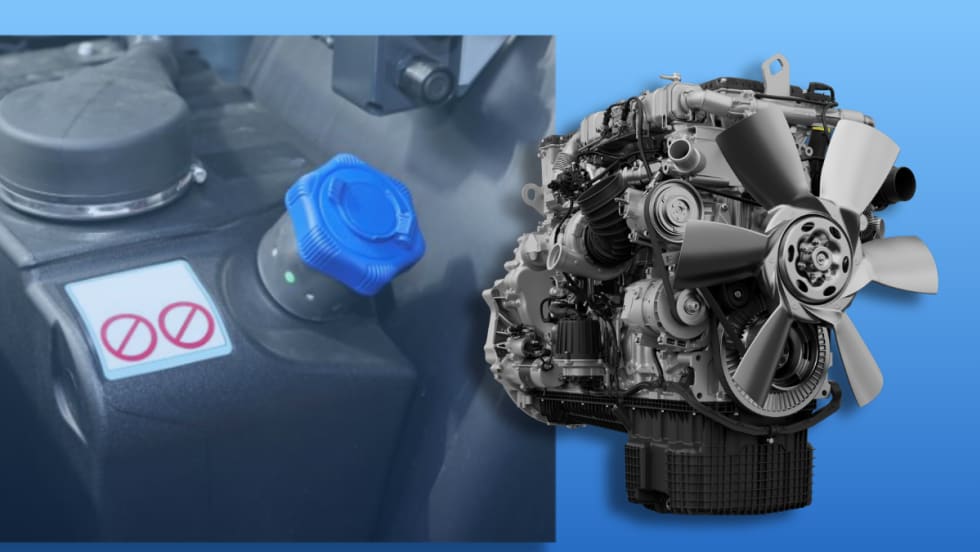
DTNA Software Update Gives Truckers More Time Before DEF Derates Take Effect
The changes reflect EPA guidance aimed at reducing downtime caused by emissions-system faults while maintaining compliance requirements.
Read More →
New Agentic Predictive Maintenance Report Demonstrates How Degraded Aftertreatment Systems Waste Fuel
Questar analyzed a large mixed-class fleet and discovered it was wasting as much as $30 in fuel per vehicle, per day, because of mechanically degraded aftertreatment systems.
Read More →
New York City's Microhub Project is Delivering Results
Trucking, last-mile delivery companies, and environmental advocates like what they are seeing so far with New York's microhub program.
Read More →