




Volvo Adds Safety, Performance Features to I-Shift on VHD
Volvo Trucks North America has added new safety and performance features for the Volvo I-Shift for Severe Duty and I-Shift with Crawler gears automated manual transmissions.
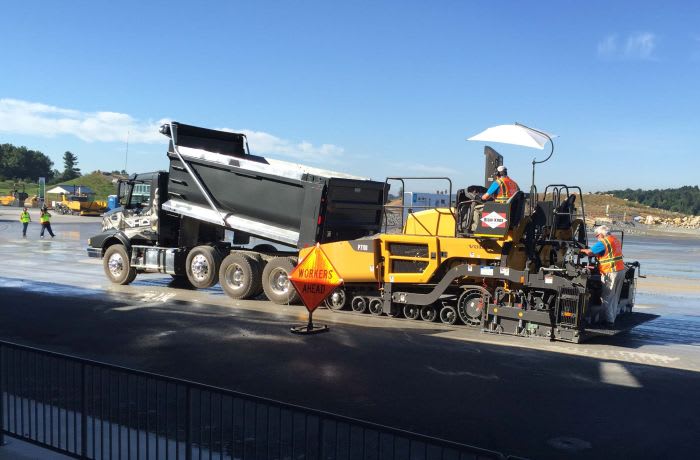
Paver Assist for the I-Shift on Volvo VHD model dump trucks helps eliminate bumps and disturbances in the pavement laying process. Photo: Volvo Trucks North America
Paver Assist for the I-Shift on Volvo VHD model dump trucks helps eliminate bumps and disturbances in the pavement laying process.Photo: Volvo Trucks North America
Volvo Trucks North America has added new safety and performance features for the Volvo I-Shift for Severe Duty and I-Shift with Crawler gears automated manual transmissions. A new Auto Neutral feature was added to improve jobsite safety while a Paver Assist feature bolsters the Volvo VHD’s performance in paving applications.
Auto Neutral reduces the possibility of a truck moving as a result of inadvertent throttle application by placing the I-Shift transmission into neutral when the parking brake is set. When the parking brake is released, the transmission can be shifted back into drive to go back into gear.
The feature is aimed at trucks in many applications, including concrete mixers, where remote throttle is often used. Auto Neutral will be available for order in the second quarter of 2017 for trucks equipped with Volvo GHG 2017 engines and the latest generation Volvo I-Shift. For trucks already in service, it can be activated with the Volvo Premium Tech Tool.
Paver Assist for the I-Shift on Volvo VHD model dump trucks helps eliminate bumps and disturbances in the pavement laying process that can occur when shifting from neutral to drive. Truck operators can shift into drive without first applying the brakes when shifting from neutral and being pushed by a paver to driving operations and pulling away from the paver equipment. To use the feature, a driver shifts from neutral to drive while rolling very slowly and depressing the “+” button on the I-Shift shifter.
Paver Assist is also useful for other low-speed applications when a vehicle needs to drive away without applying brakes. The feature is currently available on Volvo VHD models equipped with Volvo GHG 2017 engines and the latest generation I-Shift transmission. Paver Assist can be activated using the Volvo Premium Tech Tool.
The Volvo VHD comes standard with a 12-speed I-Shift for Severe Duty, featuring hardened gears and other hardware to help withstand frequent shifting in rugged operating environments. The I-Shift with Crawler Gears is available in 13- and 14-speed versions. The 13-speed I-Shift with Crawler Gears helps provide improved startability on steep grades, soft terrain, or when the truck is under heavy load. The 14-speed variant is made for applications such as concrete pouring that require low-speed maneuverability.
More Equipment
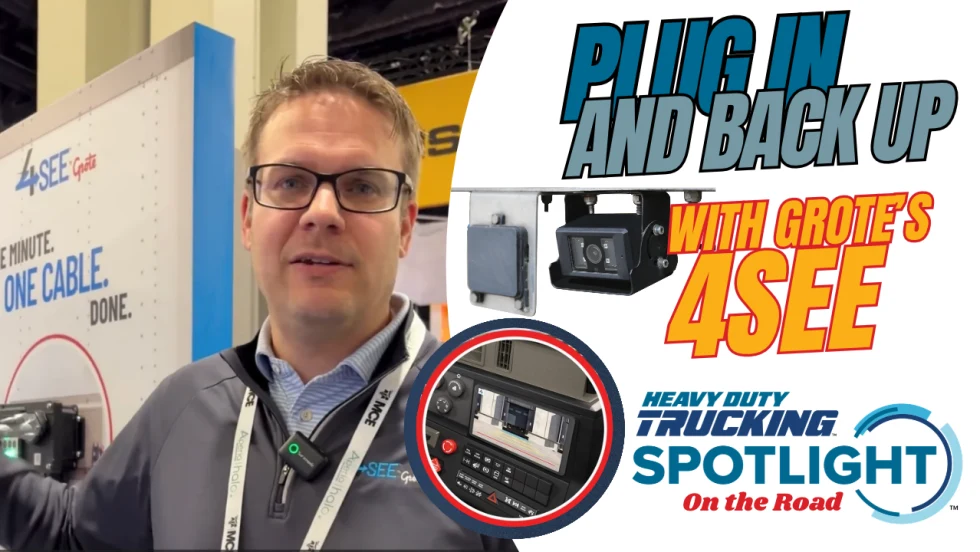
More Trailer Data Through the Same Seven-Way [Video]
Can trucking’s standard seven-way connector handle more cameras and trailer data? Grote’s Adam Slade shows HDT how the company is using new technology with its 4See trailer system, not only to add a new backup camera but also to expand other capabilities — without adding another connection.
Read More →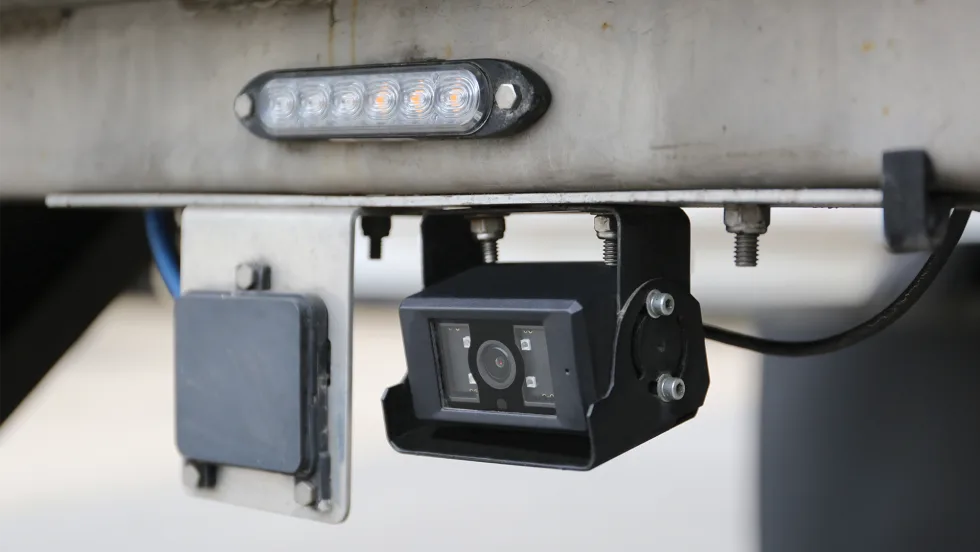
Grote: More Cameras, Same Seven-Way Connector
The next-generation 4See rear-view backup camera from Grote uses the standard seven-way connector and supports additional cameras and other trailer data.
Read More →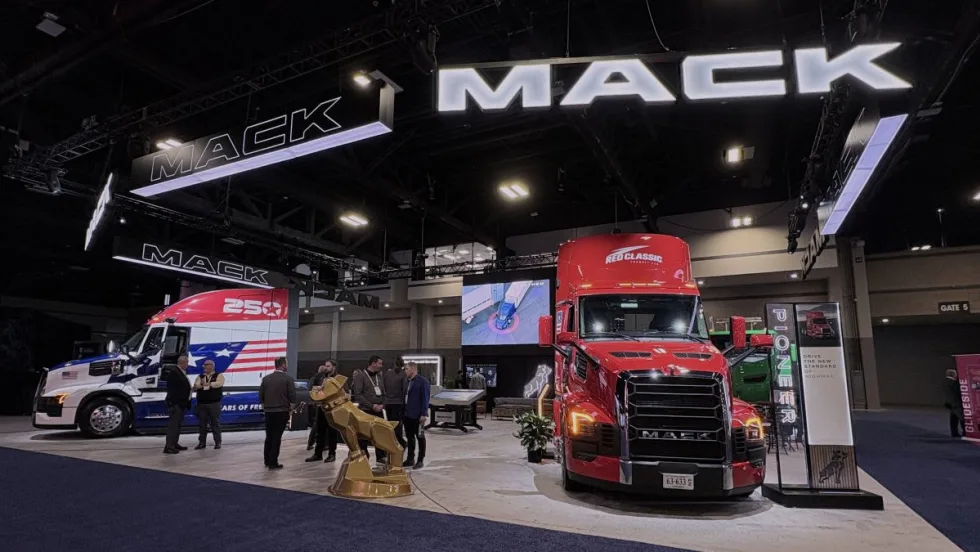
Trucks at ATA's 2026 MC&E in Charlotte, North Carolina [Photos]
From rigs decked out in patriotic America's 250 paint schemes to autonomous trucks and more, check out these photos from ATA's 2026 Management Conference & Exhibition.
Read More →
Help HDT Find Trucking’s Top Products
Have you come across a new product that could make a difference for trucking fleets? Nominate it for HDT’s 2027 Top 20 Products Awards by November 9.
Read More →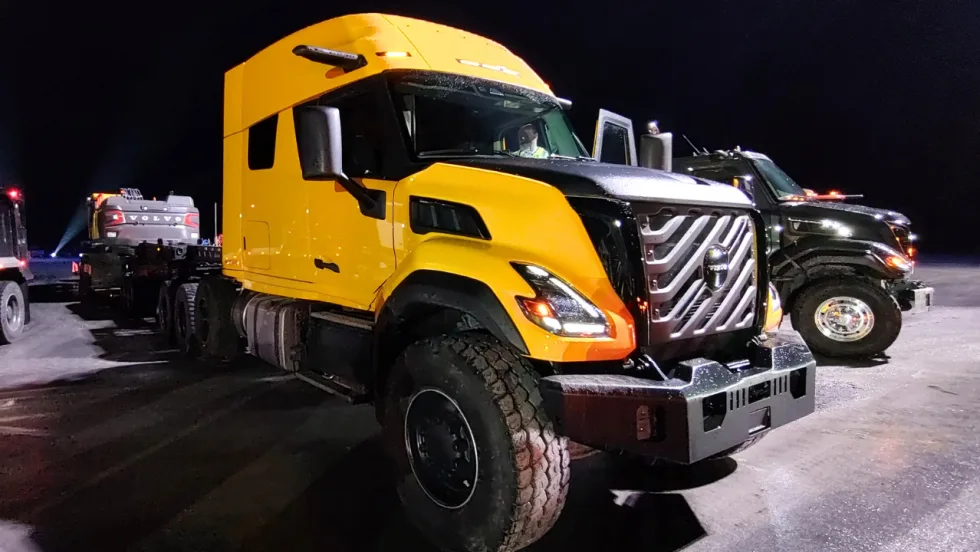
Volvo Unveils New VNX Heavy-Haul and Vocational Truck
Volvo Trucks has launched the VNX, a new vocational truck also available as a tractor in day cab and two sleeper configurations, with one heavy-haul model. The Volvo VNX is powered by Volvo's D13 platform, which delivers up to 540 horsepower and 1,950 pound-feet of torque and is EPA 2027-compliant.
Read More →
How GP Transco Cuts Trucking Fuel Costs, a Tenth of a Gallon at a Time
What’s another tenth of a mile per gallon worth? GP Transco shares how equipment upgrades and driver coaching turn small gains into meaningful fuel savings.
Read More →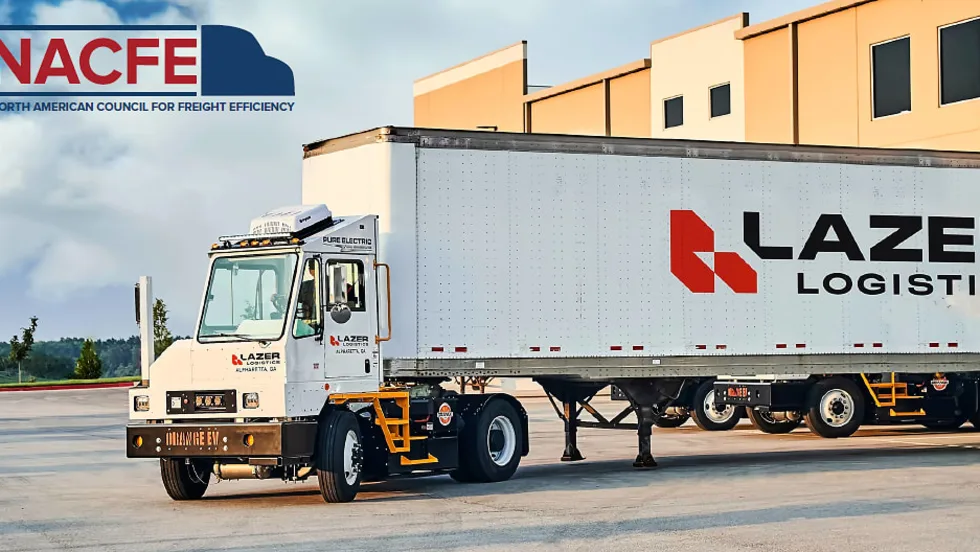
Electric Yard Tractors Move Beyond Pilots
Operating-cost savings have overtaken sustainability goals as the leading reason surveyed fleets are adopting battery-electric terminal tractors, according to new NACFE research.
Read More →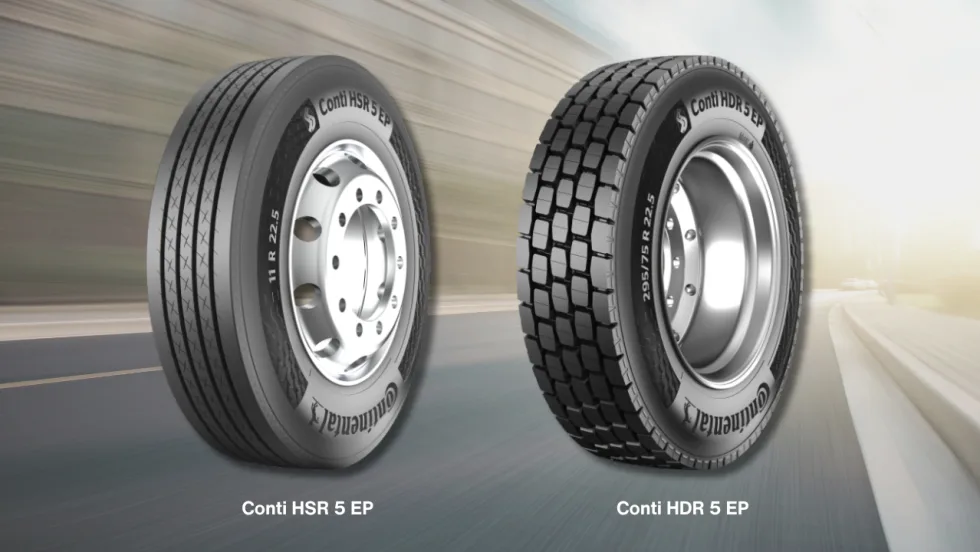
Continental Introduces New Regional Truck Tires
Continental says its new Generation 5 steer and drive tires for regional operations offer longer tread life, with estimated mileage gains of 22% and 19%, respectively.
Read More →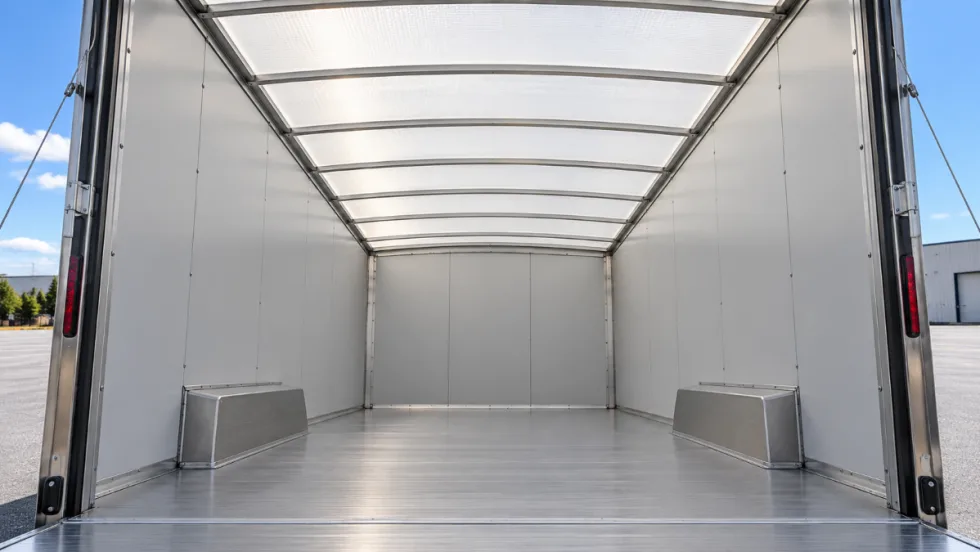
Tekmodo Introduces CargoBright Brand for Translucent Trailer Roofs
CargoBright is designed to diffuse daylight across the cargo area while performing as a working vehicle roof.
Read More →
Fleet Economics Shape Electric Truck Outlook
ACT Research expects costs, charging infrastructure, and technology improvements to drive zero-emission commercial vehicle adoption as federal regulations and incentives retreat.
Read More →