




Used Class 6-7 Sales Slide After Mileage Spike
An increase in average odometer mileage has pushed used classes 6-7 truck prices lower this year compared to last year to date as prices and volume have fallen from 2013 levels that marked a post-recession high-water mark.

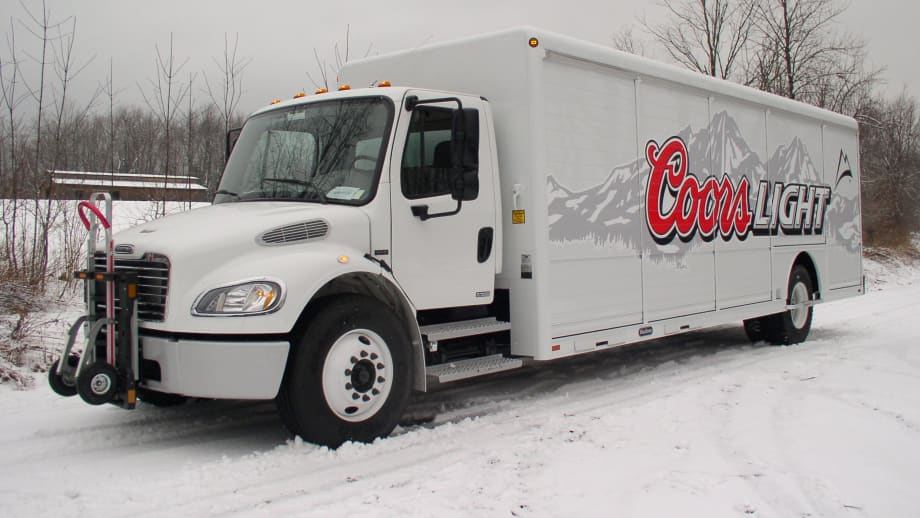
Photo of Coors Light beverage truck using a Freightliner M2 chassis.

Photo of Coors Light beverage truck using a Freightliner M2 chassis.
An increase in average odometer mileage has pushed used classes 6-7 truck prices lower this year compared to last year to date as prices and volume have fallen from 2013 levels that marked a post-recession high-water mark.
Volume in sales of classes 6-7 recovered in September for the first time in five months, yet still remains lower than most months in 2013, according to ACT Research. Volume has fallen in 2014 in used sales in these classes to 315 units per month. In October, volume rose 1 percent and remains lower than year-ago levels.
At the same time, the average selling price fell sharply in September to $19,658 compared to a year ago. The October selling price "improved dramatically," said Steve Tam, ACT's vice president of the commercial vehicle sector. In October, the average price was $24,862. In May, the average monthly sale price reached an all-time high of $25,564.
"Much like the Class 8 market, scarce inventory and strong demand have conspired to drive prices up in the Classes 6-7 segment," Tam said.
The average mileage for Class 6-7 used sales came in at 221,868 in September. It has remained around the 200,000-level since early 2012. Older units appear to be driving the higher mileage trend. September was the second highest month on six years, as truck age reached 126 months.
By Paul Clinton
More Fleet Management

American Trucking Associations Looks for a New Leader
ATA President and CEO Chris Spear abruptly left his job at the association on August 21, at a pivotal time for the trucking industry.
Read More →
Public Wi-Fi Cybersecurity Risks: How Truck Drivers and Fleets Can Protect Their Data
Public Wi-Fi can expose truck drivers and fleets to credential theft, malware, and other cyber threats. Here’s how to reduce the risk on the road.
Read More →
For Nicky Cupp, Fleet Innovation Starts With Frustration
HDT Truck Fleet Innovator Nicky Cupp turns everyday pain points at Fraley & Schilling into opportunities for better technology and smarter processes.
Read More →
Adam Buttgenbach’s Approach to Electric Trucks: Start With Where They Fit
HDT Truck Fleet Innovator Adam Buttgenbach helped PepsiCo build one of North America’s largest EV fleets by focusing on where electric trucks make operational sense.
Read More →
Deen Albert: Let Automation Do the Math, People Make the Decisions
HDT Truck Fleet Innovator Deen Albert makes sure people are still at the heart of operations at Grand Island Express, even while adopting artificial intelligence tools. AI-assisted dispatch helped boost revenue 25% with the same number of trucks.
Read More →
Trimble’s New AI Agent Takes Aim at Fleet Back-Office Busywork
Arc Agent works across Trimble TMS products to automate repetitive tasks such as freight orders, maintenance, invoices, fuel costs and more.
Read More →
How HDT’s 2026 Truck Fleet Innovators Are Rethinking Fleet Operations
Meet five trucking leaders who are challenging assumptions, solving operational problems, and putting innovative ideas to work.
Read More →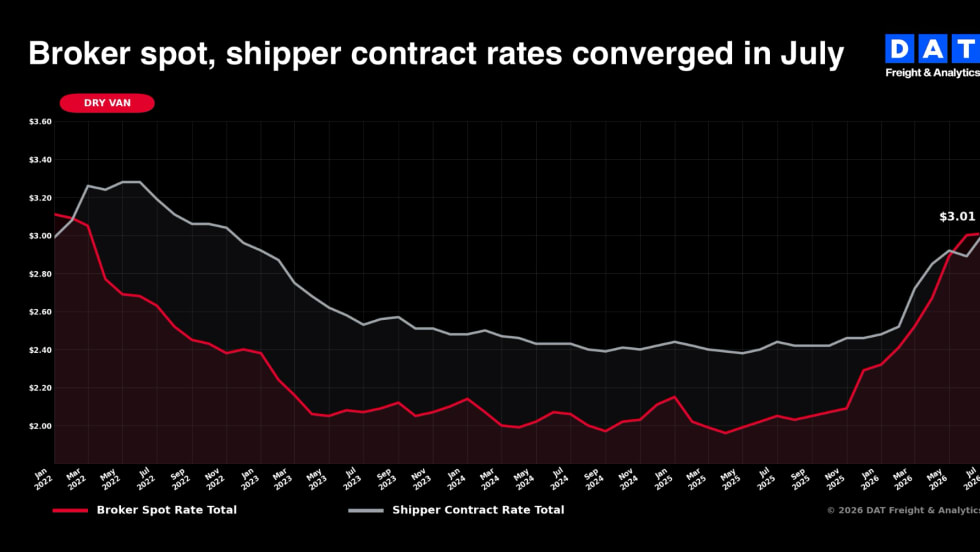
Tight Trucking Capacity Pushes Rates Higher Even as Freight Volumes Fall
“Spot rates moving ahead of contract rates have historically signaled a tightening market, but we haven’t seen a capacity-driven market quite like this one,” said DAT's Dean Croke.
Read More →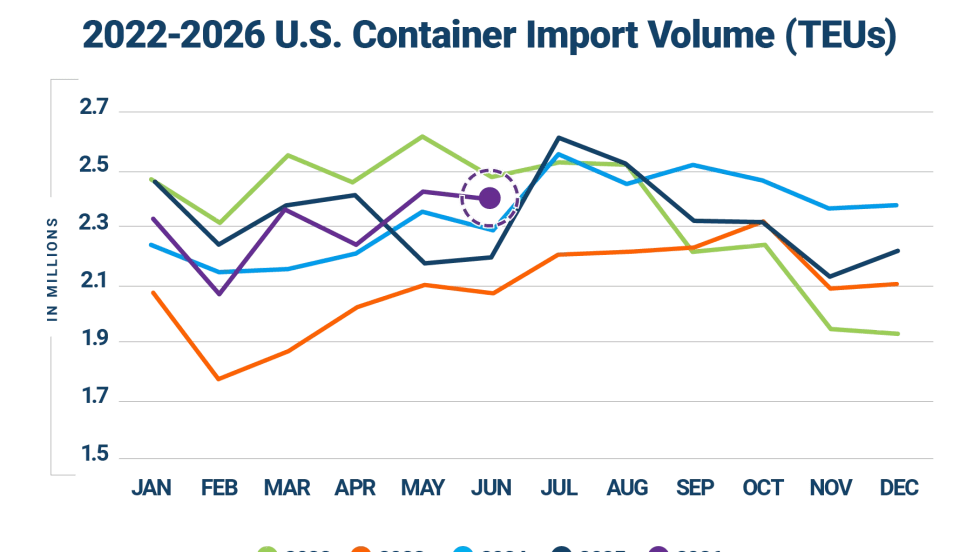
Import Cargo’s Early Peak Season is Winding Down
There was an early start to peak season this year at the nation's gateway ports, as retailers brought in merchandise ahead of tariff changes in late July and responded to other supply chain uncertainties,
Read More →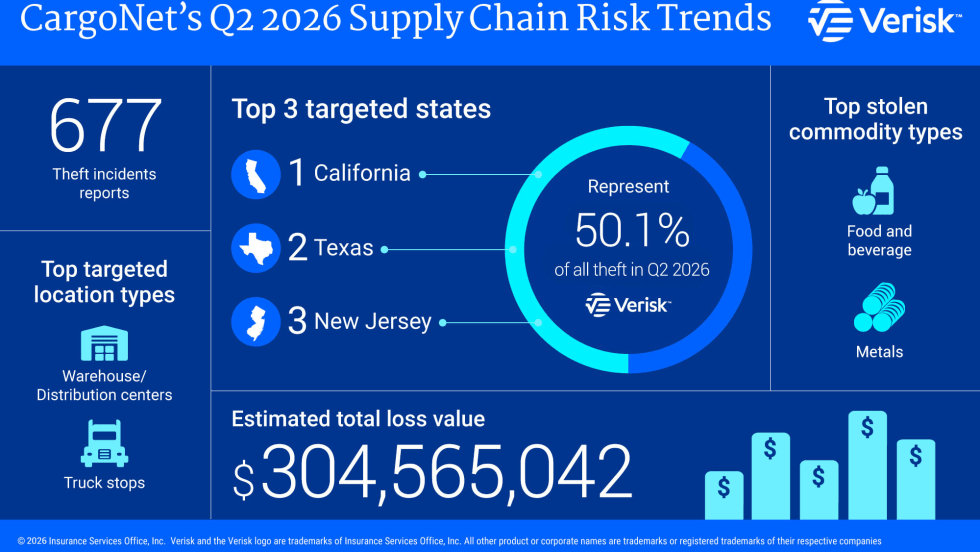
Fewer Cargo Thefts, Bigger Losses: Criminals Target Higher-Value Loads
CargoNet says organized theft rings are stealing fewer shipments but choosing more valuable freight, including metals and technology, resulting in record losses.
Read More →