




Uber Freight Adds Spot Loads to Exchange Platform
Uber Freight Exchange: Spot aims to aggregate spot freight for motor carriers, starting with loads from hundreds of shippers in Uber Freight’s managed transportation business and brokerage.
May 20, 2024

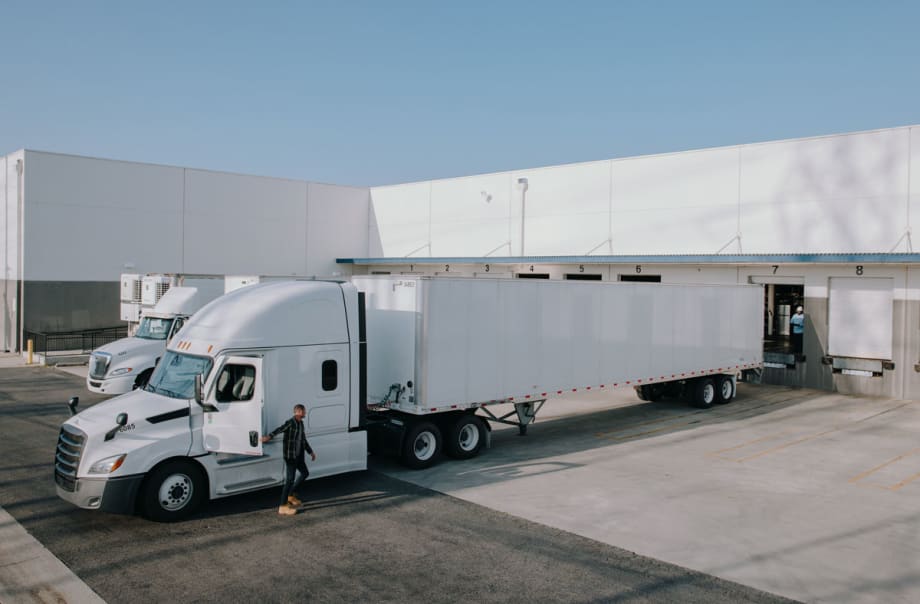
Uber Freight’s Exchange platform now includes spot loads in addition to contract freight.
Photo: Uber Freight
2 min to read
When Uber Freight launched Uber Freight Exchange last year, the company said it would be “a transformative shift in procurement practices.”
Inspired by the New York Stock Exchange, Uber Freight Exchange provides a neutral marketplace to streamline and optimize procurement. The goal was to cut through the cumbersome and inefficient process of using RFPs and signing annual contracts for rates. It experienced rapid adoption following its 2023 launch, according to the company. To date, more than 900 carriers have access to hundreds of millions of dollars of freight.
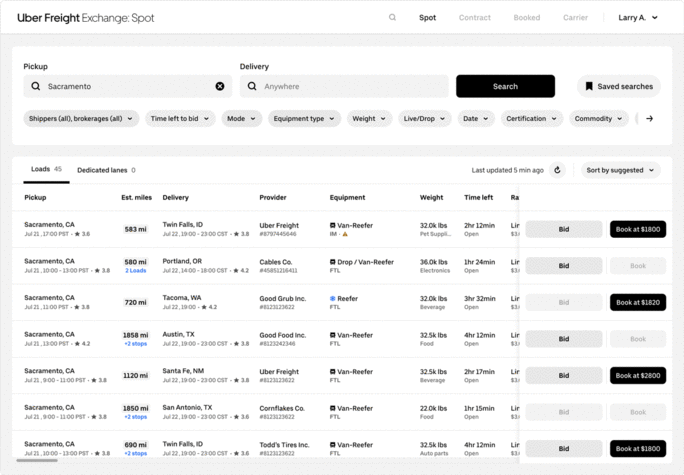
Now the company has added spot freight, allowing motor carriers to accelerate bids and instantly book spot freight with Uber Freight Exchange: Spot.
“In an increasingly volatile freight market, uniting carriers, and shippers on a single platform to efficiently procure and service freight at a large scale is essential for Tosca’s success,” said Robert Chase, director of transportation and reverse logistics at Atlanta-based Tosca, in an Uber Freight news release.
Source: Uber Freight
Uber said carriers want a single destination to book spot freight across all load providers. Exchange: Spot aims to aggregate spot freight for carriers, starting with loads from hundreds of shippers in Uber Freight’s managed transportation business and brokerage.
Exchange: Spot combines the Uber Freight Carrier Web Portal and Transplace FAM (Freight Allocation Module) to give carriers greater access to Uber Freight’s network of shippers — alongside book-it-now load pricing, bidding, and automated tendering on a single platform.
(Uber Freight bought the tech-enabled third-party logistics provider Transplace in 2021.)
Why Visibility into Spot Market is So Important
In the volatility of the spot market, Uber said, real-time knowledge and automated tools can help motor carriers make fast and informed decisions.
Traditionally, carriers turned to fragmented online and offline resources to find and book freight, according to the company. This can lead to inefficiencies, such as limited visibility, time-consuming searches, and disjointed communication, making it harder to react quickly and make the best decisions.
“Uber Freight Exchange was inspired, in part, by the neutrality and efficiency of marketplaces like the New York Stock Exchange,” said Eric Berdinis, head of Carrier Product Management at Uber Freight.
“We wanted to create the choice Exchange for freight. Building on two decades of experience operating spot auction platforms, we’re excited to expand our procurement technology to all shippers and carriers.
“By integrating contract and spot market workflows, Uber Freight Exchange is a major pillar in our mission to revolutionize freight logistics.”
With the help of Uber Freight’s proprietary algorithms and scalable workflows, carriers can tap into more loads and manage fulfillment in one place, with access to Uber Freight’s expansive network of shippers.
Carriers can bid quickly and confidently with upfront load requirements and personalized search and recommendations.
They can also increase consistency using Dedicated Lanes, Uber Freight’s proprietary bundling of spot freight into mini-contracts, and view recommendations for backhaul and reload loads.
More Fleet Management

Sponsored•September 16, 2026
Color Match Smarter: Tools That Restore & Perform
For fleet managers and collision repair professionals keeping heavy-duty trucks on the road, getting the color right the first time isn't just about appearance — it's about efficiency, turnaround time, and bottom-line results. Discover how today's digital color tools are transforming the repair process from guesswork to precision.
Read More →
FMCSA Pauses Biennial-Update Enforcement Amid Motus Transition
Carriers whose updates were due on or after June 1 have more time, while FMCSA works to stabilize its new registration system and warns of phishing sites impersonating its new carrier registration system, Motus.
Read More →
Sponsored•September 14, 2026
2026 Blueprint for Countering Smarter Supply Chain Theft
Cargo theft is no longer just the cost of doing business. It's a multi-billion-dollar criminal enterprise exploiting vulnerabilities across your fleet, drivers, and supply chain.
Read More →


Sponsored•September 1, 2026
How Telematics Improves Visibility, Control, and Performance in Refrigerated Fleets
Explore how telematics help refrigerated fleets improve visibility, uptime, efficiency, compliance, and cargo protection across connected cold chain operations.
Read More →
What the U.S.-Canada Trade War Means for Trucking
Escalating U.S.-Canada tariffs could disrupt cross-border freight, reduce truck volumes, raise costs, and create new uncertainty for carriers on both sides of the border.
Read More →
What Are Trucking’s Top Concerns for 2026?
The American Transportation Research Institute wants to know what's worrying trucking fleet managers, drivers, and other stakeholders in its annual Industry Issues survey.
Read More →
American Trucking Associations Looks for a New Leader
ATA President and CEO Chris Spear abruptly left his job at the association on August 21, at a pivotal time for the trucking industry.
Read More →
Public Wi-Fi Cybersecurity Risks: How Truck Drivers and Fleets Can Protect Their Data
Public Wi-Fi can expose truck drivers and fleets to credential theft, malware, and other cyber threats. Here’s how to reduce the risk on the road.
Read More →
For Nicky Cupp, Fleet Innovation Starts With Frustration
HDT Truck Fleet Innovator Nicky Cupp turns everyday pain points at Fraley & Schilling into opportunities for better technology and smarter processes.
Read More →
Adam Buttgenbach’s Approach to Electric Trucks: Start With Where They Fit
HDT Truck Fleet Innovator Adam Buttgenbach helped PepsiCo build one of North America’s largest EV fleets by focusing on where electric trucks make operational sense.
Read More →