




Related: KLLM to Join the Trucking Alliance
U.S. Xpress Agrees to Join Trucking Alliance
U.S. Xpress has accepted an invitation to join the Alliance for Driver Safety & Security, also known as The Trucking Alliance, beginning in 2017.
by Staff
December 7, 2016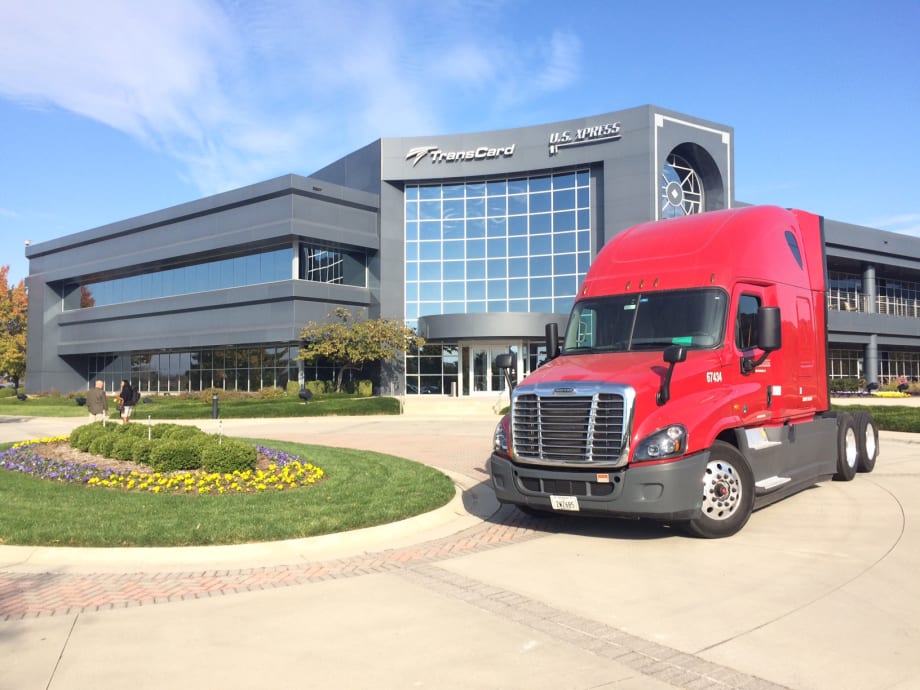
Photo: Jack Roberts
2 min to read
Photo: Jack Roberts
U.S. Xpress has accepted an invitation to join the Alliance for Driver Safety & Security, also known as The Trucking Alliance, beginning in 2017.
The Chattanooga, Tennessee-based carrier is one of several transportation companies to join The Trucking Alliance in recent months, joining the refrigerated carrier KLLM, Cargo Transporters, and truck insurance brokerage company Aeon Transportation & Risk Solutions. U.S. Xpress is one of the largest privately owned trucking companies in the country.
The Trucking Alliance is a small coalition of carriers and allied business that support common operating principles and safety reforms to reduce large truck accidents and improve the working environment of drivers. It supports technologies and procedures such as electronic logging devices, truck speed limiters, hair testing for driver pre-employment drug screening, forward collision warning/mitigation systems.
“U.S. Xpress is one of the nation’s top freight carriers because its co-founders, Max Fuller and the late Pat Quinn, created a culture that a company can be efficient for customers without sacrificing drivers’ safety,” said Craig Harper, executive vice president and chief operations officer of J.B. Hunt Transport Services, and a member of the Alliance board of directors. “U.S. Xpress continues to exhibit these characteristics under Max’s leadership, and the Trucking Alliance will benefit from their membership.”
As part of agreeing to join The Trucking Alliance, U.S. Xpress president and chief operating officer Eric Fuller will join the organization’s board of directors. Lisa Pate, chief administrative officer for U.S. Xpress, will serve on the Alliance Advisory Group, a committee that assists the board of directors with analysis and recommendations on safety regulations and proposals.
“The Trucking Alliance is advancing safety reforms that can improve highway safety and the quality of life for truck drivers,” said Fuller. “Training, education, and safety are core values at U.S. Xpress, and we look forward to working with these elite carriers that share the same principles.”
Trucking Alliance companies collectively employ around 41,000 people and use 30,000 tractors, with 140,000 trailers and containers to deliver freight throughout North America. For more information, click here.
More Fleet Management
Motive Adds AI Agents for Fleet Operations
New tools automate follow-up on fleet data, from maintenance work orders to driver alerts, with two-way voice conversations planned for later this year.
Read More →
Can You Beat Our Trucking Trivia Challenge?
Test your truck knowledge with 19 trivia questions from Heavy Duty Trucking Exchange. Can you keep up with the fleet pros?
Read More →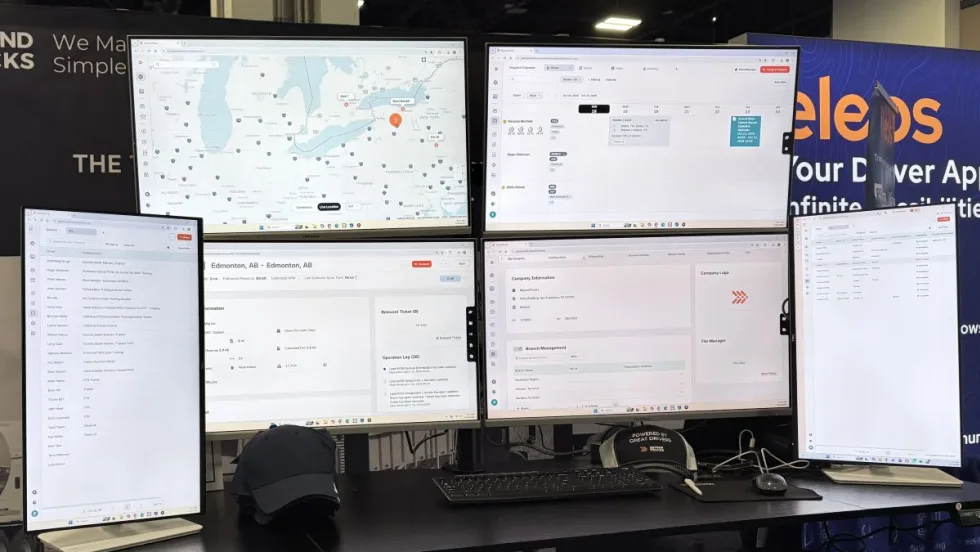
BeyondTrucks Adds Rules Checks to Dispatch
New Compatibility Engine checks driver qualifications, equipment requirements and fleet policies before loads are dispatched.
Read More →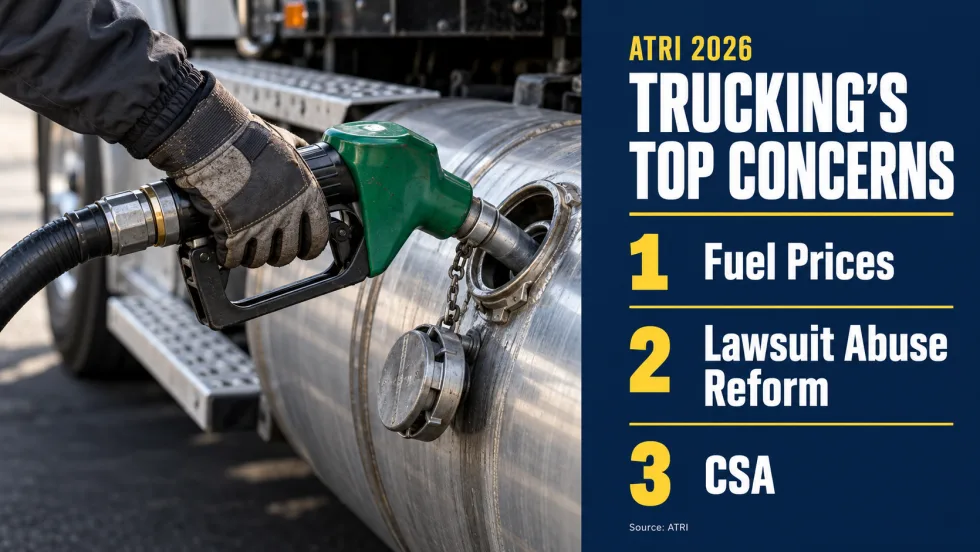
Diesel Prices Hijack Trucking’s Worry List
ATRI’s annual survey finds cautious optimism about freight, but diesel costs, litigation, and insurance continue to squeeze fleets. Drivers have different priorities on several issues.
Read More →
Nomination Deadline Extended for HDT Emerging Leaders
Just a few more days to nominate accomplished trucking fleet professionals under 40 who are making an impact and helping lead the industry forward for the HDT Emerging Leaders award. Deadline extended to October 20!
Read More →
What Will ATA’s New Leader Bring to Trucking's Table?
Incoming President and CEO Mark Colson’s record in Alabama offers clues about his priorities and approach following Chris Spear’s abrupt departure as the head of the American Trucking Associations.
Read More →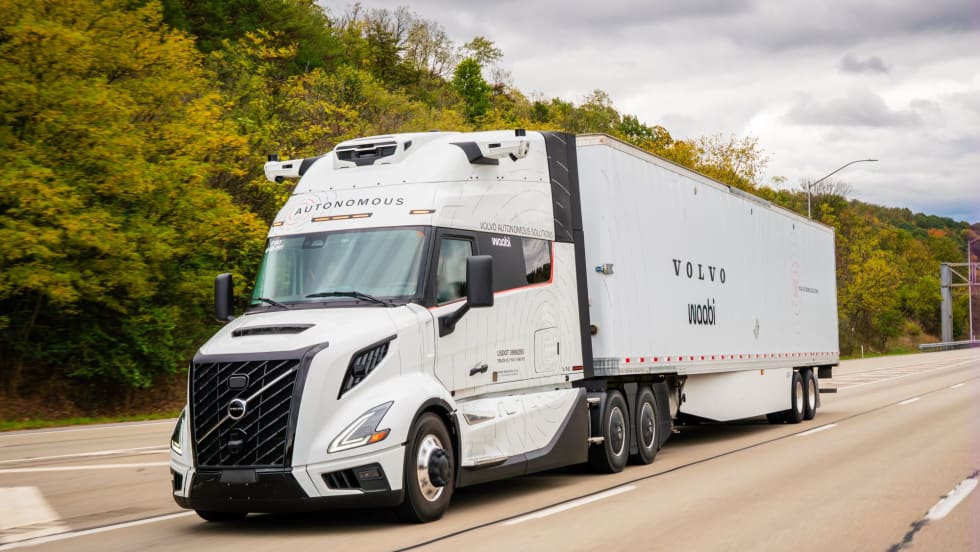
Volvo, Waabi Start Commercial Autonomous Operations in Texas
Volvo VNL Autonomous trucks, powered by the Waabi Driver, are hauling freight directly to third-party facilities for a customer in Texas.
Read More →
Samsara Launches Custom AI Agent Builder
Agent Studio lets fleets create AI tools for hours-of-service monitoring, reporting and driver support, including agents that communicate by phone.
Read More →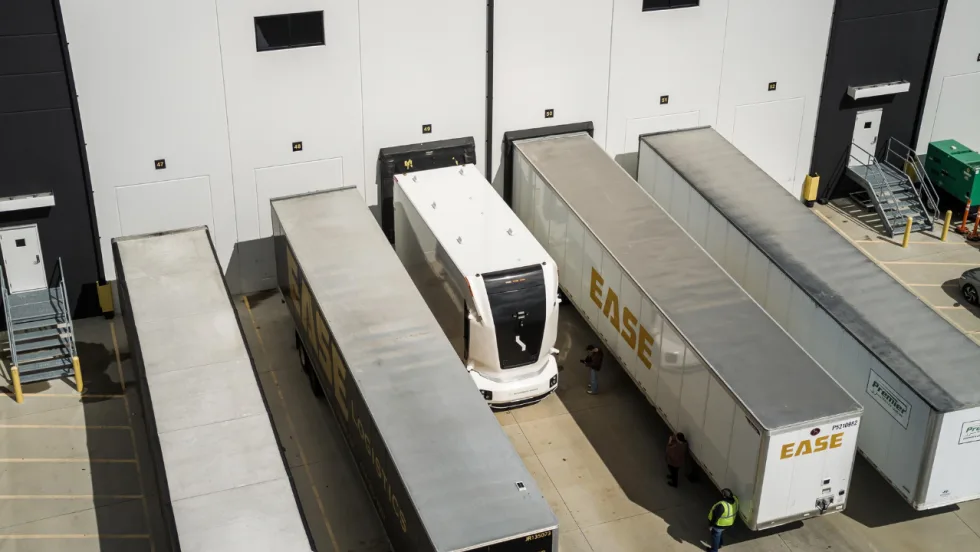
Einride Driverless Electric Trucks Begin Daily Freight Operations in Ohio
Two cabless electric trucks are hauling freight between EASE Logistics facilities in Marysville, Ohio, as part of a multi-state truck automation project.
Read More →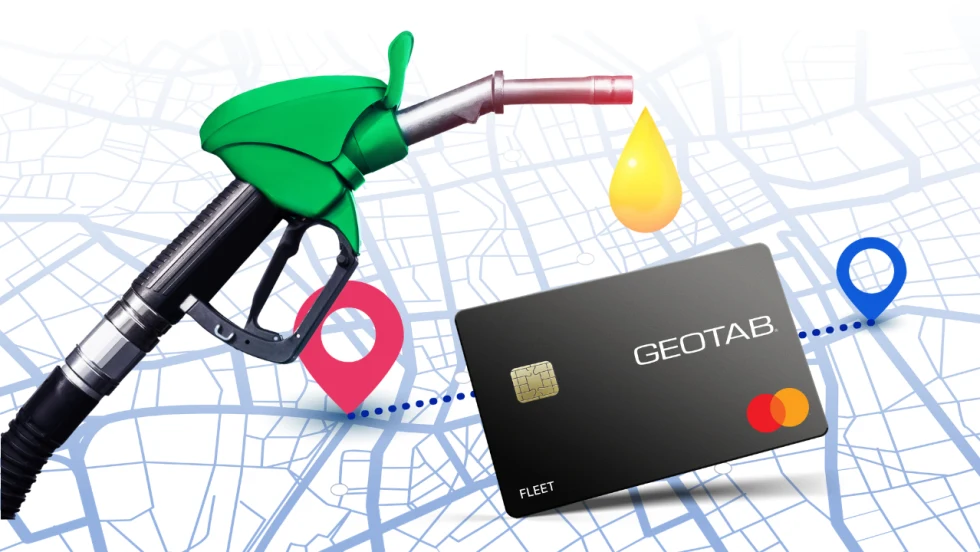
Geotab Links Fleet Card to Vehicle Data
The new card combines fuel discounts with telematics-based purchase controls. Geotab’s analysis also points to potential savings from choosing lower-priced fuel stops.
Read More →