




Trucking Companies Relying Less on Broker Services
Carriers are using less broker services, another sign of tightening capacity, according to a survey by Transport Capital Partners. The recent First Quarter Business Expectations Survey by the transportation advisory firm found 87 percent of carriers said they have used less broker services during the past three months
Carriers are using less broker services, another sign of tightening capacity, according to a survey by Transport Capital Partners.
The recent First Quarter Business Expectations Survey by the transportation advisory firm found 87 percent of carriers said they have used less broker services during the past three months.
"This is a dramatic turn-around since May of 2009, when two-thirds reported using more brokers," noted Richard Mikes, TCP partner. "Obviously the freight supply demand balance has shifted dramatically to the carriers, and they are using their capacity to serve the needs of their long term customers."
"The smaller carriers who have historically relied more on broker freight reported less usage of the same magnitude as over $25 million revenue carriers" said Lana Batts, TCP partner.
Mikes and Batts noted that publicly traded brokers carriers achieve gross margins of 15 to 20 percent, and this typically reduces what the carriers get for loads hauled for brokers. Most carriers will service their long-standing shippers first, because of not only higher paying freight, but also steadier volumes and the desire to assist these shippers as a priority. '
A leading load board reported that on some high-volume lanes, broker spot load rates are exceeding contract rates as brokers respond to urgent shipper needs to move freight.
The TCP survey found that 40 percent of the carriers report that broker freight services account for less than 5 of their revenues and that 35 percent report 6-15 percent of their revenues from brokers. Only a quarter of carriers rely on brokers for over 16 percent of their revenues.
"This reflects the traditional reliance on brokers by smaller carriers for return hauls as their outbound length of haul increases and improved technology such as electronic load boards on cell phones, and laptops are available," Batts said.
The survey shows that carriers under $25 million in revenue size use more brokers. Both Mikes and Batts envision a potential shift over time to even a more direct connection between carriers, shippers and brokers with the advent of real-time electronic bidding on loads by prequalified carriers.
More Aftermarket
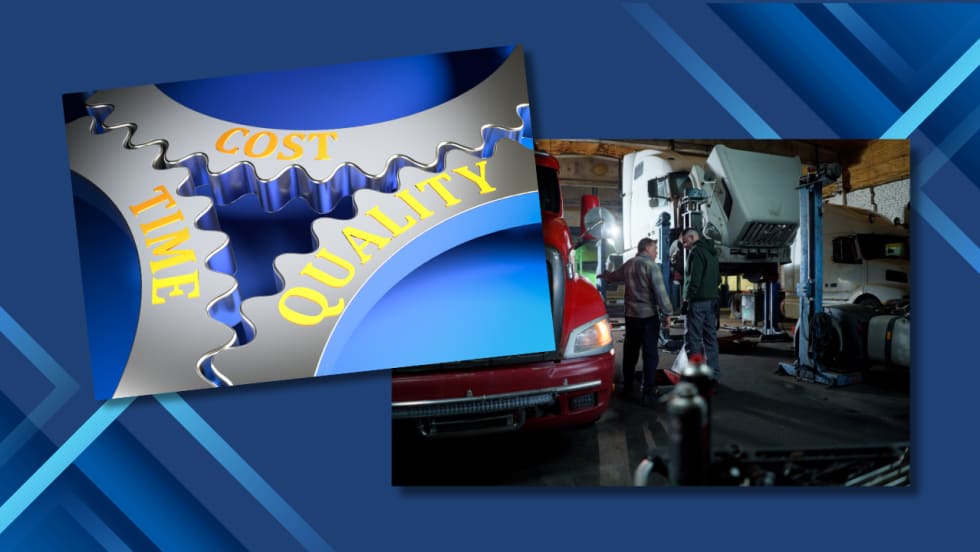
What Three Fleets Are Doing Differently When Buying Truck Parts in 2026
With freight improving but costs still climbing, fleet maintenance executives explain how they're balancing price, quality, and supplier relationships.
Read More →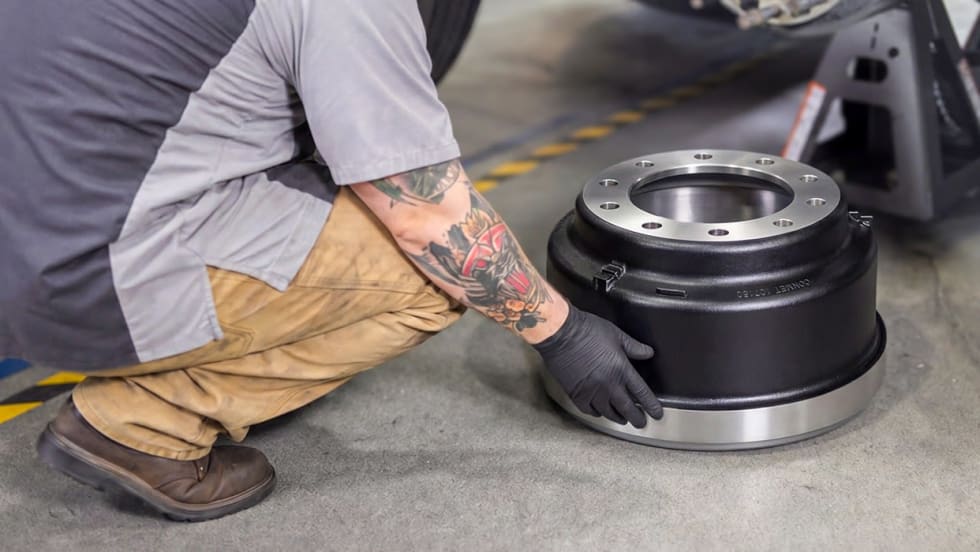
ConMet Expands Aftermarket Brake Drum Lineup With TruCast
A new heavy-duty truck brake drum option in the aftermarket gives customers more flexibility within the ConMet product family.
Read More →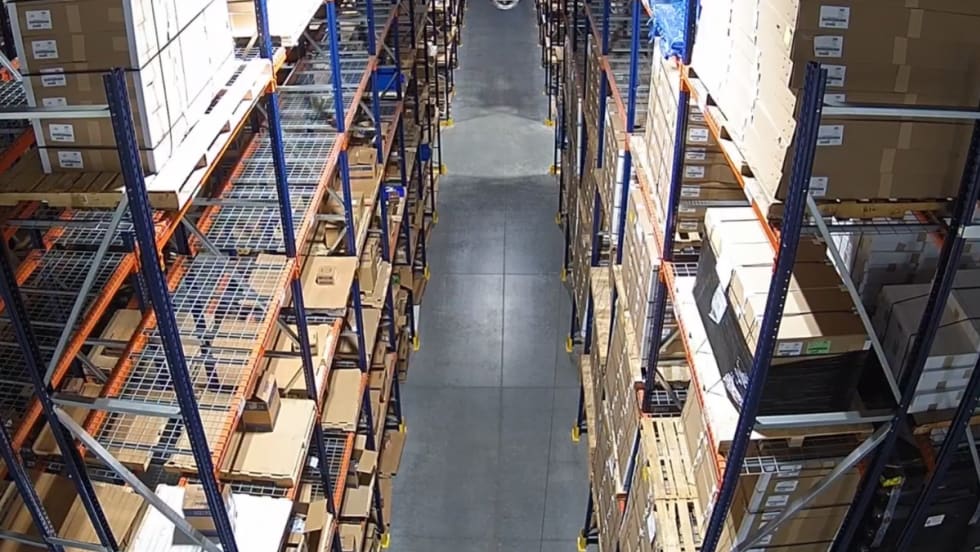
Phillips Opens High-Tech Distribution Center for Faster Parts Delivery
Phillips Industries’ new Cincinnati-area distribution center is now shipping aftermarket trucking parts nationwide, aiming to speed up delivery times for customers.
Read More →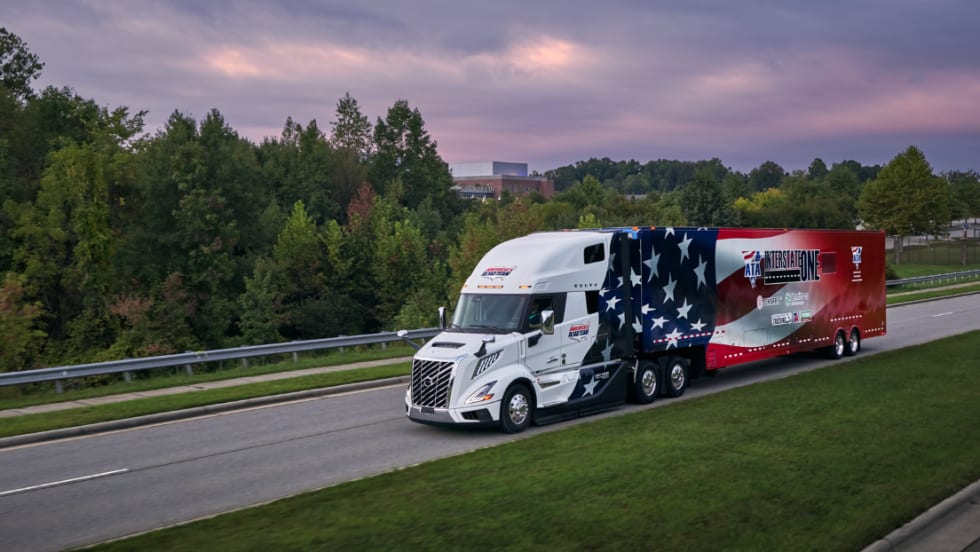
Volvo to Sponsor America’s Road Team for 2025
Volvo Trucks announced that it is extending its exclusive sponsorship of America’s Road Team for 2025.
Read More →
Webb to Start Taking Orders for UltraSet Pre-Adjusted Wheel Hubs
Webb, which recently acquired the Stemco Trifecta pre-adjusted hub program, will soon start taking orders for its replacement pre-assembled hub, the UltraSet.
Read More →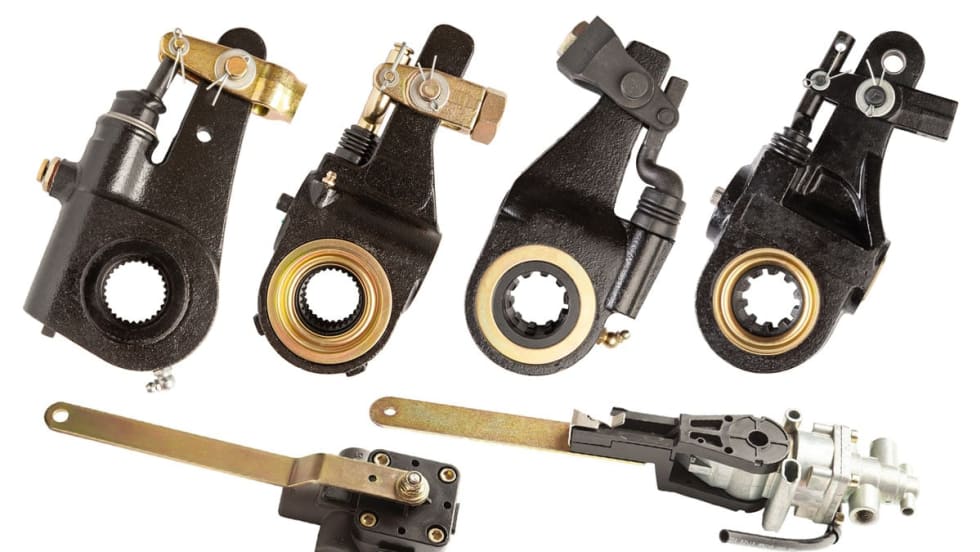
All-Makes Automatic Brake Adjusters, Ride Height Control Valves from Midland
SAF-Holland has added automatic brake adjusters and ride height control valves to its Midland All-Makes Program.
Read More →
ZF Aftermarket Expands [pro]Academy Training
ZF Aftermarket said it is expanding its ZF [pro]Academy training and will be adding 40 new modules this year.
Read More →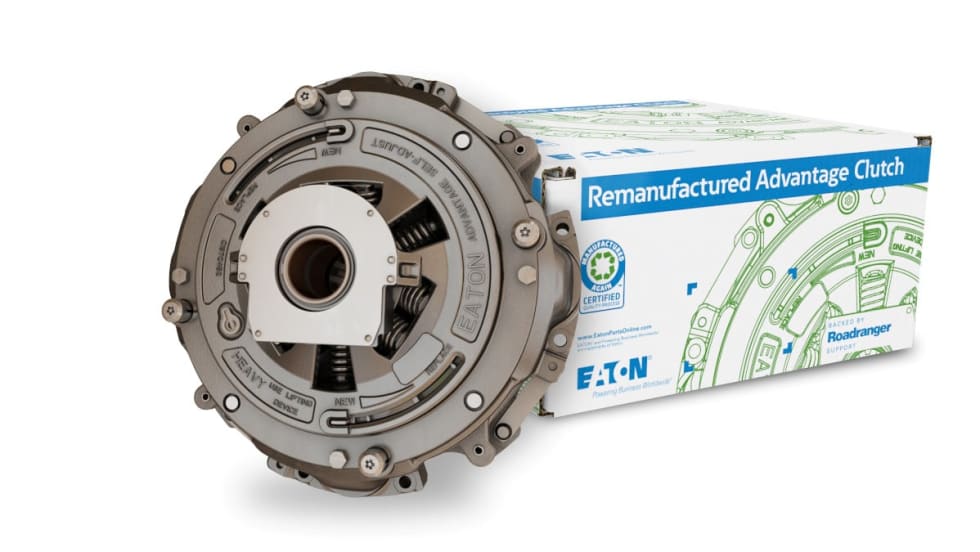
Eaton Adds Remanufactured Advantage Line of Clutches
Eaton has added its Advantage clutches to its remanufactured product line. The clutches feature a unique strap drive intermediate plate designed to allow customers to choose the latest OE specification
Read More →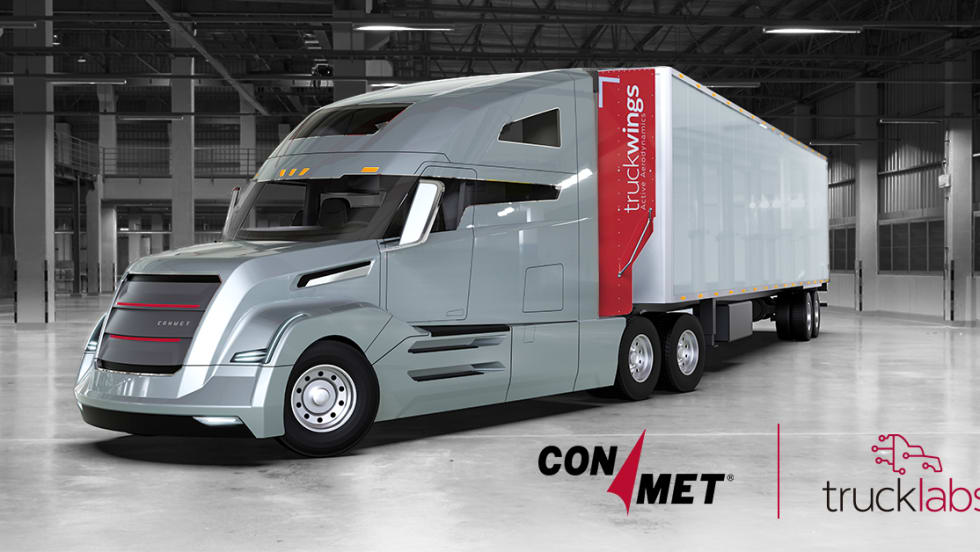
ConMet Acquires TruckLabs, the Creator of TruckWings
Commercial truck and trailer parts provider ConMet acquired TruckLabs, the company that created TruckWings, an aerodynamic device that attaches to truck cabs and deploys to close the gap between truck and trailer. TruckLabs now operates as a subsidiary of ConMet.
Read More →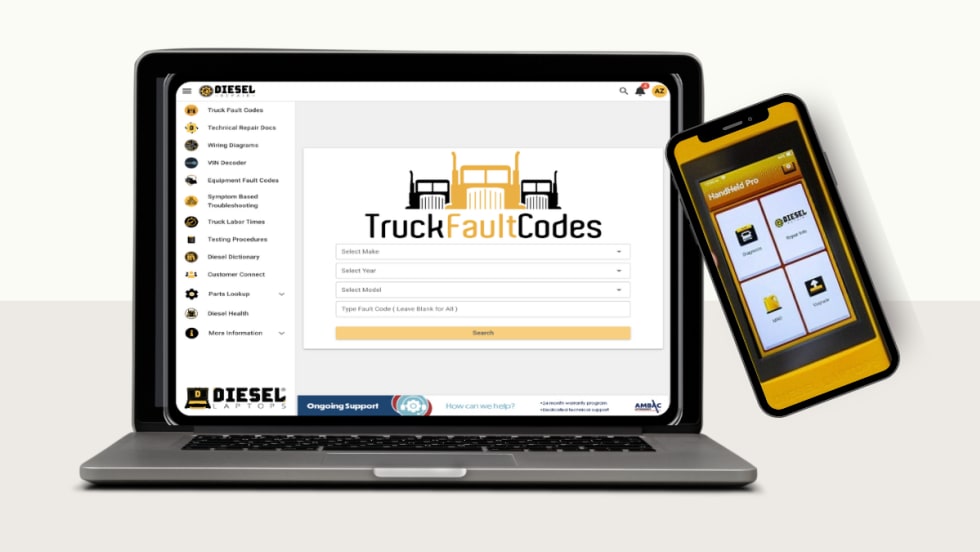
Diesel Laptops Releases Fault-Code-to-Part-Number Tool
Diesel Laptops said its Truck Fault Codes allows users to input a fault code and immediately identify and order the parts needed to complete repair work.
Read More →