




Truck Parts Pricing to Come Down from Historic Highs
The rate of aftermarket truck parts price increases is expected to slow in 2023, following two years of historically high price spikes, according to a MacKay & Company analysis.


Dave Kalvelage, MacKay & Company client consultant and analyst, presented an outlook of the aftermarket during Heavy Duty Aftermarket Dialogue.
Photo: Vesna Brajkovic
The rate of aftermarket truck parts price increases is expected to slow in 2023, following two years of historically high price jumps, according to a MacKay & Company analyst who presented during the Heavy Duty Aftermarket Dialogue outlook conference in Texas on Jan. 16.
MacKay & Company tracks an average parts price increase every year based on feedback it receives from parts distributors. Between 1990 and 2020, the average parts price increase has been about 1.9%, according to distributor feedback. But in 2022, the year-over-year percent change in parts pricing spiked to an all-time high of 10.2%.
The jump is attributed to inflation, as well as price setters raising prices due to the high the demand for parts coming out of the COVID-19 pandemic, which lead to supply chain constraints, Dave Kalvelage, MacKay & Company client consultant and analyst, said.
In 2023, the firm is forecasting a drop to about a 3.5% price increase.
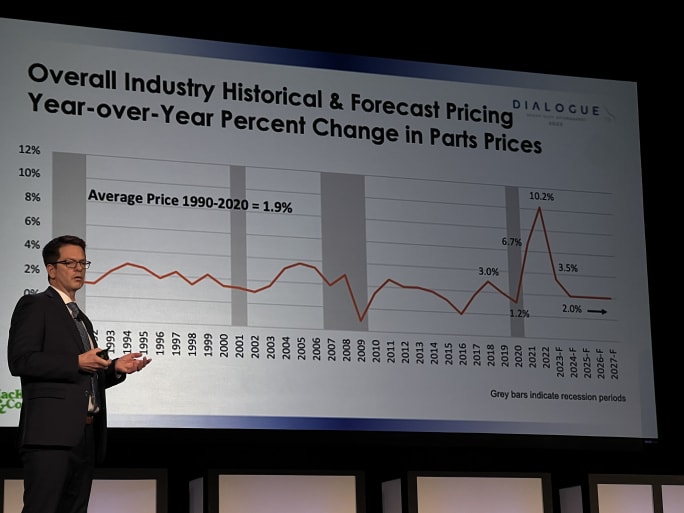
MacKay & Company forecasts the average parts price increase in 2023 to be 3.5%.
Photo: Vesna Brajkovic
“That may be a little optimistic or conservative,” Kalvelage said. “Especially when we just heard some of the other panelists [at HDAD, saying] they're seeing pricing in the range of 4 to 6%. But that’s our initial look at it. I think pricing is going to come down to how much we don't know, and we certainly may adjust this throughout the year.”
U.S. Truck Part Demand in 2023 and Beyond
MacKay & Company calculates the demand of aftermarket parts based on a model that multiples per truck unit demand by the average retail price of parts.
The unit demand is calculated by tracking the total number of trucks operating in the industry and the age of the vehicles in that population. MacKay & Company supplements those numbers with surveys which ask fleets to supply data on miles driven, utilization, replacement types and more.
Aftermarket truck part demand in 2022 was up 17.7% year-over-year, and the forecast for 2023 has a 4% compound annual growth rate.
MacKay forecasts over a five-year period, assuming similar conditions, truck population and utilization. Beyond 2023, prices are forecasted to drop back to 2%, with a growth at 4% for the compounded average over the forecast.
“These numbers will certainly change if we fall into a recession,” Kalvelage speculated. “Utilization will get impacted, and possibly annual miles. But this is where we are at right now with current conditions.”
[Editor's Note: This article was updated on Jan. 30 at 3:50 p.m. CT to clarify that the rate of the truck parts price increase is expected to slow, rather than parts pricing decreasing, as previously stated.]
More Aftermarket

What Three Fleets Are Doing Differently When Buying Truck Parts in 2026
With freight improving but costs still climbing, fleet maintenance executives explain how they're balancing price, quality, and supplier relationships.
Read More →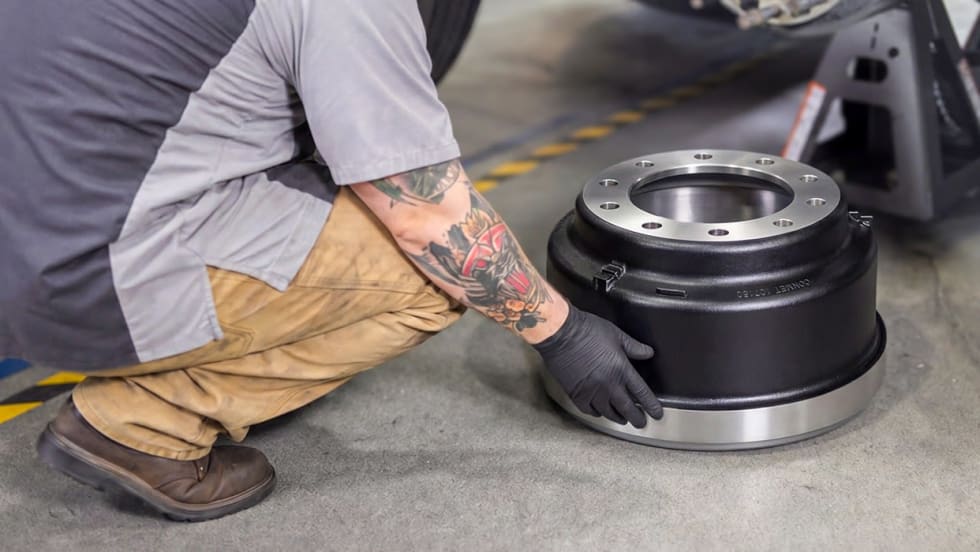
ConMet Expands Aftermarket Brake Drum Lineup With TruCast
A new heavy-duty truck brake drum option in the aftermarket gives customers more flexibility within the ConMet product family.
Read More →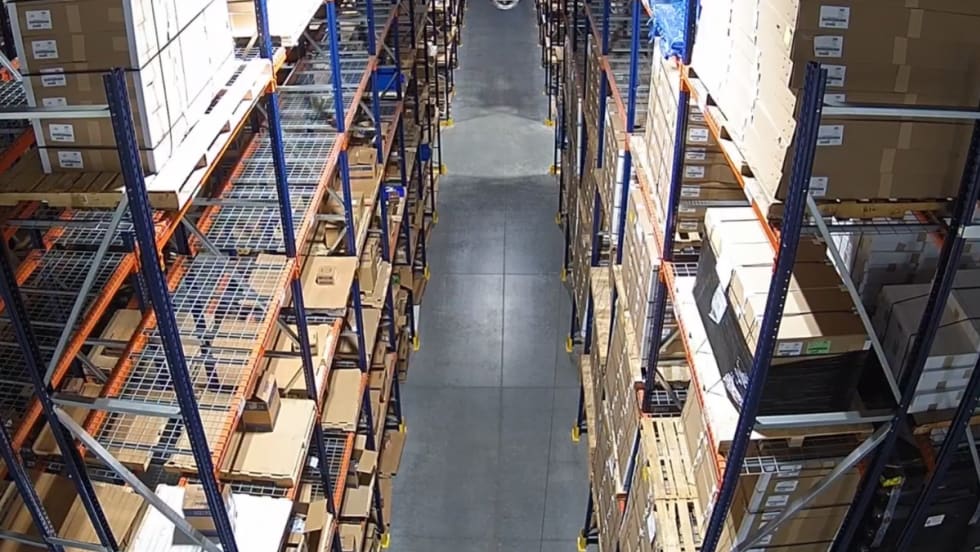
Phillips Opens High-Tech Distribution Center for Faster Parts Delivery
Phillips Industries’ new Cincinnati-area distribution center is now shipping aftermarket trucking parts nationwide, aiming to speed up delivery times for customers.
Read More →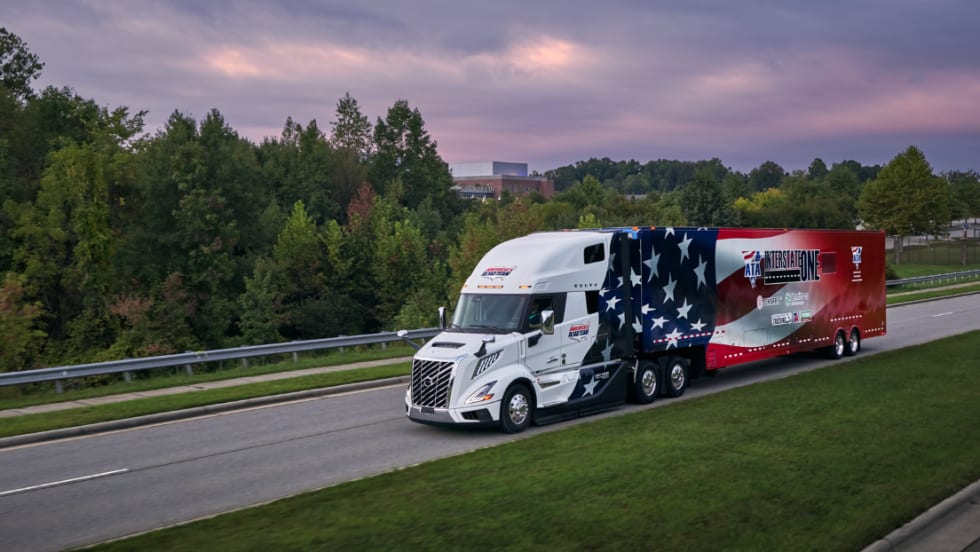
Volvo to Sponsor America’s Road Team for 2025
Volvo Trucks announced that it is extending its exclusive sponsorship of America’s Road Team for 2025.
Read More →
Webb to Start Taking Orders for UltraSet Pre-Adjusted Wheel Hubs
Webb, which recently acquired the Stemco Trifecta pre-adjusted hub program, will soon start taking orders for its replacement pre-assembled hub, the UltraSet.
Read More →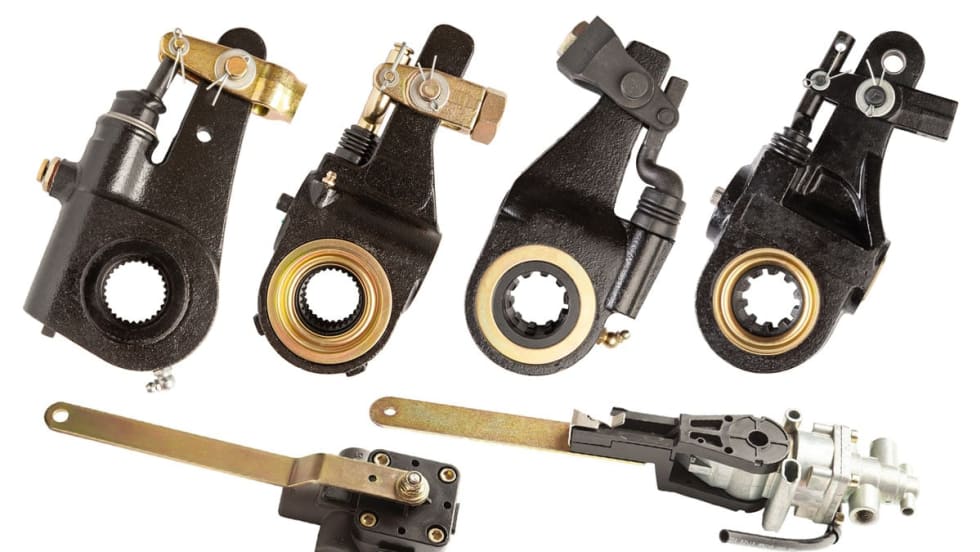
All-Makes Automatic Brake Adjusters, Ride Height Control Valves from Midland
SAF-Holland has added automatic brake adjusters and ride height control valves to its Midland All-Makes Program.
Read More →
ZF Aftermarket Expands [pro]Academy Training
ZF Aftermarket said it is expanding its ZF [pro]Academy training and will be adding 40 new modules this year.
Read More →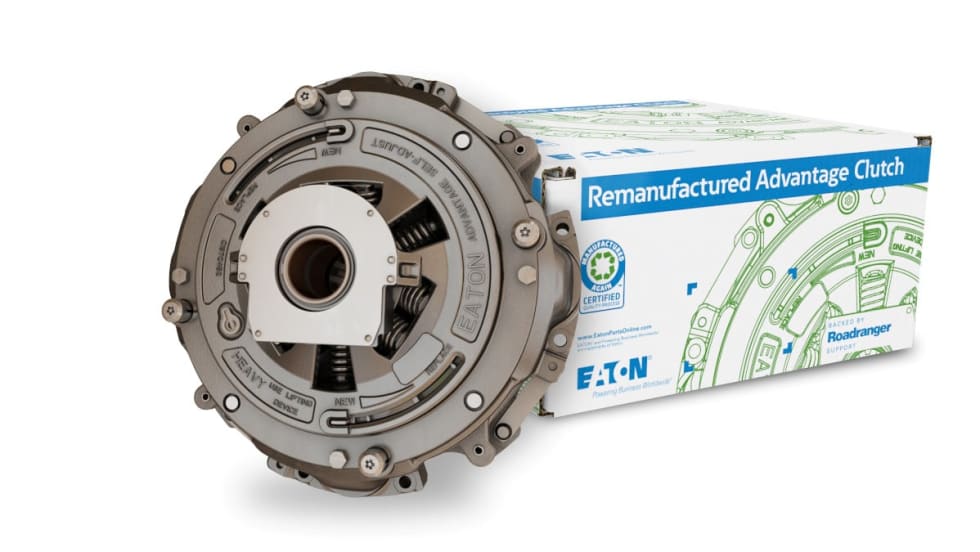
Eaton Adds Remanufactured Advantage Line of Clutches
Eaton has added its Advantage clutches to its remanufactured product line. The clutches feature a unique strap drive intermediate plate designed to allow customers to choose the latest OE specification
Read More →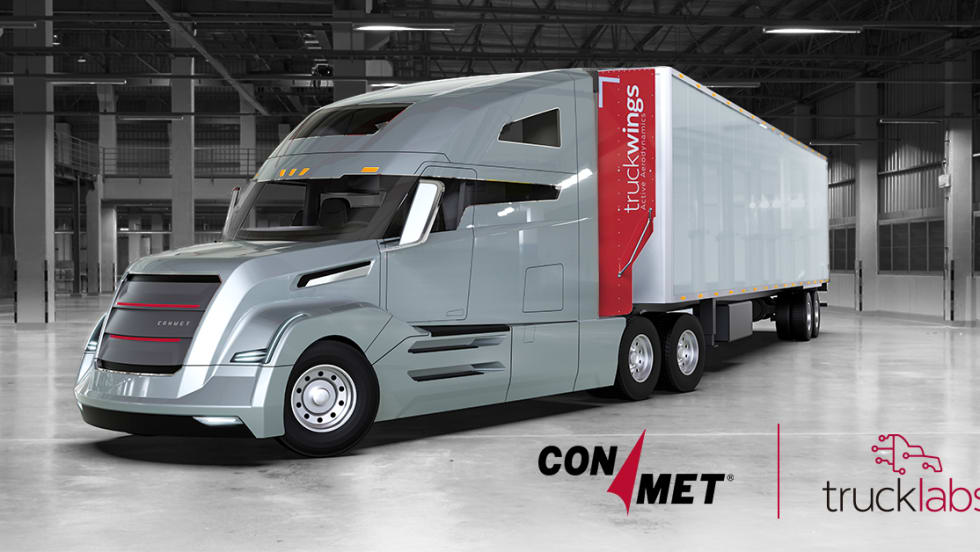
ConMet Acquires TruckLabs, the Creator of TruckWings
Commercial truck and trailer parts provider ConMet acquired TruckLabs, the company that created TruckWings, an aerodynamic device that attaches to truck cabs and deploys to close the gap between truck and trailer. TruckLabs now operates as a subsidiary of ConMet.
Read More →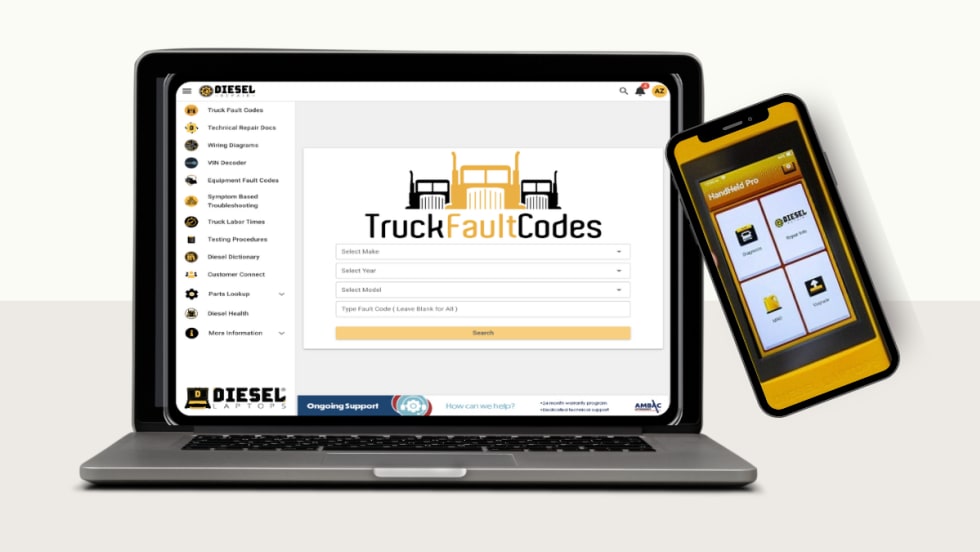
Diesel Laptops Releases Fault-Code-to-Part-Number Tool
Diesel Laptops said its Truck Fault Codes allows users to input a fault code and immediately identify and order the parts needed to complete repair work.
Read More →