




Jan. 6 – Unsafe Mexican trucks are likely coming across the border without being inspected, according to a new audit by the U.S. Department of Transportation, reports the Associated Press.
One crossing, at El Paso, TX, receives an average of 1,300 trucks a day. Federal auditors found that there was only one inspector, and he could look at only 10 to 14 trucks a day. Trucks that aren’t inspected are simply allowed to cross the border into the United States.
Although other crossings did somewhat better, overall, 44% of the Mexican trucks inspected during the 1997 fiscal year were put out of service. That compares to 25% for U.S. trucks and 17% for Canadian trucks.
Lawrence Weintrob, assistant inspector general for auditing at the U.S. DOT, pointed out that unsafe trucks coming into the country from Mexico increases the risk of truck crashes.
The findings are especially worrisome as we pass the five-year anniversary of the North American Free Trade Agreement. Under the terms of NAFTA, commercial trucks are supposed to be able to travel freely among the U.S., Canada and Mexico by Jan. 1, 2000. Cross-border trucking within the U.S. and Mexican border states was supposed to have taken effect in December 1995, but the DOT delayed it indefinitely due to safety concerns and pressure from labor groups. Currently, Mexican truckers are allowed to operate only in commercial zones extending from 3 miles to 20 miles north of the border.
The study also found that California’s inspection program is much better than the ones run by the Federal Highway Administration and other border states.
Truck Inspections Lax At Mexican Border
Jan. 6 – Unsafe Mexican trucks are likely coming across the border without being inspected, according to a new audit by the U.S. Department of Transportation, reports the Associated Press
More Equipment
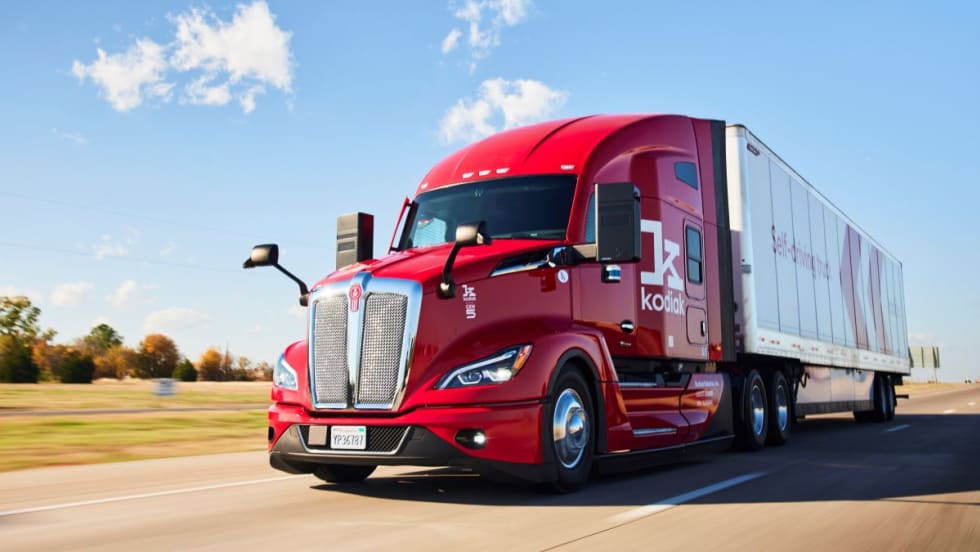
Bosch, Kodiak AI Advance Toward Scaled Production of Autonomous Truck Hardware
New sensor integrations and component validation signal a shift from strategy to execution as Kodiak and Bosch push toward high-volume driverless truck deployment.
Read More →
Great American Trucks: REO
The evolution of the modern truck was a long, slow affair. But perhaps no other company did more to establish the template for what a modern truck should be, and how it should perform, than REO.
Read More →
Western Star Doubles Down on Driver Pride With 2026 Star Nation Experience
Western Star has expanded its operator-focused Star Nation competition and outreach to spotlight skill, attract new drivers, and strengthen industry ties.
Read More →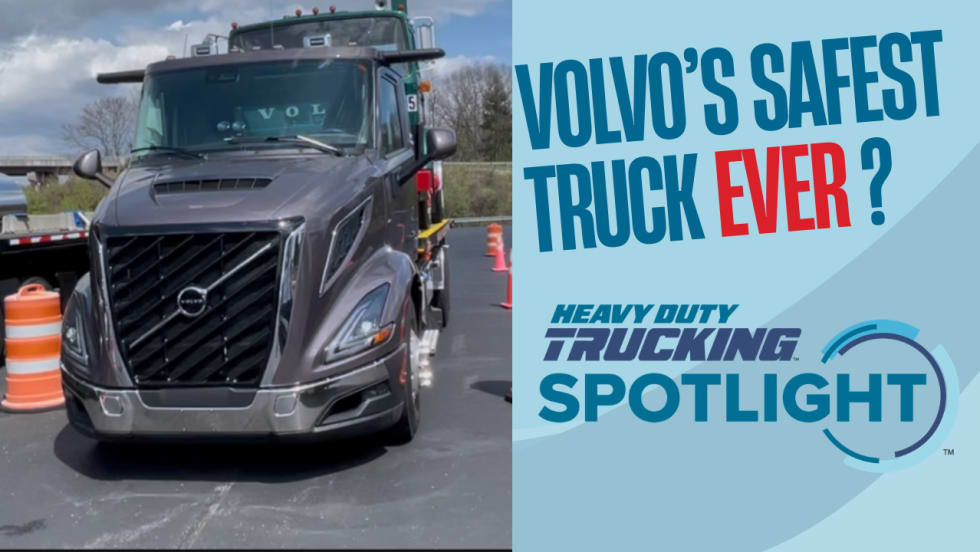
Is the All-New VNR Volvo's Safest Truck Ever?
The all-new Volvo VNR is jam-packed with advanced safety features. Join HDT for a first-hand look at how Volvo is keeping drivers safer and productive on the road.
Read More →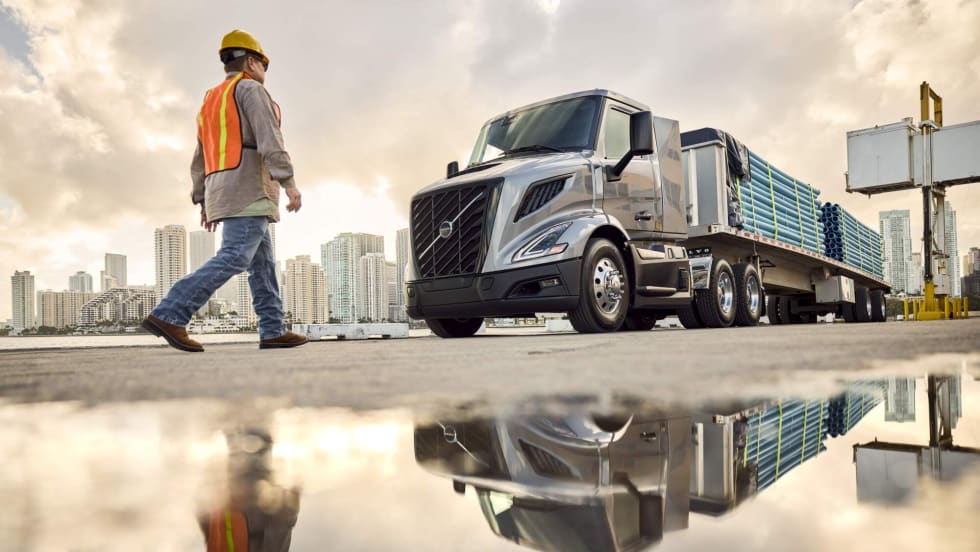
Volvo Redesigns the VNR With Drivers and Tight Turns in Mind
At Volvo’s New River Valley customer center, the all-new VNR proves that maneuverability, safety, and driver confidence can coexist in a regional-haul workhorse.
Read More →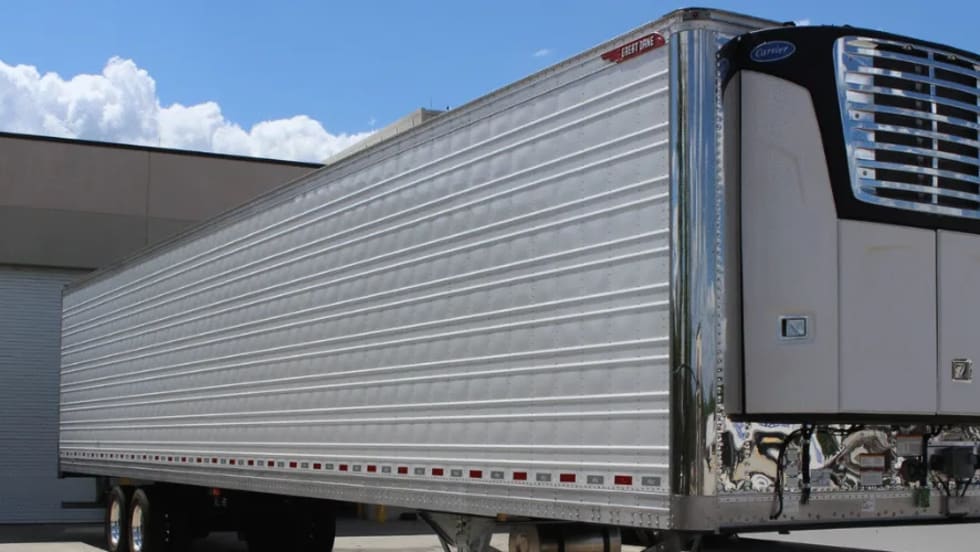
FTR: Trailer Orders Jump in March, but Demand Still Lags
March trailer orders posted an unexpected monthly jump, but demand still trails historical norms as fleets prioritize power units over trailing equipment.
Read More →
Autonomous Start-Up Humble Announces Cabless Autonomous Electric Hauler
A new autonomous truck startup company is targeting yard, port, and short-haul freight with a lighter, fully autonomous platform designed for dock-to-dock moves.
Read More →
Top Green Fleets of 2026: Nomination Deadline Extended
Is your company a leader in sustainability efforts among trucking fleets? If so, Heavy Duty Trucking's editors want to hear from you.
Read More →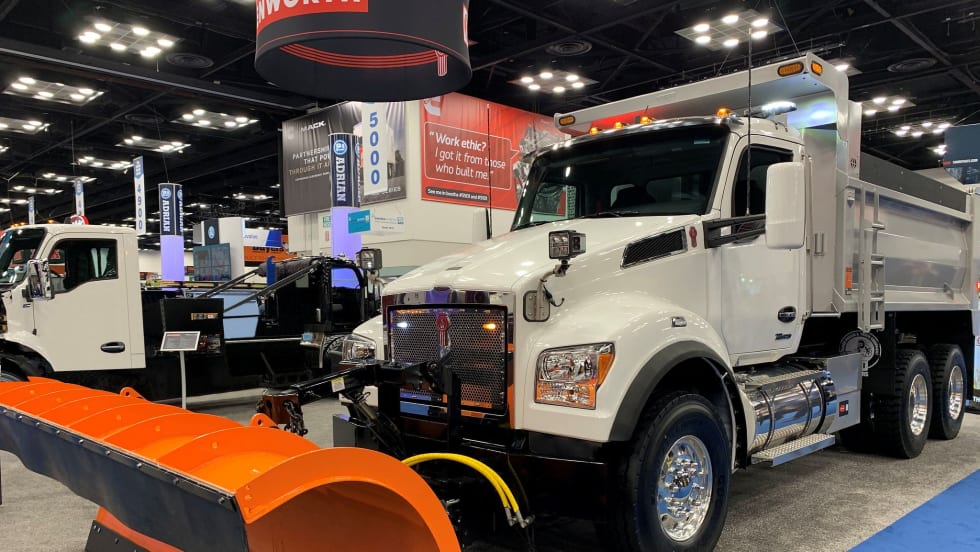
Kenworth Announces Reinforced Front Frame Option for T880 and T880S Models
Kenworth has released a factory-installed reinforced front frame option for T880 models, designed to simplify upfits, cut costs, and speed time to service.
Read More →
Stoughton Rolls Out PureBlue Reefer Trailer, Raises Safety Bar With 40-mph Rear Impact Guard
Stoughton’s new refrigerated trailer platform delivers double-digit efficiency gains while a next-generation rear impact guard exceeds current crash standards.
Read More →