




Related: Trailer Aerodynamics Not Overly Popular, Study Shows
Trailer Orders Are Up but Still Below Last Year’s Levels
Preliminary numbers for U.S. net trailer orders are projected to be up in August after weak order numbers in July, according to ACT Research.
by Staff
September 13, 2016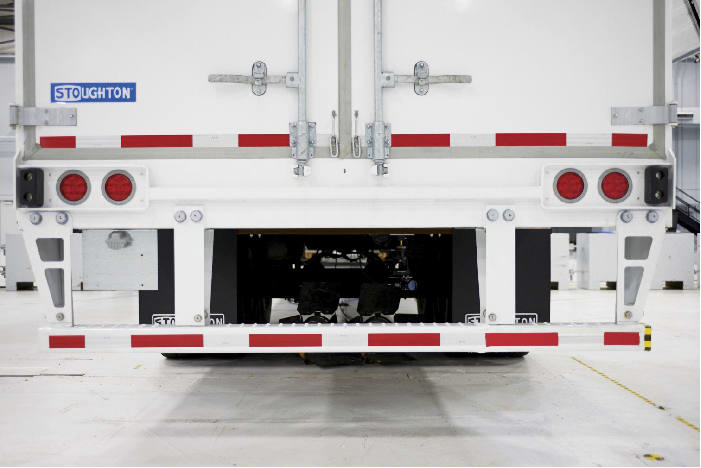
1 min to read
Preliminary numbers for U.S. net trailer orders are projected to be up in August after weak order numbers in July, according to ACT Research.
ACT is projecting trailer orders of 15,300 units, up from a dismal 10,147 orders in July. July was the weakest order month since January 2010 and was down nearly 25% from June.
“Volume rebounded in August after a dramatically weak July,” said Frank Maly, ACT’s director of commercial vehicle transportation analysis and research. “While the 50% month-to-month gain for the industry was certainly welcome news, that progress is somewhat tempered by the year-over-year performance; net orders are down almost 38% versus August 2015.”
While August is typically a modest month for orders, the weak numbers so far compared with last year could indicate that fleets are cautious about committing to new trailer orders into next year.
“Year-over-year performance implies caution by fleets regarding their investment commitments, and likely sets the industry up for a restrained 2016/17 order season,” said Maly. “Initial reports also indicated higher cancellation activity in August, a further indication of shifting fleet intentions.”
Analysts at Stifel Transportation and Logistics expect September orders to increase over August but said they will still fall short of last year’s numbers. Manufacturers will more fully open their order books for 2017 in September to fleets.
More Equipment
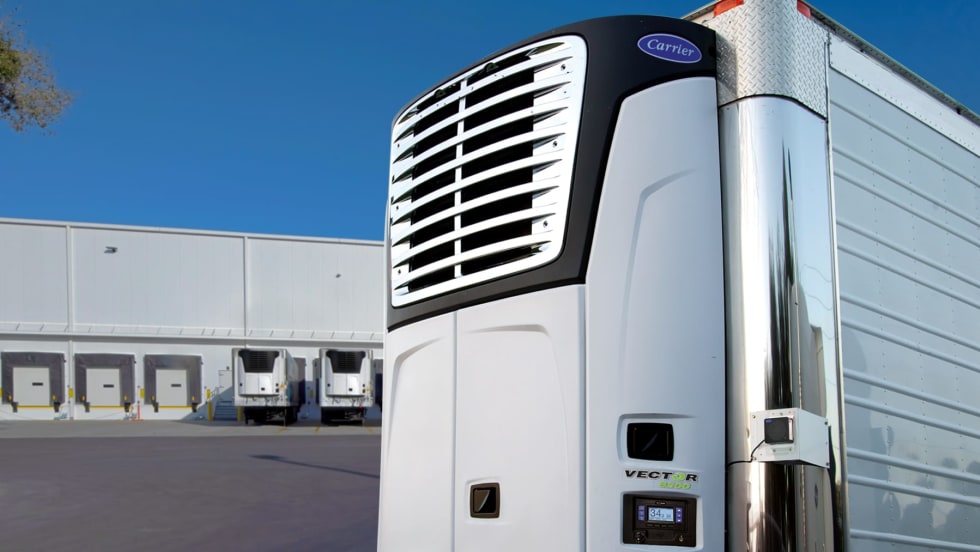
Carrier Transicold Adds All-Electric TRU for Stationary Cold Storage
Carrier Transicold’s new Vector 8200 all-electric transport refrigeration unit gives fleets a diesel-free option for temporary refrigerated and frozen trailer storage.
Read More →
A Closer Look at Kenworth’s Electric T880E Vocational Truck
Learn more about Kenworth's T880E battery-electric vocational truck at the Paccar Technical Center, including its range, applications, upfitting considerations, and PTO options.
Read More →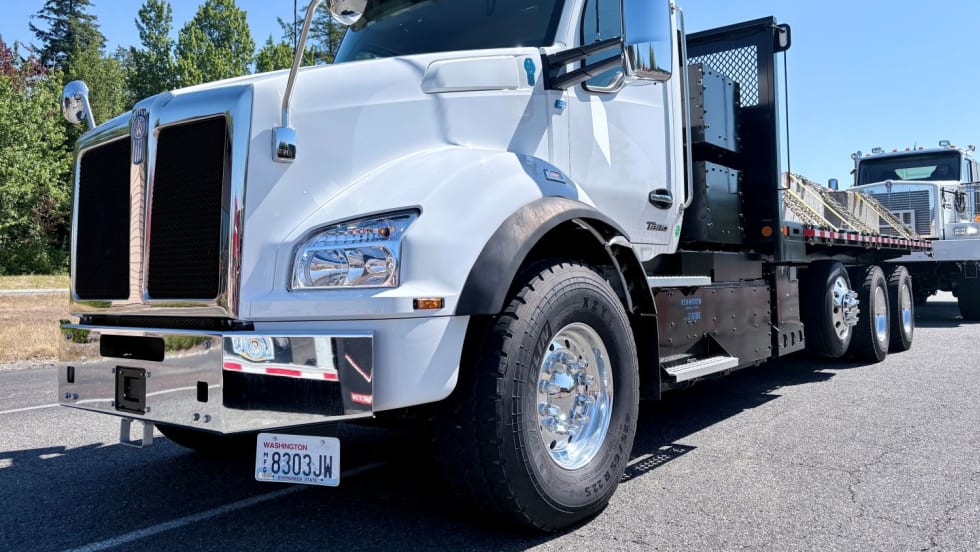
Kenworth T880E Brings EV Power to Vocational Trucks
A closer look at the Kenworth T880E’s range, charging, powertrain and upfit options — and where fleets are showing the most interest.
Read More →
What the U.S.-Canada Trade War Means for Trucking
Escalating U.S.-Canada tariffs could disrupt cross-border freight, reduce truck volumes, raise costs, and create new uncertainty for carriers on both sides of the border.
Read More →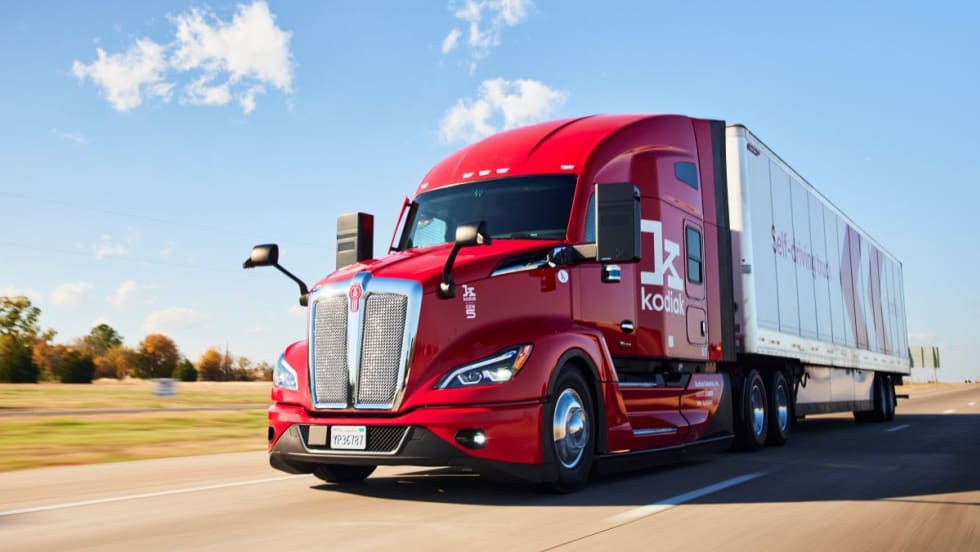
Autonomous Truck Testing Moves Ahead in California as Teamsters Challenge Rules
California has begun permitting heavy-duty autonomous truck testing, with Aurora and Kodiak among the first to receive approval, as the Teamsters sue the DMV over the new regulations.
Read More →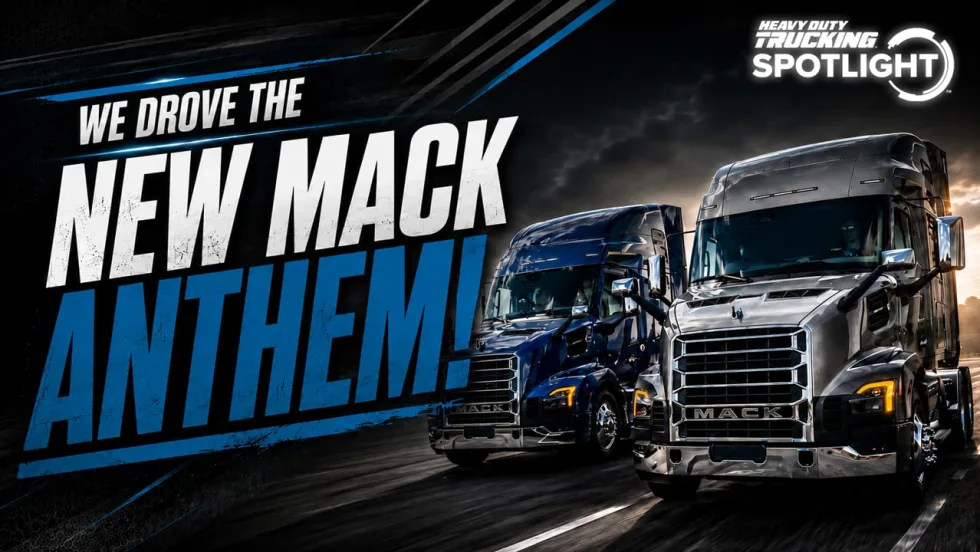
Behind the Wheel of the New Mack Anthem [Video]
HDT takes the new Mack Anthem around Mack’s Pennsylvania test track to see how its driver-focused design, technology, visibility and handling perform from behind the wheel.
Read More →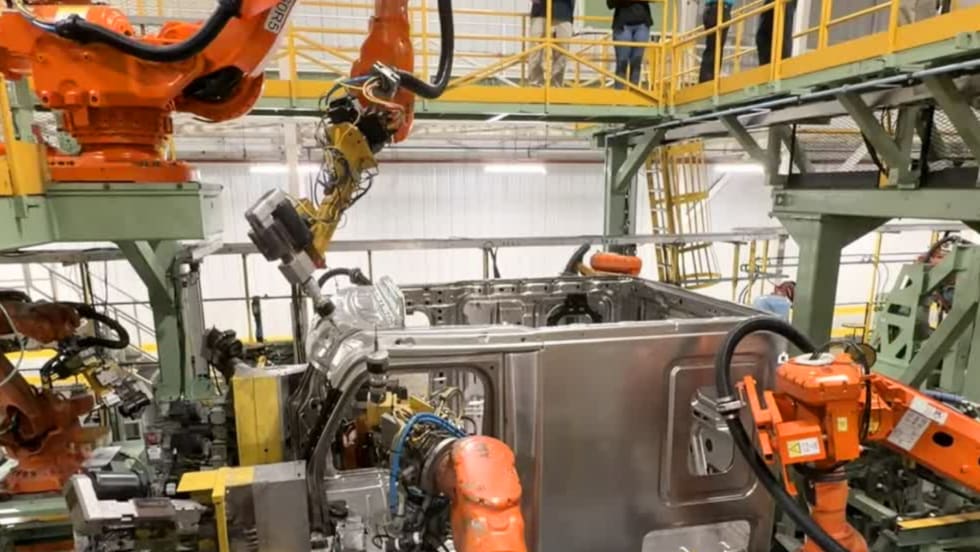
DTNA Plans New U.S. Truck Plant as Manufacturing Footprint Shifts
Daimler Truck North America is evaluating sites for a new assembly plant expected to open in 2029 while winding down operations at its longtime Portland manufacturing facility.
Read More →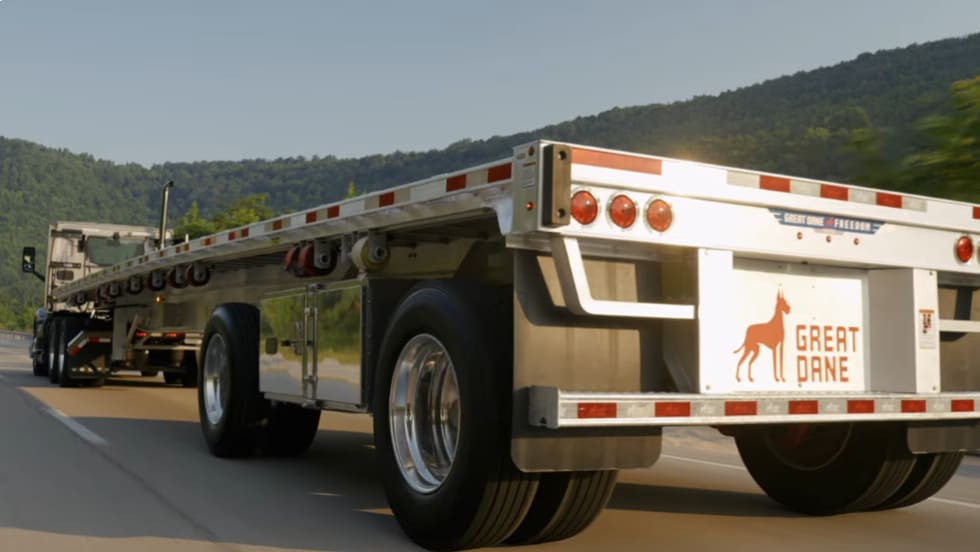
Great Dane Flatbed Trailer Offers Light Weight and Strength
Freedom Ultra is designed for a wide range of open-deck applications, including building materials, lumber, machinery, steel products, industrial freight, and coil hauling.
Read More →
What It's Like Inside this Custom 2025 Peterbilt 589?
Take a driver's-eye tour of this customized 2025 Peterbilt 589 in this video, as longtime driver Ingrid Brown explains its features, compares it to previous models, and shares plenty of personality along the way.
Read More →
Drivers Put Western Star Trucks to the Test at Star Nation Experience
Watch to get an inside look at the Western Star trucks, technology, and community behind the Star Nation Experience 2026!
Read More →