




Toyota Transport Testing First CNG Car Hauler
Toyota Transport, the automaker’s in-house vehicle transportation trucking company, added its first car hauler that runs on compressed natural gas (CNG).
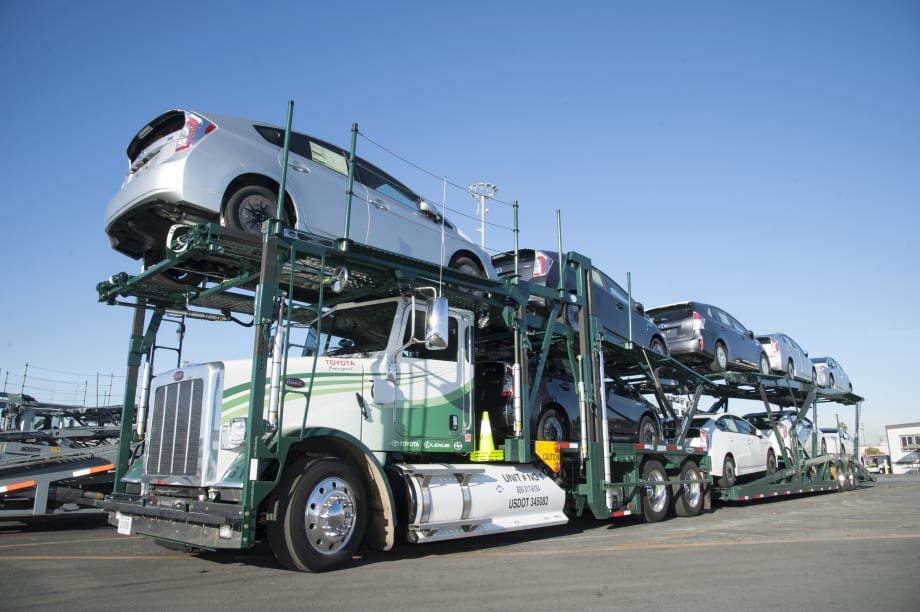
Photo courtesy of Toyota.

Toyota Transport, the automaker’s in-house vehicle transportation trucking company, added its first car hauler that runs on compressed natural gas (CNG). The Long Beach, Calif.-based truck and trailer emits 85% less overall particulate matter and 10% less carbon dioxide than its diesel-powered counterpart.
The CNG truck was commissioned by Toyota and designed and built in collaboration with Peterbilt and Cottrell, Inc., the truck and trailer manufacturers.
The placement of alternate fuel tanks presented a challenge for car haulers utilizing a nine-car trailer with an over-the-cab head rack. Working with Toyota, Peterbilt and Cottrell were able to create a tractor-and-trailer combination that accommodated alternate fuel tanks, without compromising the extra vehicle hauling space of the head rack. This marks the first full car hauler trailer with head rack that Cottrell has manufactured onto a CNG truck.
Toyota Transport’s southern California vehicle delivery operations in Long Beach and Mira Loma have 32 trucks in service, and the group delivers approximately 200,000 vehicles annually. Most of its car haulers average more than 100,000 miles per year. With plans to deploy the truck out of Long Beach as a test, the company will evaluate the performance as well as compare the efficiency versus the current diesel trucks. The CNG truck is expected to drive an average of 7,000 to 8,000 miles per month.
The purchase of the truck advances Toyota’s own environmental endeavors and efforts in its support of the Environmental Protection Agency (EPA) SmartWay program, the public-private initiative to reduce greenhouse gas emissions and air pollution created by freight transportation in corporate supply chains.
More Fleet Management
How Innovative Trucking Leaders Turn Change Into an Advantage
As the pace of change accelerates in trucking, the fleets that adapt best have more than the latest technology. They have cultures that embrace improvement.
Read More →
Freight Broker Bonds Just Got Harder to Get. Here's What That Means for Your Fleet.
When it gets harder for a freight broker to prove they are financially sound, the ones who cannot clear that bar get pushed out of the market. And those are exactly the brokers who used to leave motor carriers holding the bag.
Read More →
Long-Awaited Canadian Border Bridge to Open in Detroit
For trucking, the bridge opening should offer immediate improvements in efficiency and reliability, with new customs facilities, expanded inspection capacity, and direct freeway-to-freeway connections.
Read More →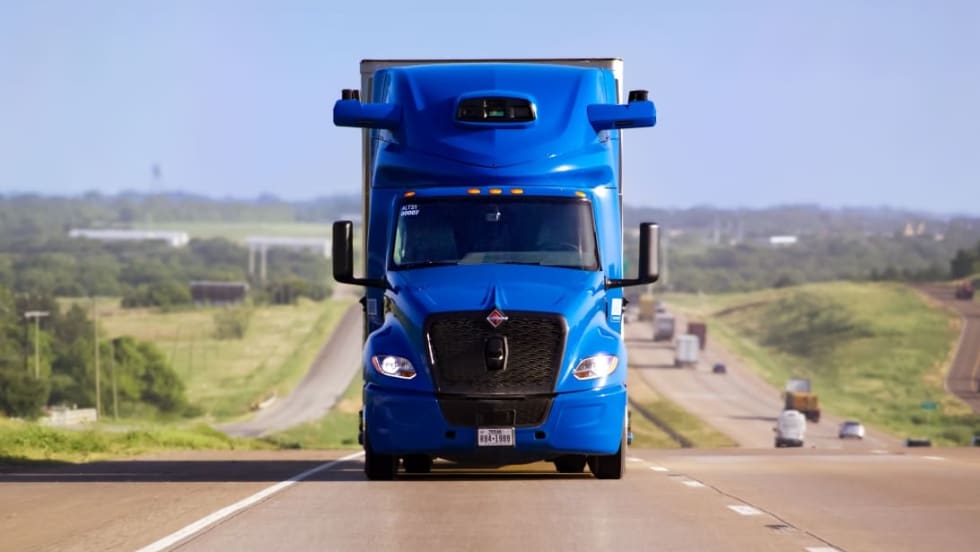
Aurora Rolls Out Next Generation of Driverless Trucks for Commercial Freight
Aurora's latest autonomous trucks it's rolling out with International feature lower-cost hardware designed for a million miles as the company expands commercial driverless freight operations across the U.S. Sun Belt.
Read More →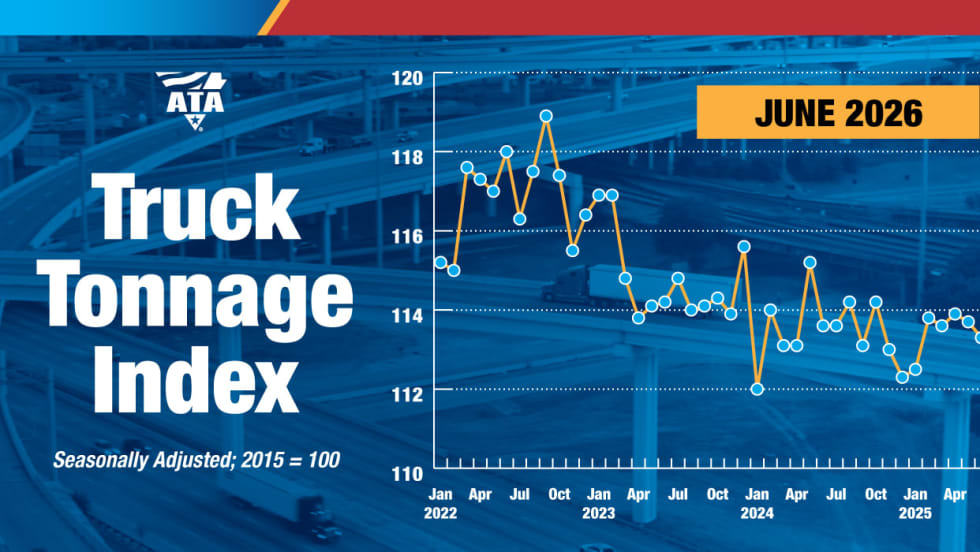
Freight Tonnage Down, Rates up, as Lower Capacity Powers Trucking Recovery
The recovery from the freight recession continues to be driven by reduction in capacity rather than by increased demand.
Read More →
Think Your Trucking Fleet Isn't Using Much AI? Think Again
Shadow AI — the use of unauthorized artificial intelligence tools at work — is becoming increasingly common, putting sensitive company data at risk. Learn how trucking fleets can protect sensitive data while embracing AI.
Read More →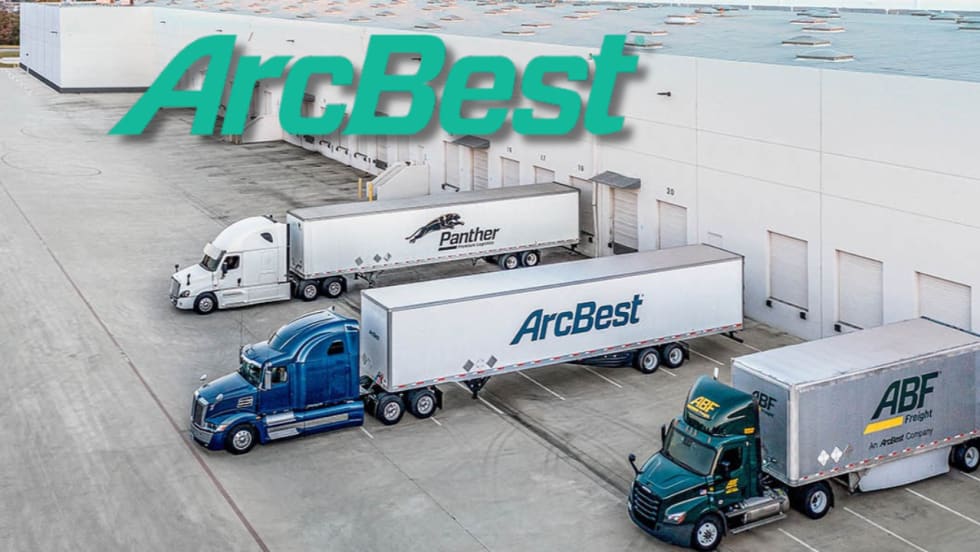
ArcBest Consolidates Brands, Cuts Workforce
The company will bring three business units under the ArcBest brand, eliminate about 2% of positions, and expects the changes to generate $40 million in annual savings.
Read More →
Trucking Fleets Faced Record Operating Costs During Third Year of Freight Recession
ATRI's annual operational cost report shows carriers trimmed fleets, delayed equipment purchases, and ran older trucks as expenses continued to outpace freight rates.
Read More →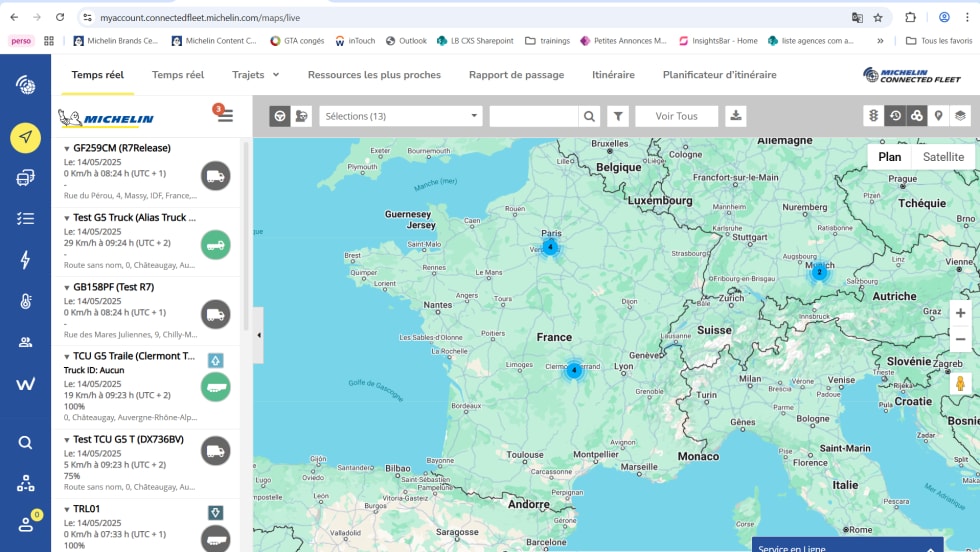
Michelin Adds AI Assistant to MyConnectedFleet Platform
Michelin’s new generative AI tool delivers instant fleet insights, helping managers analyze fuel use, tire maintenance, vehicle status, and operational performance without manually creating reports.
Read More →
LytxOne Platform Now Features AI, Compliance, and Asset Tracking Tools
New enhancements add AI-powered insights, asset tracking, compliance automation, and configurable privacy controls to Lytx's all-in-one fleet management platform.
Read More →