




Top 10 Trucking Stories and Trends from 2012, Part 4
As we begin 2013, it's a good time to look back on 2012 at some of the biggest trucking stories and trends. Here are our picks for the top two stories of the year
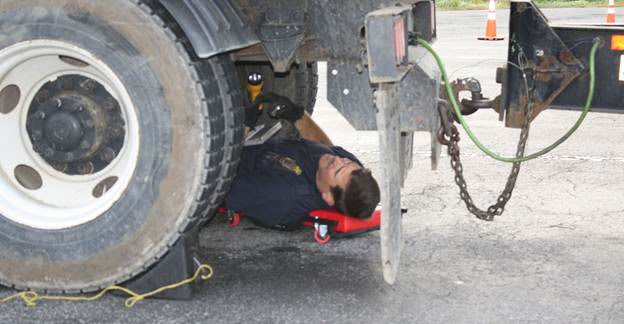
As we begin 2013, it's a good time to look back on 2012 at some of the biggest trucking stories and trends. Here are our picks for the top two stories of the year:
Congress finally agreed on a highway bill, though not the traditional six-year funding mechanism.
The agreement dodged the all-important question of how to secure long-term reinvestment in surface transportation, but it did continue the highway program at current funding levels. To get there, Congress had to overcome a push by conservative Republicans in the House to cut spending by about a third to levels that could be supported by the Highway Trust Fund alone, and the Senate had to cobble together a one-time package of funding transfers to make up the difference.
The bill, Moving Ahead for Progress in the 21st Century, or MAP-21, funds transportation programs through September 2014. It holds transportation spending at current levels, authorizing $101.3 billion for highways and transit over the next 27 months.
The agreement lays the groundwork for the first national freight policy. It includes a number of trucking provisions, including mandatory electronic onboard recorders to track driver logs, a study of the 34-hour restart provision, a study of size and weight limits. It gives FMCSA legal authority for a range of initiatives, many of which already are under way.
"This measure includes historic reforms -- cutting red tape and consolidating or eliminating nearly 70 federal programs," said Transportation and Infrastructure Committee Chairman John Mica, R-Fla., in a statement.
In the two years it has been up and running, the Federal Motor Carrier Safety Administration's Compliance, Safety, Accountability program has demonstrated many flaws and shortcomings, notes Washington Editor Oliver B. Patton in our January 2013 cover story. But the program is credited with shining a brighter light on truck safety.
CSA literally has changed the way carriers do business, says Dave Heller, director of safety and policy for the Truckload Carriers Association. It has put safety to the forefront, much more than it ever has been before.
FMCSA announced changes in its SMS (Safety Management System) in December that address some of the previous complaints, including an over-emphasis on open-deck cargo securement. It dropped the Cargo-Related BASIC and added a new Hazardous Materials BASIC that is expected to put more scrutiny on carriers hauling hazmat.
However, the list of CSA problems remains long and daunting. Ask practically anyone in trucking whats the biggest problem with the program, and the answer comes back quickly: CSA does not account for fault in crashes. The safety advocacy community has a different perspective, saying carriers are putting too much emphasis on accountability.
The accountability issue is just the start of the list of complaints, including:
- The system does not touch enough carriers.
- The data does not accurately reflect crash risk.
- There are disparities in how the states collect and report the data that goes into the system.
- FMCSA has not been candid about the systems limitations.
- The process for correcting the data, called DataQs, is cumbersome and unreliable.
- Shippers are misusing CSA data in their carrier selection process.
Read more about CSA in the January 2013 issue of HDT.
More Aftermarket
What Three Fleets Are Doing Differently When Buying Truck Parts in 2026
With freight improving but costs still climbing, fleet maintenance executives explain how they're balancing price, quality, and supplier relationships.
Read More →
ConMet Expands Aftermarket Brake Drum Lineup With TruCast
A new heavy-duty truck brake drum option in the aftermarket gives customers more flexibility within the ConMet product family.
Read More →
Phillips Opens High-Tech Distribution Center for Faster Parts Delivery
Phillips Industries’ new Cincinnati-area distribution center is now shipping aftermarket trucking parts nationwide, aiming to speed up delivery times for customers.
Read More →
Volvo to Sponsor America’s Road Team for 2025
Volvo Trucks announced that it is extending its exclusive sponsorship of America’s Road Team for 2025.
Read More →
Webb to Start Taking Orders for UltraSet Pre-Adjusted Wheel Hubs
Webb, which recently acquired the Stemco Trifecta pre-adjusted hub program, will soon start taking orders for its replacement pre-assembled hub, the UltraSet.
Read More →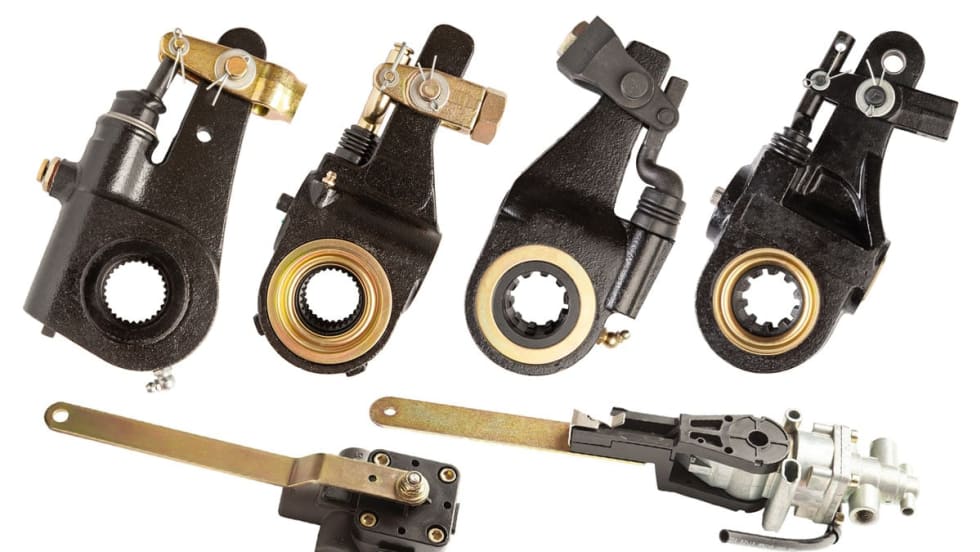
All-Makes Automatic Brake Adjusters, Ride Height Control Valves from Midland
SAF-Holland has added automatic brake adjusters and ride height control valves to its Midland All-Makes Program.
Read More →
ZF Aftermarket Expands [pro]Academy Training
ZF Aftermarket said it is expanding its ZF [pro]Academy training and will be adding 40 new modules this year.
Read More →
Eaton Adds Remanufactured Advantage Line of Clutches
Eaton has added its Advantage clutches to its remanufactured product line. The clutches feature a unique strap drive intermediate plate designed to allow customers to choose the latest OE specification
Read More →
ConMet Acquires TruckLabs, the Creator of TruckWings
Commercial truck and trailer parts provider ConMet acquired TruckLabs, the company that created TruckWings, an aerodynamic device that attaches to truck cabs and deploys to close the gap between truck and trailer. TruckLabs now operates as a subsidiary of ConMet.
Read More →
Diesel Laptops Releases Fault-Code-to-Part-Number Tool
Diesel Laptops said its Truck Fault Codes allows users to input a fault code and immediately identify and order the parts needed to complete repair work.
Read More →