




Thousands Of Big Rigs Assist In Oak Ridge Lab Research
Researchers from Oak Ridge National Laboratory (ORNL) expect that 25,000 big rigs rumbling through Knoxville, Tenn., every day will help them get a better handle on real-world emissions and their effects on the environment
Researchers from Oak Ridge National Laboratory (ORNL) expect that 25,000 big rigs rumbling through Knoxville, Tenn., every day will help them get a better handle on real-world emissions and their effects on the environment.
Two meteorological stations are operational and other equipment will be added as researchers from the Department of Energy's ORNL and the University of Tennessee work to develop a national resource. When complete, the instrumentation at Watt Road and Interstate 40 would create a world-class field lab devoted to answering a multitude of questions.
"We'd like to determine, for example, whether the stricter emission regulations for trucks are achieving actual benefits to the environment," said Ralph McGill, who heads the project and is a researcher in ORNL's Engineering Science and Technology Division. "In the immediate future, though, we're hoping to learn more about truck emissions during different operating conditions -- all remotely so we won't interfere with traffic flow."
Large trucks are of particular interest, McGill said, because they are responsible for 40% of nitrogen oxide emissions and about 60% of particulate matter emissions from mobile sources. Their emissions vary according to a truck's load, speed and acceleration, yet only sparse data exist that quantify differences in emissions between the many modes of operation.
"A further complication is that engines are certified rather than particular vehicles," said Katey Lenox of ORNL's Engineering Science and Technology Division. "So we really don't know what that engine is doing under real-world conditions."
As a class of vehicle, "combination trucks," or those designed to be used in combination with one or more trailers, numbered nearly 2.1 million in 2001 and were driven an average of 62,860 miles, or, collectively, 135 billion miles.
Passenger cars, light trucks and vans numbered 222 million and were driven 2.5 trillion miles for an average of 11,500 miles per vehicle per year.
The field laboratory would extend 2.5 miles eastward along the valley from the Watt Road-Interstate 40 interchange to a weigh station at the top of a ridge. This section of the interstate is one of the country's most heavily traveled highways because it is where three major interstate highways converge on a 20-mile stretch through Knoxville. The area of the field lab is also home to three large truckstops, a trucking company terminal and other trucking industry-related facilities. In addition to the two existing meteorological towers, researchers plan to install equipment to measure nitrogen oxide and particulate matter emissions as trucks pass. Researchers envision using a stepped FM-AM lidar--LIght Detection And Ranging--technique to detect particulate matter and ultraviolet absorption to detect nitrogen oxide emissions.
While these techniques will provide concentrations of emissions from trucks, researchers will use roadside mounted panels to perform magnetic probing and sensing. This will enable them to calculate emissions for an individual truck on a gram-per-mile basis.
"By performing what's called a sound signature analysis, we'll be able to determine each truck's operating condition, including engine speed, turbine speed and the number of cylinders," Lenox said.
Faster, inexpensive instruments eventually will allow researchers to set up arrays capable of measuring more of an exhaust plume rather than just examining one slice, as will be necessary in the beginning. Later, with a suite of detectors and instruments at the site, researchers hope to attract researchers from across the country and make a major contribution to understanding truck emissions.
"This is a major undertaking, and to be successful we'll need help from the state, truckstop operators and many others," McGill said. "Ultimately, the data we're able to collect and analyze will be well worth the effort."
Funding for the project initially was provided through the Laboratory Directed Research and Development program, which is funded by DOE. Tennessee's State Partnership Program financed acquisition and installation of the two meteorological towers. Researchers are seeking additional funding to continue the project and to increase the scope of work.
More Aftermarket
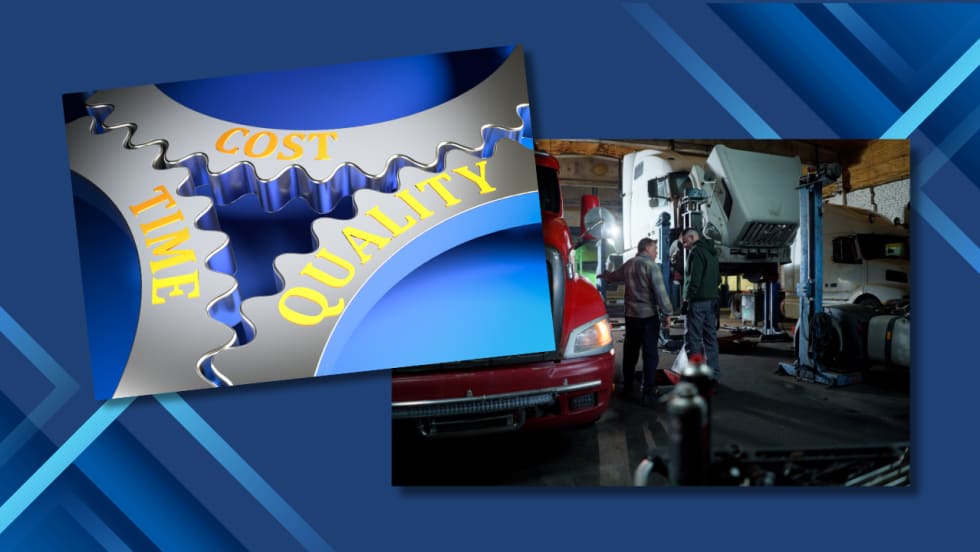
What Three Fleets Are Doing Differently When Buying Truck Parts in 2026
With freight improving but costs still climbing, fleet maintenance executives explain how they're balancing price, quality, and supplier relationships.
Read More →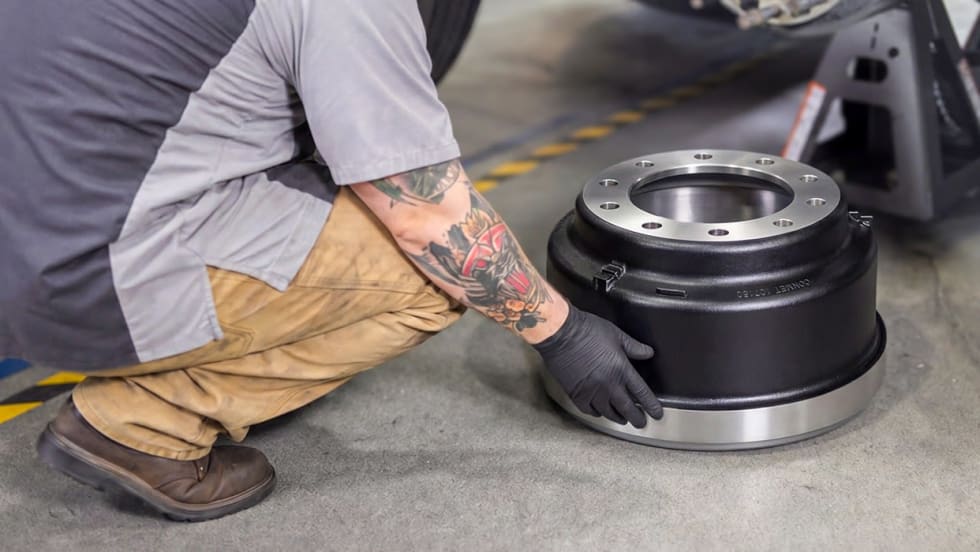
ConMet Expands Aftermarket Brake Drum Lineup With TruCast
A new heavy-duty truck brake drum option in the aftermarket gives customers more flexibility within the ConMet product family.
Read More →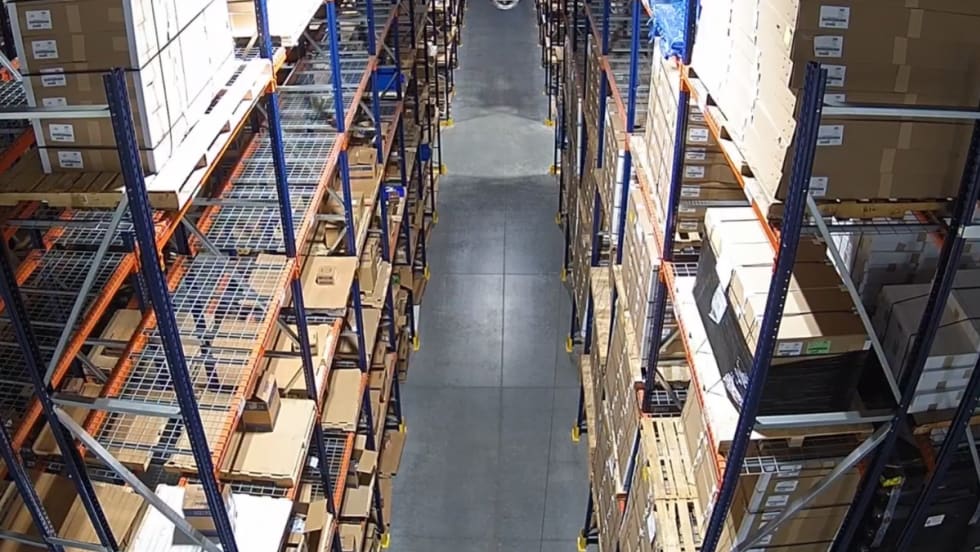
Phillips Opens High-Tech Distribution Center for Faster Parts Delivery
Phillips Industries’ new Cincinnati-area distribution center is now shipping aftermarket trucking parts nationwide, aiming to speed up delivery times for customers.
Read More →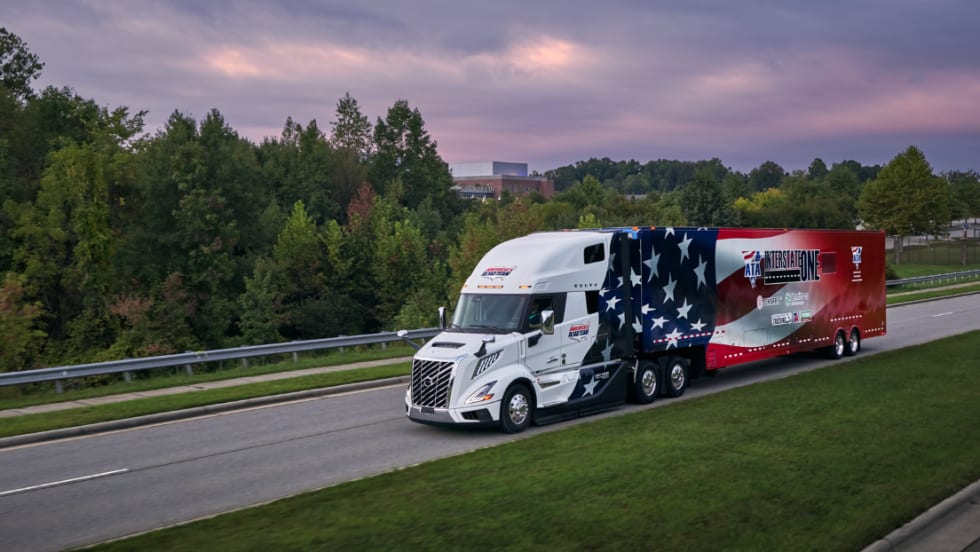
Volvo to Sponsor America’s Road Team for 2025
Volvo Trucks announced that it is extending its exclusive sponsorship of America’s Road Team for 2025.
Read More →
Webb to Start Taking Orders for UltraSet Pre-Adjusted Wheel Hubs
Webb, which recently acquired the Stemco Trifecta pre-adjusted hub program, will soon start taking orders for its replacement pre-assembled hub, the UltraSet.
Read More →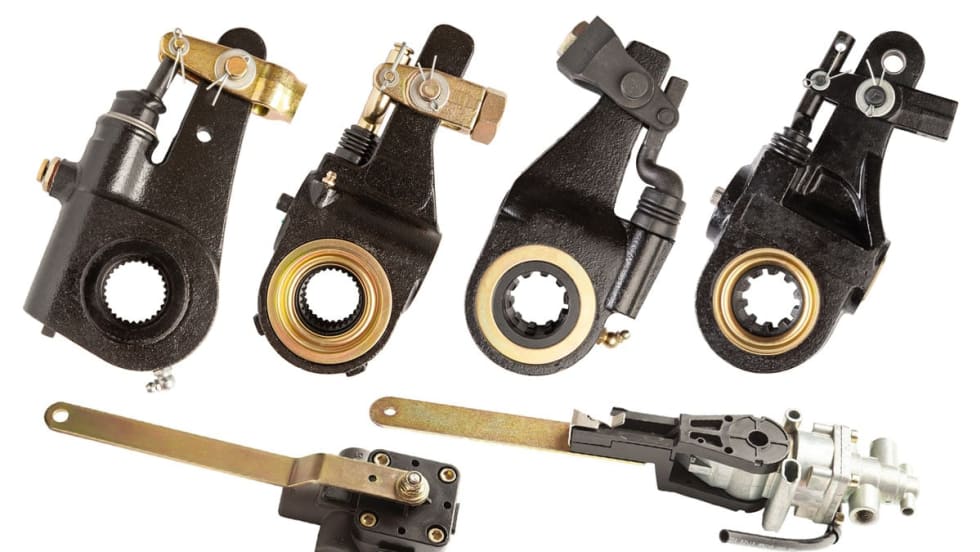
All-Makes Automatic Brake Adjusters, Ride Height Control Valves from Midland
SAF-Holland has added automatic brake adjusters and ride height control valves to its Midland All-Makes Program.
Read More →
ZF Aftermarket Expands [pro]Academy Training
ZF Aftermarket said it is expanding its ZF [pro]Academy training and will be adding 40 new modules this year.
Read More →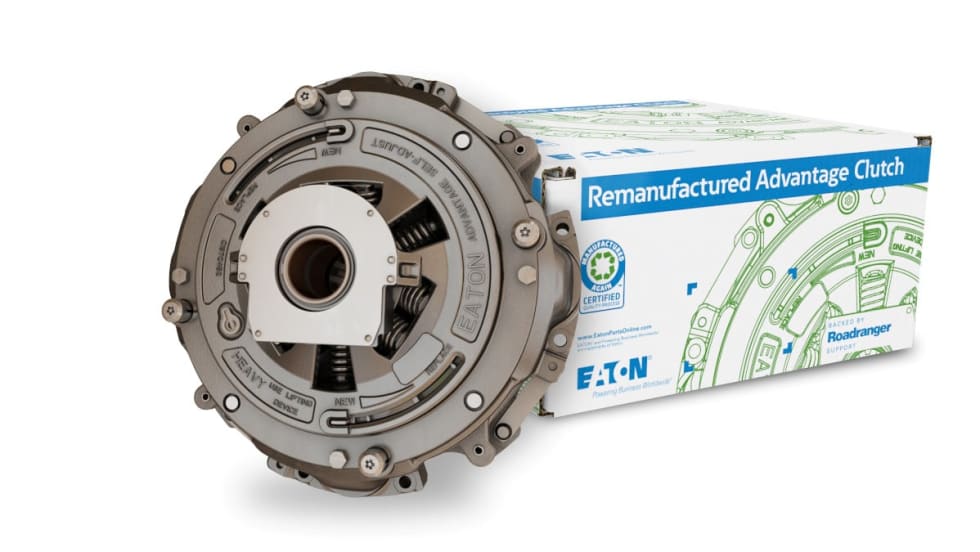
Eaton Adds Remanufactured Advantage Line of Clutches
Eaton has added its Advantage clutches to its remanufactured product line. The clutches feature a unique strap drive intermediate plate designed to allow customers to choose the latest OE specification
Read More →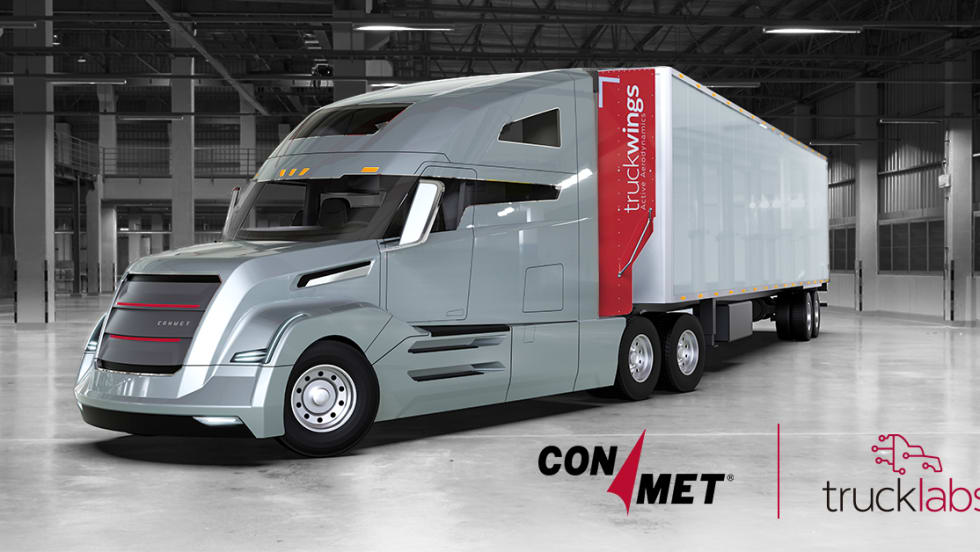
ConMet Acquires TruckLabs, the Creator of TruckWings
Commercial truck and trailer parts provider ConMet acquired TruckLabs, the company that created TruckWings, an aerodynamic device that attaches to truck cabs and deploys to close the gap between truck and trailer. TruckLabs now operates as a subsidiary of ConMet.
Read More →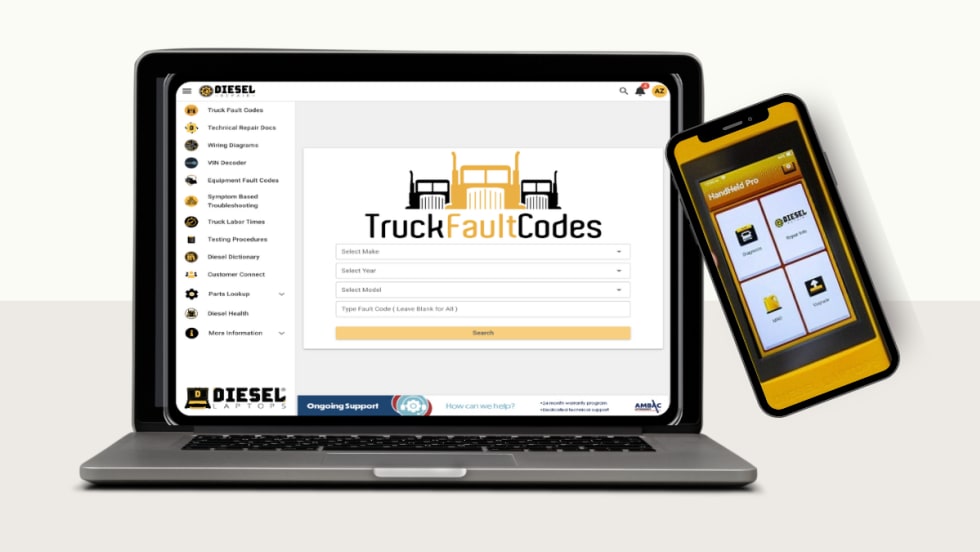
Diesel Laptops Releases Fault-Code-to-Part-Number Tool
Diesel Laptops said its Truck Fault Codes allows users to input a fault code and immediately identify and order the parts needed to complete repair work.
Read More →