




Texas Governor Reverses Truck Inspection Plan After Backlash
Texas Gov. Greg Abbott’s April 6 order to increase inspections at Texas ports of entry left trucks facing extreme delays and dropped commercial traffic by as much as 60%.

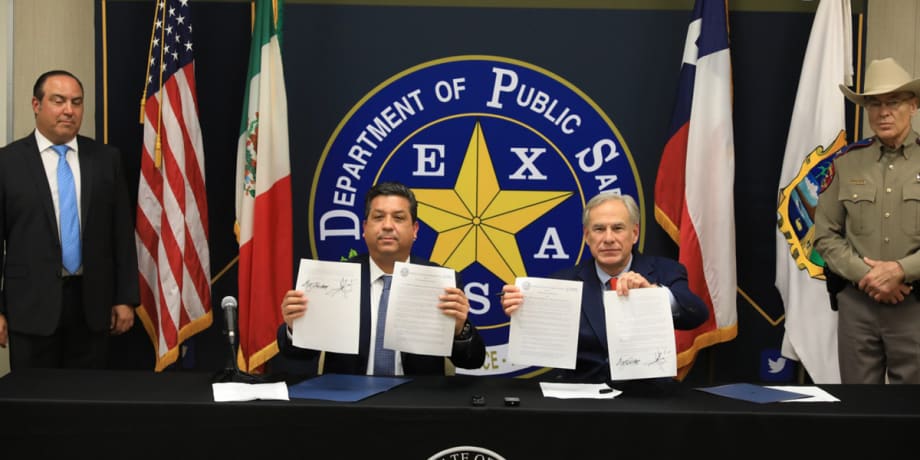
On April 15, Texas Gov. Greg Abbott signed an memorandum of understanding with the Tamaulipas governor to enhance border security measures in the Mexican state and improve the flow of traffic across the international bridge.
Photo: Texas Gov. Greg Abbott
After trucks were facing delays exceeding 5 hours at some Texas-Mexico border crossings and commercial traffic dropped by as much as 60%, Texas Gov. Greg Abbott last week decided to walk back an order he made earlier this month to increase inspections at the Mexican border.
On April 15, after a week of backlash from local businesses and the trucking industry, Abbott signed an memorandum of understanding with the Tamaulipas governor to enhance border security measures in the Mexican state and improve the flow of traffic across the international bridge. He also signed similar agreements with three other neighboring Mexican states.
Just signed a border security agreement with Gov. @fgcabezadevaca of Tamaulipas.
In light of Biden ending Title 42, Texas has reached border security agreements w/ ALL neighboring Mexican states.
We will not tolerate the endless stream of illegal immigrants crossing the border. pic.twitter.com/Sz4zRgkaSw— Greg Abbott (@GregAbbott_TX) April 15, 2022
The original April 6 order was part of a plan to tighten security at the southern border as the Biden administration worked to end a pandemic-related emergency health order that allowed federal officials to turn away migrants, even those seeking asylum.
While the Texas Trucking Association said it supports Abbott’s general commitment to secure the border and enhance highway safety, that initiative duplicated existing screening efforts and led to significant congestion, delaying the products Americans rely on from Mexico and worsening supply chain challenges.
“Motor carriers who are constantly subject to multiple layers of scrutiny at the border have a higher level of compliance and raise the compliance average for the entire state of Texas,” TXTA officials said in a written statement. “It is an unfortunate reality that these new and additional layers of screening efforts at the border yield little impact on the state’s highest motor carrier safety risks, while adding significant congestion to the border commerce.”
The Biden administration’s official statement also called the inspections of trucks transiting ports of entry between Texas and Mexico, unnecessary and redundant. The administration said it has caused “significant disruptions to the food and automobile supply chains, delaying manufacturing, impacting jobs, and raising prices for families in Texas and across the country.”
CFI said in an internal email on April 13 that while the Laredo port of entry had not reported official inspections, the overflow from diverted traffic from the Columbia bridge crossing caused delays longer than normal crossing times. At other ports of entry, CFI noted the inspections were causing delays of more than 24 hours.
The port of El Paso, for example, reported protests on the Mexican side with road blockages preventing border crossings, according to the email. CFI officials also warned of large backlog of trailers in Nuevo Laredo and all other ports of entry to the U.S.
CNN reported that some trucks waited up to 30 hours to cross the border.
“As delays increase at the border, deliveries are postponed or cancelled, perishable goods spoil, and grocery and retail store shelves begin to empty,” TXTA officials wrote. “Exports in Texas also await empty trucks on the Mexican side of the border and the lost revenue due to these delays will be felt by consumers as the price of goods increase across the country.”
More Fleet Management
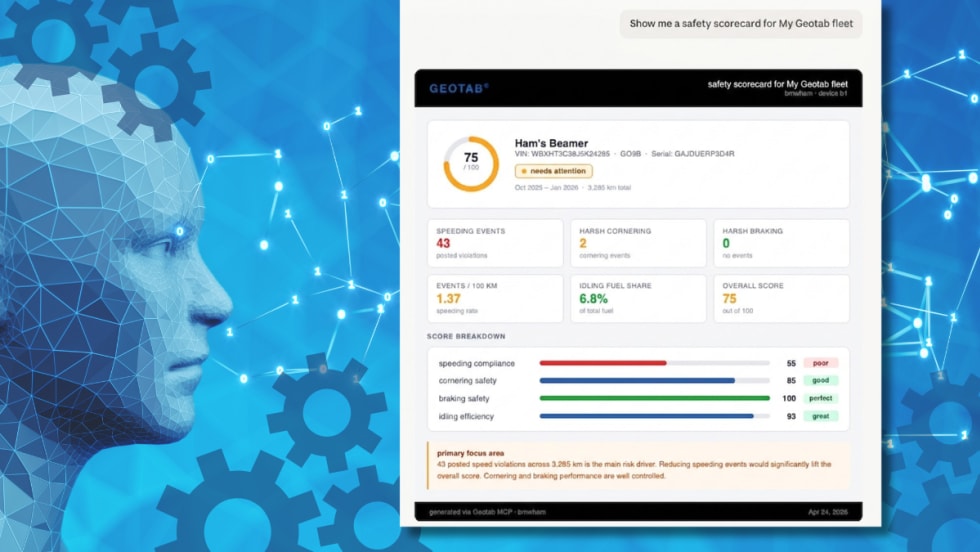
What Geotab's New AI Connector Means for Fleets
Fleets can now ask their usual AI assistants questions about maintenance, safety, fuel use, and vehicle performance, using their live Geotab data, and take action on the answers without leaving their preferred AI tool.
Read More →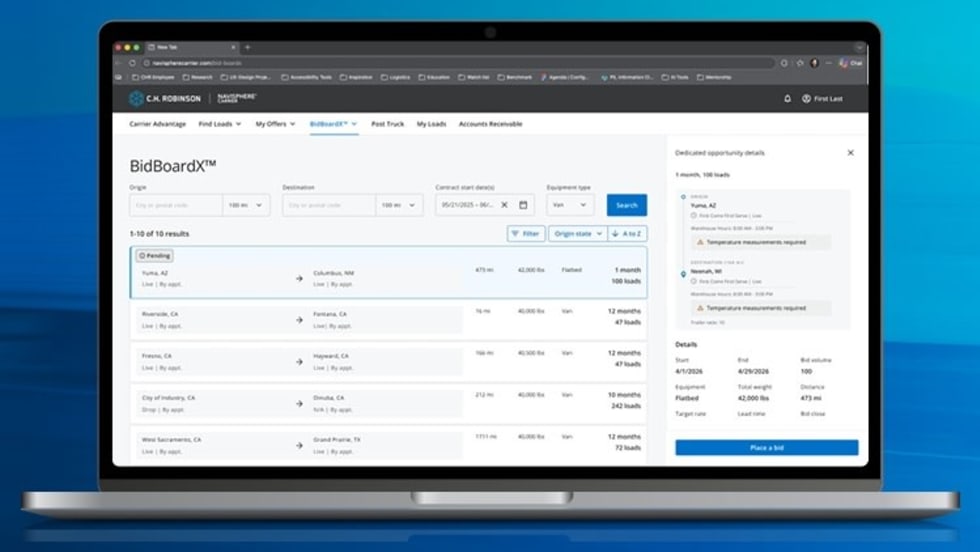
New C.H. Robinson Tool Opens Door to More Predictable Freight
BidBoardX lets carriers search, bid on, and secure committed freight opportunities through a single digital marketplace.
Read More →
New York City's Microhub Project is Delivering Results
Trucking, last-mile delivery companies, and environmental advocates like what they are seeing so far with New York's microhub program.
Read More →
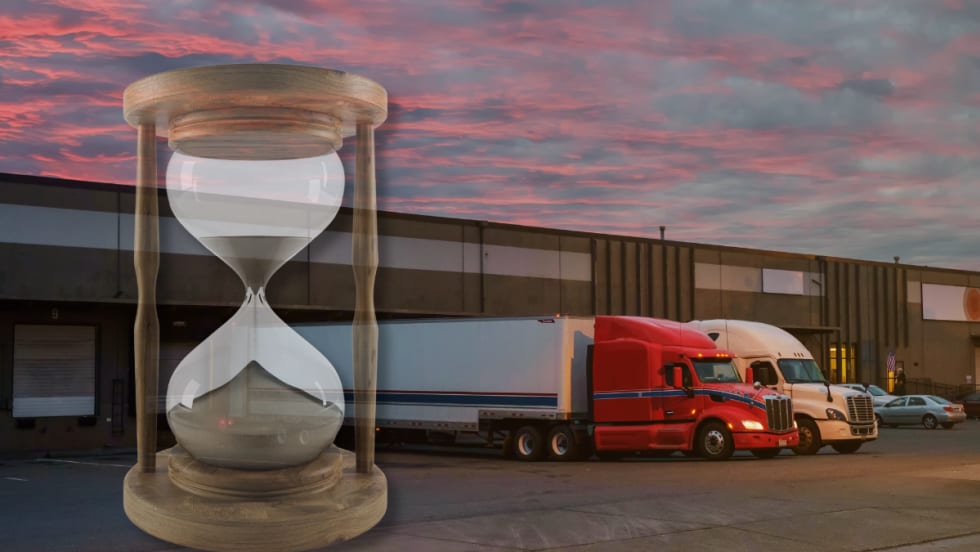
Why Truck Detention Keeps Costing Fleets Time and Money
A 2024 ATRI study found detention affects nearly 40% of truckload stops and costs the industry more than $15 billion annually. Despite the toll on drivers, fleets, and supply chains, the problem remains stubbornly persistent.
Read More →
Time is Running Out to Apply for Exclusive HDT Event
Heavy Duty Trucking Exchange brings fleet managers and suppliers together for the deeper conversations that lead to ideas, partnerships, and solutions. Time is running out to apply for the September event.
Read More →
Amazon Launches Less-Than-Truckload Freight Offering for All Businesses
This launch is the latest addition to Amazon Supply Chain Services, a portfolio of supply chain capabilities from Amazon, including freight, distribution, fulfillment, and parcel shipping.
Read More →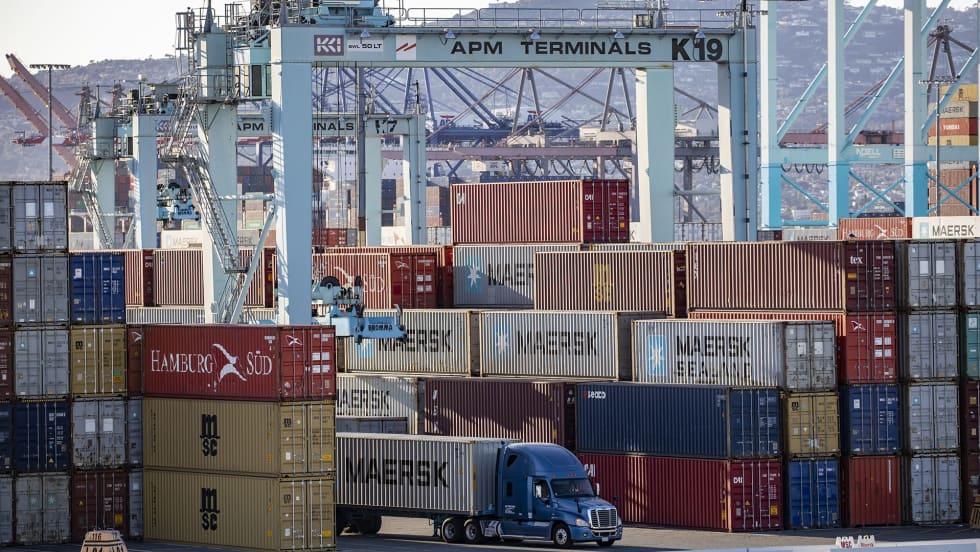
Import Cargo Volume to See Year-Over-Year Gain Again in June, Then Remain Below 2025 Levels Into Fall
After July, the report predicts a weakening in import volume as consumer uncertainty remains high and the impact of increasing inflation takes its toll.
Read More →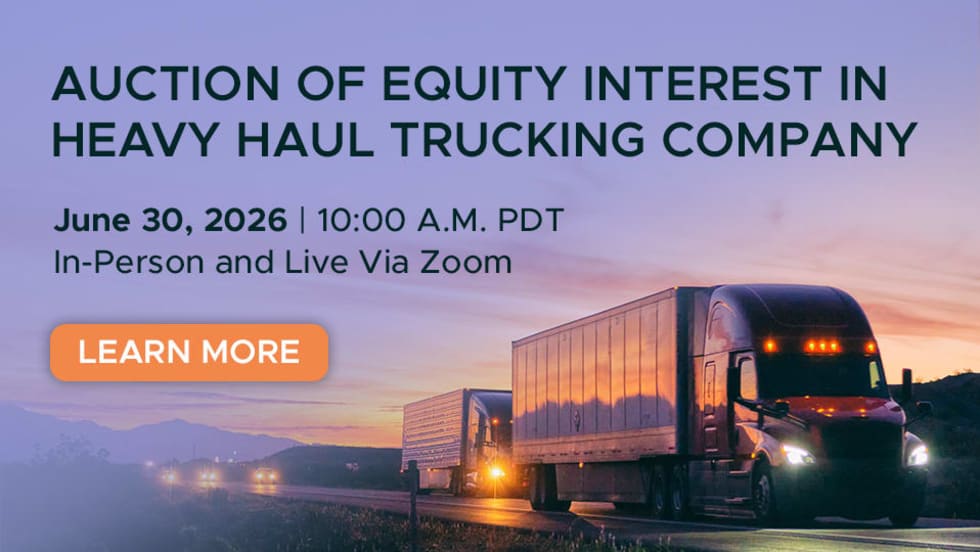
AUCTION OF EQUITY INTEREST IN HEAVY HAUL TRUCKING COMPANY!!
Mark your calendar: June 30, 2026 (10:00 a.m. PDT). A 37.5% ownership interest in MagnaTrans, LLC, a California limited liability company doing business as Magna Transportation Group, will be sold in an in-person and online auction to the highest bidder or bidders under Article 9 of the Uniform Commercial Code. The Rancho Cucamonga-based heavy haul and over-dimensional trucking company operates across California, Oregon, and Arizona.
Read More →
Volvo Trucks Adds Unattended Over-the-Air Software Update Capabilities
The latest evolution of Volvo’s over-the-air update technology allows software updates to run while trucks are parked, helping fleets keep vehicles current without disrupting operations.
Read More →
How Waste Connections is Using Data, Telematics, and AI
How do you manage and maintain more than 18,000 connected trucks? Data. Lots of it.
Read More →