




Tenneco Highlights Waste-Heat Recovery, Ride-Improvement Solutions
Tenneco Inc. showed off its latest array of and emissions-related and ride-performance products at a press conference held in Atlanta on Sept. 24, ahead of the North American Commercial Vehicle Show.

Tenneco's Ben Patel Photo: Evan Lockridge

Tenneco's Ben PatelPhoto: Evan Lockridge
ATLANTA. Tenneco Inc. showed off its latest array of emssions-related and ride-performance products at a press conference held here on Sept. 24, ahead of the North American Commercial Vehicle Show.
“Tenneco is pleased to showcase its global expertise in complete design, engineering and systems integration for the commercial vehicle market,” said Ben Patel, vice president and chief technology officer, He explained that the company’s global range of commercial-vehicle “clean air solutions reduce emissions, contribute to improved fuel economy, and enhance vehicle performance” while its ride-related products range from coil and air spring dampers for cabs, rear axles and seat dampers to lightweight torque rods and elastomer suspension bushings.
According to Patel, the concept box is part of Tenneco’s focus on developing waste-heat recovery systems for commercial vehicles. He explained that waste-heat recovery helps speed up chemical reactions and that allows captured and stored heat from a vehicle to be leveraged to enhance engine operating efficiency.
At NACV, Tenneco is also showcasing the newest member of its XNOx Liquid Urea Selective Catalytic Reduction product family-- an integrated dosing-control unit concept that integrates the pump, motor, injector, controller, sensors, water cooling, and control software in a single device.
Patel said that the company’s current production XNOx urea-dosing system, first introduced in 2011, now offers “expanded thermal range,” which means the system can be placed closer to the turbocharger without compromising dosing quality and performance. “The return flow design provides superior thermal tolerance without added complexity.”
He said other enhancements include an optional controller that features a flexible engine interface design and can predict engine-out NOx and account for ammonia storage and catalyst degradation.
Moving onto thermal management solutions, Patel said that as efficiency improvements and new low-NOx standards continue to drive the need for ultra-high efficiency SCR, Tenneco’s cold start thermal unit offers “an optimal solution that provides active heat management for rapid catalyst light-off and efficient NOx conversion through the full range of operating conditions.”
He added that Tenneco is also showing off its latest family of mixing solutions designed to efficiently process injected DEF into gaseous ammonia without the formation of undesired deposits, even at low engine loads, which helps meet NOx efficiency requirements for low or non-EGR calibrations as well as emission targets under “real field” operations.
As for the ride-improvement side of its business, Patel noted that the company’s 45mm axle dampers, used primarily as rear axle dampers for vehicles with GGVWs above 15 tons and on trailers, boast a new valve system that provides “increased tune-ability and allows higher compression damping force while maintaining the lifetime performance typical of Tenneco dampers.”
He also pointed out that new designs of Tenneco’s Clevite Elastomers spring eye bushings, which “serve as key pivots in vehicles with leaf-spring suspensions, that reduce mass while improving bushing function and fatigue life are currently undergoing validation. These designs pair a high radial and conical spring rate with low torsional breakaway to produce pivots ideally “ideally suited for optimal suspension performance.”
More Products
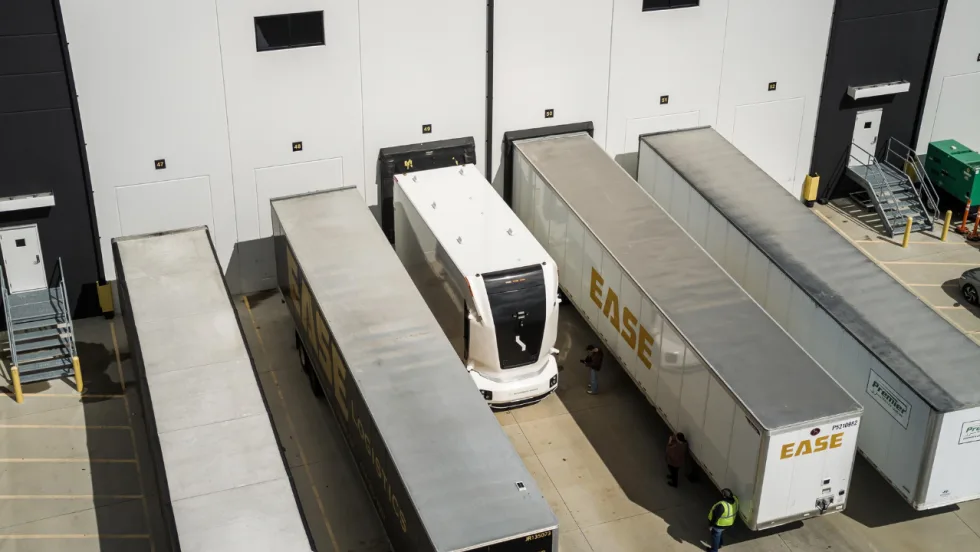
Einride Driverless Electric Trucks Begin Daily Freight Operations in Ohio
Two cabless electric trucks are hauling freight between EASE Logistics facilities in Marysville, Ohio, as part of a multi-state truck automation project.
Read More →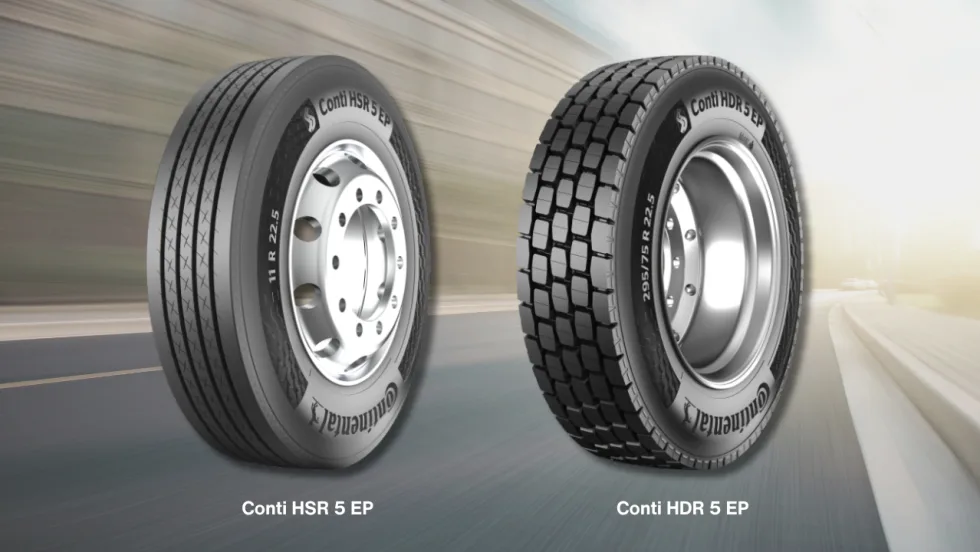
Continental Introduces New Regional Truck Tires
Continental says its new Generation 5 steer and drive tires for regional operations offer longer tread life, with estimated mileage gains of 22% and 19%, respectively.
Read More →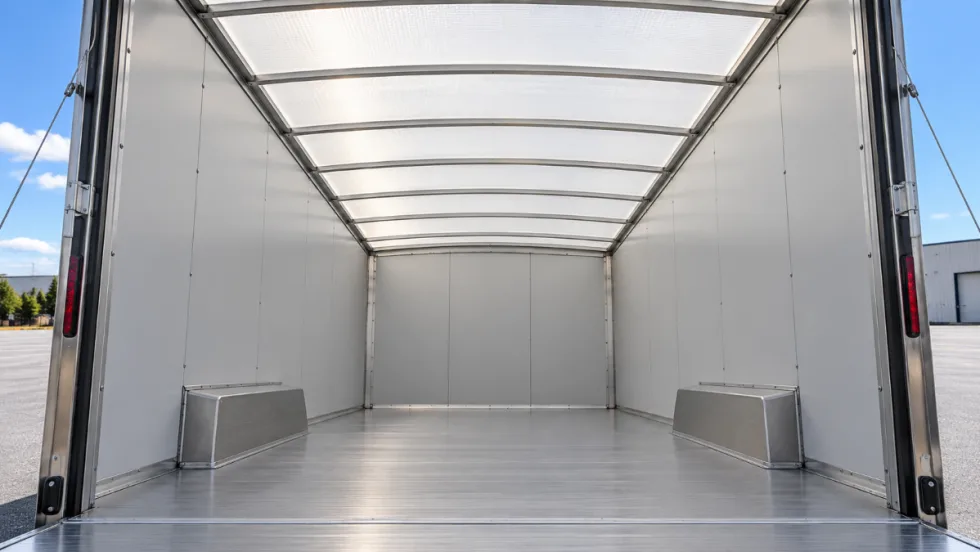
Tekmodo Introduces CargoBright Brand for Translucent Trailer Roofs
CargoBright is designed to diffuse daylight across the cargo area while performing as a working vehicle roof.
Read More →
Michelin Tire Improves Efficiency and Durability for Regional Fleets
The Michelin X Multi Energy D2 is a regional haul drive tire engineered to help fleets improve fuel efficiency, durability and traction in demanding stop-and-go operations.
Read More →
What Geotab's New AI Connector Means for Fleets
Fleets can now ask their usual AI assistants questions about maintenance, safety, fuel use, and vehicle performance, using their live Geotab data, and take action on the answers without leaving their preferred AI tool.
Read More →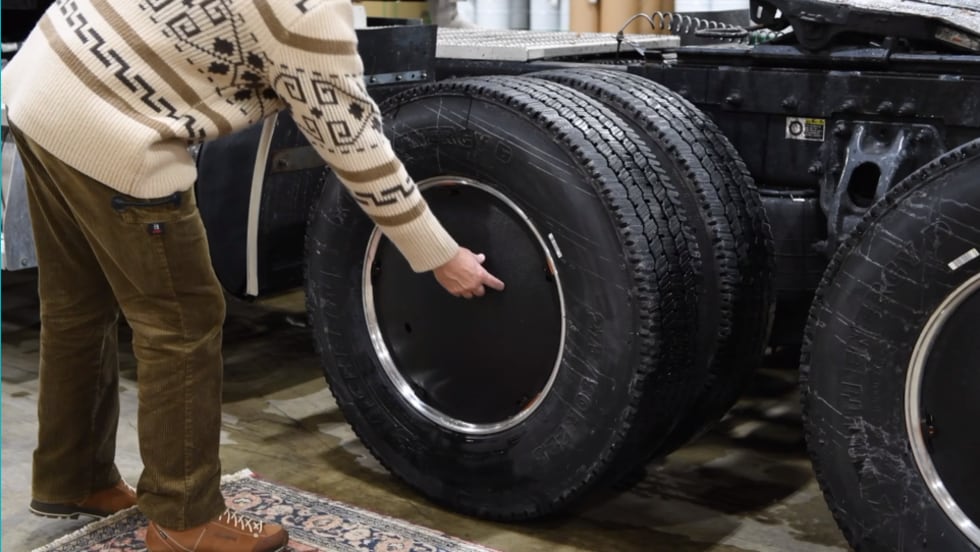
Deflecktor: Hubbub Aerodynamic Wheel Cover Cost-Effective Even for Trailers
Aerodynamic wheel covers can deliver small but meaningful fuel-economy gains for fleets, and Deflecktor says its latest design aims to make the technology easier and more affordable to deploy.
Read More →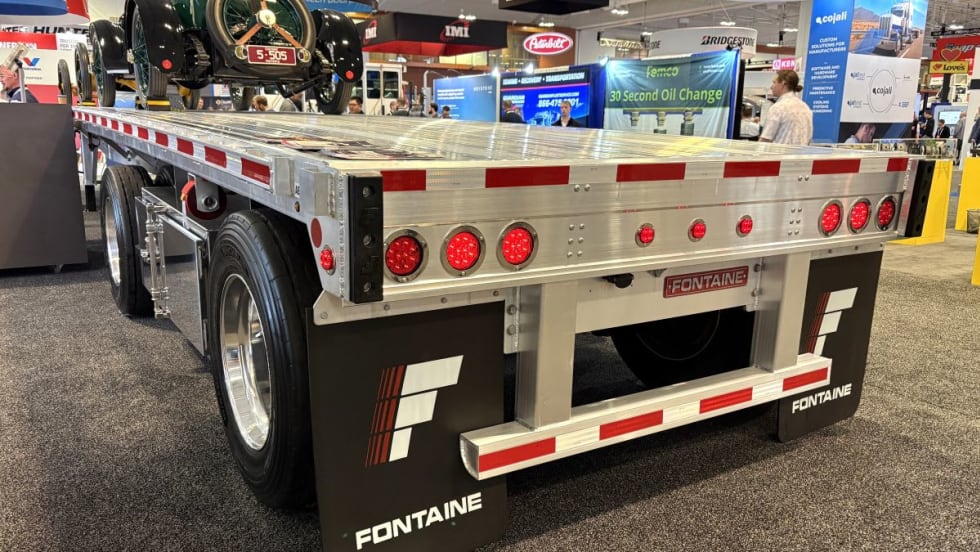
Fontaine Expands Flatbed Lineup with New Fleet-Focused Models, Eyes 2027 Launch
Fontaine is broadening its flatbed lineup with new models aimed at fleets, including a lightweight aluminum trailer expected in 2027 that emphasizes durability, repairability, and lower cost.
Read More →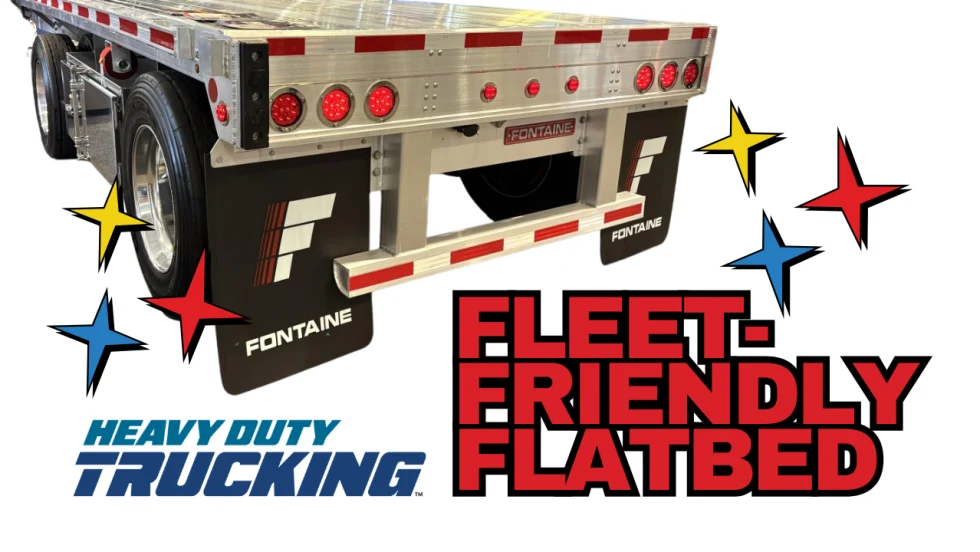
Fontaine's Fleet-Focused Force Flatbed Prototype [Watch]
A new prototype from Fontaine Trailer focuses on what fleets say they need most: easier repairs, lower maintenance costs, and practical, service-friendly design.
Read More →
HDT Honors the Best New Products of 2025 at TMC [Photos]
Heavy Duty Trucking's Top 20 Products awards recognize the best new products and technologies. Check out the award presentations at the 2026 Technology & Maintenance Council annual meeting.
Read More →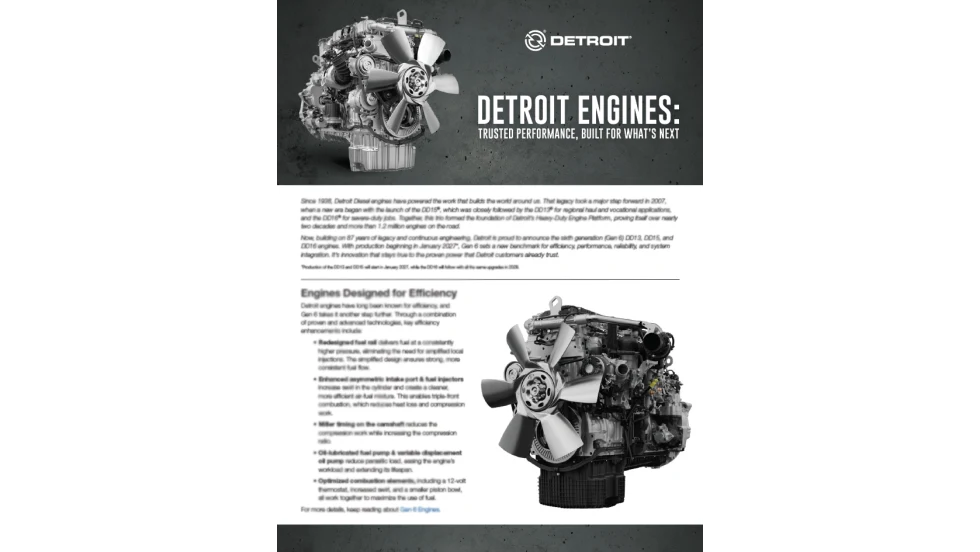
Detroit Engines: Trusted Performance, Built for What's Next
The Detroit® Gen 6 engine platform proves that real progress doesn’t require a complete redesign. Built on 20 years of trusted technology, these engines are designed for efficiency, stronger performance, and greater reliability than before. And they do it all while complying with 2027 EPA standards on every mile.
Read More →