




Survey: Trucker Optimism Runs High, Capacity Additions Muted
Transport Capital Partners' latest Business Expectation Survey found that like the last five quarters, carriers have remained fairly optimistic about future freight volumes. However, the optimism has been somewhat tempered -- although only a fraction believe volumes are going to decrease or that we're heading into a double-dip recession
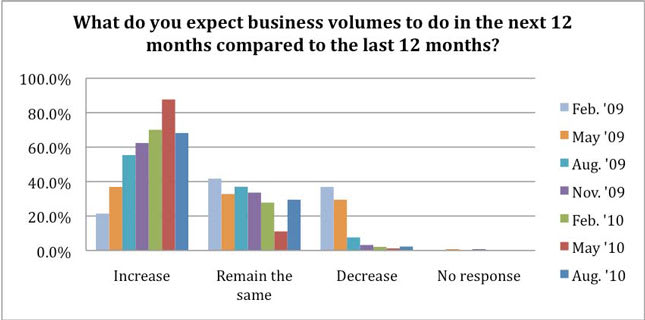
Transport Capital Partners' latest Business Expectation Survey found that like the last five quarters, carriers have remained fairly optimistic about future freight volumes. However, the optimism has been somewhat tempered -- although only a fraction believe volumes are going to decrease or that we're heading into a double-dip recession.
The survey for the third quarter of 2010 found that 68 percent of surveyed carriers expect volumes to increase over the next year, while 72 percent expect to add little or no capacity.
TCP, which handles transportation mergers and acquisitions, capital sourcing and advisory services, uses the quarterly survey to collect the insights and opinions of executives nationwide in order to report on the current state of the industry and future expectations. "TCP's surveys from the last seven quarters show carriers have become more confident that volumes and rates will increase during the next year, despite a tempering of expectations in the last quarter," notes Lana Batts, managing partner for TCP.
Volume Increases
A fifth of those surveyed changed answers from expecting volumes to increase to expecting volumes to remain the same. But only 2.3% of the carriers believe that volumes will decrease - or believe this economy will see a double-dip.
"At this time last year, only 20 percent of carriers expected volumes to increase in the third quarter, but in the second quarter of 2010 over 80 percent expected increases in the third quarter," says Richard Mikes, TCP partner. He observes that the general uncertainty in the economy was reflected in this reading, while at the same freight volumes and rates were up.
Carriers over $25 million in revenue tend to be somewhat more optimistic, with three-fourths expecting volumes to increase. Sixty percent of the smaller carriers expect volumes to increase.
Rates Heading Up
With increased volumes in the last quarter, the number of carriers reporting steady rates moved to a majority after rising for four straight quarters. In fact, 63 percent reported rate increases compared with 4 percent who reported rate decreases. This quarter, for the first time, carriers were asked to quantify the magnitude of rate increases. Forty-five percent reported a 5 percent increase, 11 percent saw increases of 10 percent, and 7 percent saw increases of 15 percent or more.
The vast majority of both large and small carriers expect to see further rate increases. Seventy-four percent of larger carriers expect rate increases compared to 64 percent of the smaller carriers.
Adding Capacity
"Both large and small carriers are hesitant to add capacity in this environment," explains Mikes. "In particular, the spot markets continue to reflect a truck shortage with rising rates and narrowing broker margins while contracts also continue to be negotiated upward."
A third of all carriers say they will not add any capacity in the coming months, while another third will add between 1 and 5 percent. Almost two-thirds of fleets report they will acquire fewer than 10 percent of their fleets' tractors in the next year.
Yet industry analysts continue to predict tightening capacity over the next year. "When asked specifically about how they intend to add capacity, over a fourth of carriers reported they plan to rely on independent contractors despite high cost and their limited ability to finance," Mikes said. He added that about 1 in 10 are considering acquiring used trucks, which have recently become scarce on dealer lots.
Click here for more information.
More Aftermarket

What Three Fleets Are Doing Differently When Buying Truck Parts in 2026
With freight improving but costs still climbing, fleet maintenance executives explain how they're balancing price, quality, and supplier relationships.
Read More →
ConMet Expands Aftermarket Brake Drum Lineup With TruCast
A new heavy-duty truck brake drum option in the aftermarket gives customers more flexibility within the ConMet product family.
Read More →
Phillips Opens High-Tech Distribution Center for Faster Parts Delivery
Phillips Industries’ new Cincinnati-area distribution center is now shipping aftermarket trucking parts nationwide, aiming to speed up delivery times for customers.
Read More →
Volvo to Sponsor America’s Road Team for 2025
Volvo Trucks announced that it is extending its exclusive sponsorship of America’s Road Team for 2025.
Read More →
Webb to Start Taking Orders for UltraSet Pre-Adjusted Wheel Hubs
Webb, which recently acquired the Stemco Trifecta pre-adjusted hub program, will soon start taking orders for its replacement pre-assembled hub, the UltraSet.
Read More →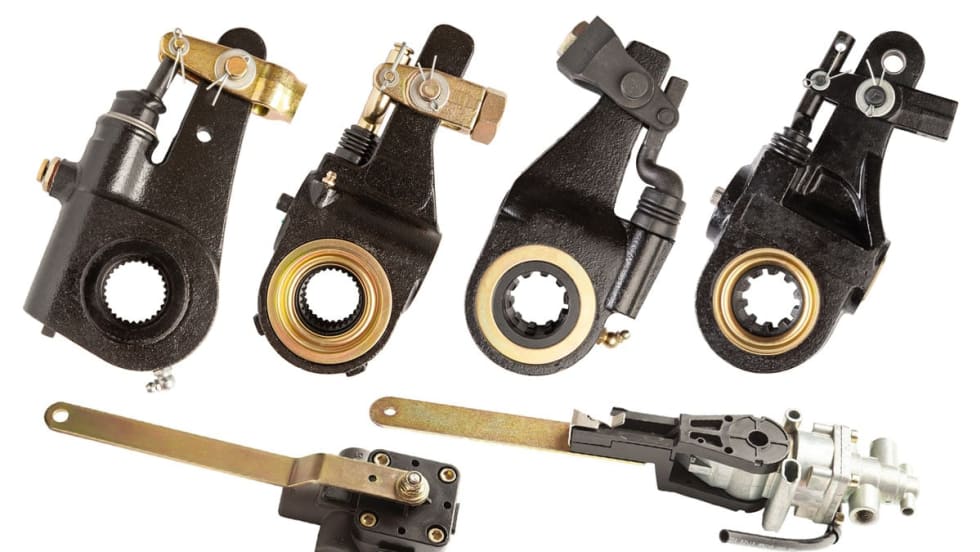
All-Makes Automatic Brake Adjusters, Ride Height Control Valves from Midland
SAF-Holland has added automatic brake adjusters and ride height control valves to its Midland All-Makes Program.
Read More →
ZF Aftermarket Expands [pro]Academy Training
ZF Aftermarket said it is expanding its ZF [pro]Academy training and will be adding 40 new modules this year.
Read More →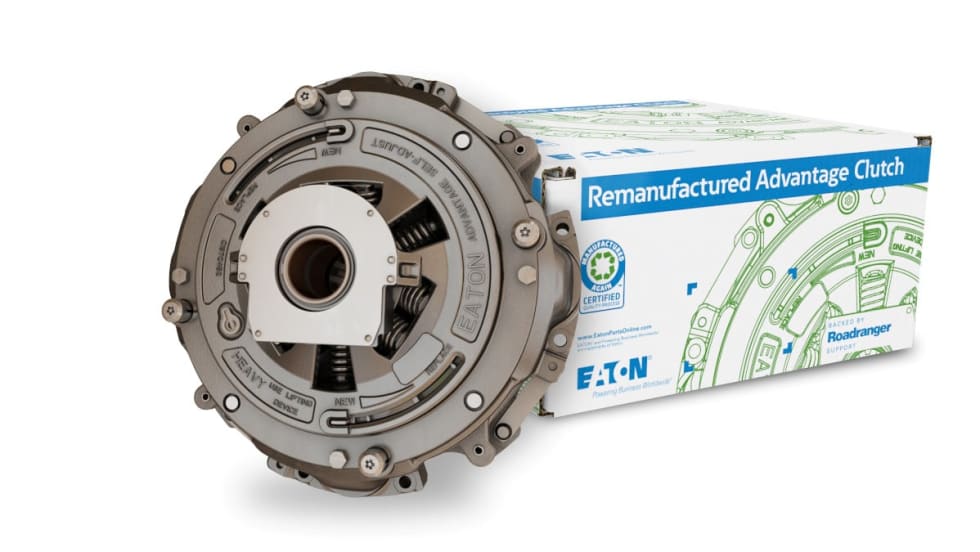
Eaton Adds Remanufactured Advantage Line of Clutches
Eaton has added its Advantage clutches to its remanufactured product line. The clutches feature a unique strap drive intermediate plate designed to allow customers to choose the latest OE specification
Read More →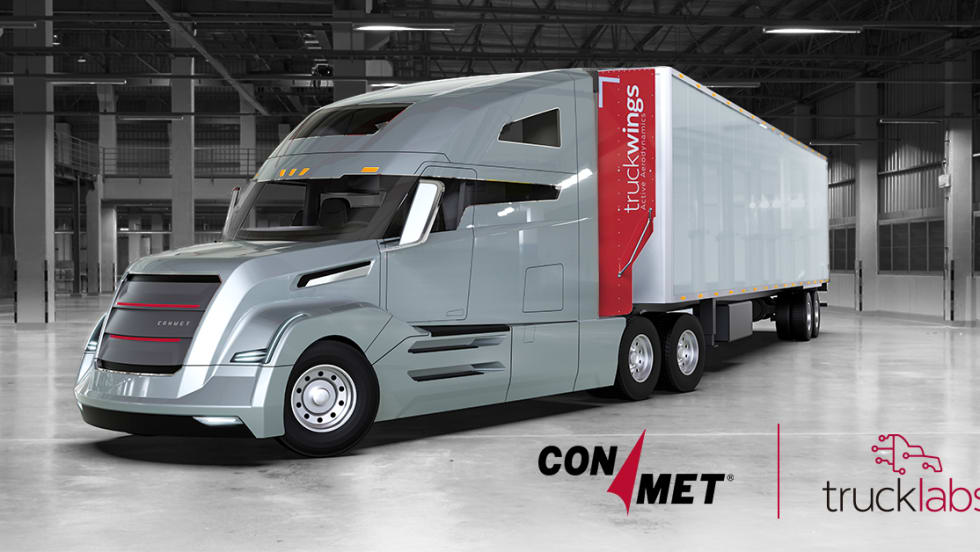
ConMet Acquires TruckLabs, the Creator of TruckWings
Commercial truck and trailer parts provider ConMet acquired TruckLabs, the company that created TruckWings, an aerodynamic device that attaches to truck cabs and deploys to close the gap between truck and trailer. TruckLabs now operates as a subsidiary of ConMet.
Read More →
Diesel Laptops Releases Fault-Code-to-Part-Number Tool
Diesel Laptops said its Truck Fault Codes allows users to input a fault code and immediately identify and order the parts needed to complete repair work.
Read More →