




Survey: Regional Small Fleets Slower to Comply With ELD Mandate
Regional small fleets appear to be lagging behind national fleets when it comes to adoption of mandatory electronic logging devices, according to the latest weekly survey numbers from CarrierLists.

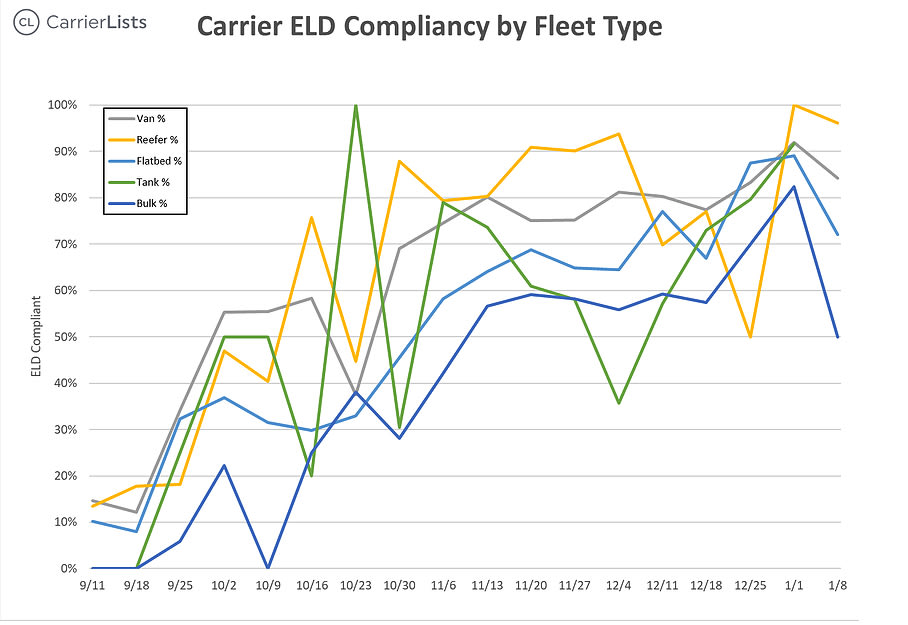
Graph courtesy CarrierLists

Regional small fleets appear to be lagging behind national fleets when it comes to adoption of mandatory electronic logging devices, according to the latest weekly survey numbers from CarrierLists.
Although the ELD mandate went into effect last month, there is a phased-in enforcement period until April 1, as many fleets were scrambling at the last minute to comply.
CarrierLists, which offers lists of carriers to freight brokers and shippers, has been conducting weekly surveys of fleets on its lists about ELD compliance. As of Jan. 15, according to 205 interviews running fleets from five to 100 trucks, the ELD compliance rate came back down to earth from the polling high of 89% in the first week of the year to 79%.
When asked about the drop, CarrierLists President Kevin Hill explained, “It is due to the mix of regional and longer haul fleets. ELD compliance rates for shorter haul regional fleets have consistently been about 20 points below longer haul nationwide and super regional fleets. As the preferred lanes aren't known before our calls, the mix between regional and nationwide carriers swings week to week.”
The three-week moving average, however, surpassed the 80% mark for the first time, climbing five points to 82%. Carrierlists says the main themes it has heard on the phones over the past two weeks include:
ELD compliance rates for regional fleets are still roughly 20 points below longer haul OTR fleets. Back-ordered ELD hardware is coming in and being installed quickly. Driver training on ELDs for the procrastinators is problematic and is causing disruptions with pickup and deliveries times. ELD enforcement is still inconsistent and difficult to measure. Trucking companies are now asking about loading and unloading times much earlier in negotiations to determine which loads to accept.

More Safety & Compliance

Farewell, CDL: Why I'm Giving Up My Commercial Driver's License
After more than 20 years as a CDL holder, HDT Executive Editor Jack Roberts is letting his commercial license expire. Not because he wants to — but because trucking's nuclear verdict crisis has made the risks of public-road test drives too great for editors, manufacturers, and everyone involved.
Read More →
Enhance Fleet Performance with High-Efficiency Auxiliary Power Units
Drive sustainable cost savings while increasing driver comfort during short- and long-haul logistics operations.
Read More →
Wabash Trailers Recalled for Improperly Installed Underride Guards
More than 900 Wabash dry van trailers may not comply with the Federal Motor Vehicle Safety Standard for rear impact guards.
Read More →
Why K&B Trucking Is Embracing AI and Driver Safety Technology
Crunching data and embracing artificial intelligence are key in K&B Trucking's safety efforts, says the company's safety director.
Read More →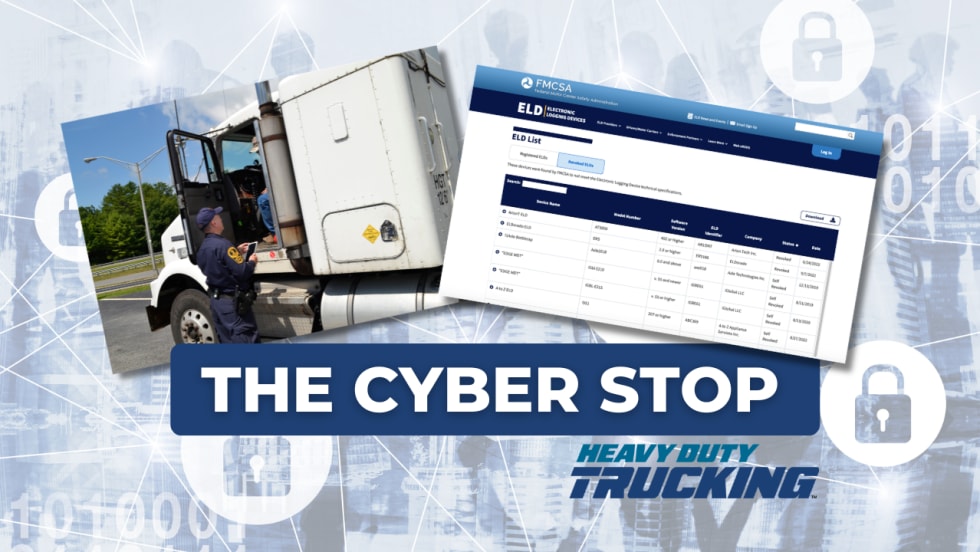
The Hidden Problem Behind FMCSA's ELD Revocations
NMFTA researchers say dozens of registered ELDs may be built on the same software platforms, allowing compliance and security concerns to persist even after individual devices are removed from the market.
Read More →
ATRI Wants Motor Carriers for Driver-Facing Camera Study
In this new study, the American Transportation Research Institute will explore how driver-facing cameras can impact safety and operational metrics in trucking fleets.
Read More →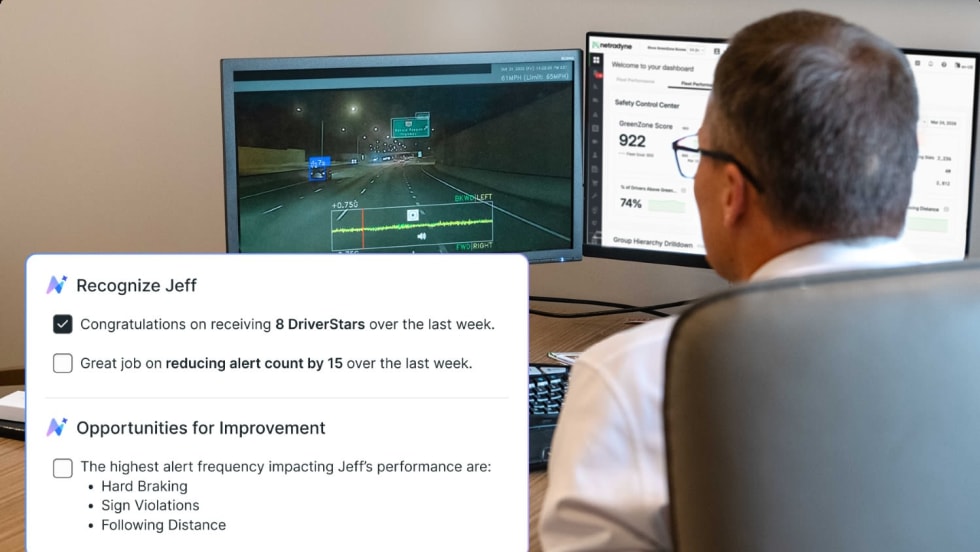
Netradyne Intelligence Uses New AI Agents to Automate Response to In-Cab Camera Data
The company called the next-generation in-cab camera safety platform "a fundamental shift from systems that report on what happened to systems that actively drive what should happen next."
Read More →Mack, Volvo Issue ‘Do Not Drive’ Recall on Possible Wheel-Offs
Owners will be sent advance notice not to operate their affected vehicles until the remedy is performed.
Read More →
Fleetworthy Integrates Lytx Video Snapshots into Safety+ Platform
A new Fleetworthy-Lytx integration gives fleet managers access to video context alongside safety event data, streamlining driver coaching and incident review.
Read More →
How Waste Connections is Using Data, Telematics, and AI
How do you manage and maintain more than 18,000 connected trucks? Data. Lots of it.
Read More →