




Study: More Money Doesn’t Equal Better Highways
More money is going to state highways, but there has been very little progress in improving their condition, according to a new report from the libertarian think tank the Reason Foundation and its 21st Annual Highway Report.

Photo: Evan Lockridge

More money is going to state highways, but there has been very little progress in improving their condition, according to a new report from the libertarian think tank the Reason Foundation and its 21st Annual Highway Report.
It found spending on state-owned roads totaled $132 billion in 2012, up 6% from 2011 while spending varied from state to state. For example, South Carolina and West Virginia spent $39,000 per mile of road in 2012 while New Jersey spent over $2 million per state-controlled mile. Rhode Island, Massachusetts, California and Florida were the next biggest spenders, spending more than $500,000 per state-controlled mile.
According to the study, from 2011 to 2012 the pavement condition on urban Interstate highways showed only very slight improvement, with 4.97% of urban mileage deemed to be in poor condition in 2012, down from 5.18% in 2011..
The report says one theory that roads aren’t getting better may be due to increasing administrative costs. Hawaii spent $90,000 on administrative costs for every mile of state road, the most of any state. Connecticut had the next highest administrative costs at $77,000 per mile. On the other side of the scale, Texas administration costs were less than $4,000 per mile and Kentucky spent less than $1,000 per mile on office costs, the least in the nation.
The Reason Foundation’s Annual Highway Report measures the condition and cost-effectiveness of state-owned roads in 11 categories, including pavement condition on urban and rural Interstates, deficient bridges, unsafe narrow lanes, traffic fatalities, administrative costs, and total spending on state roads. The study’s rankings are based on data the states reported to the federal government for 2012 except for the urban Interstate congestion rankings, which are based on the Texas A&M Transportation Institute’s congestion figures for the first time.
More details from the report is available from the Reason Foundation website, where there is also a link to the entire report.
More Fleet Management

How Innovative Trucking Leaders Turn Change Into an Advantage
As the pace of change accelerates in trucking, the fleets that adapt best have more than the latest technology. They have cultures that embrace improvement.
Read More →
Freight Broker Bonds Just Got Harder to Get. Here's What That Means for Your Fleet.
When it gets harder for a freight broker to prove they are financially sound, the ones who cannot clear that bar get pushed out of the market. And those are exactly the brokers who used to leave motor carriers holding the bag.
Read More →
Long-Awaited Canadian Border Bridge to Open in Detroit
For trucking, the bridge opening should offer immediate improvements in efficiency and reliability, with new customs facilities, expanded inspection capacity, and direct freeway-to-freeway connections.
Read More →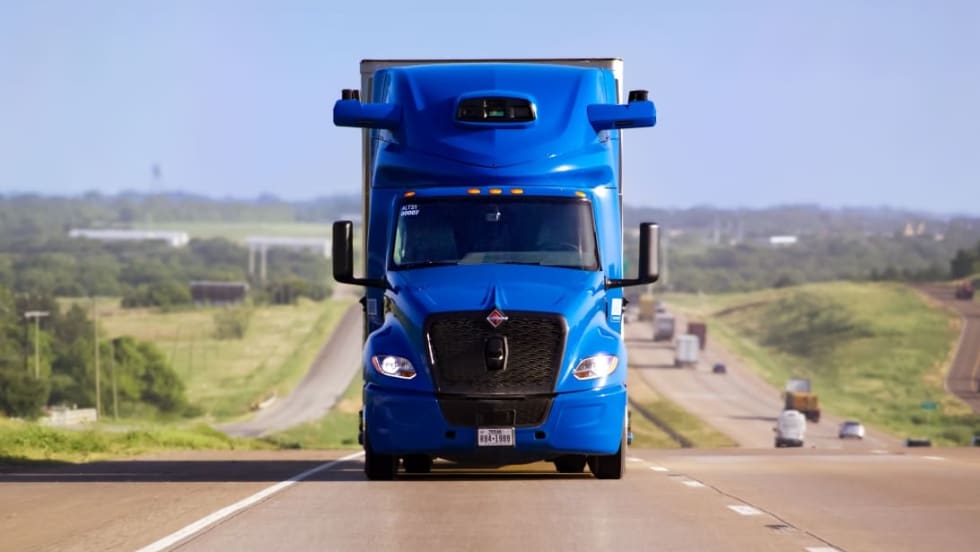
Aurora Rolls Out Next Generation of Driverless Trucks for Commercial Freight
Aurora's latest autonomous trucks it's rolling out with International feature lower-cost hardware designed for a million miles as the company expands commercial driverless freight operations across the U.S. Sun Belt.
Read More →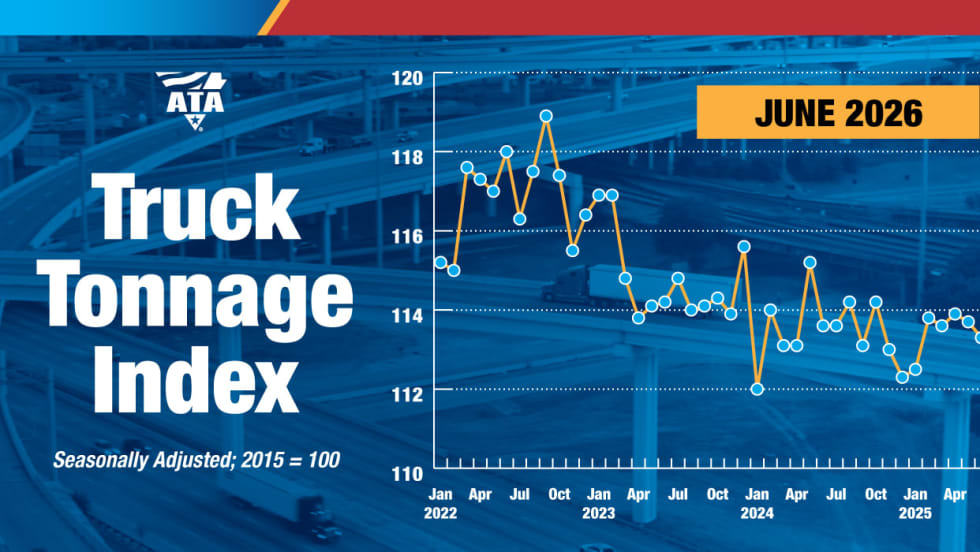
Freight Tonnage Down, Rates up, as Lower Capacity Powers Trucking Recovery
The recovery from the freight recession continues to be driven by reduction in capacity rather than by increased demand.
Read More →
Think Your Trucking Fleet Isn't Using Much AI? Think Again
Shadow AI — the use of unauthorized artificial intelligence tools at work — is becoming increasingly common, putting sensitive company data at risk. Learn how trucking fleets can protect sensitive data while embracing AI.
Read More →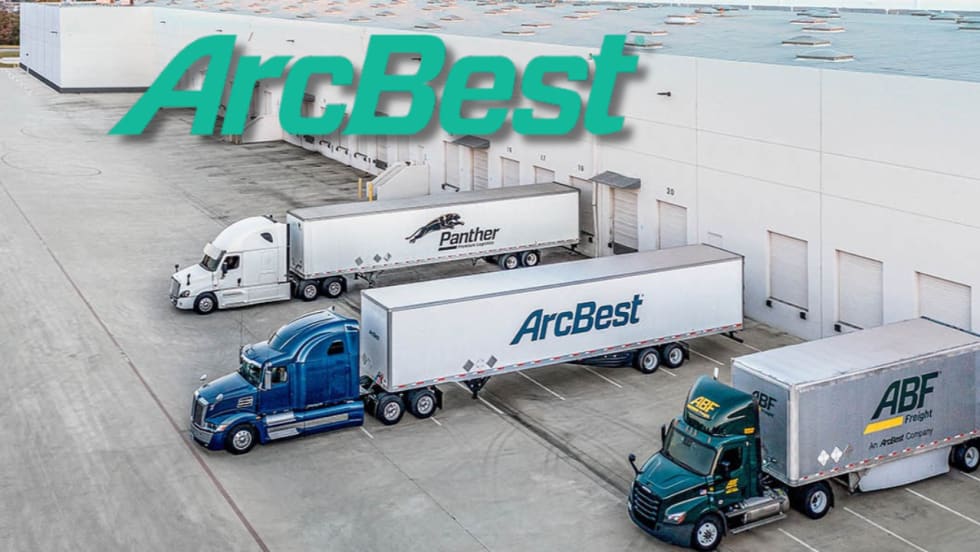
ArcBest Consolidates Brands, Cuts Workforce
The company will bring three business units under the ArcBest brand, eliminate about 2% of positions, and expects the changes to generate $40 million in annual savings.
Read More →
Trucking Fleets Faced Record Operating Costs During Third Year of Freight Recession
ATRI's annual operational cost report shows carriers trimmed fleets, delayed equipment purchases, and ran older trucks as expenses continued to outpace freight rates.
Read More →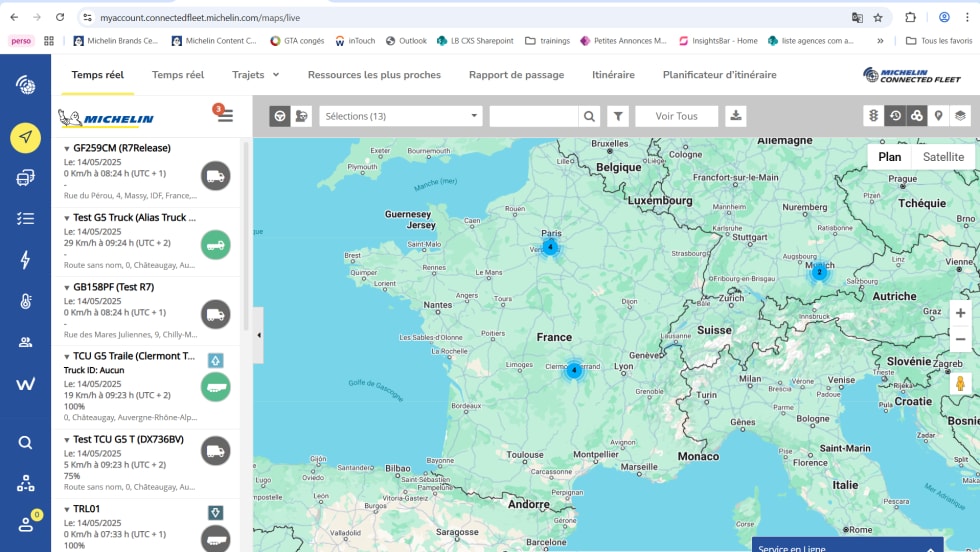
Michelin Adds AI Assistant to MyConnectedFleet Platform
Michelin’s new generative AI tool delivers instant fleet insights, helping managers analyze fuel use, tire maintenance, vehicle status, and operational performance without manually creating reports.
Read More →
LytxOne Platform Now Features AI, Compliance, and Asset Tracking Tools
New enhancements add AI-powered insights, asset tracking, compliance automation, and configurable privacy controls to Lytx's all-in-one fleet management platform.
Read More →