




Strike Threat At California Ports Over, New Concerns For East And Gulf Coasts
Concerns about a strike at the Ports of Los Angeles and Long Beach can finally be put to rest but there are new ones when it comes to talks involving ports on the other side of the country.

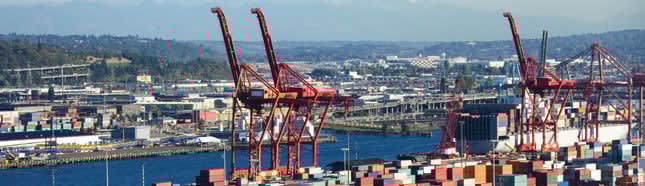

Concerns about a strike at the Ports of Los Angeles and Long Beach can finally be put to rest but there are new ones when it comes to talks involving ports on the other side of the country.
Unions representing clerical workers at the Southern California ports say members have voted in favor of a new labor contract, following a tentative agreement between them and terminal operators being reached in December.
In a joint statement the International Longshore and Warehouse Union Local 63 Office Clerical Unit and the Harbor Employees Association said the vote affects some 600 people who went on strike in December, shutting down the nation’s busiest port complex for eight days. A federal mediator was then brought in to resolve the matter. This latest contract runs through June 30, 2016.
John Fageaux, lead negotiator for the International Longshore and Warehouse Union Local 63 Office Clerical Unit and Stephen Berry, lead negotiator for the employers of the OCU at the ports of Los Angeles and Long Beach, said, “The approved agreements, to be finalized in coming days, are good for workers, good for employers and – most of all – important in ensuring smooth operations at our Southern California ports. Our local, regional and national economies depend on these ports, and the agreements ratified tonight pave the way for continued growth in the years ahead.”
Meanwhile, there may be clouds on the horizon when it comes to labor talks involving East Coast and Gulf Coast ports, despite a tentative deal being reached between longshoremen and port operators earlier this month.
While members of the International Longshoremen’s Association are expected to vote and approve the deal most likely in March, published reports indicate time is running out to resolve issues specific to certain ports and talks are proceeding poorly. March 1 is the deadline to reach tentative agreements on local pacts, such as work rules and pensions, including for longshoremen at the Port of New York and New Jersey.
International Business Times and The Journal of Commerce says this means that even if ILA members approve the master contract, but the so-called side issues are not resolved, the overall pact would not go into effect. The reported reason is the U.S. Maritime Alliance, which represents freight terminal operators and owners of cargo ships, hasn’t been able to negotiate cost reductions for its members with the ILA. Plus the AFL-CIO is reportedly putting pressure on the ILA to keep a tough stance when it comes to the local talks.
There are fears that all of this could result in a strike by longshoremen from Maine to Texas, which would affect more than a third of U.S. imports, meaning less freight for some trucking companies to move and slowing the U.S. economy in the process.
More Drivers

Driver Trust Can Make or Break the Success of Fleet Safety Technology
New Teletrac Navman research suggests that onboarding, transparency about driver data, and positive feedback can play a significant role in how commercial drivers respond to safety and coaching technology.
Read More →
EEOC Sues KLLM Over Alleged Sex Discrimination in Driver Training
KLLM is facing a federal sex-discrimination lawsuit over policies the EEOC alleges put female truck driver trainees at a disadvantage.
Read More →
FMCSA Moves to Codify English Language Requirements for Commercial Drivers
By changing regulations on English-language proficiency requirements for commercial drivers, rather than relying on a guidance memo, the FMCSA said future administrations won't be able to walk back the Trump administration's stricter enforcement with just a memo.
Read More →
Drivers Put Western Star Trucks to the Test at Star Nation Experience
Watch to get an inside look at the Western Star trucks, technology, and community behind the Star Nation Experience 2026!
Read More →
Trump Administration Looks to Put More Veterans Behind the Wheel
The Freedom Haulers program pulls together existing and expanded programs at several federal agencies to recruit veterans to drive commercial heavy-duty trucks and cut the red tape for them to get a CDL, training, and employment.
Read More →
Putting Mack’s Command Steer to the Test
A test drive of Mack’s Command Steer active steering system evaluates how it can make truck driving easier and less tiring.
Read More →
Competition Heating Up for Truck Drivers
New report reveals rising driver hiring costs, the return of sign-on bonuses, growing AI advantages, and the operational factors shaping driver retention.
Read More →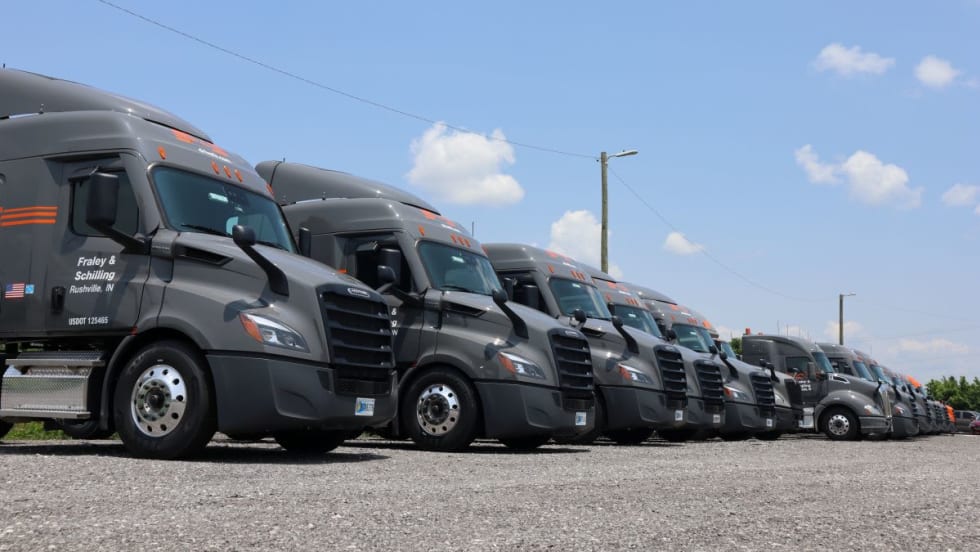
How Fraley & Schilling Improved Logbook Compliance by Over 50%
Fraley & Schilling needed a way to close a compliance workflow gap in its ELD system without adding more work from driver training, reminders, and back-office follow-ups. It found the answer in a custom driver app.
Read More →
Volvo Goes Gaming
Volvo has roared into American Truck Simulator with two new flagship trucks.
Read More →
What the Best Fleets to Drive For Teach About Driver Retention
Survey fatigue, AI-powered routing, owner-operator expectations, and the decline of social media all emerged as themes from this year's Best Fleets to Drive For program.
Read More →