




Some Good News, But Not All's Rosy, Managers Tell Fleet Expectations Survey
Fruits of the slow economic recovery are being reaped by large trucking companies, but smaller outfits are still struggling, said Lana Batts, principal partner of Transport Capital Partners, quoting results of her firm's sixth annual Survey of Carrier Expectations during last week's Truckload Carriers Association Refrigerated Division annual meeting
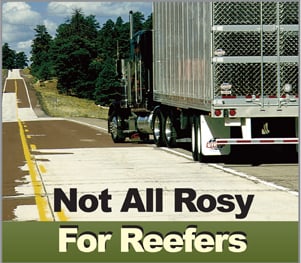
Fruits of the slow economic recovery are being reaped by large trucking companies, but smaller outfits are still struggling, said Lana Batts, principal partner of Transport Capital Partners, quoting results of her firm's sixth annual Survey of Carrier Expectations during last week's Truckload Carriers Association Refrigerated Division annual meeting.
Fewer than 30 percent of reefer-fleet managers responding to the survey have gotten rate increases, while many have seen none. And some of the smaller companies, defined as those grossing under $25 million annually, have said they are even seeing rate cuts from tight-fisted customers, Batts reported.
In fact, reefer managers were the least optimistic of those responding to the survey, which also quizzed leaders of fleets operating vans, flatbeds, tankers and other equipment. This is partly due to what reefer executives see as the "monopoly power" of big shippers in the foods industry, she said.
The spot market - loads tendered outside contractual agreements, and where rates have been up - is important to 36 percent of reefer fleets, the survey indicated. "If they don't guarantee loads, we don't guarantee trucks," Batts explained the attitude of those who left steady but cheap freight. She advised fleets who can't get rate increases to go to the spot market.
Fuel surcharges
Fuel surcharges are an important source of supplemental revenue, and 70 percent of responding fleets say they've had "excellent" or "good" success at recovering surcharges from customers. "But you're competing with 30 percent of fleets who aren't recovering surcharges" and who in desperation are inclined to offer cheap rates.
Reefer fuel surcharges are a sadder story: 87 percent of execs say they've had "fair," "poor" or "terrible" experiences in trying to collect them. "With capacity low, now's the time to collect the reefer fuel surcharge," Batts said, "especially fuel burned while trailers are staged at shippers' docks."
Accessorials - reimbursement for tractor detentions, pallets, load locks, lumper pay - are also difficult to recover from customers, said more than a third of respondents. In fact, 86 percent said they seldom or only occasionally collect detention pay.
Meanwhile, shippers want carriers to handle more payload, said two-thirds of fleets responding to the survey. "If you can't collect for detention," Batts said, "how are you going to be able to collect for more freight?"
Perhaps in response to shippers' demands for more payload, 54 percent of respondents said they are spec'ing lighter-weight equipment. About one-fourth of those are converting from duals to wide-base single tires, and/or ordering smaller cabs, fuel tanks and engines.
Good and bad
A new-truck buying boom is apparently not in the offing. Most fleets told the survey that they'll buy "only when their current fleet is fully utilized and rates have gone up," Batts said. So it's not surprising that existing tractors and trailers are getting older, with two-thirds of executives adding a year or more to their normal trade cycles.
Business is still bad enough for 12 percent of responding execs that they're considering liquidating their fleets in the next 12 to 18 months, Batts reported. That's because uncertainties over the economy, what federal authorities will do and the impending change in the capital gains law make it a good time to sell.
And business is good enough that another 43 percent of respondents said they're interested in buying other companies. Acquisition of competitors, not buying new equipment, is how many execs would prefer to expand their fleets.
More advice
Questions from the audience extracted several pieces of advice from Batts, whose background includes time as TCA's chief executive.
Aside from going to the spot market for higher rates, "get rid of the guys who aren't paying," she urged one questioner. Remember the shippers who in hard times cut rates, withheld payments for 120 days and pushed aboard more freight, and stop hauling for them.
As business increases and the driver shortage worsens, "it's going to be hard to put guys on those transcontinental routes," Batts said. "And if you're worried about CSA 2010, put the loads on the rails. If they're on the rails you won't get dinged" by any CSA audit.
Will prices for used equipment increase? They will, but not as fast as some have expected, she said. Of the 18 percent of capacity that went out of trucking, only 4 percent were trucks that were parked along the fence while 14 percent was strictly trucks that were never manufactured. That implies pent-up demand for new trucks, but the recovery isn't yet strong enough to really push it.
More Aftermarket
What Three Fleets Are Doing Differently When Buying Truck Parts in 2026
With freight improving but costs still climbing, fleet maintenance executives explain how they're balancing price, quality, and supplier relationships.
Read More →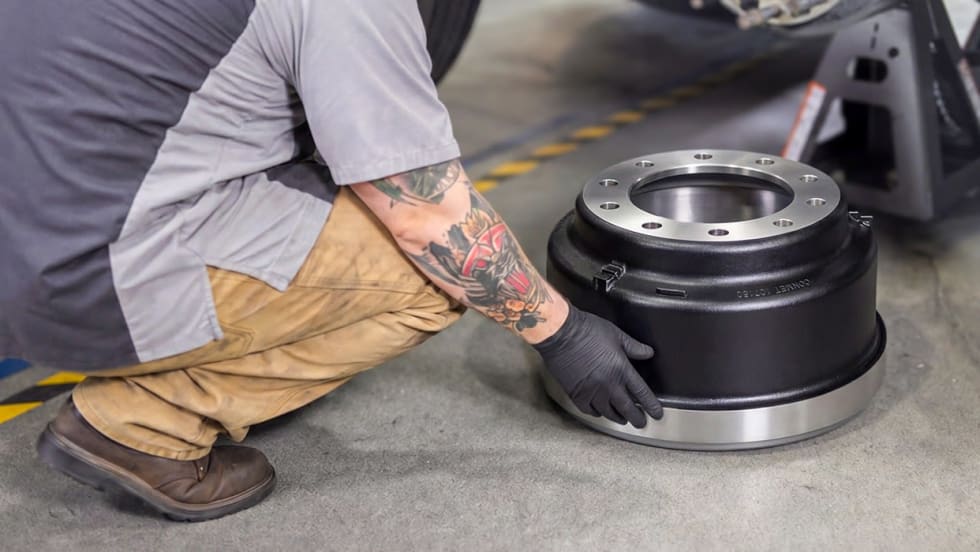
ConMet Expands Aftermarket Brake Drum Lineup With TruCast
A new heavy-duty truck brake drum option in the aftermarket gives customers more flexibility within the ConMet product family.
Read More →
Phillips Opens High-Tech Distribution Center for Faster Parts Delivery
Phillips Industries’ new Cincinnati-area distribution center is now shipping aftermarket trucking parts nationwide, aiming to speed up delivery times for customers.
Read More →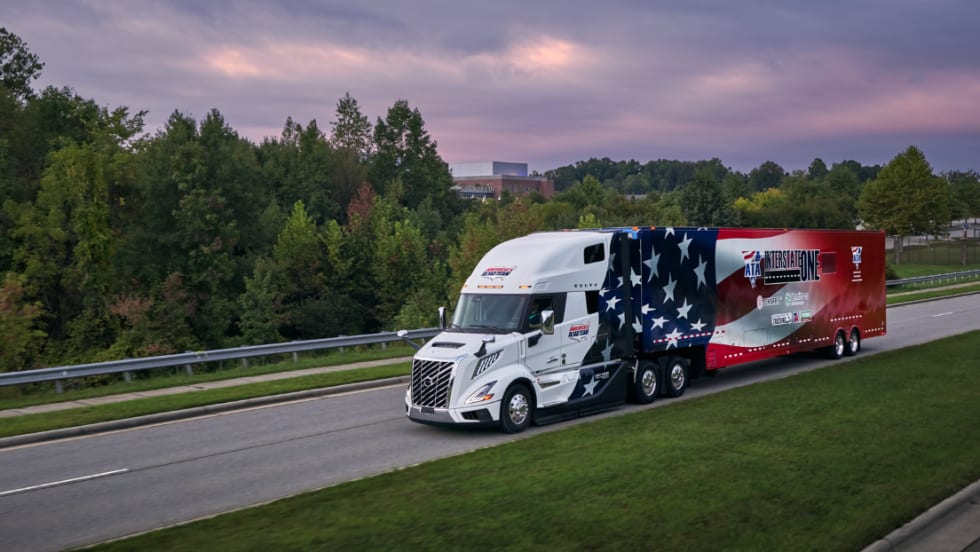
Volvo to Sponsor America’s Road Team for 2025
Volvo Trucks announced that it is extending its exclusive sponsorship of America’s Road Team for 2025.
Read More →
Webb to Start Taking Orders for UltraSet Pre-Adjusted Wheel Hubs
Webb, which recently acquired the Stemco Trifecta pre-adjusted hub program, will soon start taking orders for its replacement pre-assembled hub, the UltraSet.
Read More →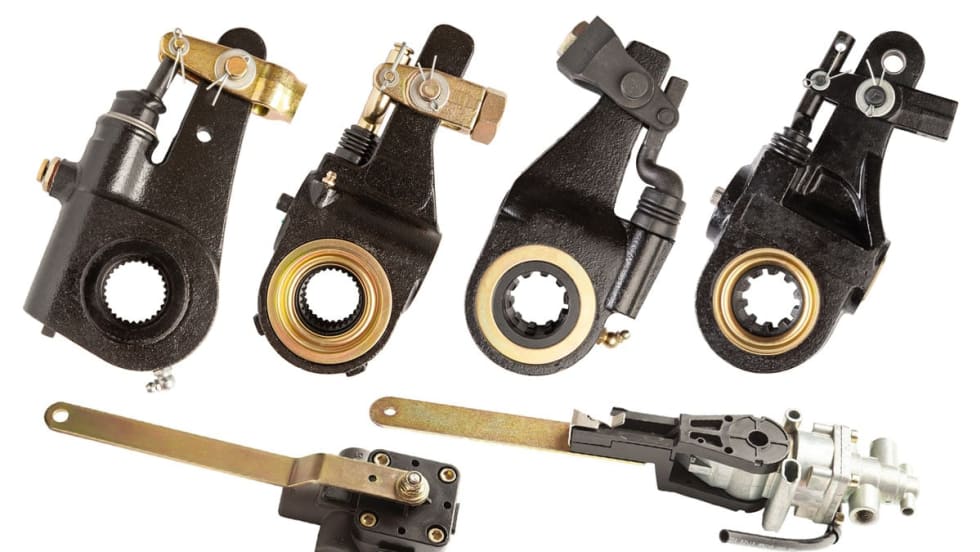
All-Makes Automatic Brake Adjusters, Ride Height Control Valves from Midland
SAF-Holland has added automatic brake adjusters and ride height control valves to its Midland All-Makes Program.
Read More →
ZF Aftermarket Expands [pro]Academy Training
ZF Aftermarket said it is expanding its ZF [pro]Academy training and will be adding 40 new modules this year.
Read More →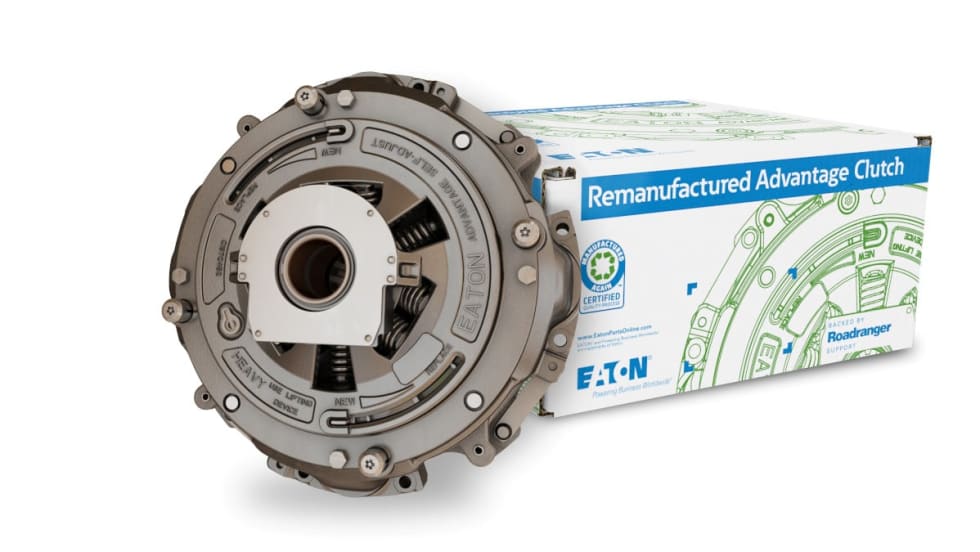
Eaton Adds Remanufactured Advantage Line of Clutches
Eaton has added its Advantage clutches to its remanufactured product line. The clutches feature a unique strap drive intermediate plate designed to allow customers to choose the latest OE specification
Read More →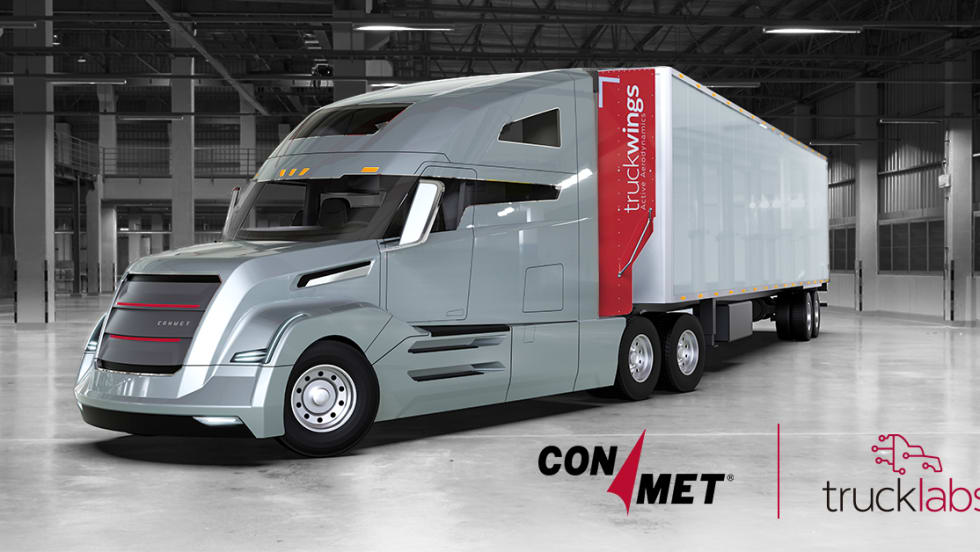
ConMet Acquires TruckLabs, the Creator of TruckWings
Commercial truck and trailer parts provider ConMet acquired TruckLabs, the company that created TruckWings, an aerodynamic device that attaches to truck cabs and deploys to close the gap between truck and trailer. TruckLabs now operates as a subsidiary of ConMet.
Read More →
Diesel Laptops Releases Fault-Code-to-Part-Number Tool
Diesel Laptops said its Truck Fault Codes allows users to input a fault code and immediately identify and order the parts needed to complete repair work.
Read More →