




SCTA Says Fuel Costs Cancel Out Trucking Profits
With the economy picking up steam and industry capacity tight, you would think trucking operations would be making money again
With the economy picking up steam and industry capacity tight, you would think trucking operations would be making money again.
But with diesel fuel nationwide averaging around 19.5 cents per gallon higher than this time last year -- at $1.74 per gallon this week -- whatever profit could be made is being wiped out by the higher prices, according to a report by the South Carolina Trucking Assn. (SCTA).
For truck fleets, fuel costs are the second highest operating expense next to labor, and typically represent 10-20% of their expenses. Historically most fleets attempt to pass increased fuel costs along to shippers in the form of a surcharge. But now, in the best cases, only a portion of those costs can be recovered because those surcharges do not cover empty or out-of-route miles and carriers can't keep up with rapid spikes or increases.
"This can wipe out whatever profit a carrier might be able to earn," says Rick Todd, president of SCTA.
"While most carriers are adjusting to persistently high diesel fuel costs, any rapid spike in prices is particularly detrimental to earnings," Todd says. "And as households see their purchasing power chipped away by rising gasoline costs for their passenger vehicles, our industry is seeing the possibility for less goods-hauling demand, which is bad for the economy and particularly bad for truckers."
It is interesting to note that as you move west across the country, the price changes from a year earlier get significantly larger. For example, the East Coast average price is 7.4 cents higher than at this time last year, while on the West Coast; the average price is 50.6 cents higher. The West Coast region has been experiencing a diesel shortage due to continued refinery problems in California. Long haul carriers have to buy fuel as needed where they operate, so they are hit even harder.
Trucking industry financial analysts report that truckload carriers could lose up to 5% of expected earnings this year because of skyrocketing fuel prices. According to news reports, Energy Secretary Spencer Abraham said recently that motor fuel prices were likely to rise further because of growing worldwide demand for fuel and because Congress had not developed an overall energy policy.
With the economic recovery, many trucking operations look to expand their fleets to take advantage of growing business opportunities. This time around it is particularly difficult because lenders are very particular about who they're willing to extend credit to after a three-year freight recession and record carrier bankruptcies. Insurance costs have also made it very difficult for marginal carriers to obtain or afford federally mandated truck liability insurance. Increasing fuel costs make it even more difficult for carriers looking to expand.
Diesel's price is increasing and no relief is in sight, says Todd. Truckers have been trying to boost their profits by raising freight rates in the economic recovery, but carriers could wind up pumping some of that revenue gain back into fuel tanks.
More Aftermarket

What Three Fleets Are Doing Differently When Buying Truck Parts in 2026
With freight improving but costs still climbing, fleet maintenance executives explain how they're balancing price, quality, and supplier relationships.
Read More →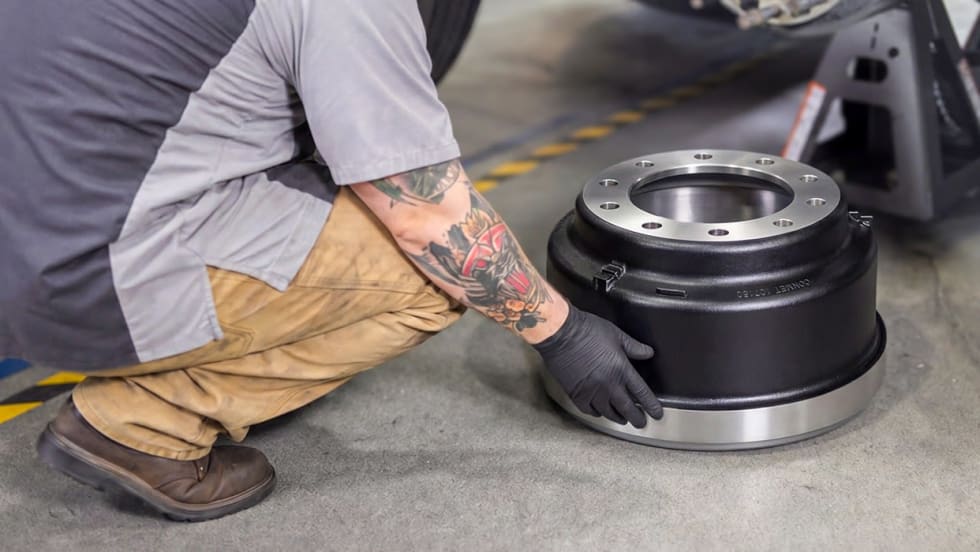
ConMet Expands Aftermarket Brake Drum Lineup With TruCast
A new heavy-duty truck brake drum option in the aftermarket gives customers more flexibility within the ConMet product family.
Read More →
Phillips Opens High-Tech Distribution Center for Faster Parts Delivery
Phillips Industries’ new Cincinnati-area distribution center is now shipping aftermarket trucking parts nationwide, aiming to speed up delivery times for customers.
Read More →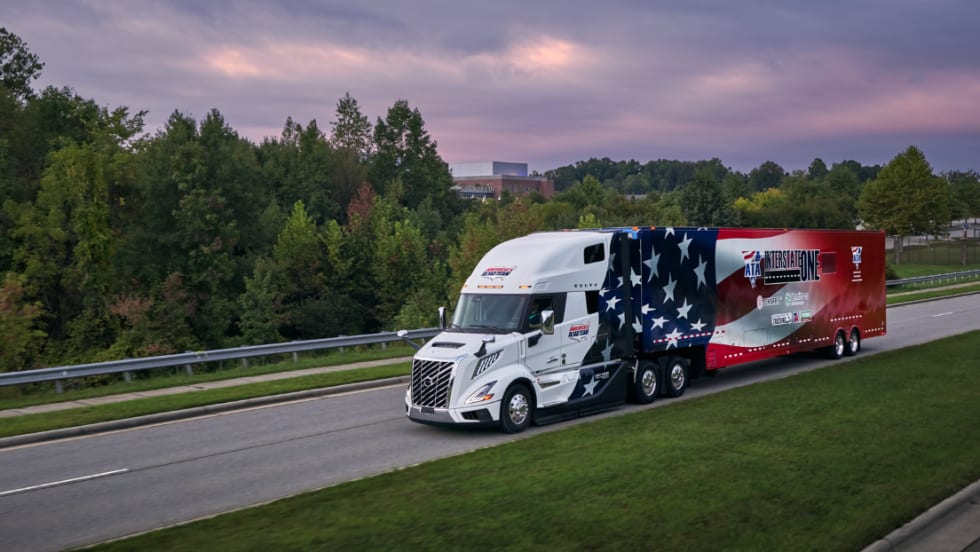
Volvo to Sponsor America’s Road Team for 2025
Volvo Trucks announced that it is extending its exclusive sponsorship of America’s Road Team for 2025.
Read More →
Webb to Start Taking Orders for UltraSet Pre-Adjusted Wheel Hubs
Webb, which recently acquired the Stemco Trifecta pre-adjusted hub program, will soon start taking orders for its replacement pre-assembled hub, the UltraSet.
Read More →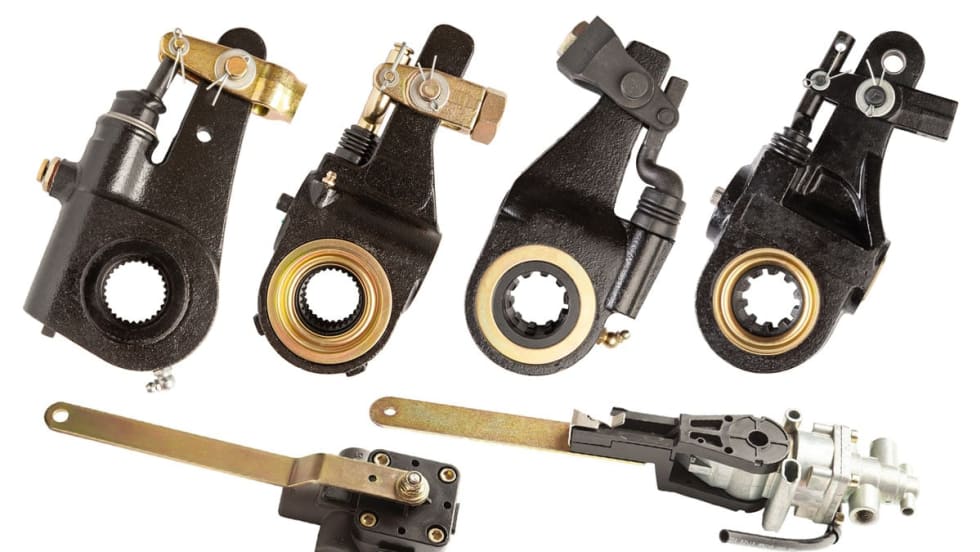
All-Makes Automatic Brake Adjusters, Ride Height Control Valves from Midland
SAF-Holland has added automatic brake adjusters and ride height control valves to its Midland All-Makes Program.
Read More →
ZF Aftermarket Expands [pro]Academy Training
ZF Aftermarket said it is expanding its ZF [pro]Academy training and will be adding 40 new modules this year.
Read More →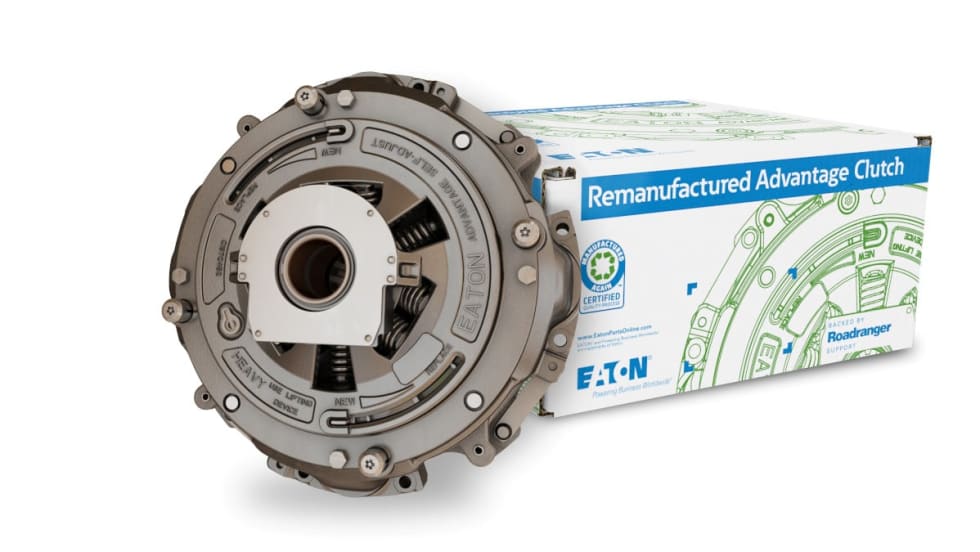
Eaton Adds Remanufactured Advantage Line of Clutches
Eaton has added its Advantage clutches to its remanufactured product line. The clutches feature a unique strap drive intermediate plate designed to allow customers to choose the latest OE specification
Read More →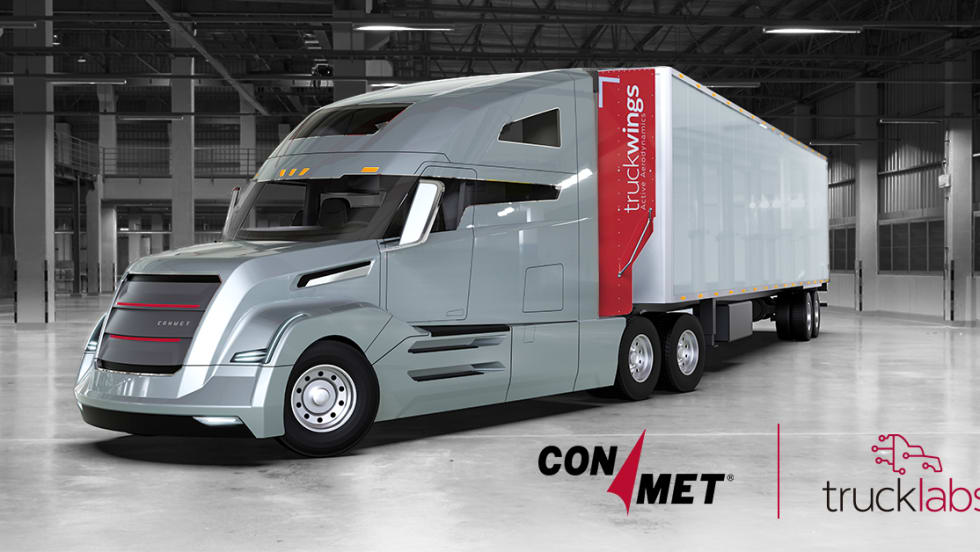
ConMet Acquires TruckLabs, the Creator of TruckWings
Commercial truck and trailer parts provider ConMet acquired TruckLabs, the company that created TruckWings, an aerodynamic device that attaches to truck cabs and deploys to close the gap between truck and trailer. TruckLabs now operates as a subsidiary of ConMet.
Read More →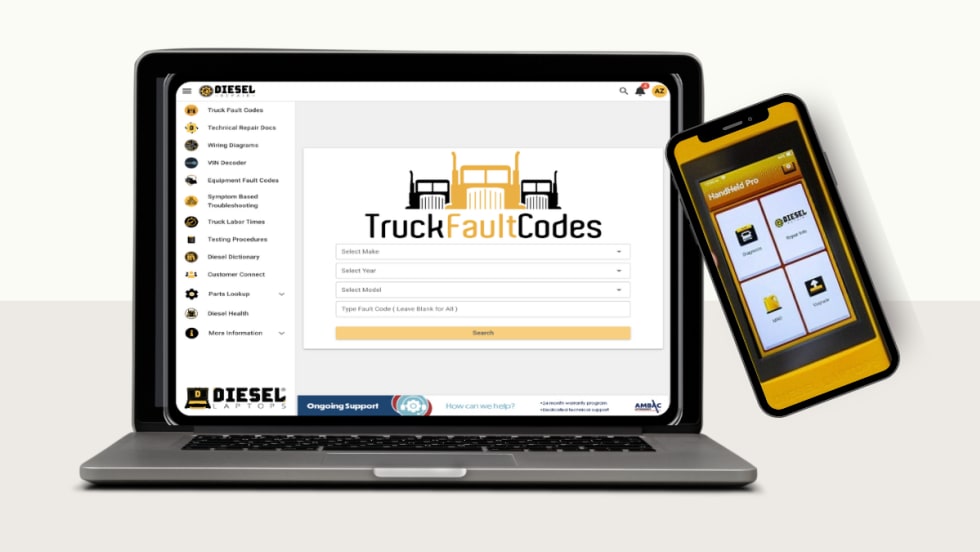
Diesel Laptops Releases Fault-Code-to-Part-Number Tool
Diesel Laptops said its Truck Fault Codes allows users to input a fault code and immediately identify and order the parts needed to complete repair work.
Read More →