




SAE Panel: Global Cooperation Key to Technology Innovation
Global product development, lauded for shaving engineering costs and speeding products to market, is providing other benefits for U.S.-based commercial vehicle manufacturers: Fresh thinking from other parts of the world
Global product development, lauded for shaving engineering costs and speeding products to market, is providing other benefits for U.S.-based commercial vehicle manufacturers: Fresh thinking from other parts of the world.
Like the auto industry, the commercial vehicle industry increasingly relies on engineers in other countries to help develop products sold here, and those global resources are paying off in innovative ideas.
"When we take advantage of the expertise we have globally, sometimes we find they can do things better than we can here," said Clayton Nicholas, engineering director of advanced controls and security products for supplier Delphi Corp.
Nicholas spoke Tuesday at a panel discussion at the SAE International Commercial Vehicle Engineering Congress and Exhibition being held this week in Rosemont, Ill.
Nicholas said a Delphi engineering team in Singapore demonstrated it could turn concepts into production-ready reality faster than U.S.-based teams that had been doing the work.
"Before, with any new product, we were afraid to have anyone try to do that away from our home offices. Now we get great ideas and things we hadn't thought of before," he said.
Outsourcing engineering work to other countries provides obvious benefits in lower costs and having more brains tackle the same task around the clock, but Dan Henderson, division manager of Caterpillar Inc., said tapping global resources can also encourage innovation by bringing different perspectives from diverse cultures to a project.
"You have a much richer idea pool to draw from," Henderson said, adding that the current economic situation requires companies to rely on global resources to compete on cost, scale and innovation. "If we don't do that, we can't be successful."
At Deere & Co., engineering traditionally was done in the U.S. and Europe, but Chris Myers, director of worldwide tractor engineering, estimates that 25 to 30 percent now is done outside those areas at engineering centers in places such as India and China.
"We're much closer to the genesis of those ideas by being there," Myers said. "They have challenged our thinking in how we approach things. They may approach how an axle or a chassis should look in a different way."
Myers appeared on the same SAE panel with Nicholas and Henderson and agreed that global product development has become necessary to be competitive.
"We are now in a war for talent around the world," he said. We must recruit globally to meet our global growth aspirations. All of the OEMs and suppliers are seeing the need for the innovation and creativity that comes from having people from around the world with different experiences and backgrounds."
Kary Schaefer, vehicle manager of Daimler Trucks North America, said sharing global engineering resources doesn't mean one vehicle or even one size fits all regions. For example, U.S. regulations on large commercial trucks, the 18-wheelers, mainly restrict trailer length while European rules measure the tractor and trailer together.
But being able to tap Daimler AG's global resources means that U.S.-made Freightliner trucks have a lane departure warning system and GPS-based cruise control that senses hills for maximum economy. Those features were developed in Europe for Mercedes-Benz passenger cars.
"That's a great opportunity for us," she said. "That allows us to apply technology in an area we had never thought of before."
"You have a much richer idea pool to draw from," Henderson said, and such diversity can generate new ways of viewing old problems. "They're not bound by the same paradigms and cultural as people who have a narrower focus. They may have better quality ideas and are more likely to recognize problems and come up with solutions faster."
Henderson added that the current economic situation requires companies to rely on global resources to compete on cost, scale and innovation. "If we don't do that, we can't be successful," he said.
More Aftermarket

What Three Fleets Are Doing Differently When Buying Truck Parts in 2026
With freight improving but costs still climbing, fleet maintenance executives explain how they're balancing price, quality, and supplier relationships.
Read More →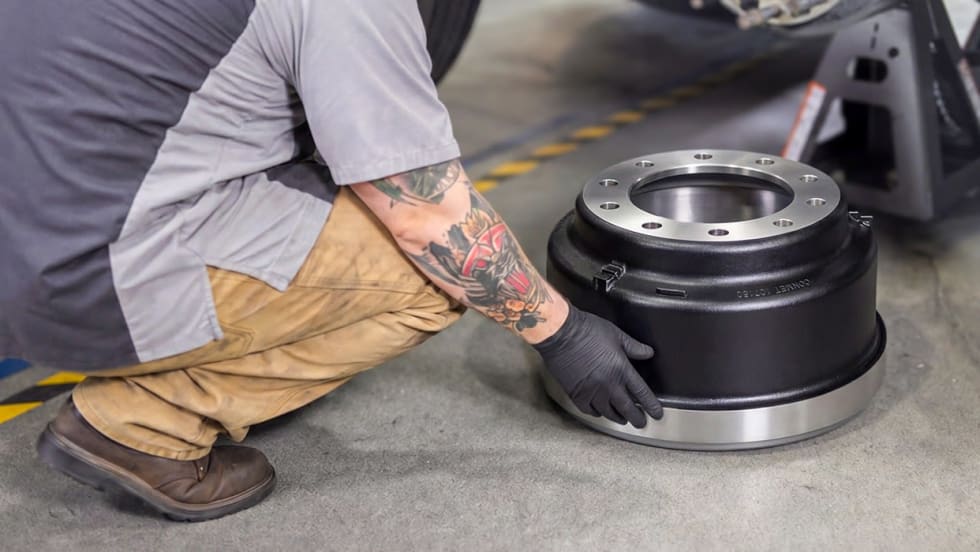
ConMet Expands Aftermarket Brake Drum Lineup With TruCast
A new heavy-duty truck brake drum option in the aftermarket gives customers more flexibility within the ConMet product family.
Read More →
Phillips Opens High-Tech Distribution Center for Faster Parts Delivery
Phillips Industries’ new Cincinnati-area distribution center is now shipping aftermarket trucking parts nationwide, aiming to speed up delivery times for customers.
Read More →
Volvo to Sponsor America’s Road Team for 2025
Volvo Trucks announced that it is extending its exclusive sponsorship of America’s Road Team for 2025.
Read More →
Webb to Start Taking Orders for UltraSet Pre-Adjusted Wheel Hubs
Webb, which recently acquired the Stemco Trifecta pre-adjusted hub program, will soon start taking orders for its replacement pre-assembled hub, the UltraSet.
Read More →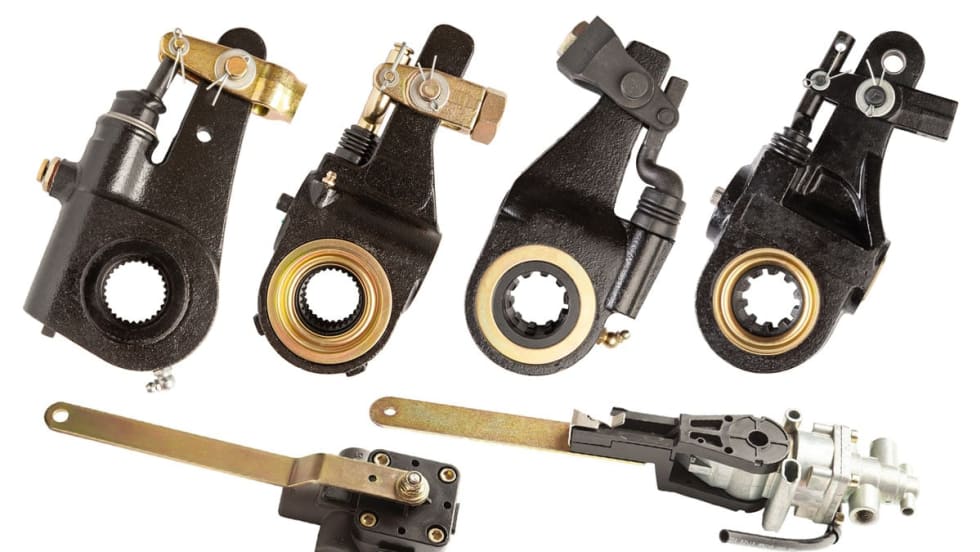
All-Makes Automatic Brake Adjusters, Ride Height Control Valves from Midland
SAF-Holland has added automatic brake adjusters and ride height control valves to its Midland All-Makes Program.
Read More →
ZF Aftermarket Expands [pro]Academy Training
ZF Aftermarket said it is expanding its ZF [pro]Academy training and will be adding 40 new modules this year.
Read More →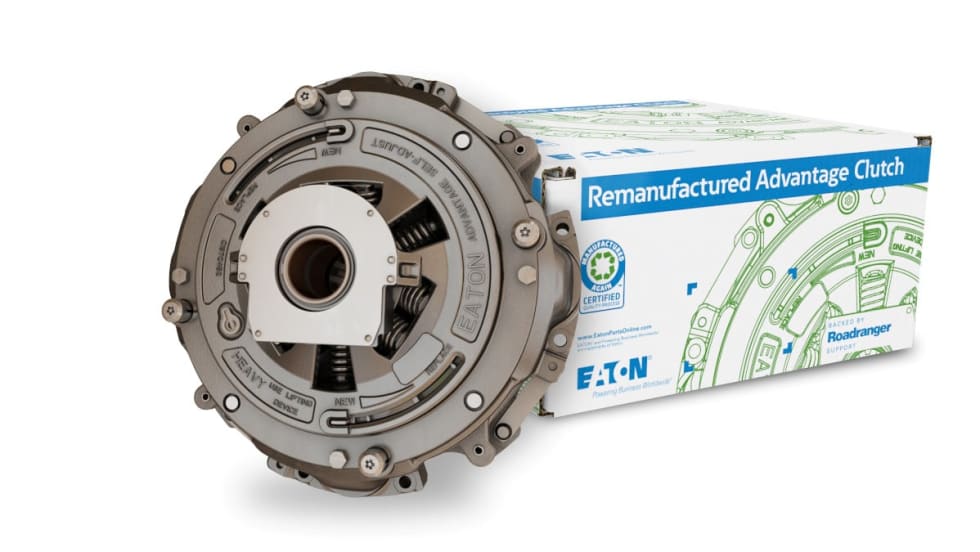
Eaton Adds Remanufactured Advantage Line of Clutches
Eaton has added its Advantage clutches to its remanufactured product line. The clutches feature a unique strap drive intermediate plate designed to allow customers to choose the latest OE specification
Read More →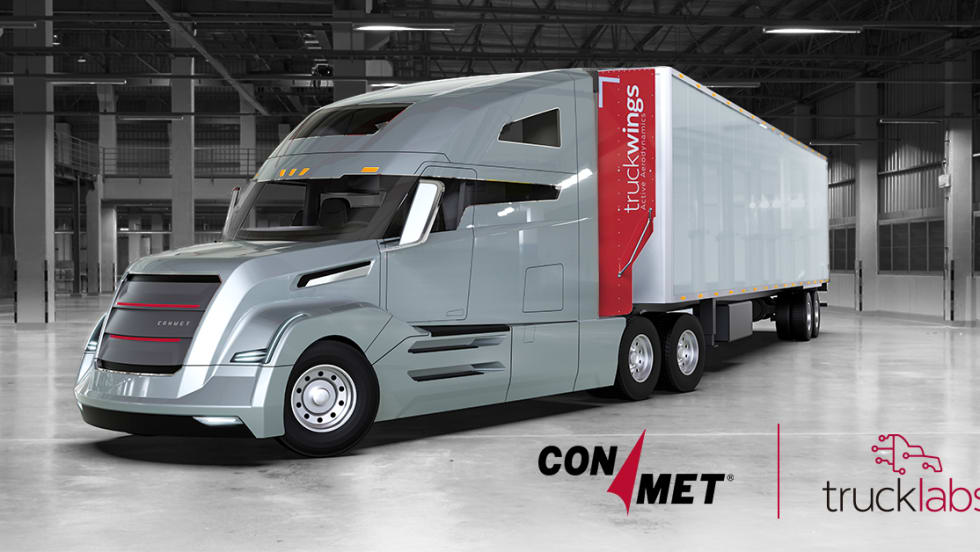
ConMet Acquires TruckLabs, the Creator of TruckWings
Commercial truck and trailer parts provider ConMet acquired TruckLabs, the company that created TruckWings, an aerodynamic device that attaches to truck cabs and deploys to close the gap between truck and trailer. TruckLabs now operates as a subsidiary of ConMet.
Read More →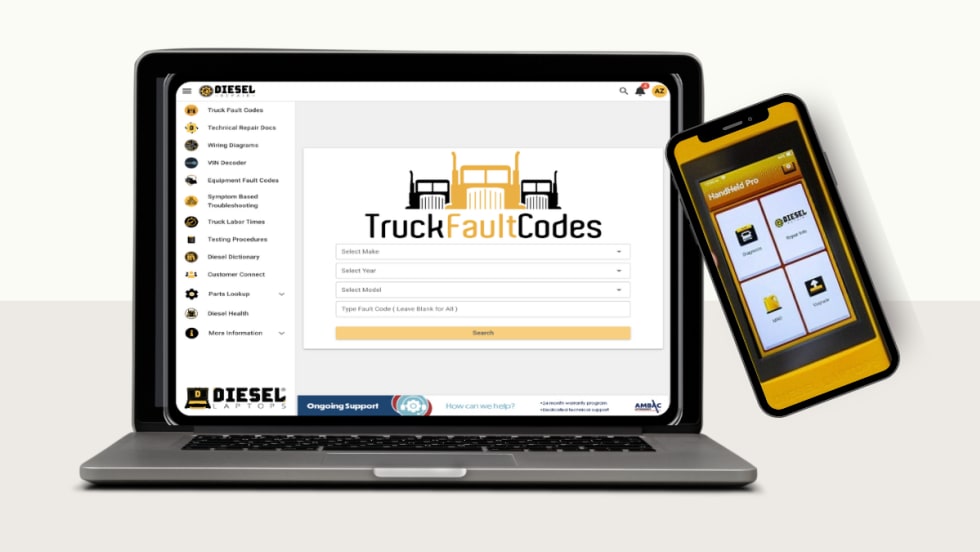
Diesel Laptops Releases Fault-Code-to-Part-Number Tool
Diesel Laptops said its Truck Fault Codes allows users to input a fault code and immediately identify and order the parts needed to complete repair work.
Read More →