




Report: Wireless Technology has Potential to Produce Multi-sector Savings, Efficiencies
An emerging wireless-enabled environment could drive billions of dollars in energy savings and reshape how American industry, agriculture and the public sector approach sustainability, according to a report sponsored by CTIA-The Wireless Association
An emerging wireless-enabled environment could drive billions of dollars in energy savings and reshape how American industry, agriculture and the public sector approach sustainability, according to a report sponsored by CTIA-The Wireless Association.
The report, entitled "Wireless and the Environment: A Review of Opportunities and Challenges," details the environmental impact of wireless applications in four areas: transportation, energy, agriculture and the public sector. These industries were selected for their leadership in using wireless technology to implement sustainability initiatives. In addition, these innovative industries demonstrate how wireless data contributes to the bottom line through improved inventory management and forecasting as well as being more efficient users of labor, property, plant and equipment.
The report was authored by BSR, an organization that consults with businesses globally on sustainability and social responsibility.
"The report illustrates the transformative power wireless communications has on our personal and professional lives and on businesses seeking cost savings through sustainable practices," said Steve Largent, President and CEO of CTIA. "This report is another piece of evidence for why the U.S. wireless industry needs more spectrum as more companies of all sizes continue to use mobile products and services to drive efficiencies that benefit their customers and the environment."
In one example cited in the report, wireless-enabled fleet management solutions would allow trucking and logistics companies to cut CO2 emissions by 36 million metric tons annually -- the equivalent of removing six million passenger vehicles from U.S. roads.
"Wireless and the Environment" provides a variety of case studies outlining innovative wireless-enabled sustainability initiatives underway at various organizations, including UPS, Duke Energy, Grape Networks and the city of San Francisco. The report's findings are organized by four key focus areas:
1. Transport: Wireless-enabled fleet management and telemetrics help trucking and logistics companies cut the number of empty or under-utilized trucks on the road. For instance, better fleet management through wireless technology could cut the amount of time that trucks idle, reducing fuel cost per truck by $3,600 and eliminating nine million metric tons of CO2 emissions annually.
2. Utilities: Increasingly, wireless networks are serving as the nervous system of the U.S.'s smart electricity and water infrastructure, connecting users with generators (utilities) and distribution networks. Smart grids depend on information conveyed by wireless technology to enable timely action and promote lower energy use. If rolled out nationally, smart grids could eliminate 360 million metric tons of CO2, the equivalent of the emissions produced by 68 million passenger vehicles or the annual energy use of 30 million U.S. homes.
3. Agriculture: Wireless technology enables smarter agriculture practices by helping farmers understand natural forces, so they can adopt approaches that are more resourceful and thoughtful for the environment. For example, farmers are increasingly using precision agriculture to leverage newly-available data thanks to wireless technology so they achieve the right mix of land, fertilizers, pesticides and water to boost crop and livestock production. Wider application of precision agriculture could reduce water use by 11-50%.
Public Sector: The public relies on government for an array of services -- from emergency response to trash collection -- that have direct environmental impacts. Wireless can help the public sector reduce its impact in a number of these services, with smart traffic applications as one of the most promising. By deploying these applications, urban planners could lessen the environmental impact of public infrastructure and public service delivery. If available on a wider scale, smart traffic applications could cut fuel consumption on urban roadways by as much as 20 percent nationwide.
"These examples of sustainability efforts made possible by wireless technology are just the tip of the iceberg," said Vijay Kanal, Director of BSR's Information and Communications Technology Practice, and project leader of this report. "With breakthroughs in machine-to-machine communications, sensors and greater penetration of wireless broadband, BSR anticipates applications around these technologies will mushroom as commercial and public sector organizations continue to seek out efficiencies and cost savings that also benefit the environment. But the ICT industry needs to take a lead in helping other industries realize this potential, while also addressing some of the negative impacts."
In early 2012, BSR will deliver the second report in the CTIA-commissioned series, which will cover the socio-economic impact of wireless technology in the developed and developing world.
To access the "Wireless and the Environment" report, visit: Wireless and the Environment.
More Aftermarket

What Three Fleets Are Doing Differently When Buying Truck Parts in 2026
With freight improving but costs still climbing, fleet maintenance executives explain how they're balancing price, quality, and supplier relationships.
Read More →
ConMet Expands Aftermarket Brake Drum Lineup With TruCast
A new heavy-duty truck brake drum option in the aftermarket gives customers more flexibility within the ConMet product family.
Read More →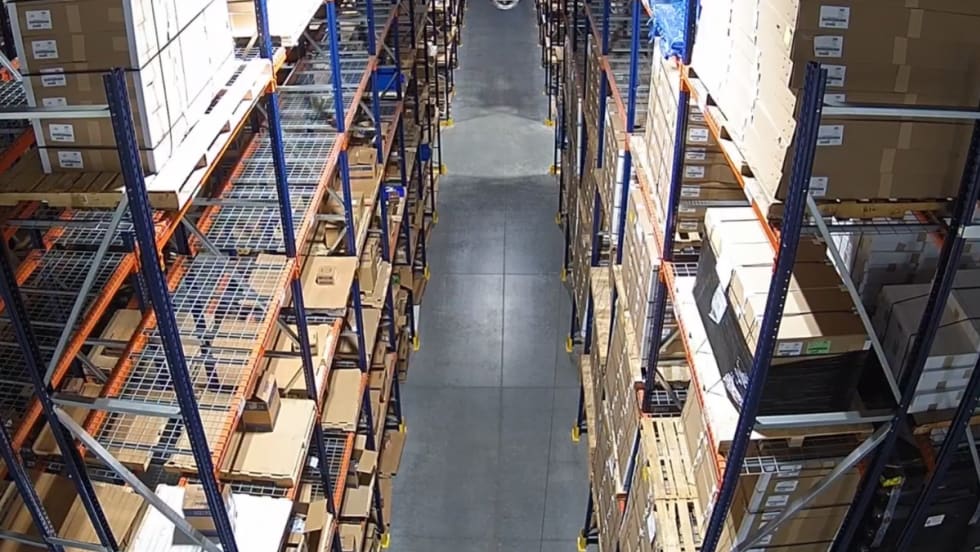
Phillips Opens High-Tech Distribution Center for Faster Parts Delivery
Phillips Industries’ new Cincinnati-area distribution center is now shipping aftermarket trucking parts nationwide, aiming to speed up delivery times for customers.
Read More →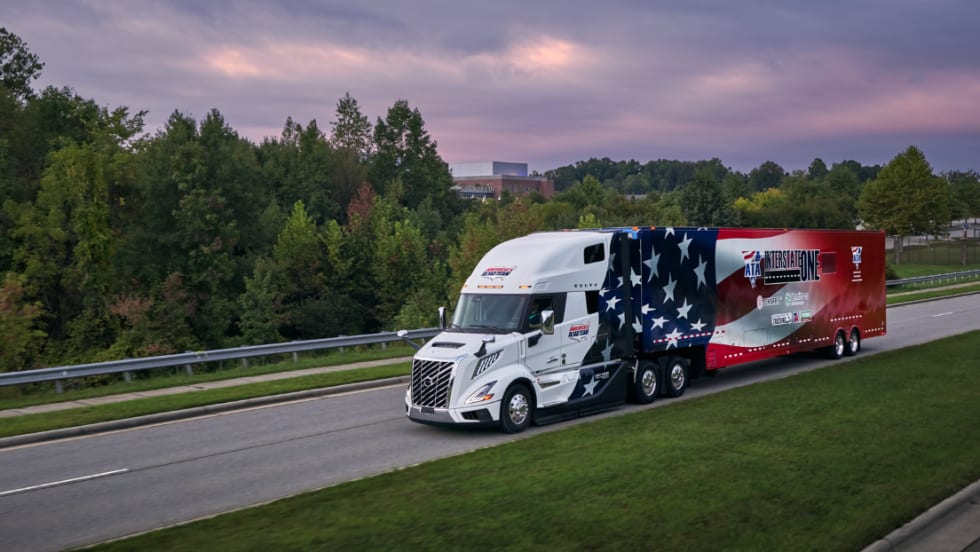
Volvo to Sponsor America’s Road Team for 2025
Volvo Trucks announced that it is extending its exclusive sponsorship of America’s Road Team for 2025.
Read More →
Webb to Start Taking Orders for UltraSet Pre-Adjusted Wheel Hubs
Webb, which recently acquired the Stemco Trifecta pre-adjusted hub program, will soon start taking orders for its replacement pre-assembled hub, the UltraSet.
Read More →
All-Makes Automatic Brake Adjusters, Ride Height Control Valves from Midland
SAF-Holland has added automatic brake adjusters and ride height control valves to its Midland All-Makes Program.
Read More →
ZF Aftermarket Expands [pro]Academy Training
ZF Aftermarket said it is expanding its ZF [pro]Academy training and will be adding 40 new modules this year.
Read More →
Eaton Adds Remanufactured Advantage Line of Clutches
Eaton has added its Advantage clutches to its remanufactured product line. The clutches feature a unique strap drive intermediate plate designed to allow customers to choose the latest OE specification
Read More →
ConMet Acquires TruckLabs, the Creator of TruckWings
Commercial truck and trailer parts provider ConMet acquired TruckLabs, the company that created TruckWings, an aerodynamic device that attaches to truck cabs and deploys to close the gap between truck and trailer. TruckLabs now operates as a subsidiary of ConMet.
Read More →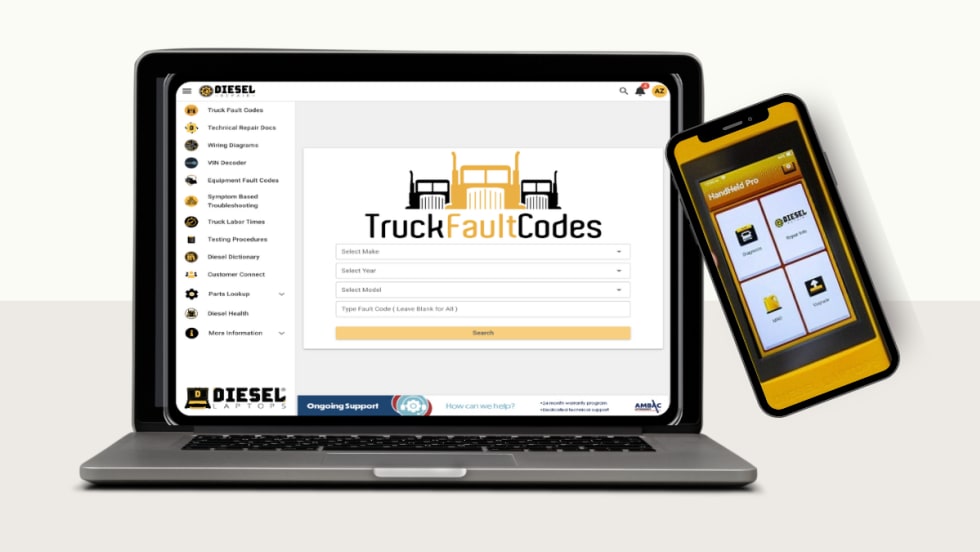
Diesel Laptops Releases Fault-Code-to-Part-Number Tool
Diesel Laptops said its Truck Fault Codes allows users to input a fault code and immediately identify and order the parts needed to complete repair work.
Read More →