




Reefer Operators Say They Deserve 'Premium Rate for Premium Services'
Operators of temperature-controlled equipment deliver premium service and should be getting premium rates from shippers, but in many cases aren't. This is indicated in relatively low return-on-investment figures presented at the Truckload Carriers Association's Refrigerated Division annual meeting last week in New Mexico
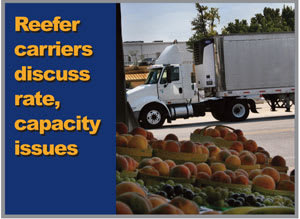
Operators of temperature-controlled equipment deliver premium service and should be getting premium rates from shippers, but in many cases aren't. This is indicated in relatively low return-on-investment figures presented at the Truckload Carriers Association's Refrigerated Division annual meeting last week in New Mexico.
A tractor and refrigerated trailer today costs about $200,000 compared to $182,000 for a tractor and dry van, said economist John Larkin, quoting survey figures during the opening general session. However, going rates give dry-van operators a 6.6% return on investment, while reefer operators get only 5.8%. That has caused some fleets to consider buying more dry vans because they can make more money with them, he noted.
"You shouldn't be bashful" in asking for higher rates, said Larkin, managing director at Stifel-Nicolaus. The more complex and expensive reefer trailer, plus the fuel to feed it and all the care the load gets en route, should be rewarded, and shippers should be told that.
Rates should also rise because of increasing fuel costs and pressures from new federal regulations which will exacerbate the driver shortage - something faced by all fleets and a topic of casual discussions among members during social functions.
"How many trucks you got?" one fleet manager asked another across a table at an evening reception. "We've got…" the man began to answer, then corrected what he was going to say with, "… We've got 195 drivers."
"Yeah, that's where it's at now," the questioner remarked. "How many drivers do you have." Understood was the fact that a fleet can have a million trucks, but can only operate as many as it has people to drive them.
E-logs
The conversation quickly turned to electronic driver logs, which one man's fleet had begun using. And he was not happy about them. E-logs are inflexible and restrict what a driver can do and not do.
Most troublesome is that "once he starts working, he's got to keep going" because the e-logging device records exactly what the truck is doing, including loading delays and nap stops that cannot be papered over as they can with a manual log.
Most inspectors today don't know what to do with an e-log, the manager continued. "Oh, that thing - never mind," an inspector will say and wave the driver on. "That saves time because we don't get inspected," the manager said. "But you don't get any good inspections" of equipment which can help with Federal Motor Carrier Safety Administration's new CSA scores that are now becoming important to a fleet and its drivers.
"We've got 'em on about half our trucks and the drivers don't like 'em," the manager said of the devices. "We've stopped there and are thinking about, should we go on" and equip the rest of the trucks. "But now we're in a bind. If we don't do the other trucks, those guys will be happy. But the ones we've asked to deal with the e-logs, now what do we tell them?"
E-logs and electronic on-board recorders are not yet required, but they will be, another manager explained when asked why anybody now bothers with them. They need to get accustomed to the devices and how they affect operations. But truck operators are wary of them.
Paying for Reefer Fuel
Back on the money side of the business, some operators are finding limited success in collecting a "reefer surcharge." This is primarily the fuel expense a trucker incurs in running the reefer unit while the load is enroute, and was one of the topics covered in a panel discussion of "accessorial costs coverage" on the meeting's second morning.
"Shippers think they've overcompensated us on the fuel surcharge" for tractors, "so want to hold back on reefers," said Steve Wutke, vice president of sales at Prime Inc., a panel member. Also, "They want one fuel surcharge to fit all. They don't want to administer two surcharges."
Shippers generally prefer to keep things simple and don't want to be inundated with operating data, some observed. However, when asked to compensate the trucker for expenses, they then want to see the pertinent numbers.
On the tractor fuel surcharge, "They want to re-index from 5 to 5 and a half, and from 5 and a half to 6" mpg as the measure to compute what the surcharge should be, Wutke observed.
He later noted that getting shippers to pay a reefer surchange or anything else, including a contracted freight rate, is not a matter of what's correct or proper. "It's supply and demand."
More Aftermarket
What Three Fleets Are Doing Differently When Buying Truck Parts in 2026
With freight improving but costs still climbing, fleet maintenance executives explain how they're balancing price, quality, and supplier relationships.
Read More →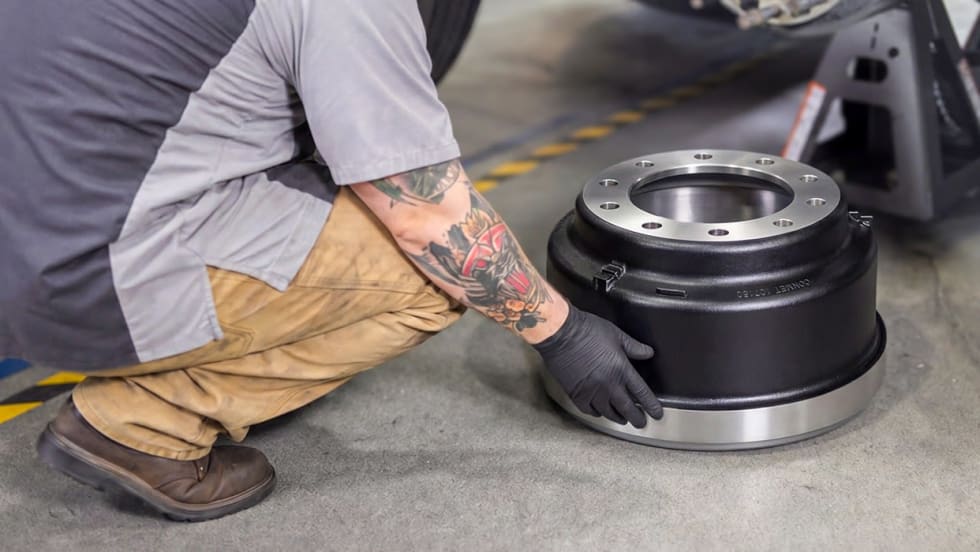
ConMet Expands Aftermarket Brake Drum Lineup With TruCast
A new heavy-duty truck brake drum option in the aftermarket gives customers more flexibility within the ConMet product family.
Read More →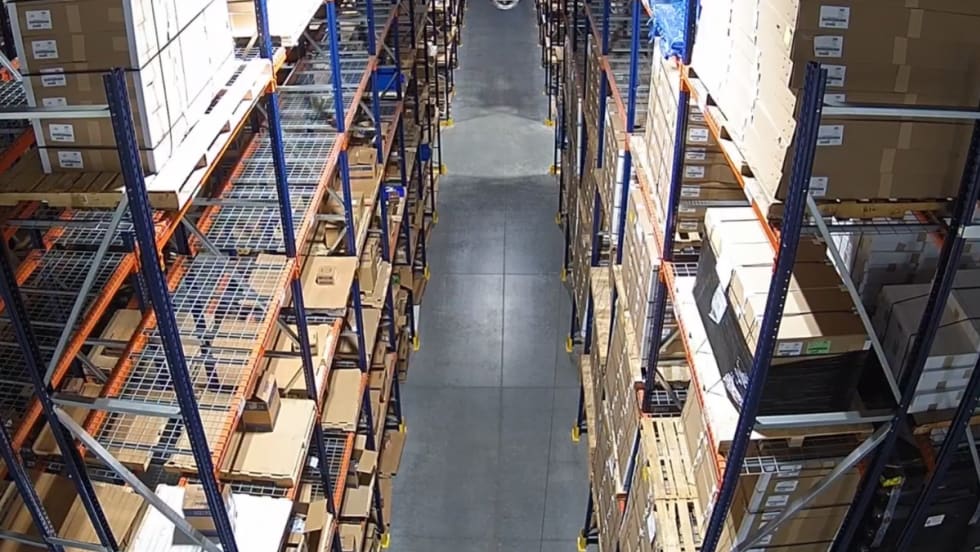
Phillips Opens High-Tech Distribution Center for Faster Parts Delivery
Phillips Industries’ new Cincinnati-area distribution center is now shipping aftermarket trucking parts nationwide, aiming to speed up delivery times for customers.
Read More →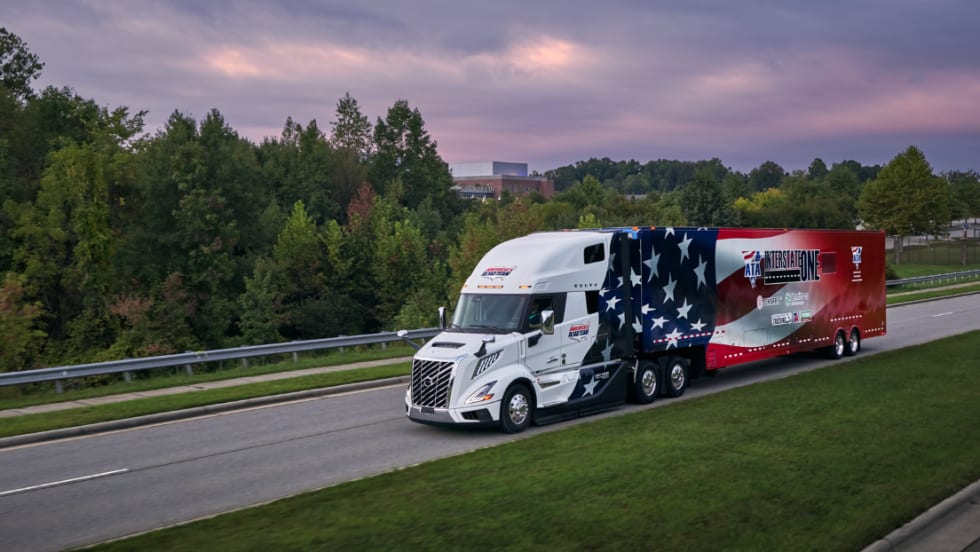
Volvo to Sponsor America’s Road Team for 2025
Volvo Trucks announced that it is extending its exclusive sponsorship of America’s Road Team for 2025.
Read More →
Webb to Start Taking Orders for UltraSet Pre-Adjusted Wheel Hubs
Webb, which recently acquired the Stemco Trifecta pre-adjusted hub program, will soon start taking orders for its replacement pre-assembled hub, the UltraSet.
Read More →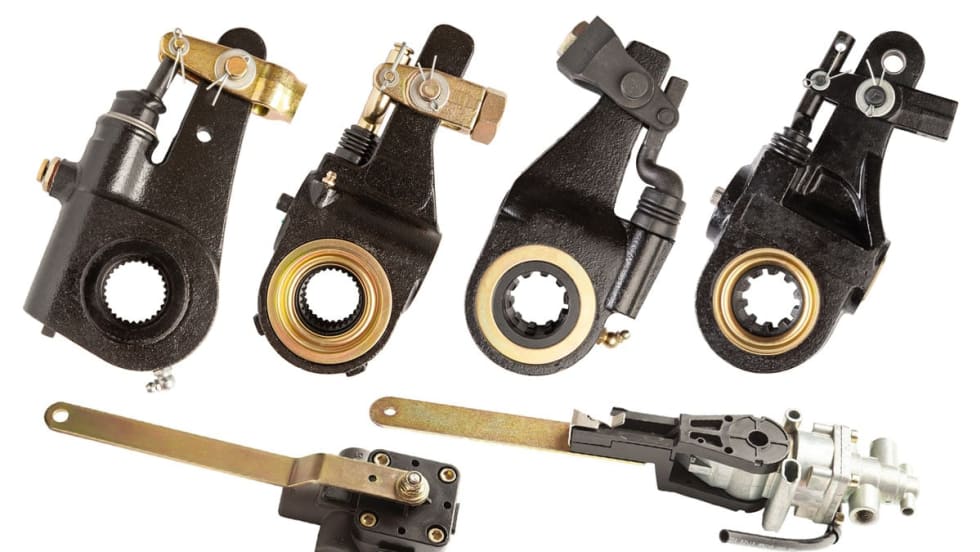
All-Makes Automatic Brake Adjusters, Ride Height Control Valves from Midland
SAF-Holland has added automatic brake adjusters and ride height control valves to its Midland All-Makes Program.
Read More →
ZF Aftermarket Expands [pro]Academy Training
ZF Aftermarket said it is expanding its ZF [pro]Academy training and will be adding 40 new modules this year.
Read More →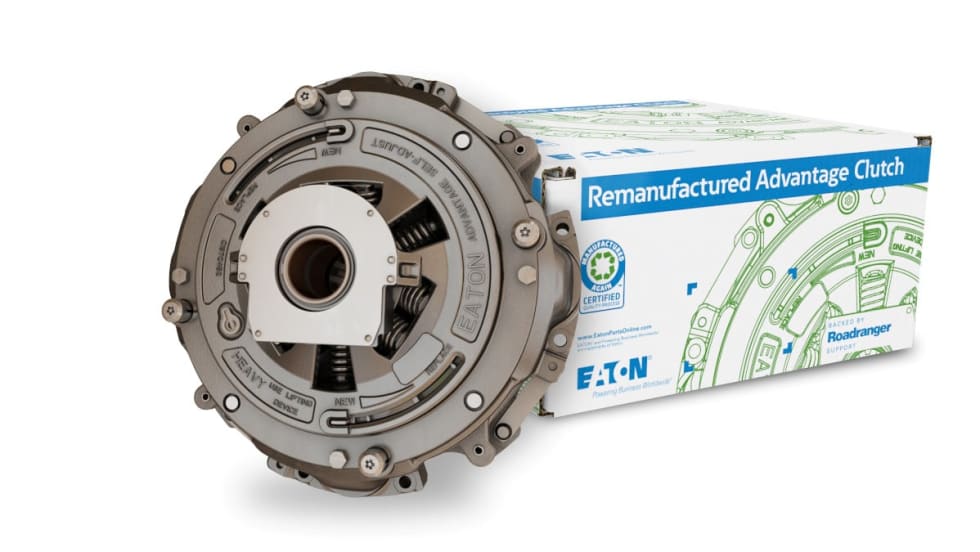
Eaton Adds Remanufactured Advantage Line of Clutches
Eaton has added its Advantage clutches to its remanufactured product line. The clutches feature a unique strap drive intermediate plate designed to allow customers to choose the latest OE specification
Read More →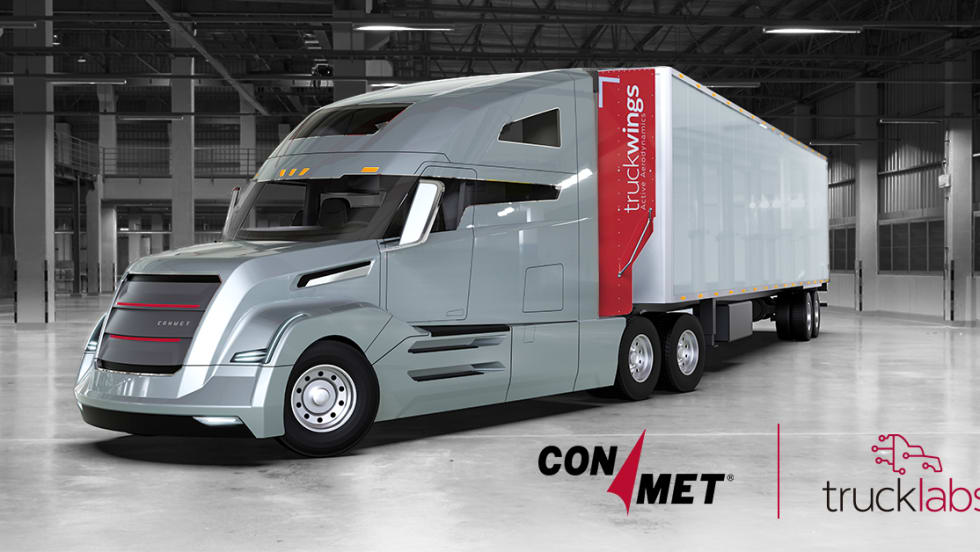
ConMet Acquires TruckLabs, the Creator of TruckWings
Commercial truck and trailer parts provider ConMet acquired TruckLabs, the company that created TruckWings, an aerodynamic device that attaches to truck cabs and deploys to close the gap between truck and trailer. TruckLabs now operates as a subsidiary of ConMet.
Read More →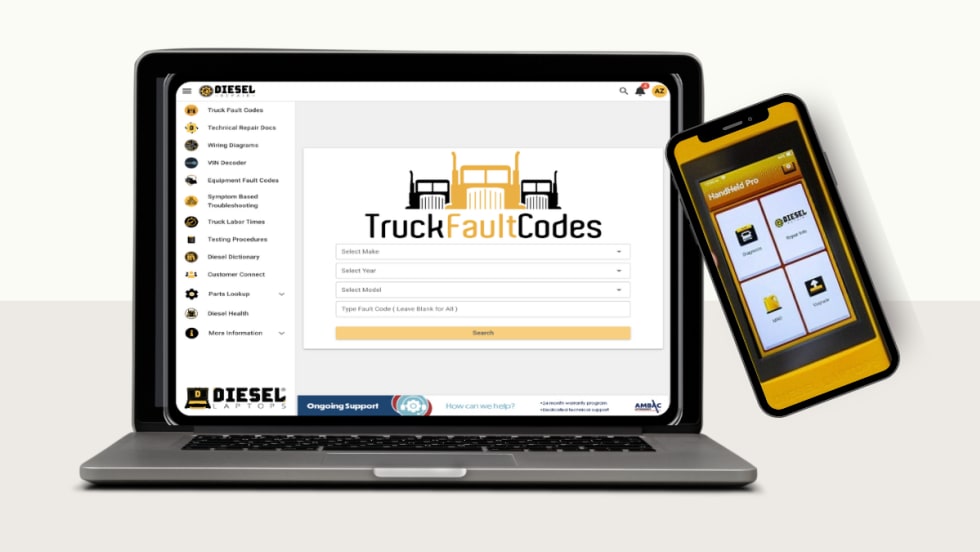
Diesel Laptops Releases Fault-Code-to-Part-Number Tool
Diesel Laptops said its Truck Fault Codes allows users to input a fault code and immediately identify and order the parts needed to complete repair work.
Read More →