




Q&A: Torc Robotics CEO on Daimler Acquisition and Autonomous Tech Timeline
Why Torc Robotics CEO Michael Fleming he thinks autonomous technology will make its initial inroads in long-haul fleets, and how the technology will make truck drivers' lives better inside of a decade.

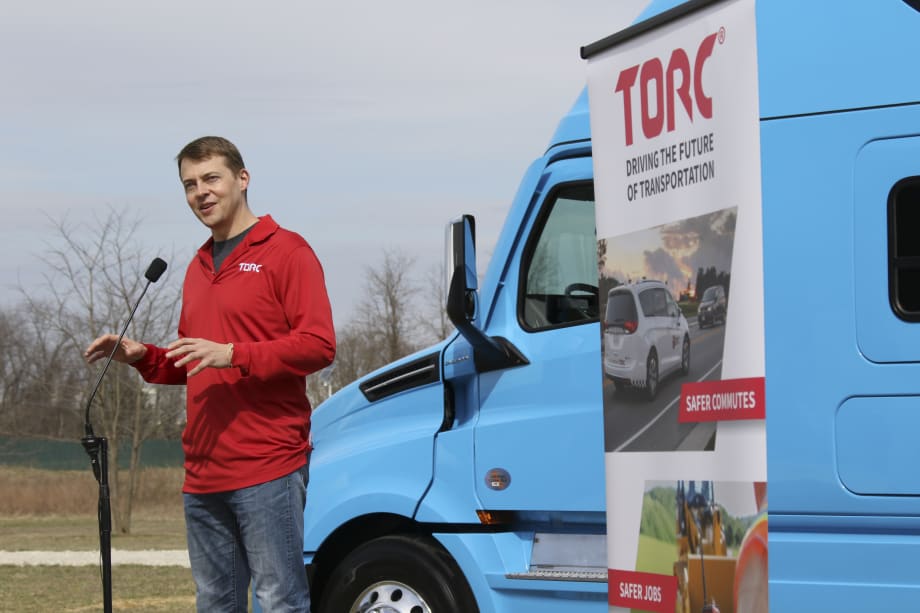
Torc Robotics CEO Michael Fleming thinks long haul fleets will be the first to adopt autonomous vehicle technology in a big way.
Photo: Torc Robotics
In March, Torc Robotics, a 13-year old startup autonomous technology developer, made headlines when Daimler Trucks acquired a majority stake of the company’s holdings. The significance of that acquisition became more apparent last week when Daimler announced the founding of its all new Autonomous Technology Group.
Both Torc and CEO Michael Fleming will play high-profile roles in this new business unit as Daimler seeks to cement its leadership position in autonomous truck technology. We spent a few minutes talking about these developments with Fleming, as well as his thoughts on how, when, and where autonomous technology will evolve in North American trucking applications.
HDT: Obviously, the big news is your acquisition by Daimler Trucks. How did that come about?
Fleming: We’ve been doing this for 13 years now. And an acquisition was never on our minds. We were far more interesting in pursuing partnerships in both trucking and automotive markets – although over time, we began to feel that trucking offered the best opportunity for autonomous technology to take hold because of the strong business case it offers fleets. So, as we began talking with Daimler, we could see that an acquisition made sense. And by doing so, it would bring autonomous technology to trucking faster than we could do on our own. And that’s always been our goal: to get this technology into the hands of people who will benefit from it the most.
HDT: What is your current timeline for the real-world, daily use of autonomous technology in trucking?
Fleming: It’s really challenging to predict how all of this is going to play out – especially when you start talking in terms of 30, 40 or 50 years. But I do believe that in the next decade, autonomous technology will move into trucking much quicker than it will in automotive applications – like taxi services, for example.
HDT: A decade isn’t really that long a period of time.
Fleming: There is a strong business case for autonomous technology in the United States. Trucking is ripe for more automation and technology because of the uptick in ecommerce and the ongoing shortage of truck drivers. Those are the forces driving the interest and development of this technology.
HDT: Where do you think the first successes will be? Urban routes, like refuse fleets? Or long haul?
Fleming: When you look at this from a technology standpoint, developing systems to run a truck on the interstate is somewhat easier than running a vehicle in say, San Francisco or New York City. So, the business case for long haul is there. But also, it’s an easier technology problem to solve. And that technology problem won’t be solved overnight. This is much more complicated than most people realize.
HDT: Yes. We’ve seen several major players dial back expectations somewhat on their autonomous technology timelines lately.
Fleming: That’s an understatement. But still, we think we will see long haul come in first with autonomous trucks. Autonomous systems are great for repetitive events. And long-haul routes, say running from hub to hub for 300 or 400 miles over the same roads day in and day out, is exactly the sort of repetitive task that this technology can handle very well.
HDT: And I would assume that as the truck and the autonomous system repeatedly drive the route, they “learn” it and can improve on their performance over time?
Fleming: Yes. We have machine learning and artificial intelligence that will help us in that regard. Really, autonomous technology is enabled by a lot of different technologies coming together to help us optimize safety for drivers.
HDT: That will be your initial goals, before, say Level 4, won’t it? To make drivers safer and more productive.
Fleming: We want to make drivers’ lives easier. So you’re spot on, there. Our purpose is to help reduce accidents, fatalities and stress for drivers. Truck drivers do more than just drive trucks. If we can automate portions of a trip, and give them time to read a book, watch TV, or take a nap, it can make their lives much better.
HDT: We don’t hear much about that aspect of autonomous technology anymore. As you know, the standard position is that drivers need to be behind the wheel and monitoring the autonomous vehicle systems.
Fleming: Yes. And it’s natural for people to be skeptical and concerned about new technology. But when we put people behind the wheel of vehicles with our technology, they become big believers.
HDT: You now have to manage a merger with Daimler, and assist in getting an entirely new business unit up and running. You have a lot on your plate.
Fleming: Yes. And we work in a handful of different markets, on top of all that. We develop autonomous vehicles to help our military deal with roadside bombs. And we’re working with Caterpillar on fleets of self-driving mining trucks working in Australia. And we’re working on automated shuttles to move people efficiently with our automotive partners. We’ve always had a lot on our plate. But we like it that way.
More Fleet Management
Why This Trucking Recovery Is Different
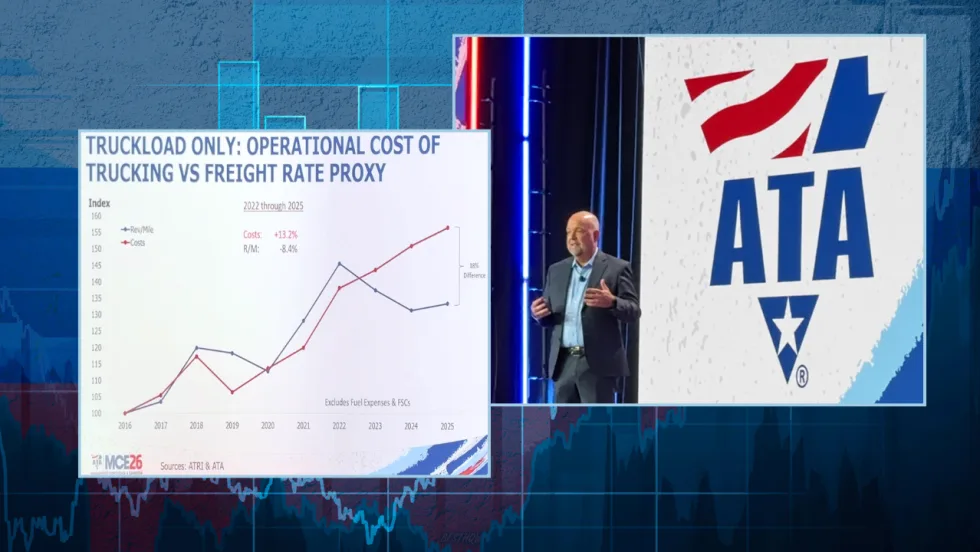
Freight demand remains sluggish, but rising costs and tougher enforcement have taken enough capacity out of the market to change the outlook for motor carriers.
Read More →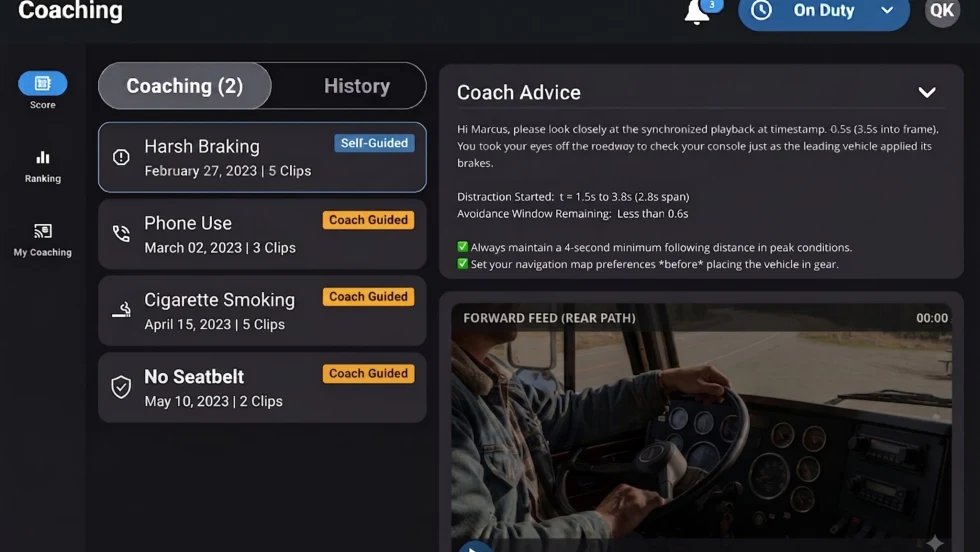
Platform Science Adds Dispatch and Safety Tools
Four additions to PS Fleet help fleets monitor loads, manage driver coaching, share truck locations and adjust video system settings.
Read More →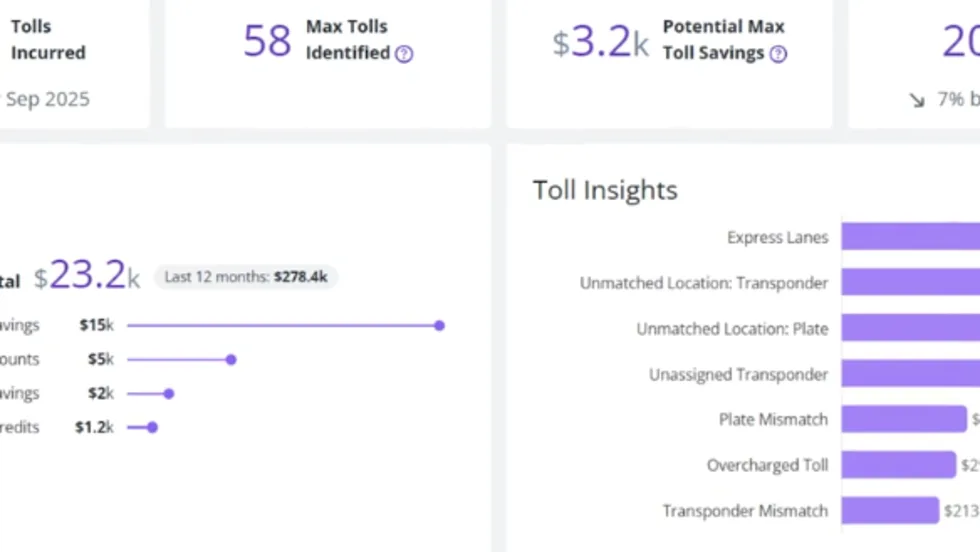
PrePass Intelligence Mines Fleet Bypass, Toll and Safety Data
PrePass Intelligence helps fleets measure bypass savings, flag potential toll overcharges, and spot suspicious transactions by combining data from separate systems.
Read More →
Motive Adds AI Agents for Fleet Operations
New tools automate follow-up on fleet data, from maintenance work orders to driver alerts, with two-way voice conversations planned for later this year.
Read More →
Can You Beat Our Trucking Trivia Challenge?
Test your truck knowledge with 19 trivia questions from Heavy Duty Trucking Exchange. Can you keep up with the fleet pros?
Read More →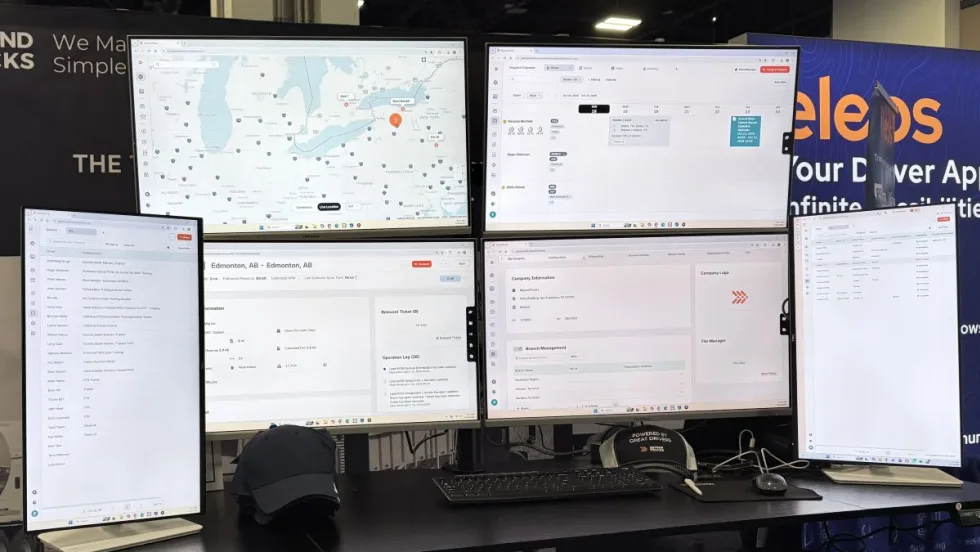
BeyondTrucks Adds Rules Checks to Dispatch
New Compatibility Engine checks driver qualifications, equipment requirements and fleet policies before loads are dispatched.
Read More →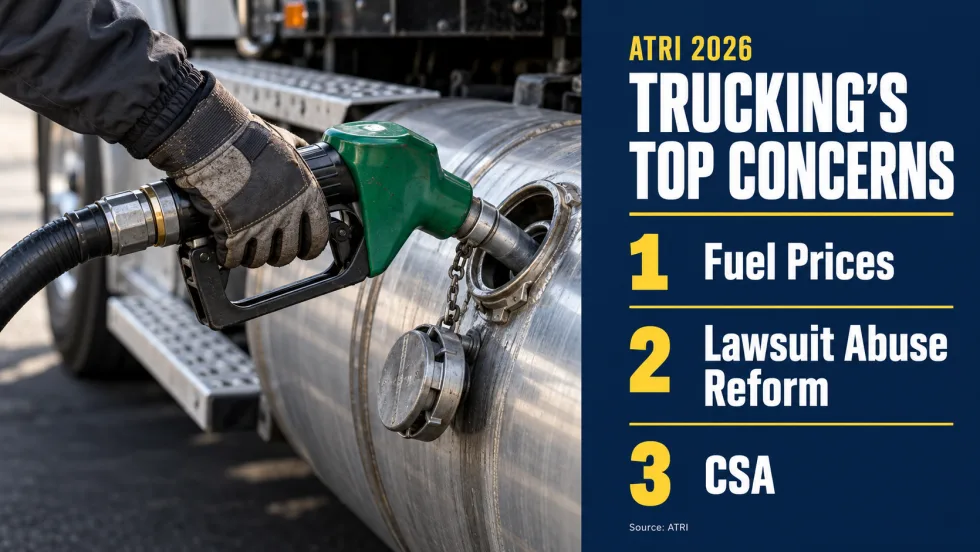
Diesel Prices Hijack Trucking’s Worry List
ATRI’s annual survey finds cautious optimism about freight, but diesel costs, litigation, and insurance continue to squeeze fleets. Drivers have different priorities on several issues.
Read More →
Nomination Deadline Extended for HDT Emerging Leaders
Just a few more days to nominate accomplished trucking fleet professionals under 40 who are making an impact and helping lead the industry forward for the HDT Emerging Leaders award. Deadline extended to October 20!
Read More →
What Will ATA’s New Leader Bring to Trucking's Table?
Incoming President and CEO Mark Colson’s record in Alabama offers clues about his priorities and approach following Chris Spear’s abrupt departure as the head of the American Trucking Associations.
Read More →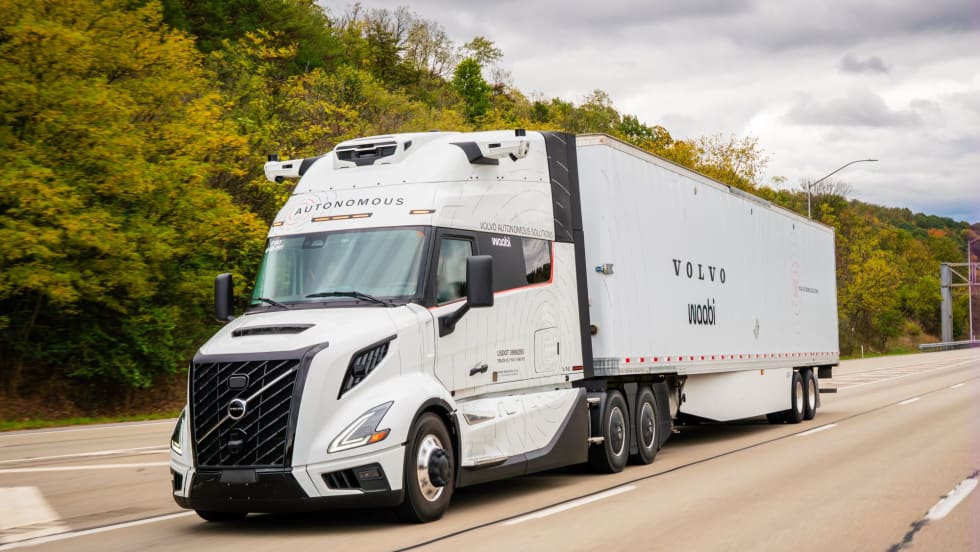
Volvo, Waabi Start Commercial Autonomous Operations in Texas
Volvo VNL Autonomous trucks, powered by the Waabi Driver, are hauling freight directly to third-party facilities for a customer in Texas.
Read More →