





Volvo Delivers VNR Electric to Manhattan Beer Distributors [Photos]
Producers Dairy Deploys First Volvo VNR Electric Trucks in California’s Central Valley
Two Volvo VNR Electric will be the first Class 8 battery-electric vehicles in Producers Dairy’s fleet of more than 300 trucks and will service regional distribution routes.
April 26, 2022
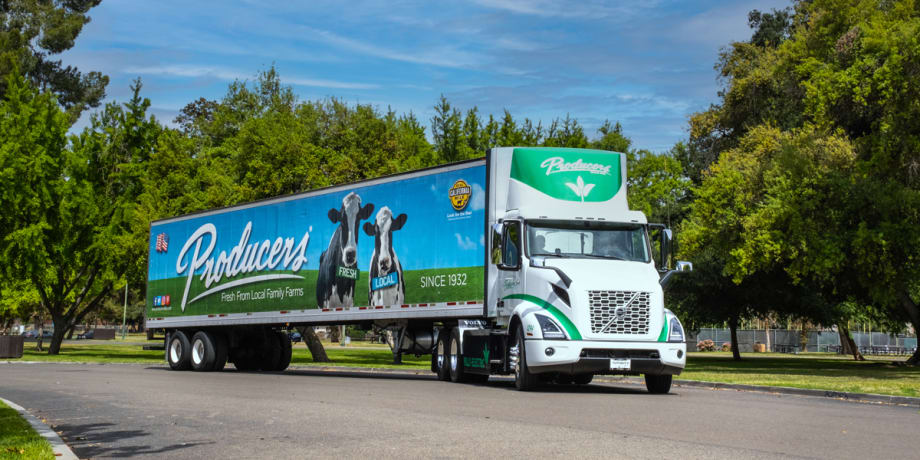
Producers Dairy worked with Amply Power to design and install the supporting charging infrastructure for its Volvo VNR Electric trucks.
Photo: Volvo
3 min to read
Producers Dairy, a dairy processor and direct-to-store supplier, will integrate two Volvo VNR Electric trucks into its fleet. The Volvo VNR Electric trucks are the first commercial, battery-electric Class 8 trucks to be deployed in California’s Central Valley.
The units will be the first Class 8 battery-electric vehicles in the company’s fleet of more than 300 trucks and will service regional distribution routes from its Fresno-based manufacturing facility to grocery stores in communities along the 40-mile stretch of Highway 99 from Selma to Madera, California.
The project was supported by funding from the California Air Resources Board’s GGRF Zero Emission Drayage Truck Project as part of California Climate Investments. Producers Dairy received $1.25 million to purchase, install, and integrate two Volvo VNR Electric trucks into its larger fleet.
Producers Dairy worked with Amply Power to design and install the supporting charging infrastructure for its Volvo VNR Electric trucks and utilizes Amply’s Omega digital solution to monitor charging infrastructure, optimize energy costs, and maximize charger and vehicle uptime. The Fresno dairy processing facility includes two 150 kW DC fast chargers and the ability to scale for increased capacity in the future.
Amply Power will work with Producers Dairy to maximize charging efficiency and cost-effectiveness with intelligent charge management services, while ensuring that the trucks are available to complete their mission-critical deliveries.
“We are excited to integrate these first two Volvo VNR Electric trucks into our fleet as we work to reduce emissions on our local delivery routes,” said Scott Shehadey, president of Producers Dairy, a third-generation family business run by the Shehadey family. “This investment in zero-tailpipe-emission technology aligns with our corporate mission to enhance the quality of people’s lives, and we are grateful to each of the organizations that supported us with today’s successful vehicle deployment, including Volvo Trucks, Affinity Truck Center, the California Air Resources Board, and Amply Power.”
Affinity Truck Center’s Fresno dealership will support Producers Dairy with the integration of VNR Electric trucks into its fleet through the Volvo Gold Contract, which incorporates maintenance, full coverage on components, and towing and uptime services. Its service team completed the robust training required as part of the Volvo Certified Electric Vehicle Dealer program and is prepared to perform battery-electric truck maintenance and repairs. The dealer was the Central Valley’s first Volvo Trucks Certified Electric Vehicle Dealer.
“Deploying battery-electric fleet trucks can be a complex process that requires a customer to engage numerous stakeholders and begin planning 12 to 18 months in advance for charging infrastructure needs,” said Kim Mesfin, president of Affinity Truck Center. “As a Volvo Trucks Certified EV Dealer, we are ready to support fleets throughout the Central Valley with their electromobility goals—including identifying ideal routes and vehicle configurations, support with incentive funding, identifying infrastructure partners, and maximizing vehicle uptime through the Volvo Gold Contract.”
More Fuel Smarts
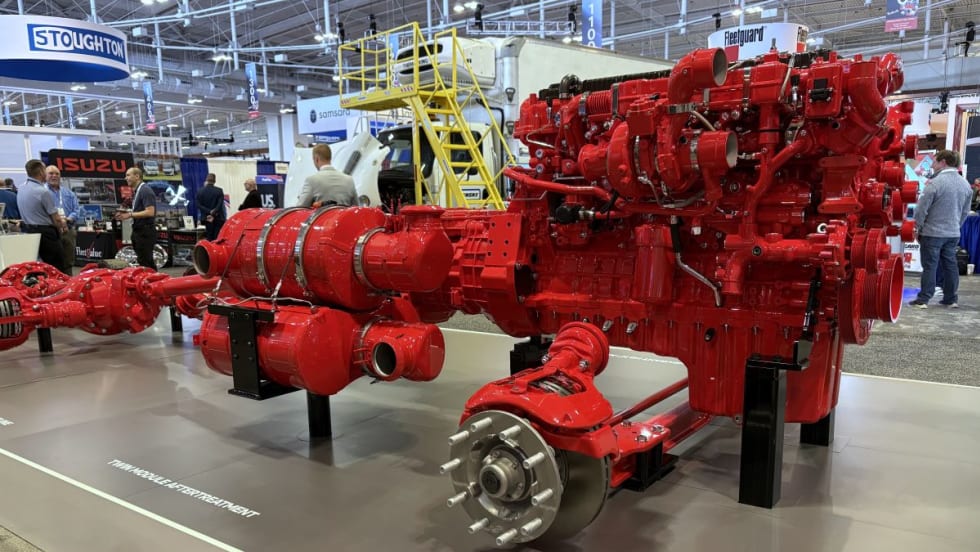
Cummins Adjusts 2027 Engine Rollout After EPA Proposal
The engine maker will gradually introduce its new Model Year 2027 diesel engines while continuing to offer current models during the transition, citing the EPA's proposed emissions rule changes.
Read More →
EPA Proposal Could Ease 2027 Truck Costs and Buying Uncertainty
The proposal doesn't change the tougher NOx standard, but it would revise key implementation requirements that manufacturers say have driven up costs and complicated fleet purchasing decisions.
Read More →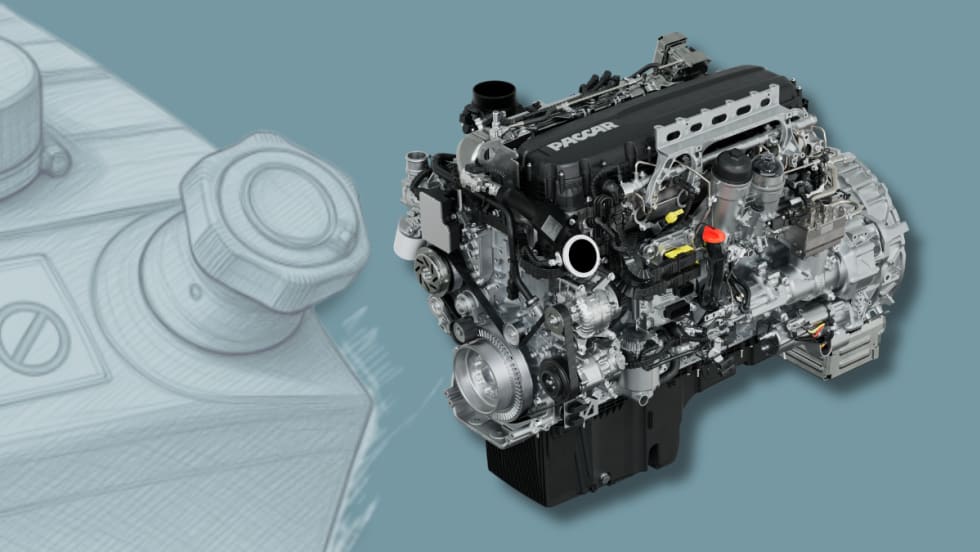
Cummins, Paccar Ease DEF Derates After EPA Guidance
Updated diesel engine software gives truck operators more time to address emissions-system issues while staying compliant with EPA emissions standards.
Read More →
Maintenance in the Messy Middle Part 3: Biodiesel
Biodiesel can reduce emissions, improve fuel-system lubricity and use existing diesel infrastructure. But NACFE’s Messy Middle maintenance report says fleets must actively manage storage, cold-weather operation, filters and oil drain intervals to avoid problems.
Read More →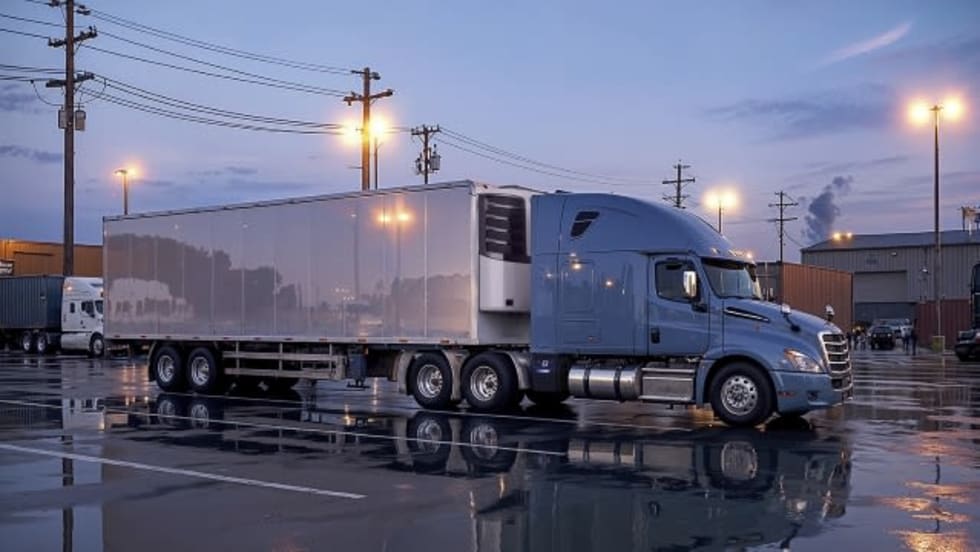
Enhance Fleet Performance with High-Efficiency Auxiliary Power Units
Drive sustainable cost savings while increasing driver comfort during short- and long-haul logistics operations.
Read More →
Maintenance in the ‘Messy Middle’ Part 2: Renewable Diesel Fuel
NACFE's latest Messy Middle Powertrain Service & Maintenance report says renewable diesel gives fleets an opportunity to reduce carbon emissions without changing trucks, fueling infrastructure or maintenance practices. But technicians still need to understand several important operational differences.
Read More →
The Diesel Engine Enters NACFE’s ‘Messy Middle’
NACFE’s new Messy Middle Powertrain Service & Maintenance report says keeping modern diesel engines running now depends as much on software, diagnostics and data as traditional mechanical service.
Read More →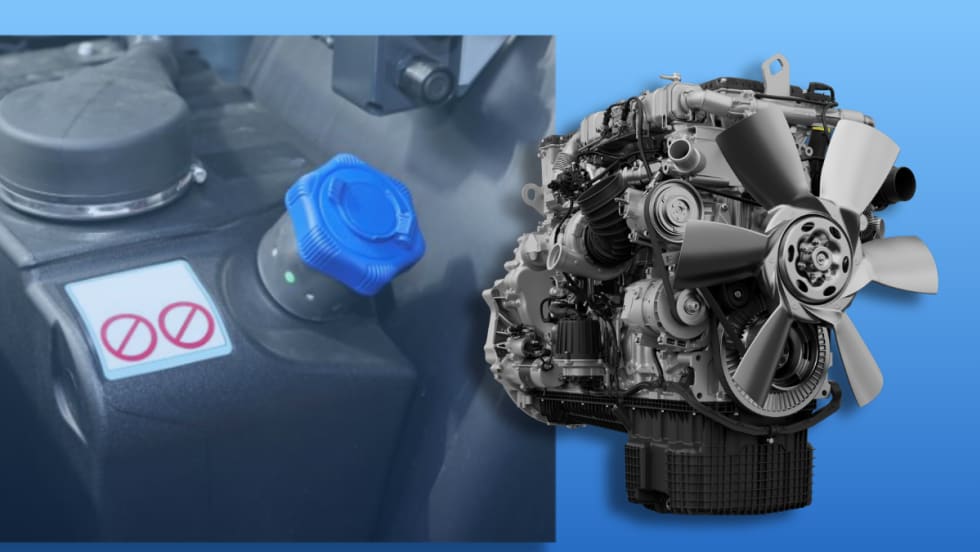
DTNA Software Update Gives Truckers More Time Before DEF Derates Take Effect
The changes reflect EPA guidance aimed at reducing downtime caused by emissions-system faults while maintaining compliance requirements.
Read More →
New Agentic Predictive Maintenance Report Demonstrates How Degraded Aftertreatment Systems Waste Fuel
Questar analyzed a large mixed-class fleet and discovered it was wasting as much as $30 in fuel per vehicle, per day, because of mechanically degraded aftertreatment systems.
Read More →
New York City's Microhub Project is Delivering Results
Trucking, last-mile delivery companies, and environmental advocates like what they are seeing so far with New York's microhub program.
Read More →