




President’s Plan Looks Beyond 2018 Heavy Truck Emissions Levels
In a speech Tuesday calling for tougher emissions for coal-fired power plants, President Obama also laid out what he wants when it comes to emissions from heavy trucks and the future of the Keystone XL oil pipeline.

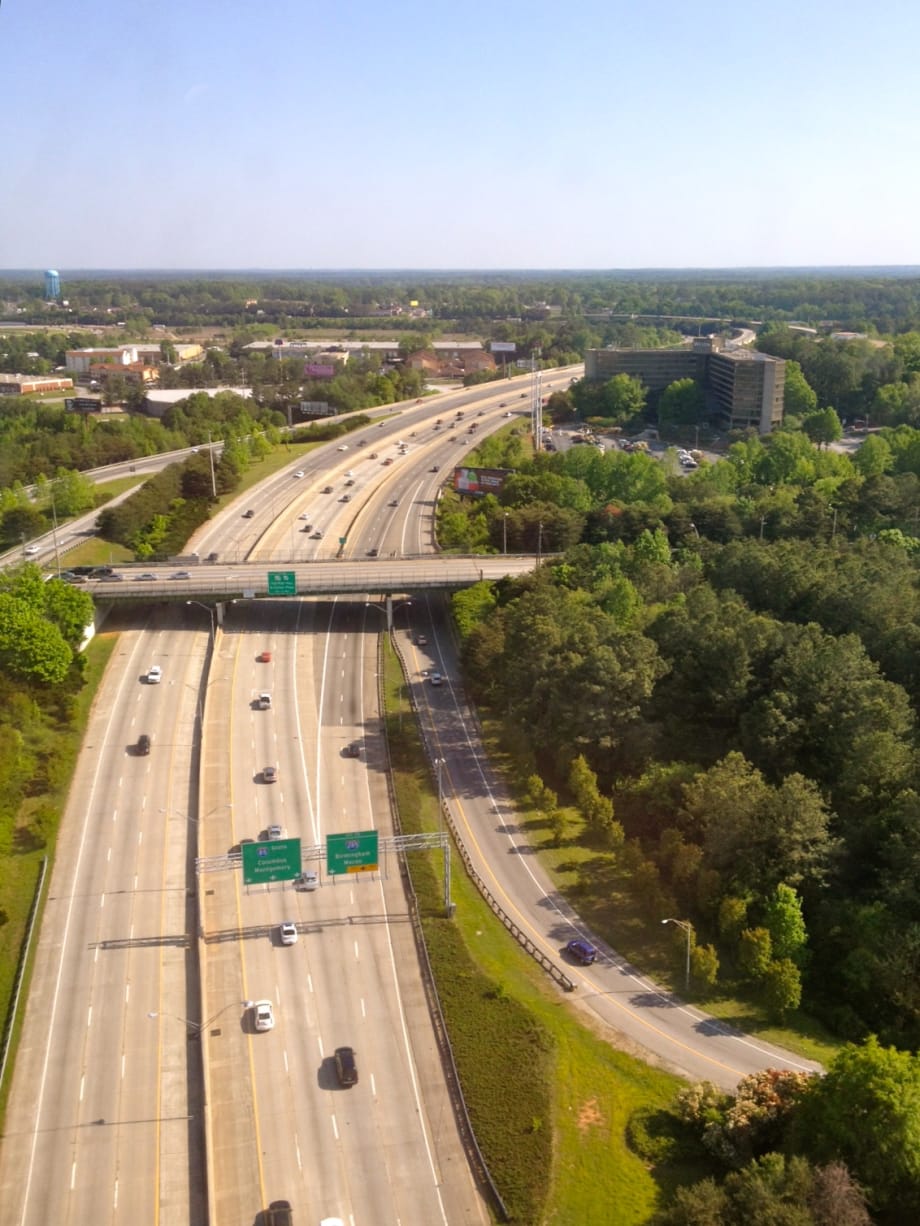
Photo: Evan Lockridge
In a speech Tuesday calling for tougher emissions for coal-fired power plants, President Obama also laid out what he wants when it comes to emissions from heavy trucks and the future of the Keystone XL oil pipeline.

Photo: Evan Lockridge
Speaking at Georgetown University, he outlined a series of proposals he intends to push through with executive action, sidestepping Congress, to limit what he says are climate-changing carbon emissions.
“The President’s Climate Action Plan,” as it is called, calls for further increasing heavy truck fuel economy standards, which the administration says are “the second largest source of greenhouse gas emissions within the transportation sector.”
It plans to partner with industry leaders and other key stakeholders to develop post-2018 fuel economy standards for heavy-duty trucks to further reduce fuel consumption, though it does not say how much of a cut the President is aiming for. It calls for using “cost-effective technologies.” The U.S. EPA is expected to issue draft rules in about a year.
In 2011, the Obama administration finalized the first-ever fuel economy standards for 2014-2018 model year heavy-duty trucks, buses, and vans. It says these standards will reduce greenhouse gas emissions by approximately 270 million metric tons and save 530 million barrels of oil.
The fuel economy and greenhouse gas standards introduced earlier have been lauded by larger fleets, who say they will save money in the long run by cutting fuel costs. Critics claim the regulations will increase truck prices, outweighing any fuel savings.
The administration has already established the toughest fuel economy standards for passenger vehicles in U.S. history. These standards require an average performance equivalent of 54.5 mpg by 2025, which the government says will save the average driver more than $8,000 in fuel costs over the lifetime of the vehicle and eliminate 6 billion metric tons of carbon pollution, more than the United States emits in an entire year.
Also on Tuesday the president spoke about the Keystone XL pipeline, saying it should be approved but only if it would not “significantly exacerbate” greenhouse gas pollution.
The pipeline is designed to transport oil sands bitumen from Alberta, Canada, to Gulf Coast refineries. The company building it, TransCanada, needs a permit from the U.S. State Department because it crosses an international boundary.
Earlier the administration denied a permit for building the pipeline, but said TransCanada could apply again, which it has done. The State Department said in a March draft environmental review that the proposed Canada-to-Texas pipeline wouldn't significantly boost greenhouse gas emissions.
Proponents of Keystone XL say it would help reduce U.S. dependent on foreign oil. Those against it claim there is no guarantee fuel refined from the Canadian oil sands would remain in the U.S., along with expressing concerns about its environmental impact.
More Drivers

Driver Trust Can Make or Break the Success of Fleet Safety Technology
New Teletrac Navman research suggests that onboarding, transparency about driver data, and positive feedback can play a significant role in how commercial drivers respond to safety and coaching technology.
Read More →
EEOC Sues KLLM Over Alleged Sex Discrimination in Driver Training
KLLM is facing a federal sex-discrimination lawsuit over policies the EEOC alleges put female truck driver trainees at a disadvantage.
Read More →
FMCSA Moves to Codify English Language Requirements for Commercial Drivers
By changing regulations on English-language proficiency requirements for commercial drivers, rather than relying on a guidance memo, the FMCSA said future administrations won't be able to walk back the Trump administration's stricter enforcement with just a memo.
Read More →
Drivers Put Western Star Trucks to the Test at Star Nation Experience
Watch to get an inside look at the Western Star trucks, technology, and community behind the Star Nation Experience 2026!
Read More →
Trump Administration Looks to Put More Veterans Behind the Wheel
The Freedom Haulers program pulls together existing and expanded programs at several federal agencies to recruit veterans to drive commercial heavy-duty trucks and cut the red tape for them to get a CDL, training, and employment.
Read More →
Putting Mack’s Command Steer to the Test
A test drive of Mack’s Command Steer active steering system evaluates how it can make truck driving easier and less tiring.
Read More →
Competition Heating Up for Truck Drivers
New report reveals rising driver hiring costs, the return of sign-on bonuses, growing AI advantages, and the operational factors shaping driver retention.
Read More →
How Fraley & Schilling Improved Logbook Compliance by Over 50%
Fraley & Schilling needed a way to close a compliance workflow gap in its ELD system without adding more work from driver training, reminders, and back-office follow-ups. It found the answer in a custom driver app.
Read More →
Volvo Goes Gaming
Volvo has roared into American Truck Simulator with two new flagship trucks.
Read More →
What the Best Fleets to Drive For Teach About Driver Retention
Survey fatigue, AI-powered routing, owner-operator expectations, and the decline of social media all emerged as themes from this year's Best Fleets to Drive For program.
Read More →