




Port of Seattle's Clean Truck Rules Now in Effect
The Port of Seattle's Clean Truck program began on New Year's, prohibiting trucks built prior to the 1994 model year from entering the cargo terminals
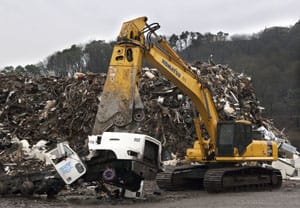
The ScRAPS Program (Scrappage and Retrofits for Air in Puget Sound) has taken more than 250 old trucks off the road since 2009.
The Port of Seattle's Clean Truck program began on New Year's, prohibiting trucks built prior to the 1994 model year from entering the cargo terminals.
All trucks serving the Port must also be registered in the Port's Drayage Truck Registry and display the Green Gateway sticker on the driver's side door.
The program was designed to support the goals of the Northwest Ports Clean Air Strategy, which aims to lower emissions from all sectors of maritime operations. So far, over 4,000 trucks and nearly 800 trucking companies/truck owners are registered so far in the Drayage Truck Registry.
The Port of Seattle launched an on-line program earlier this year aimed at registering newer, cleaner drayage trucks that access its container terminals. Beginning January 1, 2011, all drayage trucks must adhere to new Clean Truck Program Guidelines to enter Port of Seattle Cargo Terminals.
Registration can be done online or in person at the Port of Seattle's Drayage Truck Registry office located at the Terminal 5 CFS Building, 3443 West Marginal Way SW. Hours are 7:00 a.m. to 3:30 p.m. Ample parking is available.
Drayage trucks with engines older than model-year 1994 may be eligible for a $5,000 "bounty" through the ScRAPS Program (Scrappage and Retrofits for Air in Puget Sound). For more information, contact: Cascade Sierra Solutions, 200 SW Michigan Street, Seattle, WA 98108, 206-988-8893. Since the program began in 2009, more than 250 trucks have been scrapped.
More info: Port of Seattle Clean Trucks Program
More Aftermarket
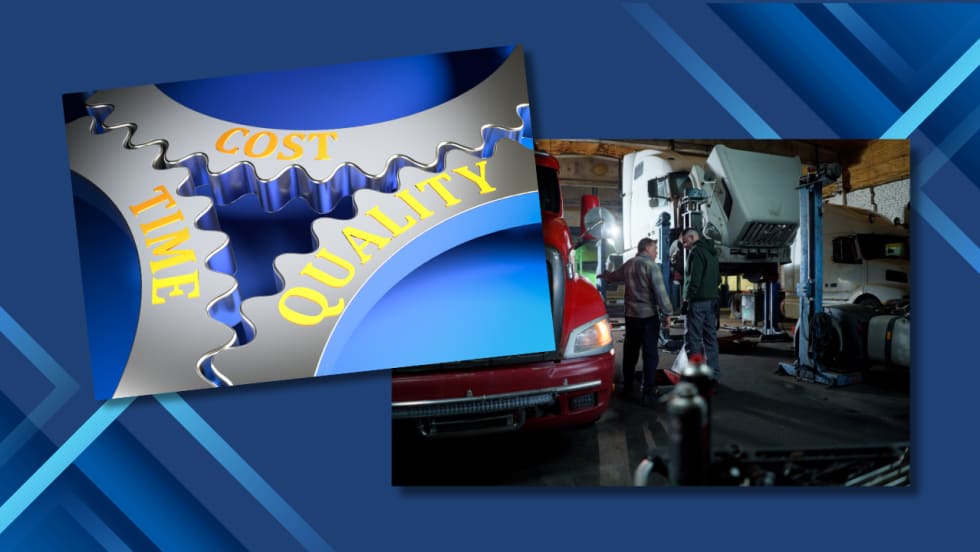
What Three Fleets Are Doing Differently When Buying Truck Parts in 2026
With freight improving but costs still climbing, fleet maintenance executives explain how they're balancing price, quality, and supplier relationships.
Read More →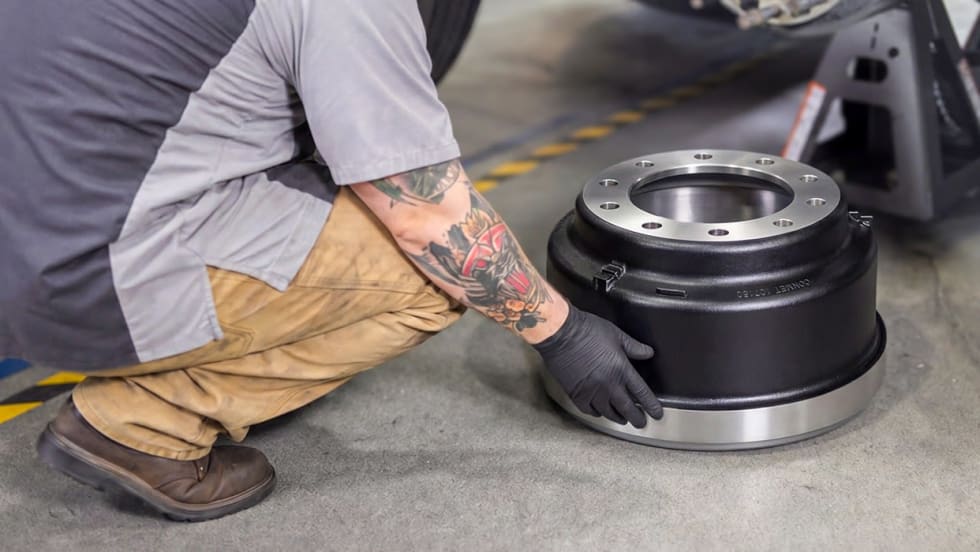
ConMet Expands Aftermarket Brake Drum Lineup With TruCast
A new heavy-duty truck brake drum option in the aftermarket gives customers more flexibility within the ConMet product family.
Read More →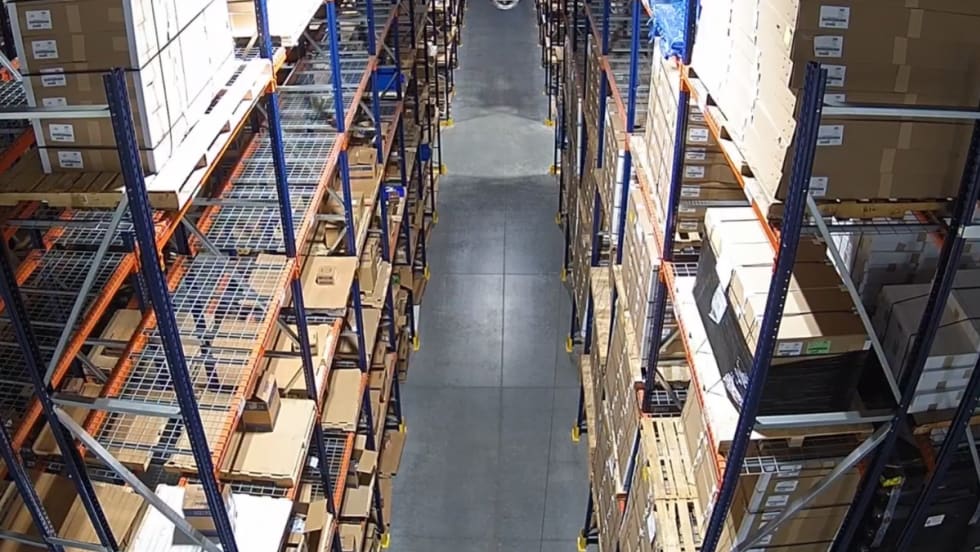
Phillips Opens High-Tech Distribution Center for Faster Parts Delivery
Phillips Industries’ new Cincinnati-area distribution center is now shipping aftermarket trucking parts nationwide, aiming to speed up delivery times for customers.
Read More →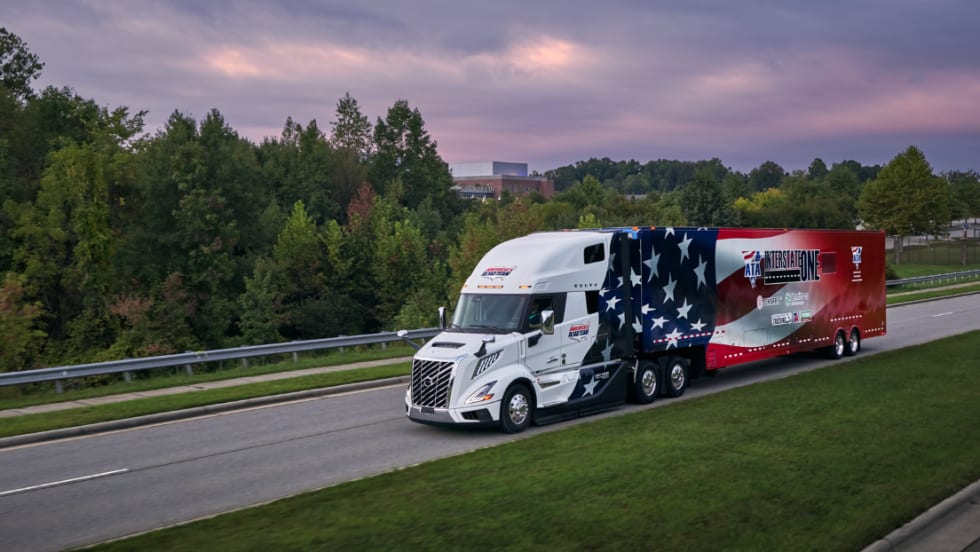
Volvo to Sponsor America’s Road Team for 2025
Volvo Trucks announced that it is extending its exclusive sponsorship of America’s Road Team for 2025.
Read More →
Webb to Start Taking Orders for UltraSet Pre-Adjusted Wheel Hubs
Webb, which recently acquired the Stemco Trifecta pre-adjusted hub program, will soon start taking orders for its replacement pre-assembled hub, the UltraSet.
Read More →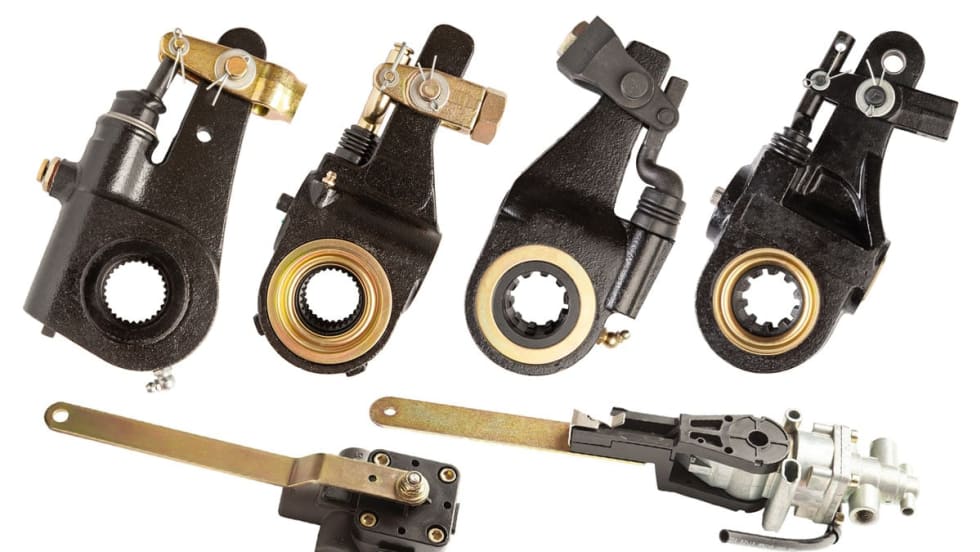
All-Makes Automatic Brake Adjusters, Ride Height Control Valves from Midland
SAF-Holland has added automatic brake adjusters and ride height control valves to its Midland All-Makes Program.
Read More →
ZF Aftermarket Expands [pro]Academy Training
ZF Aftermarket said it is expanding its ZF [pro]Academy training and will be adding 40 new modules this year.
Read More →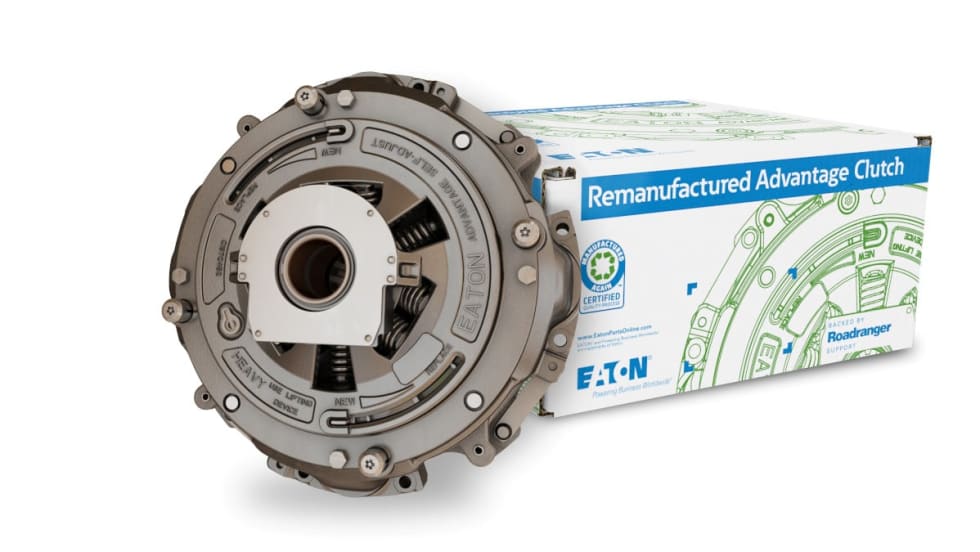
Eaton Adds Remanufactured Advantage Line of Clutches
Eaton has added its Advantage clutches to its remanufactured product line. The clutches feature a unique strap drive intermediate plate designed to allow customers to choose the latest OE specification
Read More →
ConMet Acquires TruckLabs, the Creator of TruckWings
Commercial truck and trailer parts provider ConMet acquired TruckLabs, the company that created TruckWings, an aerodynamic device that attaches to truck cabs and deploys to close the gap between truck and trailer. TruckLabs now operates as a subsidiary of ConMet.
Read More →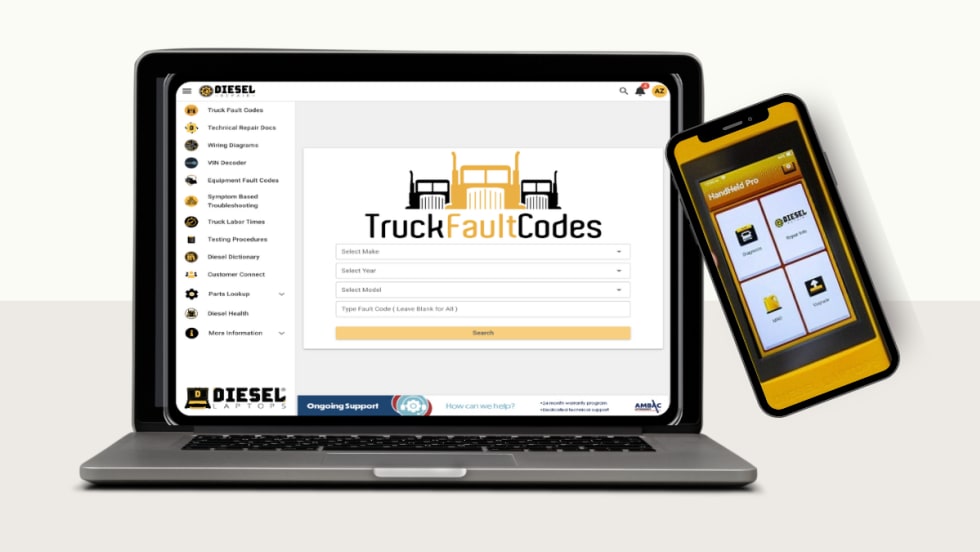
Diesel Laptops Releases Fault-Code-to-Part-Number Tool
Diesel Laptops said its Truck Fault Codes allows users to input a fault code and immediately identify and order the parts needed to complete repair work.
Read More →