




Plan Identifies Best Places for Truck-only Lanes
A new plan suggests that truck-only toll lanes could be built on several long stretches of the nation’s highways, improving road safety by separating cars and trucks while also significantly reducing shipping costs by enabling the use of larger trucks on those interstates
A new plan suggests that truck-only toll lanes could be built on several long stretches of the nation’s highways, improving road safety by separating cars and trucks while also significantly reducing shipping costs by enabling the use of larger trucks on those interstates.
"We are reviewing the options and locations recommended in this report to help determine if we can launch a test program of the truck-only lanes concept," said U.S. House Transportation & Infrastructure Committee Chairman Don Young (R-Alaska).
Reason Foundation’s truck-only toll lanes plan would move trucks into their own lanes, separated by concrete jersey barriers. Passenger cars are blamed for approximately 75% of the 450,000 car-truck accidents each year, resulting in nearly 5,000 deaths.
Because the trucks would be safely separated from car traffic, trucking companies would be allowed to use higher-capacity Longer Combination Vehicles (LCVs) on the truck-only toll lanes. When reaching urban metro areas, the trucks would be broken down at staging areas - the LCVs would not travel on urban freeways.
This approach to safety and productivity issues has garnered the support of a wide variety of groups who do not always agree on such issues, including the National Safety Council, American Trucking Assns., and American Road & Transportation Builders Assn.
"Safety and productivity don’t have to be at odds with each other," said Robert Poole, the study’s author and an expert who has advised the last four presidential administrations on transportation policy. "Americans will reap large savings in shipping costs and be safer on our highways. The trucking companies -- who carry 90%, by value, of all U.S. freight -- will be able to haul more goods, more quickly. And federal and state governments will get a significant stream of revenue to pay for these important new highway projects they would otherwise be too cash-strapped to fund."
In the new report, Reason Foundation, a Los Angeles-based think tank, identifies the most promising interstate corridors where truck-only toll lanes should be tested. Based on revenue potential, construction cost estimates, and feedback from several trucking companies regarding the most advantageous locations for truck-only toll lanes, some of the leading candidates are:
-- Truck-only toll lanes on I-90 between the Cleveland area and the New York state line on Lake Erie would allow the two biggest existing LCV operations in the country to be linked. These are the LCV corridor on the Indiana Toll Road and the Ohio Turnpike in the Midwest and the operations on the New York State Thruway and the Massachusetts Turnpike in the Northeast. With appropriate connections, the trucking centers of the Midwest could be linked to Boston and New York-Northern New Jersey.
-- I-80 from Chicago west through Iowa would make a connection between the major logistical hub of the country in Chicago, and the western Great Plains and Rocky Mountain areas where LCVs already operate. This route (in conjunction with the previous one) would enable these big rigs to operate all the way from Boston and New York to as far west as Denver.
-- I-15 in California would link the major intermodal logistics center in Barstow to the existing LCV operations of Nevada, the High Plains and the Rocky Mountains. Moreover, the Southern California Assn. of Governments plans an urban-area toll truckway that would extend from the ports of Long Beach and Los Angeles up I-15 as far as Barstow, where it would link up with the I-15 route proposed here.
-- I-75 Toledo to Detroit is a spur off the nation’s largest existing LCV operation on the Indiana Toll Road and the Ohio Turnpike that would connect these to the major manufacturing areas of Detroit and Ontario, Canada.
There are strong indications that trucking companies would be willing to pay tolls in order to haul larger loads in uncongested lanes, thus the new truck lanes would be largely self-supporting from toll revenues. That means much-needed lanes could be added to these Interstates at a time when very little money is available for large new transportation projects.
Since trucking companies would be paying tolls to cover the costs of building and operating the lanes, trucks using the toll lanes would be exempt from federal fuel taxes and other federal user charges for miles traveled on the truck-only toll lanes to avoid double taxation.
The full study, Corridors for Toll Truckways: Suggested Locations for Pilot Projects, is available at www.rppi.org/ps316.pdf . The report contains detailed information and analysis of numerous potential locations for truck-only toll lanes.
Reason’s 2002 report, Toll Truckways: A New Path Toward Safer and More Efficient Freight Transportation, can be found at www.rppi.org/ps294.pdf .
More Aftermarket
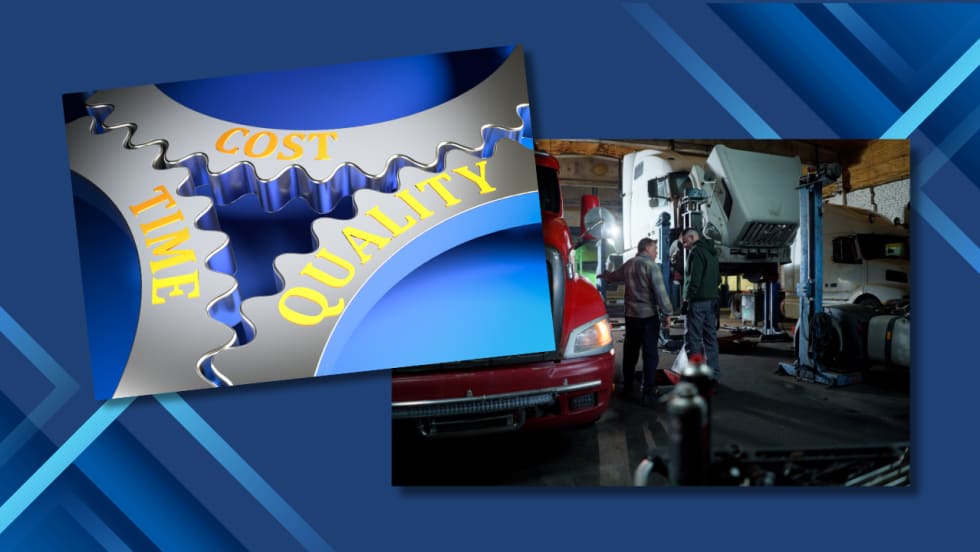
What Three Fleets Are Doing Differently When Buying Truck Parts in 2026
With freight improving but costs still climbing, fleet maintenance executives explain how they're balancing price, quality, and supplier relationships.
Read More →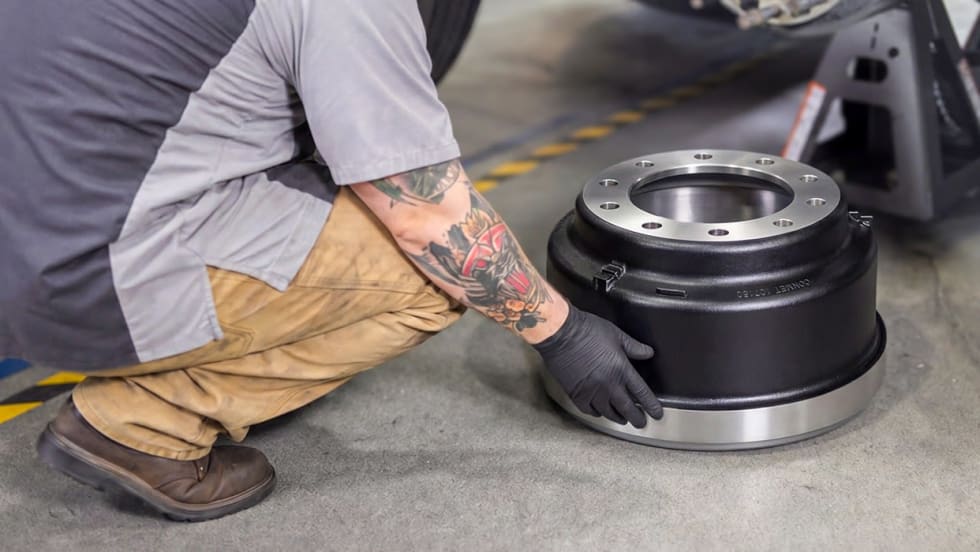
ConMet Expands Aftermarket Brake Drum Lineup With TruCast
A new heavy-duty truck brake drum option in the aftermarket gives customers more flexibility within the ConMet product family.
Read More →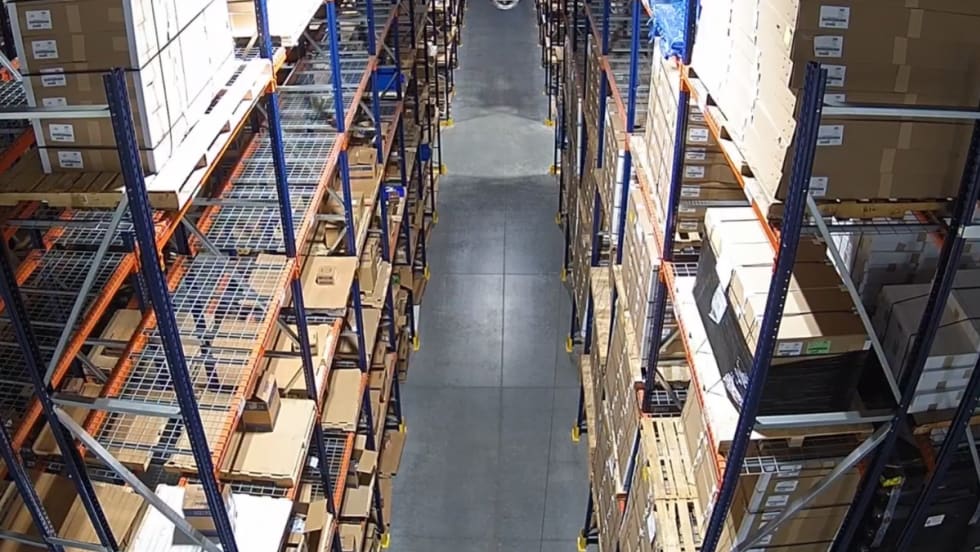
Phillips Opens High-Tech Distribution Center for Faster Parts Delivery
Phillips Industries’ new Cincinnati-area distribution center is now shipping aftermarket trucking parts nationwide, aiming to speed up delivery times for customers.
Read More →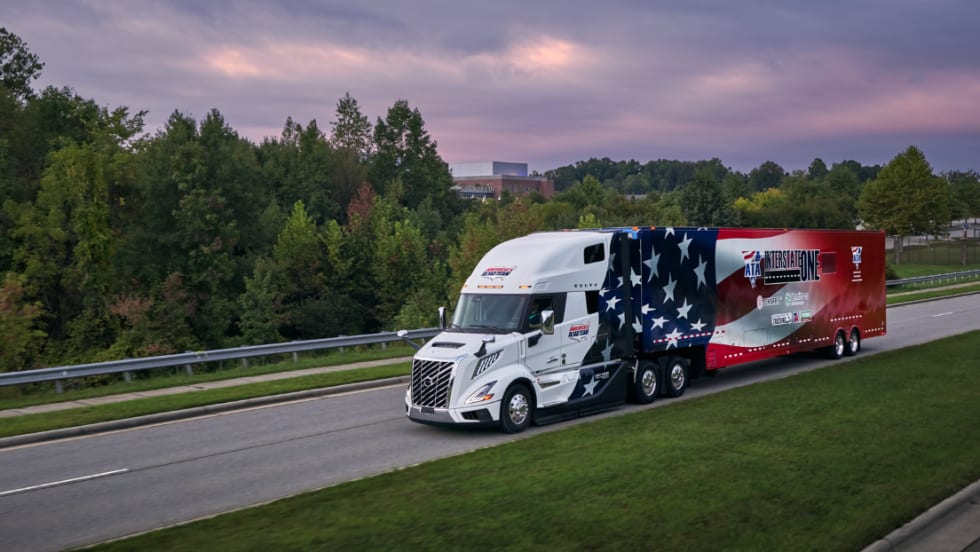
Volvo to Sponsor America’s Road Team for 2025
Volvo Trucks announced that it is extending its exclusive sponsorship of America’s Road Team for 2025.
Read More →
Webb to Start Taking Orders for UltraSet Pre-Adjusted Wheel Hubs
Webb, which recently acquired the Stemco Trifecta pre-adjusted hub program, will soon start taking orders for its replacement pre-assembled hub, the UltraSet.
Read More →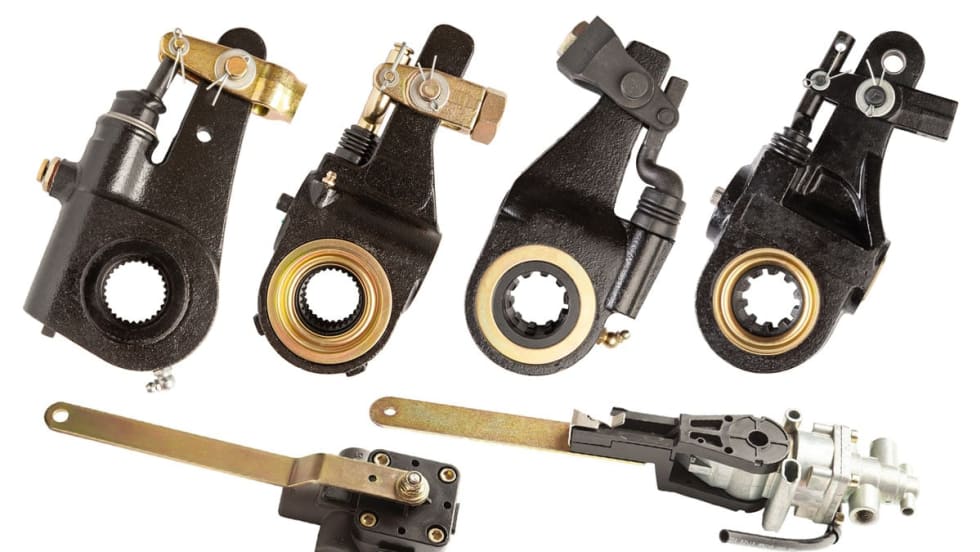
All-Makes Automatic Brake Adjusters, Ride Height Control Valves from Midland
SAF-Holland has added automatic brake adjusters and ride height control valves to its Midland All-Makes Program.
Read More →
ZF Aftermarket Expands [pro]Academy Training
ZF Aftermarket said it is expanding its ZF [pro]Academy training and will be adding 40 new modules this year.
Read More →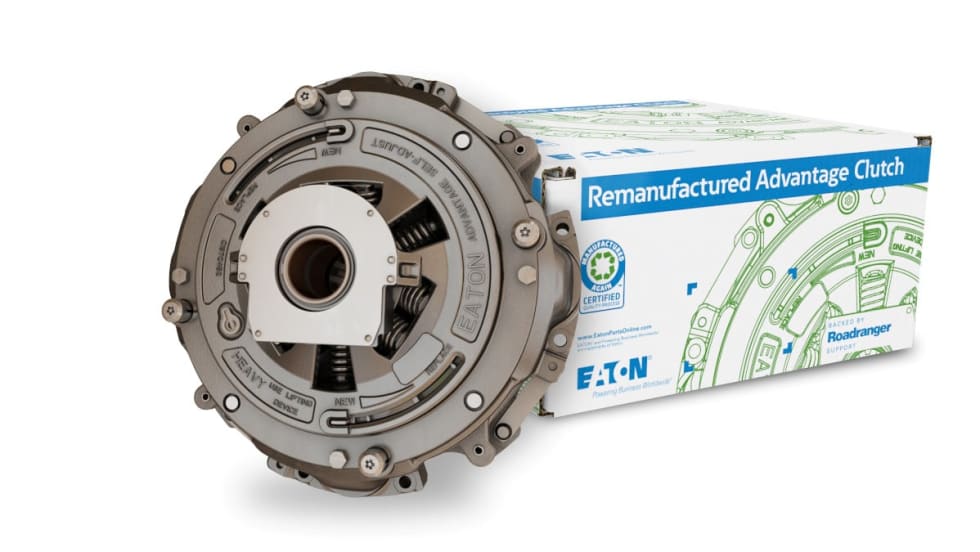
Eaton Adds Remanufactured Advantage Line of Clutches
Eaton has added its Advantage clutches to its remanufactured product line. The clutches feature a unique strap drive intermediate plate designed to allow customers to choose the latest OE specification
Read More →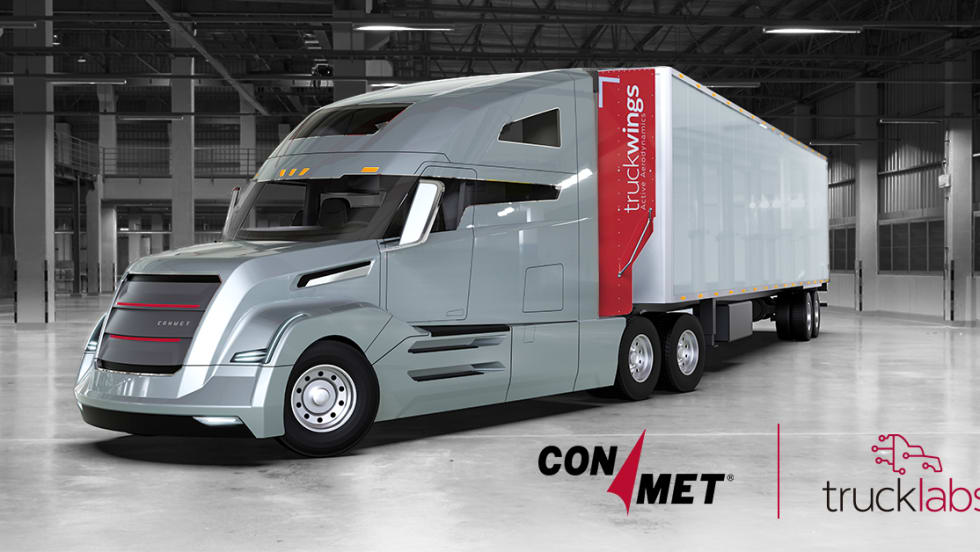
ConMet Acquires TruckLabs, the Creator of TruckWings
Commercial truck and trailer parts provider ConMet acquired TruckLabs, the company that created TruckWings, an aerodynamic device that attaches to truck cabs and deploys to close the gap between truck and trailer. TruckLabs now operates as a subsidiary of ConMet.
Read More →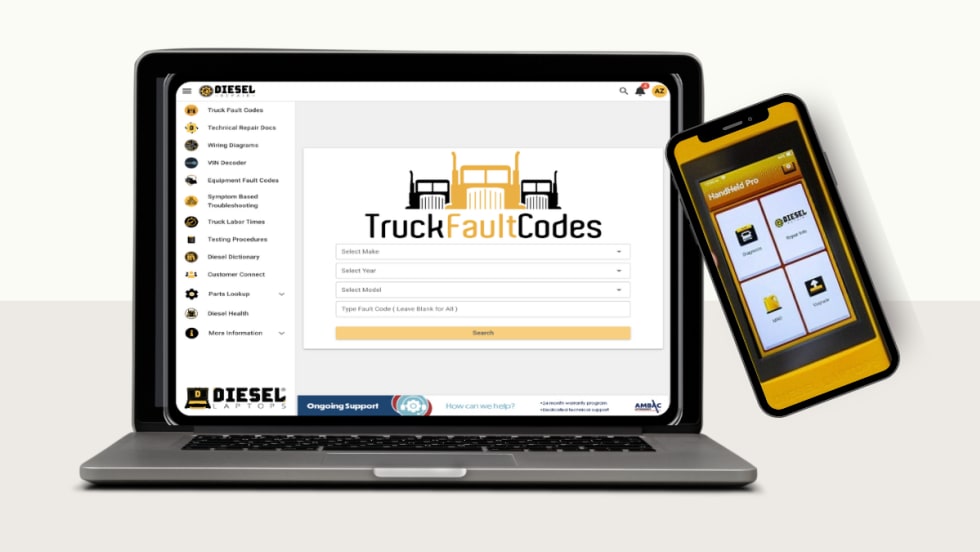
Diesel Laptops Releases Fault-Code-to-Part-Number Tool
Diesel Laptops said its Truck Fault Codes allows users to input a fault code and immediately identify and order the parts needed to complete repair work.
Read More →