




Peterbilt Sets Dealer Growth Record, Completes Denton Plant Expansion
Completion of a plant expansion at the company's Denton, Texas manufacturing plant will improve manufacturing efficiency an help feed a record 93 new dealer locations, added since 2013.

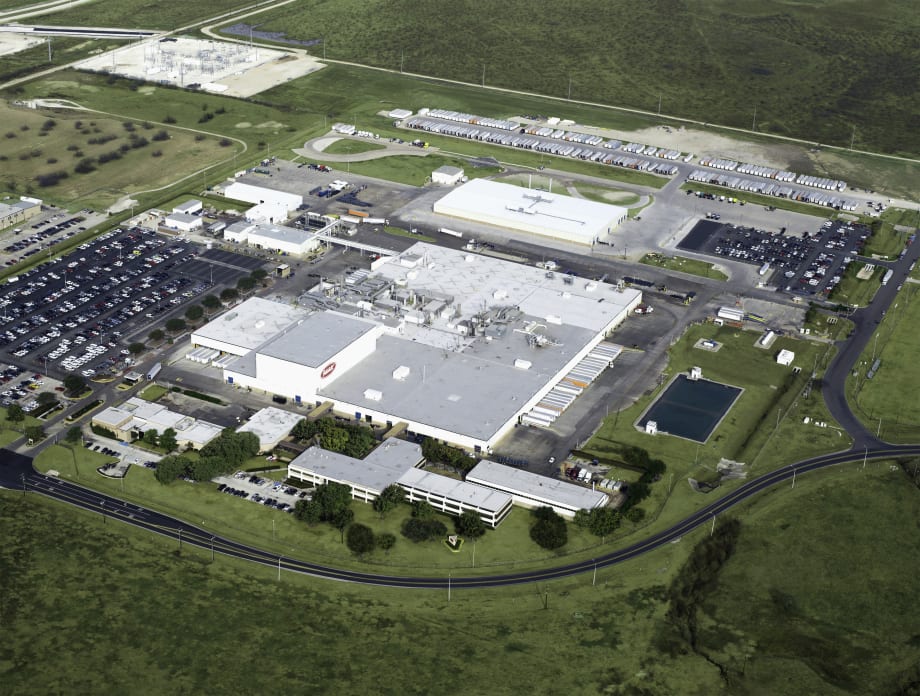
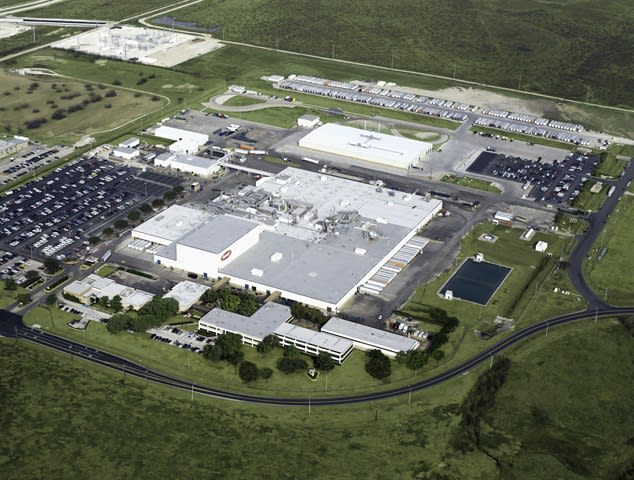
LOUISVILLE, KY -- Peterbilt has added a record number of 93 new dealers to its network over the past four years. In addition, many existing locations have been expanded or upgraded, vastly enhancing the responsiveness and coverage of the network, Peterbilt said at the press conference here at the Mid-America Trucking Show.
“Peterbilt has greatly increased our footprint in the industry to the benefit of our customers,” says Robert Woodall, Peterbilt assistant general manager of Sales and Marketing. “The network expansion results in higher levels of service and enhanced parts availability, which translates into increased uptime and greater profitability for Peterbilt customers.”
The dealer groups are committed to growing their footprint to support customers and to deliver the highest levels of service and support.
“New capabilities and expanded service bay count will also contribute to enhanced customer satisfaction," noted Peyton Harrell, Peterbilt director of dealer network development. "All Peterbilt dealerships throughout the U.S. and Canada are now certified in the Rapid Check program, which guarantees fast and accurate service diagnostics.”
To keep product flowing smoothly to those new dealer locations, the company has just completed a major expansion of its Denton, Texas manufacturing facility.
“The expansion investment is the largest made by Peterbilt since the plant construction,” said Leon Handt, assistant general manager of operations at Peterbilt. “We’re committed to manufacturing the industry’s highest quality vehicles. Growing the Denton plant’s footprint allows us to increase our manufacturing efficiency and positions us for future growth.”
The final expansion phase concluded in January with the opening of a new 102,000 square-foot Test Building. All testing and validation have been relocated to the new test building, which allows a more efficient process flow.
The building features a new dynamometer capable of handling all truck configurations, as well as two new paint booths. Total test capacity has been increased by 75 percent, Peterbilt says.
The Automated Storage Retrieval System (ASRS) is located in the building’s second level above the cab and sleeper trim sections. The system has enough capacity to hold 400 painted hoods, sleepers and cabs.
The opening of the test building and start of operations of the ASRS mark the conclusion of the three-phase expansion project started in 2015 to increase efficiency and quality throughout the Peterbilt Denton plant. In 2015, new shipping and receiving docks were added to the East and West sides of the plant in the first phase of the project.
With the conclusion of all three phases, the production square footage of the plant has increased to 600,000 square feet.
More Equipment
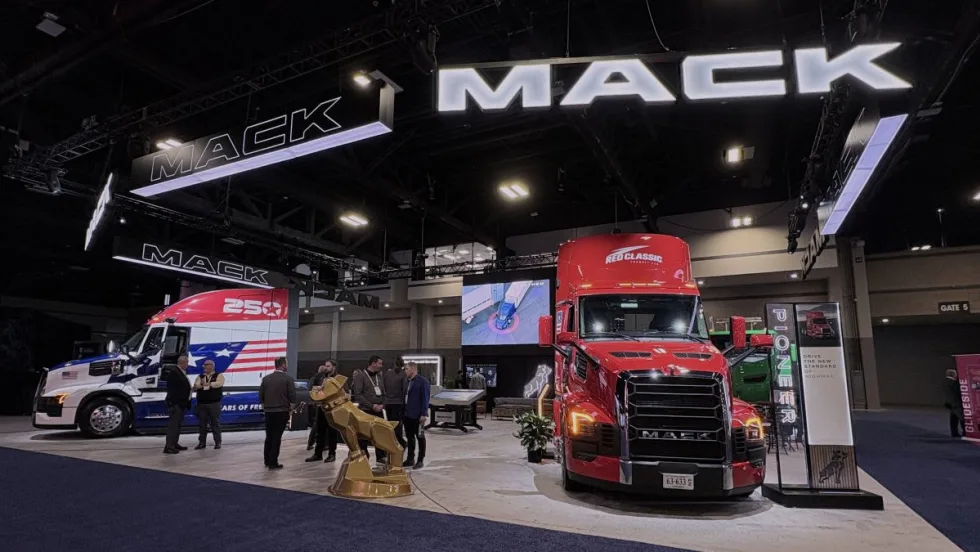
Trucks at ATA's 2026 MC&E in Charlotte, North Carolina [Photos]
From rigs decked out in patriotic America's 250 paint schemes to autonomous trucks and more, check out these photos from ATA's 2026 Management Conference & Exhibition.
Read More →
Help HDT Find Trucking’s Top Products
Have you come across a new product that could make a difference for trucking fleets? Nominate it for HDT’s 2027 Top 20 Products Awards by November 9.
Read More →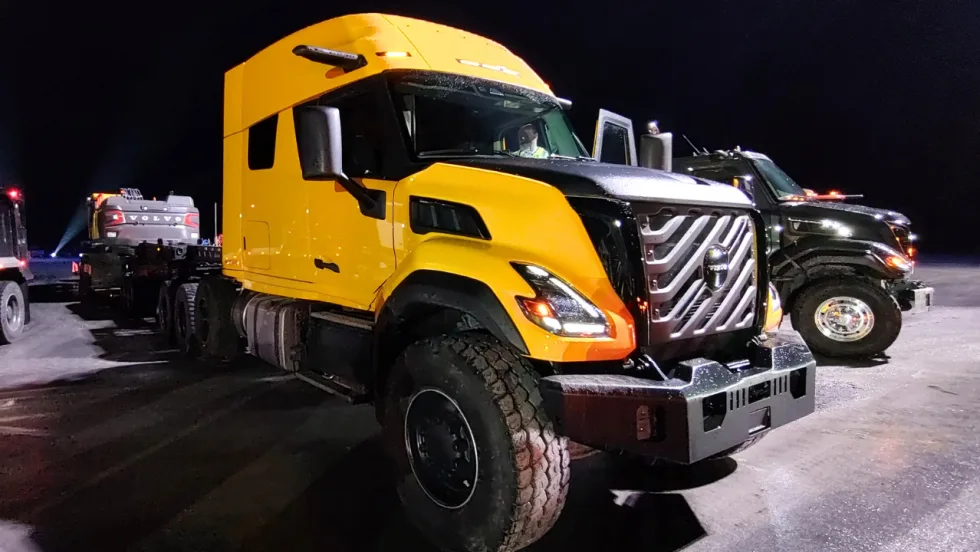
Volvo Unveils New VNX Heavy-Haul and Vocational Truck
Volvo Trucks has launched the VNX, a new vocational truck also available as a tractor in day cab and two sleeper configurations, with one heavy-haul model. The Volvo VNX is powered by Volvo's D13 platform, which delivers up to 540 horsepower and 1,950 pound-feet of torque and is EPA 2027-compliant.
Read More →
How GP Transco Cuts Trucking Fuel Costs, a Tenth of a Gallon at a Time
What’s another tenth of a mile per gallon worth? GP Transco shares how equipment upgrades and driver coaching turn small gains into meaningful fuel savings.
Read More →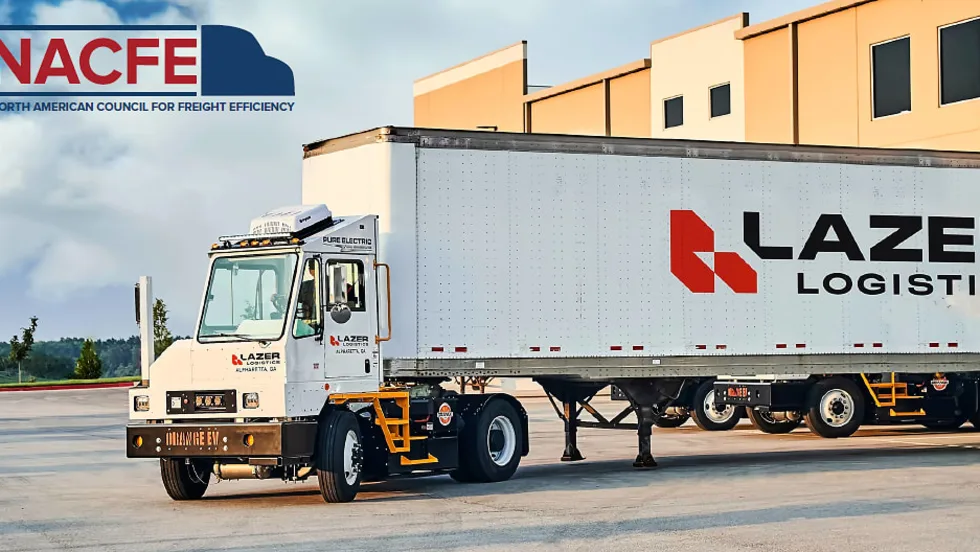
Electric Yard Tractors Move Beyond Pilots
Operating-cost savings have overtaken sustainability goals as the leading reason surveyed fleets are adopting battery-electric terminal tractors, according to new NACFE research.
Read More →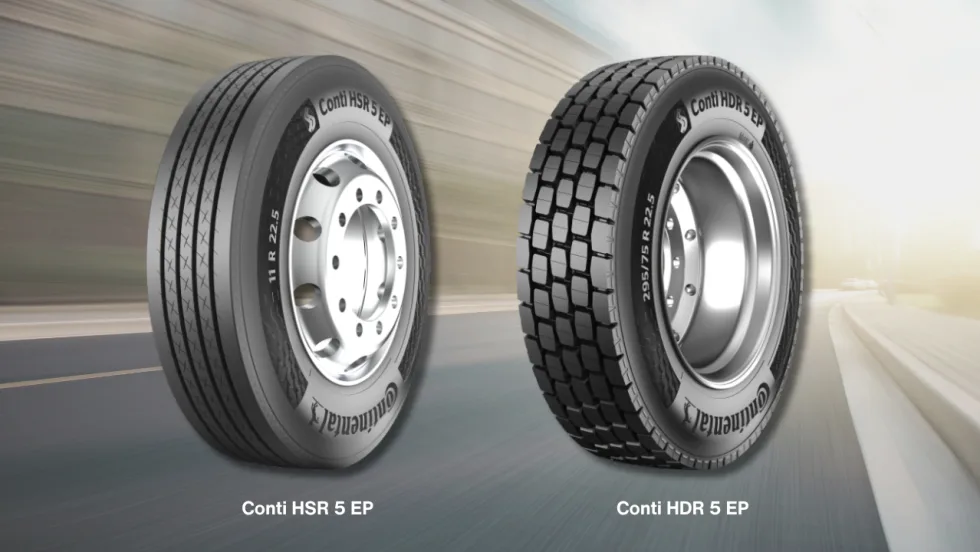
Continental Introduces New Regional Truck Tires
Continental says its new Generation 5 steer and drive tires for regional operations offer longer tread life, with estimated mileage gains of 22% and 19%, respectively.
Read More →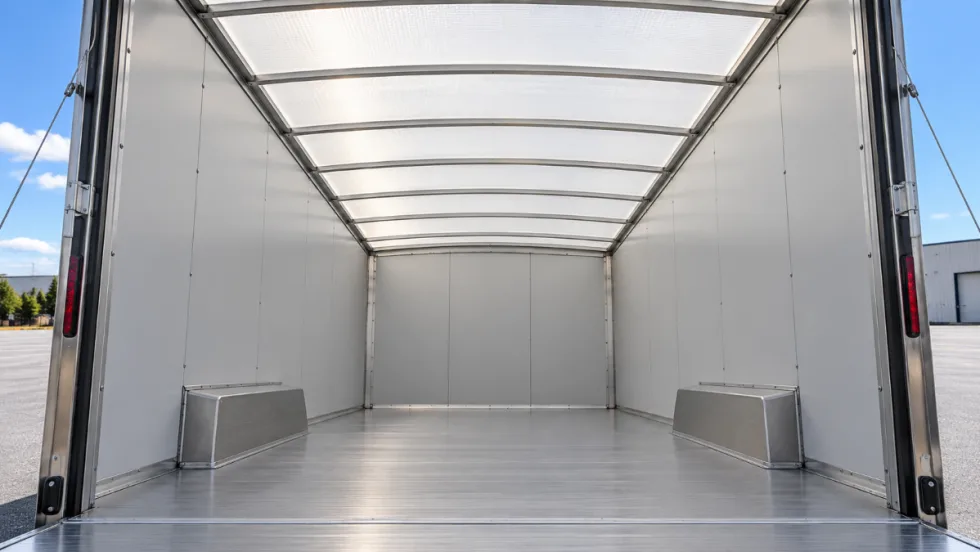
Tekmodo Introduces CargoBright Brand for Translucent Trailer Roofs
CargoBright is designed to diffuse daylight across the cargo area while performing as a working vehicle roof.
Read More →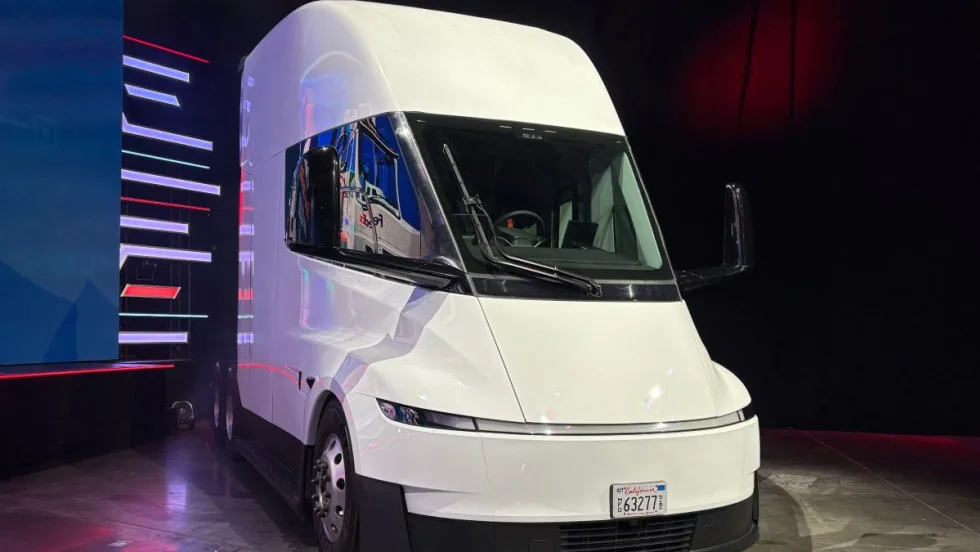
Fleet Economics Shape Electric Truck Outlook
ACT Research expects costs, charging infrastructure, and technology improvements to drive zero-emission commercial vehicle adoption as federal regulations and incentives retreat.
Read More →
Kodiak Targets Dallas–Houston for Driverless Trucks
The company says its autonomous trucks are completing the I-45 run without a safety observer taking control. It plans to remove the observer by the end of 2026.
Read More →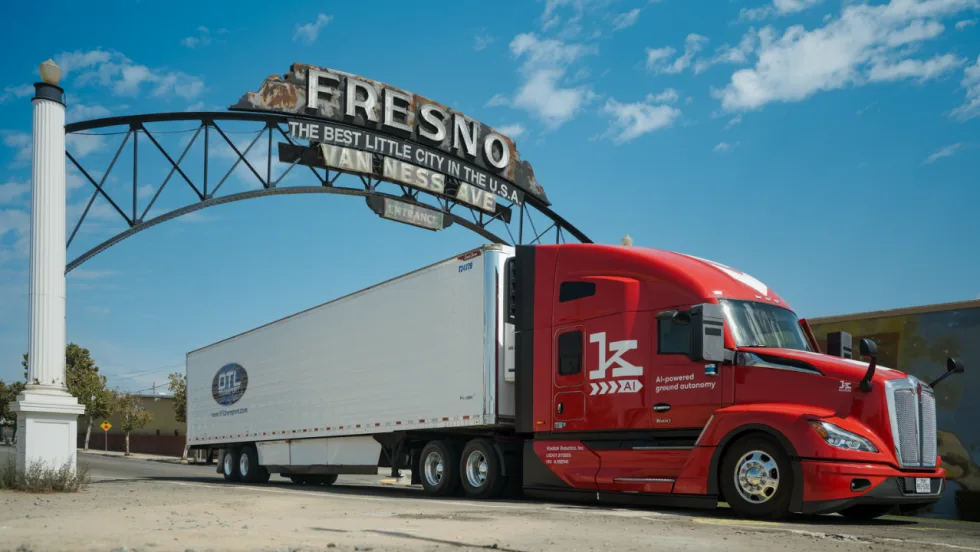
Kodiak Hauls Produce in California Autonomous Truck Pilot
Kodiak AI and DTL Transport have begun hauling produce between Fresno and Los Angeles under California’s new rules for testing heavy-duty autonomous trucks. A safety driver remains behind the wheel.
Read More →