




Peterbilt Highlights Efficiency with 579 Epiq
During its presentation at the 2015 Mid-America Trucking Show, Peterbilt reported up to a 14% improvement in fuel efficiency reached with its Model 579 Epiq.
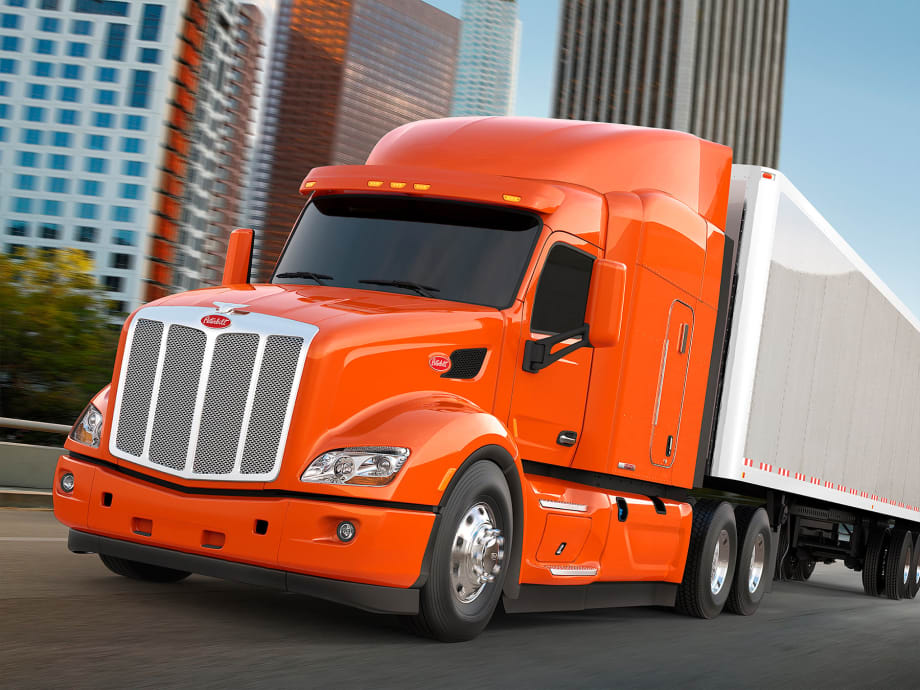
Photo: Peterbilt
Photo: Peterbilt
During its presentation at the 2015 Mid-America Trucking Show, Peterbilt reported up to a 14% improvement in fuel efficiency reached with its Model 579 Epiq. The inspiration came from technology used on Peterbilt's EPA SuperTruck project.
“The 579 provides for customers like no other product in Peterbilt’s history,” said Scott Newhouse, chief engineer, Peterbilt. “We raised the bar again with our 579 Epiq model.”
Now in production, the 579 Epiq features aerodynamic design elements, powertrain efficiency, and fuel-saving technology borrowed from the design elements incorporated into the SuperTruck, which achieved 10.7 mpg after extensive field testing, to reach the 14% gain possible with the new Model 579 Epiq.
The 579 Epiq includes Apex, an optimized drivetrain that pairs the Paccar MX-13 engine with the Fuller Advantage Automated Transmission.
“We developed proprietary control logic that provides precise communication between the MX-13 and the Advantage transmission for a fully integrated powertrain that delivers superior fuel economy,” said Newhouse.
Among the newest elements of Epiq are:
A roof fairing bridge that reduces the gap between truck and trailer;
Enhanced chassis fairings that minimize the opening in front of the tandem axle;
Rubber wheel closeouts on the front axle;
A durable bumper dam that reduces aerodynamic lift and drag; and
A bumper-to-hood seal that redirects air around the truck.
“We’ll expand the 579’s versatility even further with the introduction of our new 58-inch sleeper, engineered for weight-conscious short regional haul operations, the new sleeper reduces weight by up to 100 pounds, while including all the driver-pleasing amenities,” added Newhouse.
The new sleeper will go into production in the fourth quarter of 2015, and will be available in both low- and mid-roof configurations.
More Fuel Smarts
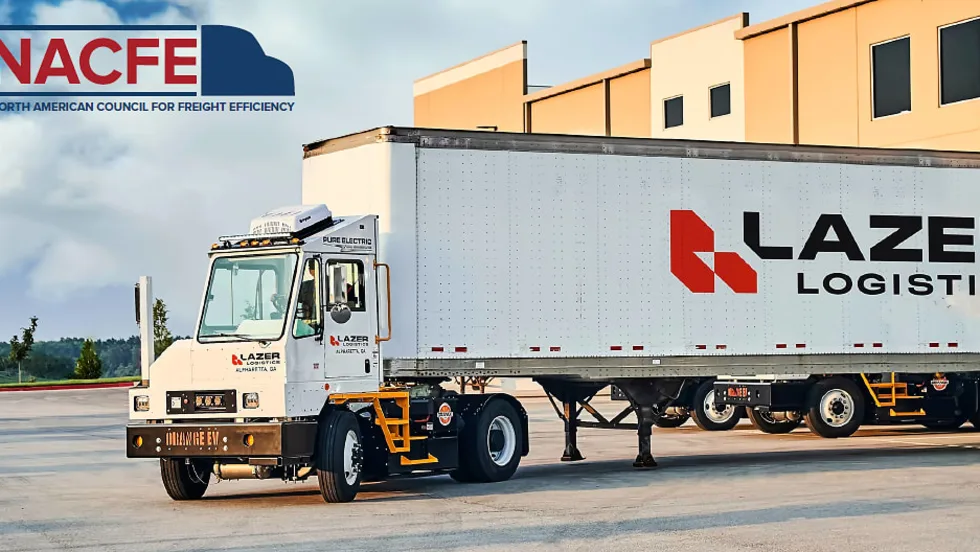
Electric Yard Tractors Move Beyond Pilots
Operating-cost savings have overtaken sustainability goals as the leading reason surveyed fleets are adopting battery-electric terminal tractors, according to new NACFE research.
Read More →
Geotab Links Fleet Card to Vehicle Data
The new card combines fuel discounts with telematics-based purchase controls. Geotab’s analysis also points to potential savings from choosing lower-priced fuel stops.
Read More →
Fleet Economics Shape Electric Truck Outlook
ACT Research expects costs, charging infrastructure, and technology improvements to drive zero-emission commercial vehicle adoption as federal regulations and incentives retreat.
Read More →
Wex Adds Cardless Fuel Payments for Over-the-Road Customers
A new fuel card feature for Wex customers offers convenience and security.
Read More →
New California Law Could Shed Light on Electric Truck Prices
Why do battery-electric Class 8 trucks remain so expensive? A California bill signed by Gov. Gavin Newsom would give fleets and state agencies more visibility into what manufacturers charge.
Read More →
How Volvo Updated Its D13 for EPA 2027 [Watch]
Volvo’s updated D13 promises lower emissions without sacrificing performance or fuel economy. Take a closer look at what changed inside the engine in this HDT Spotlight video.
Read More →
Diesel Price Spike Shortens Payback for Natural Gas Trucks, Report Says
Energy Vision estimates fleets could recover the higher purchase price of an RNG-fueled Class 8 tractor in 1.3 to 2.8 years under current fuel-price scenarios.
Read More →
Calstart Becomes Catalyst Mobility, Reflecting Broader Focus
Calstart is now Catalyst Mobility, reflecting the nonprofit’s growing national role in clean transportation, including zero-emission trucks, infrastructure and incentive programs.
Read More →
Record Diesel Prices Squeeze Trucking Fleets
Average U.S. diesel prices have climbed to nearly $6 a gallon, surpassing the 2022 record as tight refinery capacity and Middle East disruptions keep fuel costs elevated.
Read More →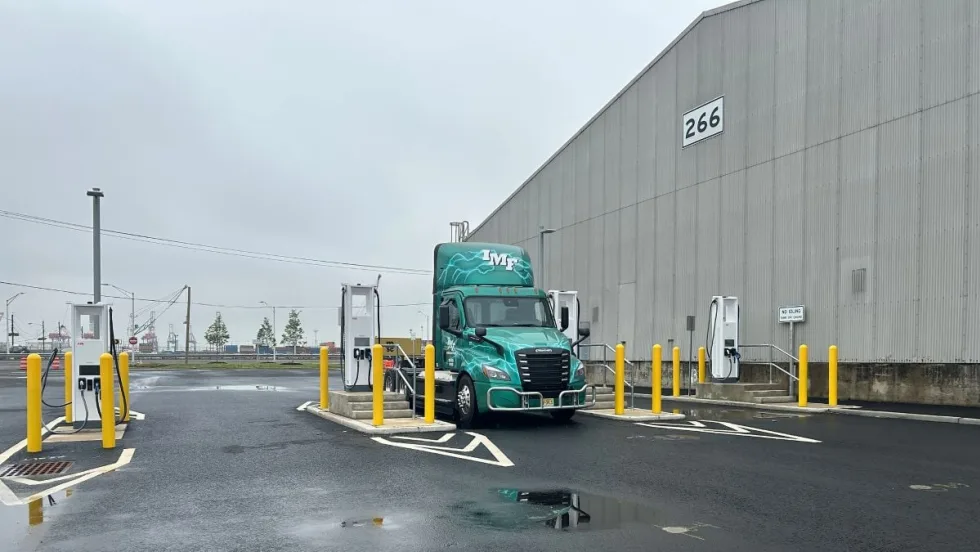
East Coast Port Launches $45M Electric Truck Push
The Port Authority of New York and New Jersey announced millions in incentives for zero-emission drayage trucks, yard tractors, and new charging hubs near the port.
Read More →