




Panel: Electronic Logging Technology Addresses Fleet Priorities
According to Allan Lowry, director of safety at Central Refrigerated Service, there are three main priorities for a fleet: safety, service and retention. Electronic logging technology addresses every one of those priorities, Lowry said during a panel session at Qualcomm Enterprise Services' recent user conference in Coronado, Calif. Lowry joined in on the discussion with some other fleets and a company driver to talk about their use of electronic on-board recorders
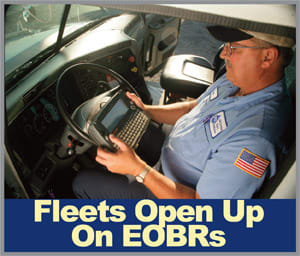
(Photo courtesy of Dupre Logistics)
According to Allan Lowry, director of safety at Central Refrigerated Service, there are three main priorities for a fleet: safety, service and retention. Electronic logging technology addresses every one of those priorities, Lowry said during a panel session at Qualcomm Enterprise Services' recent user conference in Coronado, Calif.
Lowry joined in on the discussion with some other fleets and a company driver to talk about their use of electronic on-board recorders.
The general census was: so far, so good.
Safety
Lowry said the use of EOBRs in Central Refrigerated's fleet has made it much easier to look at every violation, identify risky drivers and take the appropriate actions, such as training drivers. The technology also helps log auditors because the log is much more legible. Central Refrigerated had the technology fully implemented by February 2009.
C.R. England rolled out the technology starting in January 2009, and was fully implemented by the end of 2009. For Dustin England, director of safety at C.R. England, electronic logging meant virtually no more missing logs or falsifications by the drivers. Prior to deploying the technology, the company would be missing between 8 to 10 percent of its driver logs. "We've eliminated that issue," he said.
"As a safety person, it helps you sleep a little better at night," he added.
England said the carrier has also seen a 79 percent reduction in its driver out of service rate since the transition.
Cargo Transporters, which has about 400 power units, took the leap in late October 2008, with the whole fleet outfitted with electronic logging by the end of 2008. According to John Pope, chairman of Cargo Transporters, they have not had a driver placed out of service since October 2008. When the carrier was using paper logs, Cargo Transporters had about 102 violations on its books. In 2009, the number was down to six violations.
"It's been a dramatic change for us," Pope said.
Service
The panelists also indicated that the use of electronic logging has improved their fleet's service. One reason for this, Lowry said, is that drivers are getting better at trip planning.
According to Kirby Sollom, a driver for Schneider National, electronic logging self-educates drivers on legal hours of service. This raises their performance, he said. With a text-to-speech capability, drivers can find out how many hours they have left with the push of a button. "It literally forces that driver to say, 'Where am I?'" he said.
Retention
One of the most common fears the panelists had when they were first considering the technology was that their drivers were going to be resistant. According to Sollom, drivers were a little skeptical at first, but after a day or two, "the comfortability factor just zeroed out."
Sollom said that many of the drivers he trained on the system were worried that they would make less money or be less productive on electronic logs. But drivers found that their productivity levels either stayed the same or improved. In fact, Sollom gained about four to six hours per week using electronic logging.
"There are a lot of benefits that individual drivers don't see up front," Sollom said.
For drivers, it means less paperwork, less addition, and more trust between the driver and dispatch. "It leveled the playing field," Lowry said.
"It takes the pen away; it takes the guessing away," Sollom said. "Once the myths are drained out, the drivers really do like it."
The Bottom Line
In addition to safety, service and retention, the switch to electronic logs also helped these fleets improve their bottom line.
Central Refrigerated ended up saving $50,000 a year from the reductions in processing costs. The carrier also got the amount of revenue going to safety down to 4.5 percent.
Cargo Transporters was able to cut expenses in mailing and scanning. The company was also able to eliminate a person in that department because of the reduction in paperwork.
More Aftermarket

What Three Fleets Are Doing Differently When Buying Truck Parts in 2026
With freight improving but costs still climbing, fleet maintenance executives explain how they're balancing price, quality, and supplier relationships.
Read More →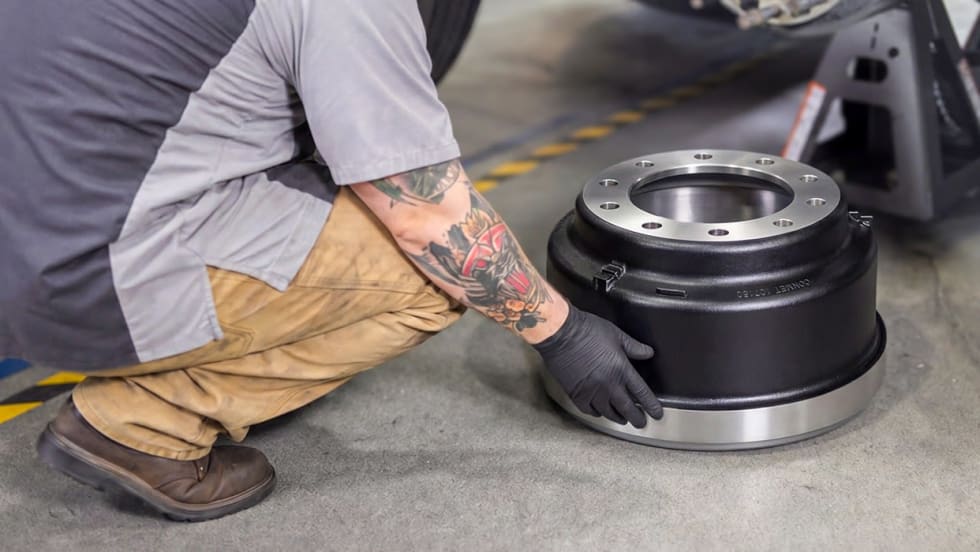
ConMet Expands Aftermarket Brake Drum Lineup With TruCast
A new heavy-duty truck brake drum option in the aftermarket gives customers more flexibility within the ConMet product family.
Read More →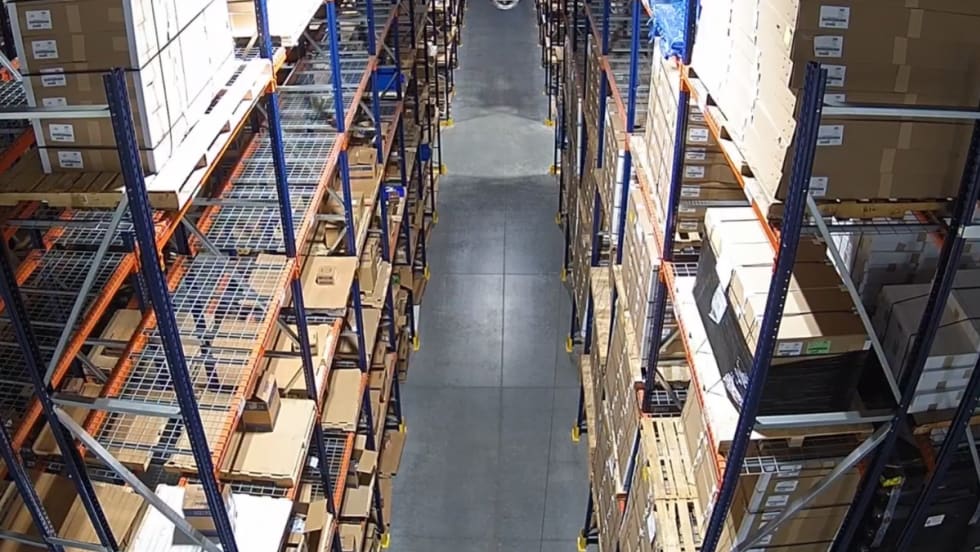
Phillips Opens High-Tech Distribution Center for Faster Parts Delivery
Phillips Industries’ new Cincinnati-area distribution center is now shipping aftermarket trucking parts nationwide, aiming to speed up delivery times for customers.
Read More →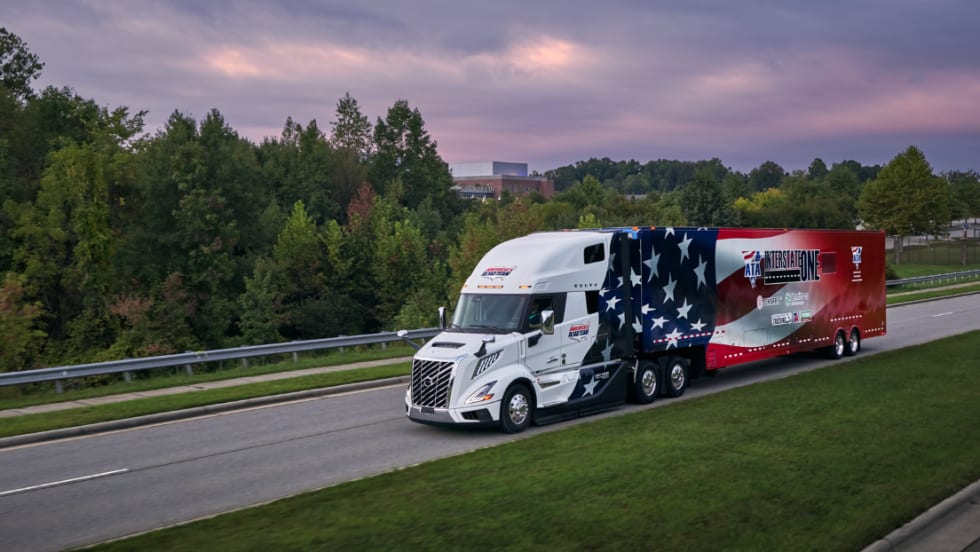
Volvo to Sponsor America’s Road Team for 2025
Volvo Trucks announced that it is extending its exclusive sponsorship of America’s Road Team for 2025.
Read More →
Webb to Start Taking Orders for UltraSet Pre-Adjusted Wheel Hubs
Webb, which recently acquired the Stemco Trifecta pre-adjusted hub program, will soon start taking orders for its replacement pre-assembled hub, the UltraSet.
Read More →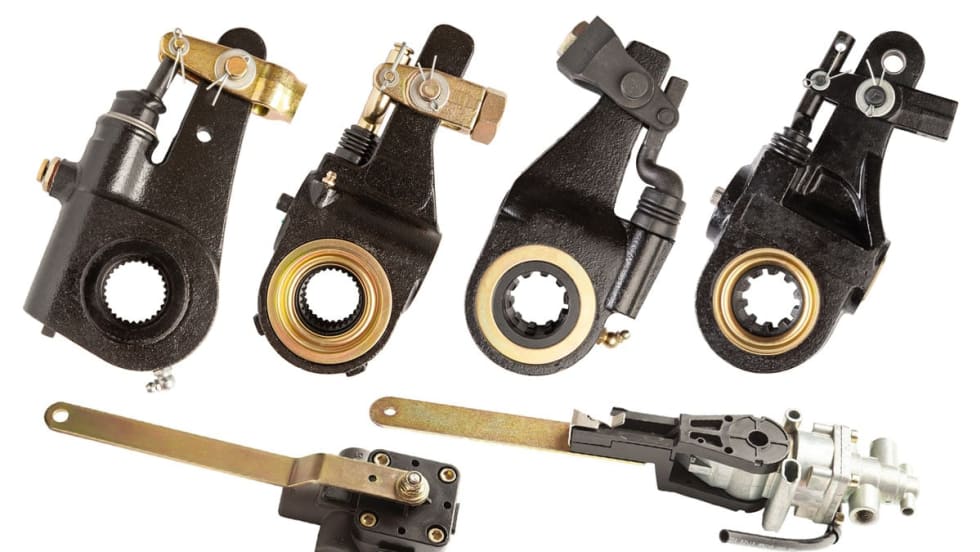
All-Makes Automatic Brake Adjusters, Ride Height Control Valves from Midland
SAF-Holland has added automatic brake adjusters and ride height control valves to its Midland All-Makes Program.
Read More →
ZF Aftermarket Expands [pro]Academy Training
ZF Aftermarket said it is expanding its ZF [pro]Academy training and will be adding 40 new modules this year.
Read More →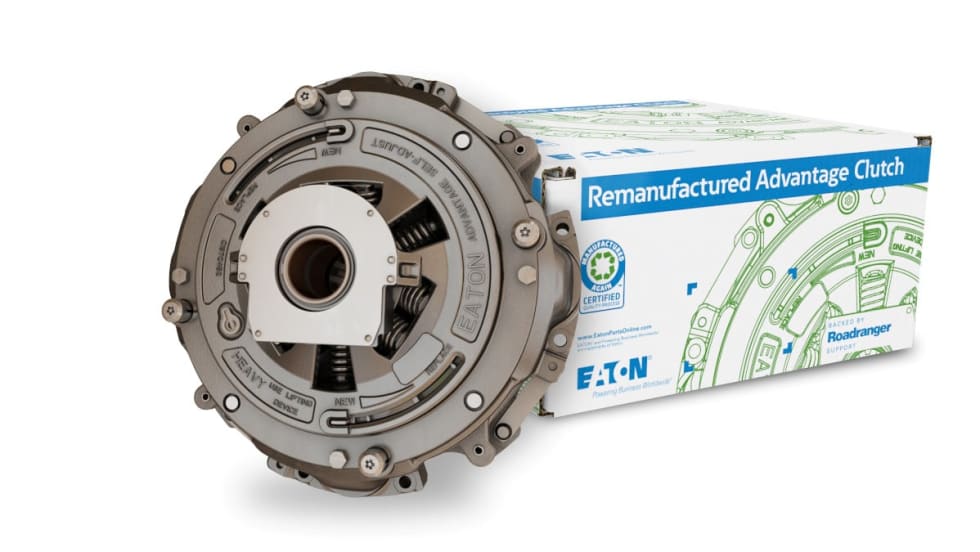
Eaton Adds Remanufactured Advantage Line of Clutches
Eaton has added its Advantage clutches to its remanufactured product line. The clutches feature a unique strap drive intermediate plate designed to allow customers to choose the latest OE specification
Read More →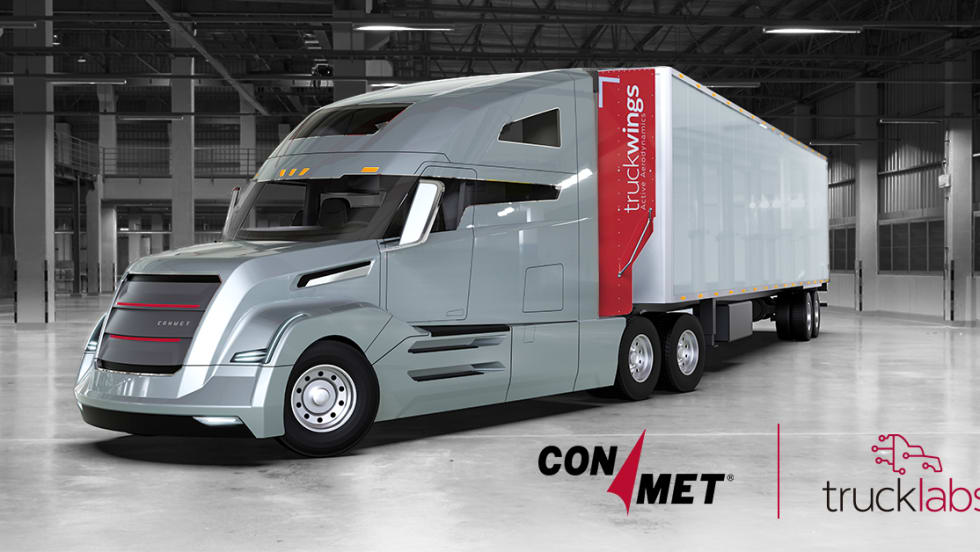
ConMet Acquires TruckLabs, the Creator of TruckWings
Commercial truck and trailer parts provider ConMet acquired TruckLabs, the company that created TruckWings, an aerodynamic device that attaches to truck cabs and deploys to close the gap between truck and trailer. TruckLabs now operates as a subsidiary of ConMet.
Read More →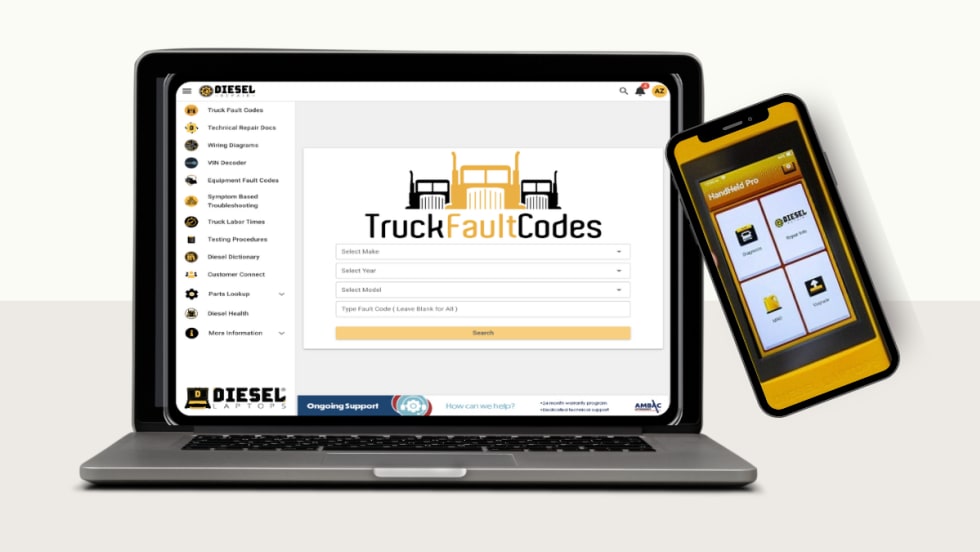
Diesel Laptops Releases Fault-Code-to-Part-Number Tool
Diesel Laptops said its Truck Fault Codes allows users to input a fault code and immediately identify and order the parts needed to complete repair work.
Read More →