




Omnitracs Focuses on 'Data Publishing' With New Navigation Solution
PHILADELPHIA – As it repositions itself as a company offering software and solutions vs. a hardware provider, Omnitracs unveiled Omnitracs Navigation at the American Trucking Associations Management Conference & Exhibition.

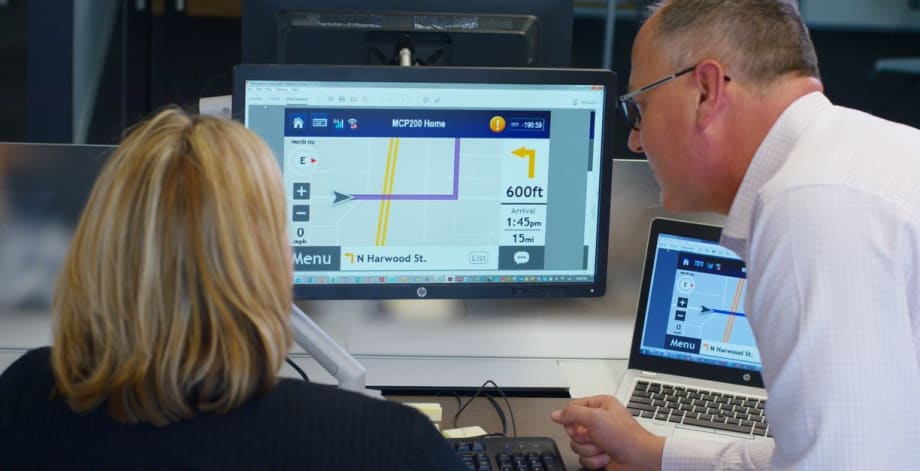
Using the new tool, the navigation team vets feedback and updates maps. Photo: Omnitracs

Using the new tool, the navigation team vets feedback and updates maps. Photo: Omnitracs
PHILADELPHIA – As it repositions itself as a company offering software and solutions vs. a hardware provider, Omnitracs unveiled Omnitracs Navigation at the American Trucking Associations Management Conference & Exhibition.
In fact, Rick Turek, chief navigation scientist, says Omnitracs has turned itself into a “data publisher,” both collecting data and pushing data out to the device about changed routes, bad weather, new speed limits, etc.
While the unit offers what you would expect in a commercial navigation device, such as turn-by-turn directions, text-to-speech, posted speed alerts, Omnitracs Navigation goes a lot further, Turek says.
By leveraging traditional data, (e.g., posted speed and traffic light locations) combined with real-time data, (e.g., current traffic and weather conditions), and Big Data (how a particular road is used at a certain time, and "black spot” high frequency accident zones), Omnitracs Navigation delivers a more consistent, predictable, and accurate plan for maximizing the road network, according to the company.
Updates are sent to the unit automatically as the data changes so that the unit is always current.
Because all these data updates are done over the air, Turek notes, fleets don’t have the expense and downtime of trucks having to go into a shop for a “stick update” every quarter. And this data will be updated a lot more frequently — initially about twice a day, and more frequently once real-time traffic and weather information is added early next year.
Omnitracs Navigation also has a closed-loop feedback mechanism, which brings driver feedback into the data-editing process and gives them an opportunity to improve their navigation experience, along with the navigation experience of fellow drivers. Instead of the driver wondering if the company ever got his or her input, the loop is closed by informing the driver of how his or her feedback was used – or, if it wasn’t, why not. This leads to improved driver satisfaction and retention.
”Navigation has evolved with the advent of smartphones and GPS devices,” Turek says. "However, we know that current and hybrid systems aren't yet perfected and still struggle in keeping data current. Imagine not knowing that a new road has opened up or that a road's name has changed. These are the types of things that can easily frustrate drivers. Omnitracs Navigation is the next generation navigational solution that delivers current and actionable data so that drivers can do their jobs more safely and efficiently."
Through a partnership with Inrix, Omnitracs Navigation will be able to provide real-time traffic and historic traffic profiles, along with travel time and incident alerts, for every major road type including highways, arterials and city streets. Infix combines information from connected vehicles and other public and private sources to provide real-time traffic that covers more than 5 million miles in 42 countries. Omnitracs Navigation will launch with Infix Traffic XD Profiles, followed by real-time traffic and incidents.
Turek, who was CTO of Maptuit, is excited about future possibilities. the company will be very aggressive in developing on the Android platform, so drivers could do things like check their route on their smartphone while eating dinner in a truckstop.
He foresees a future where drivers will interact with their devices like the iPhone’s Siri or Amazon’s new Echo device. They already are prototyping speech recognition, and exploring the potential use of heads-up displays. “We need to be thought leaders.”
More Fleet Management

What the U.S.-Canada Trade War Means for Trucking
Escalating U.S.-Canada tariffs could disrupt cross-border freight, reduce truck volumes, raise costs, and create new uncertainty for carriers on both sides of the border.
Read More →
What Are Trucking’s Top Concerns for 2026?
The American Transportation Research Institute wants to know what's worrying trucking fleet managers, drivers, and other stakeholders in its annual Industry Issues survey.
Read More →
American Trucking Associations Looks for a New Leader
ATA President and CEO Chris Spear abruptly left his job at the association on August 21, at a pivotal time for the trucking industry.
Read More →
Public Wi-Fi Cybersecurity Risks: How Truck Drivers and Fleets Can Protect Their Data
Public Wi-Fi can expose truck drivers and fleets to credential theft, malware, and other cyber threats. Here’s how to reduce the risk on the road.
Read More →
For Nicky Cupp, Fleet Innovation Starts With Frustration
HDT Truck Fleet Innovator Nicky Cupp turns everyday pain points at Fraley & Schilling into opportunities for better technology and smarter processes.
Read More →
Adam Buttgenbach’s Approach to Electric Trucks: Start With Where They Fit
HDT Truck Fleet Innovator Adam Buttgenbach helped PepsiCo build one of North America’s largest EV fleets by focusing on where electric trucks make operational sense.
Read More →
Deen Albert: Let Automation Do the Math, People Make the Decisions
HDT Truck Fleet Innovator Deen Albert makes sure people are still at the heart of operations at Grand Island Express, even while adopting artificial intelligence tools. AI-assisted dispatch helped boost revenue 25% with the same number of trucks.
Read More →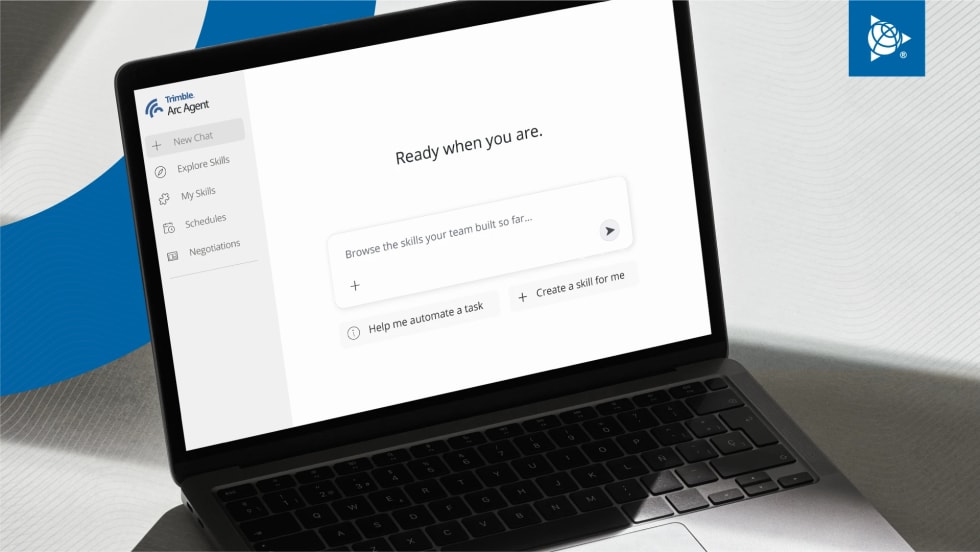
Trimble’s New AI Agent Takes Aim at Fleet Back-Office Busywork
Arc Agent works across Trimble TMS products to automate repetitive tasks such as freight orders, maintenance, invoices, fuel costs and more.
Read More →
How HDT’s 2026 Truck Fleet Innovators Are Rethinking Fleet Operations
Meet five trucking leaders who are challenging assumptions, solving operational problems, and putting innovative ideas to work.
Read More →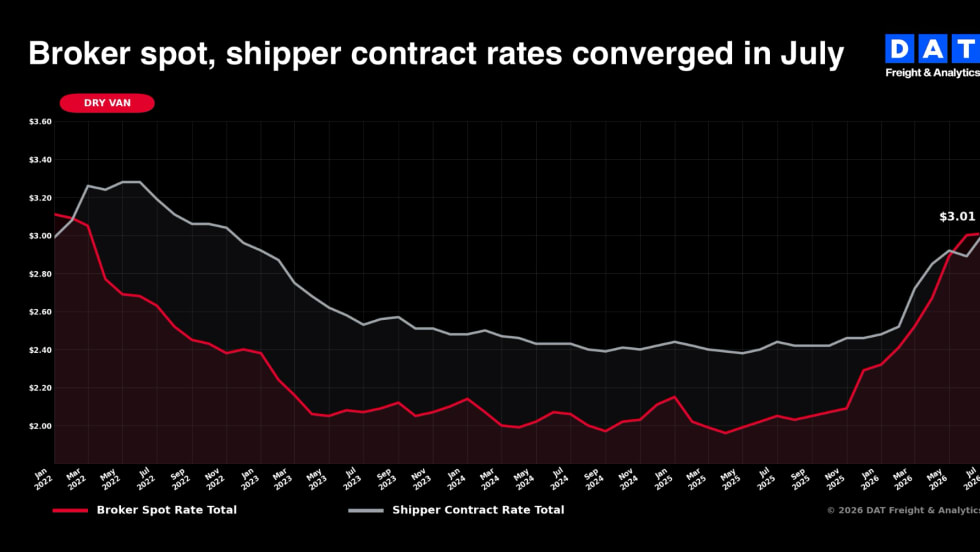
Tight Trucking Capacity Pushes Rates Higher Even as Freight Volumes Fall
“Spot rates moving ahead of contract rates have historically signaled a tightening market, but we haven’t seen a capacity-driven market quite like this one,” said DAT's Dean Croke.
Read More →