




Omnitek Receives Approval for Detroit Diesel Natural Gas Conversions
Omnitek Engineering has received approval from the U.S. Environmental Protection Agency for diesel-to-natural gas engine conversions of Detroit Diesel Series 60 engine families for model years 1988 to 2009.
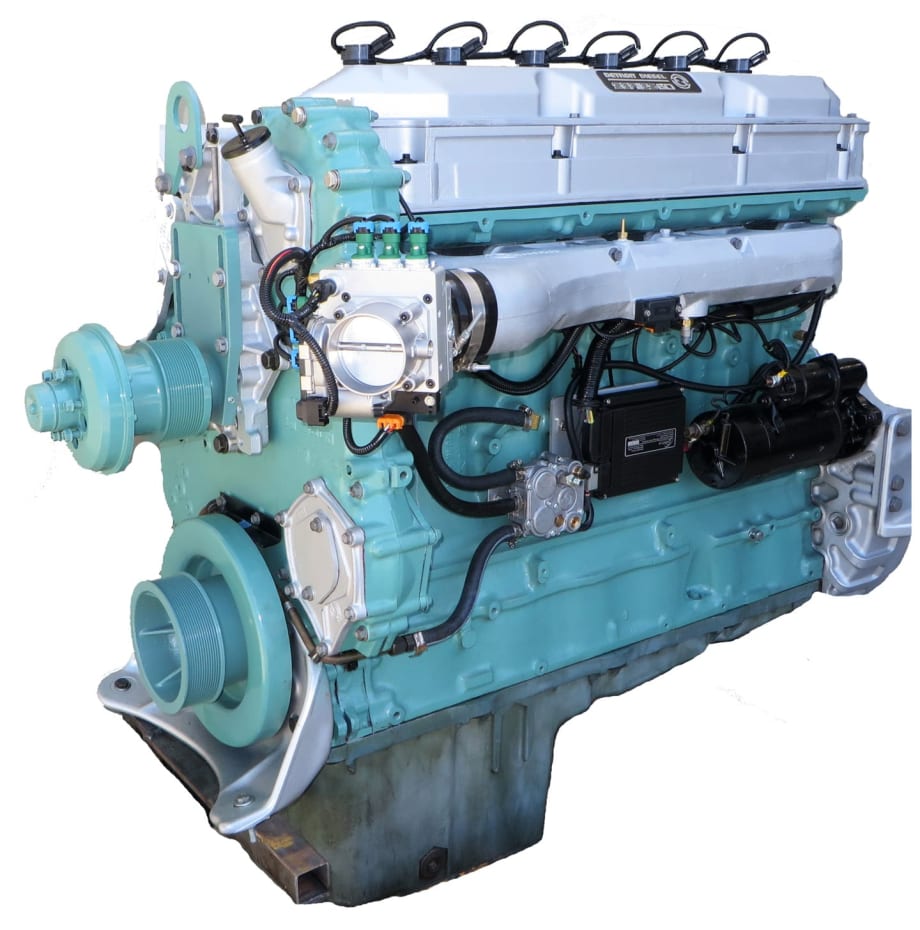
Omnitek Engineering has received approval from the U.S. Environmental Protection Agency for diesel-to-natural gas engine conversions of Detroit Diesel Series 60 engine families for model years 1988 to 2009.
The decision allows engine conversions to proceed in 49 States and covers the 11.1 liter, 12.7 liter and 14 liter models.
"There is significant pent up demand for converted Detroit Diesel Series 60 natural gas engines and we expect strong sales momentum in the quarters ahead as fleet customers take advantage of the favorable economics of natural gas and our 'drop-in' engine program,” said Werner Funk, president and chief executive officer of Omnitek Engineering. “The Series 60 remains an extremely popular engine in Class 8 truck applications. With more than 1,000,000 engines produced, we are excited to add this engine to our product portfolio.”
Funk said he anticipates conversions of drayage trucks will comprise a large portion of the Series 60 business. Omnitek previously announced its diesel-to-natural gas engine conversion technology was selected under a competitive grant process by the Puget Sound Clean Air Agency for a pilot project and believes the project should attract additional interest from other ports across the country as it evolves.
He noted the company is working to finalize the development of the Caterpillar C15 and Cummins ISX engine conversion kits.
More Fuel Smarts

Geotab Links Fleet Card to Vehicle Data
The new card combines fuel discounts with telematics-based purchase controls. Geotab’s analysis also points to potential savings from choosing lower-priced fuel stops.
Read More →
Fleet Economics Shape Electric Truck Outlook
ACT Research expects costs, charging infrastructure, and technology improvements to drive zero-emission commercial vehicle adoption as federal regulations and incentives retreat.
Read More →
Wex Adds Cardless Fuel Payments for Over-the-Road Customers
A new fuel card feature for Wex customers offers convenience and security.
Read More →

New California Law Could Shed Light on Electric Truck Prices
Why do battery-electric Class 8 trucks remain so expensive? A California bill signed by Gov. Gavin Newsom would give fleets and state agencies more visibility into what manufacturers charge.
Read More →
How Volvo Updated Its D13 for EPA 2027 [Watch]
Volvo’s updated D13 promises lower emissions without sacrificing performance or fuel economy. Take a closer look at what changed inside the engine in this HDT Spotlight video.
Read More →
Diesel Price Spike Shortens Payback for Natural Gas Trucks, Report Says
Energy Vision estimates fleets could recover the higher purchase price of an RNG-fueled Class 8 tractor in 1.3 to 2.8 years under current fuel-price scenarios.
Read More →
Calstart Becomes Catalyst Mobility, Reflecting Broader Focus
Calstart is now Catalyst Mobility, reflecting the nonprofit’s growing national role in clean transportation, including zero-emission trucks, infrastructure and incentive programs.
Read More →
Record Diesel Prices Squeeze Trucking Fleets
Average U.S. diesel prices have climbed to nearly $6 a gallon, surpassing the 2022 record as tight refinery capacity and Middle East disruptions keep fuel costs elevated.
Read More →
How Fuel Delivery Shapes Engine Performance
Fuel delivery depends on more than what happens at the injector. For fleet, maintenance and technical professionals, looking at the full path from pump to injector can provide useful context for understanding engine performance.
Read More →
East Coast Port Launches $45M Electric Truck Push
The Port Authority of New York and New Jersey announced millions in incentives for zero-emission drayage trucks, yard tractors, and new charging hubs near the port.
Read More →