




Nikola Puts Tre Battery-Electric Truck Through its Paces
While the mainstream headlines have been full of news about Nikola founder Trevor Milton’s indictment, the company he left last year has been busy continuing its work to bring battery-electric and fuel-cell trucks to market.

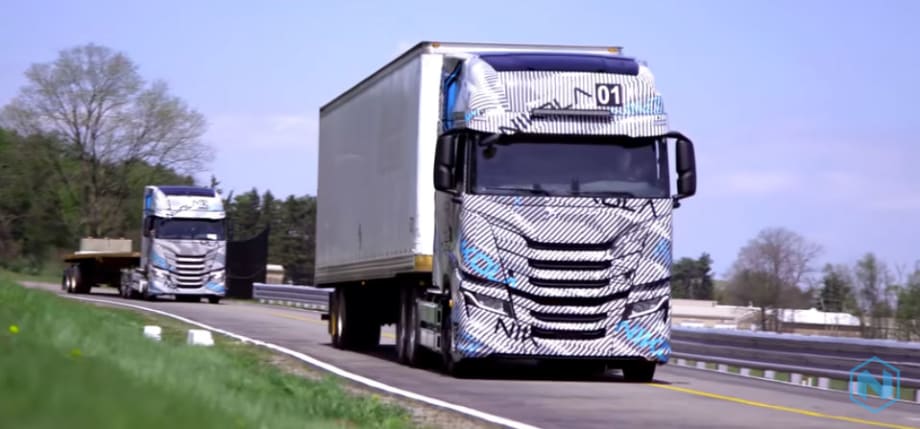
Nikola's battery-electric Tre goes through testing at the Indiana Proving Grounds.
Photo: Screen capture of Nikola video
While the mainstream headlines have been full of news about Nikola founder Trevor Milton’s indictment, the company he left last year has been busy continuing its work to bring battery-electric and fuel-cell trucks to market.
In a news release about its second-quarter earnings, Nikola CEO Mark Russell said the company has had continued success in commissioning and validating the Nikola Tre battery-electric trucks.
During the second quarter, validation activities continued on the first batch of five Nikola Tre BEVs. All nine trucks from the second batch have been built and are in the United States. Three trucks from the second batch have been commissioned and are in various stages of validation. The remaining six trucks from the second batch are undergoing commissioning in Arizona. The batch two trucks have incorporated component improvements and systems iterations from batch one testing. Validation testing will continue to run through the third quarter and into the fourth.
Two recent videos showcase the testing it’s been doing on the Nikola Tre battery-electric prototype at the Indiana proving grounds. It’s part of a series the company has been doing called “Driving Change.”
A video posted in early May higlighted Nikola Tre March/April powertrain validation testing in Indiana, following Northern Michigan winter testing.
As they explain in the video, all OEMs test their vehicles on proving grounds, which can help simulate more extreme environments than over-the-road testing. They tested powertrain efficiency and top speed at 82,000 pounds loaded, and achieved a top speed of 75 mph.
It also handled a 20% grade with ease, but that was unloaded.
In the follow-up video posted recently, they noted that to get to the durability testing area, the truck has to pull that 82,000 pounds up a 12% grade, and it’s been doing so with no issues.
The latest testing involved extensive instrumentation to collect data about what a typical road does to the truck – what does it put into the chassis and into the vehicle? The truck was equipped with 264 sensors, accelerometers, wheelforce transducers, etc. The company can take that data and use it for simulations and predictive modeling.
It also tested things that aren’t exactly typical roads, such as cobblestones.
It’s wild to see a Euro-style cabover here in the U.S., but that’s exactly what Nikola is planning to do, working with its truck maker partner, Italy’s Iveco, as we reported last August.
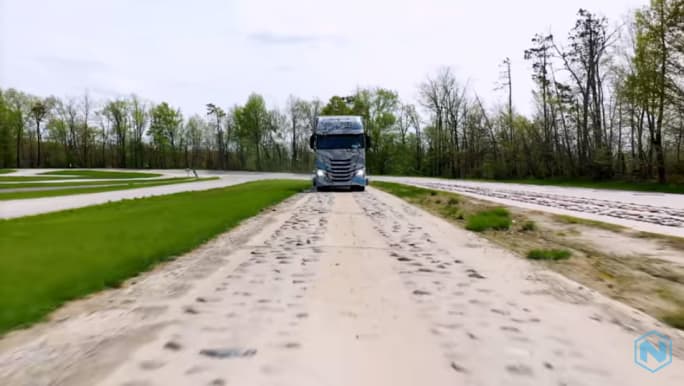
Proving ground testing includes tough challenges such as cobblestones.
Photo: Screen capture of Nikola video
Manufacturing, Hydrogen, Dealers
Nikola also said it has completed its Ulm, Germany, and Phase 0.5 of its Coolidge, Arizona, manufacturing facilities.
That 0.5 phase in Arizona allows it to build limited trucks, and Nikola said it’s in the process of building seven trucks in Coolidge: two Tre BEV Pre Builds and five Tre FCEV Alphas. It anticipates the Phase 1 assembly expansion area will be completed by the end of 2021.
On June 14, Nikola and Iveco started trial production on the assembly line in Ulm, Germany. As of the fourth quarter earnings release, there were two Nikola Tre BEV Pre Builds on the line being assembled. The equipment and assembly process are being fine-tuned as the company ramps up for serial production.
Nikola also acquired a 20% stake in the Wabash Valley Resources clean hydrogen project in West Terra Haute, Indiana. The project plans to use solid waste byproducts such as petroleum coke combined with biomass to produce clean and sustainable hydrogen. As part of the agreement, Nikola acquired the right to offtake up to 20% of the clean gaseous hydrogen produced at the facility, which could provide Nikola with approximately 50 tons of hydrogen per day following completion of the plant. “This would allow us to supply clean hydrogen in a critical geography,” said the company.
Nikola also has been expanding its sales and service network. In July, it announced 51 new locations across Texas, Arizona, California, Colorado, New Mexico, Florida, Delaware, Virginia, and Maryland, bringing the total to 116. Less than a month later, it announced the addition of Alta Equipment Group to the network, with locations in New York, New Jersey, eastern Pennsylvania and other areas in the New England region.
More Fuel Smarts
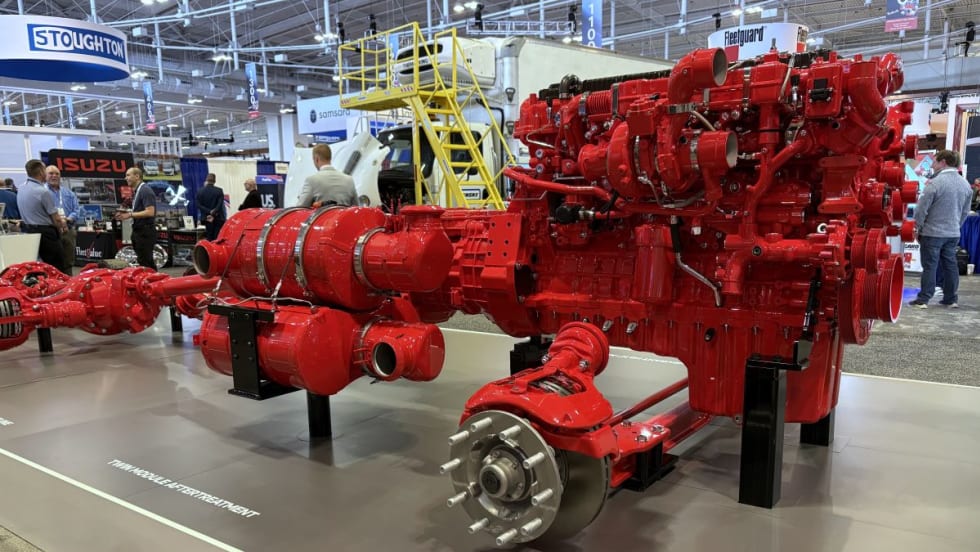
Cummins Adjusts 2027 Engine Rollout After EPA Proposal
The engine maker will gradually introduce its new Model Year 2027 diesel engines while continuing to offer current models during the transition, citing the EPA's proposed emissions rule changes.
Read More →
EPA Proposal Could Ease 2027 Truck Costs and Buying Uncertainty
The proposal doesn't change the tougher NOx standard, but it would revise key implementation requirements that manufacturers say have driven up costs and complicated fleet purchasing decisions.
Read More →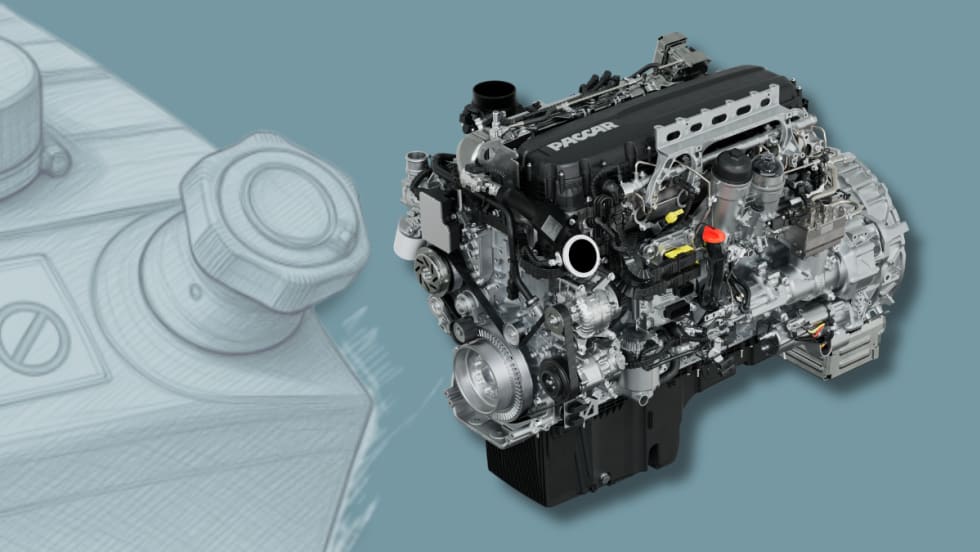
Cummins, Paccar Ease DEF Derates After EPA Guidance
Updated diesel engine software gives truck operators more time to address emissions-system issues while staying compliant with EPA emissions standards.
Read More →
Maintenance in the Messy Middle Part 3: Biodiesel
Biodiesel can reduce emissions, improve fuel-system lubricity and use existing diesel infrastructure. But NACFE’s Messy Middle maintenance report says fleets must actively manage storage, cold-weather operation, filters and oil drain intervals to avoid problems.
Read More →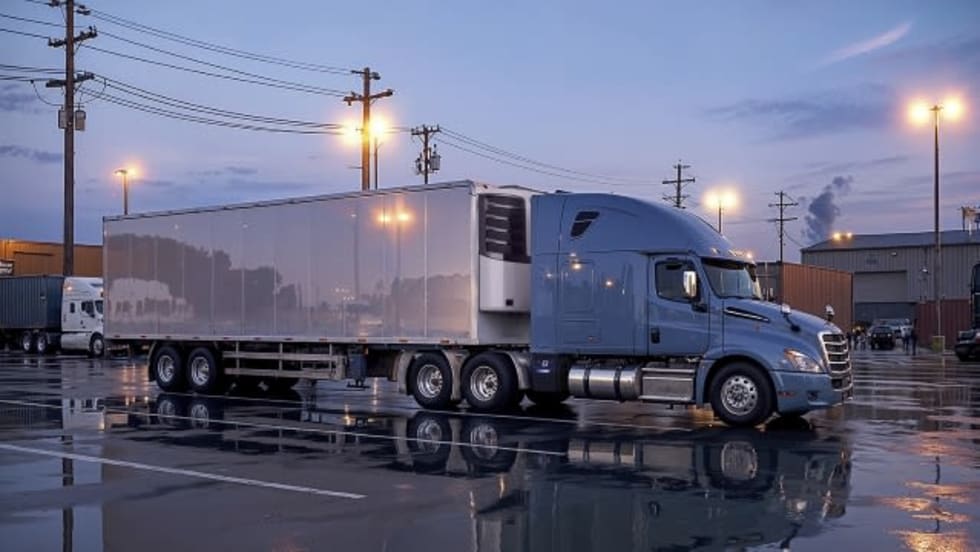
Enhance Fleet Performance with High-Efficiency Auxiliary Power Units
Drive sustainable cost savings while increasing driver comfort during short- and long-haul logistics operations.
Read More →
Maintenance in the ‘Messy Middle’ Part 2: Renewable Diesel Fuel
NACFE's latest Messy Middle Powertrain Service & Maintenance report says renewable diesel gives fleets an opportunity to reduce carbon emissions without changing trucks, fueling infrastructure or maintenance practices. But technicians still need to understand several important operational differences.
Read More →
The Diesel Engine Enters NACFE’s ‘Messy Middle’
NACFE’s new Messy Middle Powertrain Service & Maintenance report says keeping modern diesel engines running now depends as much on software, diagnostics and data as traditional mechanical service.
Read More →
DTNA Software Update Gives Truckers More Time Before DEF Derates Take Effect
The changes reflect EPA guidance aimed at reducing downtime caused by emissions-system faults while maintaining compliance requirements.
Read More →
New Agentic Predictive Maintenance Report Demonstrates How Degraded Aftertreatment Systems Waste Fuel
Questar analyzed a large mixed-class fleet and discovered it was wasting as much as $30 in fuel per vehicle, per day, because of mechanically degraded aftertreatment systems.
Read More →
New York City's Microhub Project is Delivering Results
Trucking, last-mile delivery companies, and environmental advocates like what they are seeing so far with New York's microhub program.
Read More →