




New Truck Show to Focus on Technology, Fleet Buyers
The goal of the new North American Commercial Vehicle Show is not to compete with established regional trucking shows that are popular with owner-operators and families, but to provide a more business-focused event showcasing the latest truck technology for fleets.


UPDATED -- The goal of the new North American Commercial Vehicle Show is not to compete with established regional trucking shows that are popular with owner-operators and families, but to provide a more business-focused event showcasing the latest truck technology for fleets.
“The main idea here is that what was missing from North American shows was a real focus on the medium to large fleets and the technology of today and tomorrow,” explained Joe Glionna, vice president of Newcom Media USA, one of the partners putting on the new event, in an interview with HDT.
The new show will be held Sept. 25-29, 2017, at the Georgia World Congress Center in downtown Atlanta. Daimler Trucks North America is the first truck OEM to announce a commitment to the new show, but other announcements will be forthcoming.
The NACV Show is organized and managed jointly by Newcom Media USA and Hannover Fairs USA. Newcom, a major Canadian B2B publisher, puts on the Truck World and ExpoCam trade shows. Hannover Fairs USA develops and manages marketing programs at Deutsche Messe events in Hannover, Germany, and the United States, as well as in emerging markets.
The genesis for a new show was the pullout of major truck and engine OEMs from the Mid-America Trucking Show last year. DTNA and others expressed a desire for a show that would run on opposite years to the big IAA commercial vehicle show in Hannover, Germany, and that would have some of the same attributes of the European event, where fleets actually come to place equipment orders.
In fact, Glionna said he doesn’t view the NACV show as directly competing against any shows that are currently in the North American market.
“We believe there’s a place in this industry for events for truck enthusiasts, for owner-operators, for the family aspect of trucking, and we hope they continue to succeed in various regional markets,” Glionna said. “But what was missing … was an event that brings the buyers together and the latest technologies and the biggest fleets.”
He noted there also will be a “robust European technology section of the show.”
While owner-operators are certainly welcome, Glionna said, the NACV show will not have some of the types of features that would typically be a draw for this audience, such as a truck beauty competition, driver recruiting booths, concerts, educational programs, and vendors showing off products and services that are not directly related to the business of running a fleet.
Quality, not quantity, is the goal when it comes to attendees and exhibitors.
“Our expectations are quite low compared to the announced numbers” from some other shows, Glionna said. “We have no interest in having 50,000 people at this show. If we had 10,000 to 15,000 qualified buyers the first year, that would be a big success in our minds. It's not about big numbers, it’s about the right equipment, the right place to do business, and the right people to do business with.”
NACV will be a five-day show. While schedules are far from finalized, as plans stand now, only two days are likely to be open to the general public, Glionna said. A third day will be limited to invited guests – customers and prospects of the exhibitors. A fourth day will be for the press, a fifth day for suppliers to meet with OEs.
Eventually, Glionna said, NACV can become more of a truck-buying event like IAA. “In the North American market, trade shows are far less about acquisition than European shows, and it’s a mentality that’s not going to change in year one. I think we’re going to see a real attempt to start to create sales cycles where the show becomes a major date in that sales cycle.”
Updated 7/7/2016 to correct show dates.
More Fleet Management
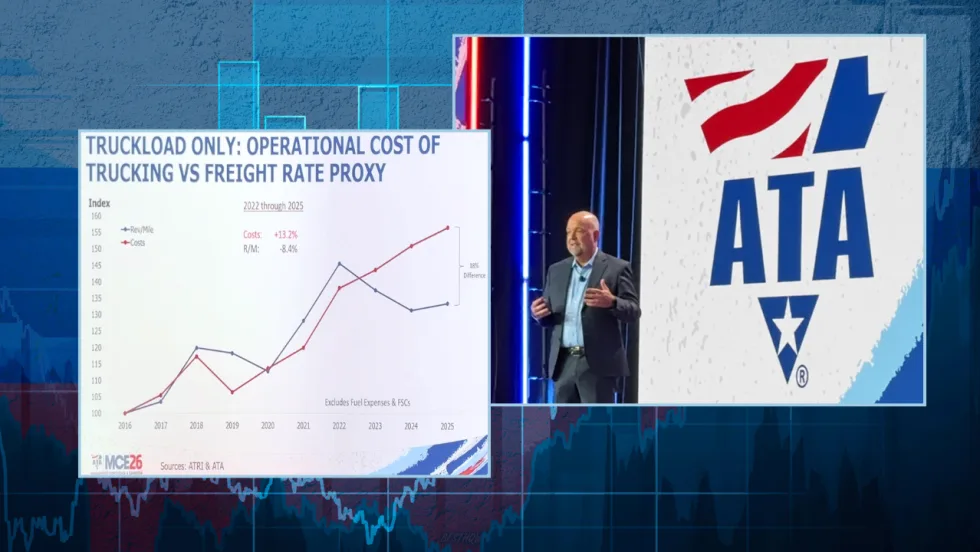
Why This Trucking Recovery Is Different
Freight demand remains sluggish, but rising costs and tougher enforcement have taken enough capacity out of the market to change the outlook for motor carriers.
Read More →
Platform Science Adds Dispatch and Safety Tools
Four additions to PS Fleet help fleets monitor loads, manage driver coaching, share truck locations and adjust video system settings.
Read More →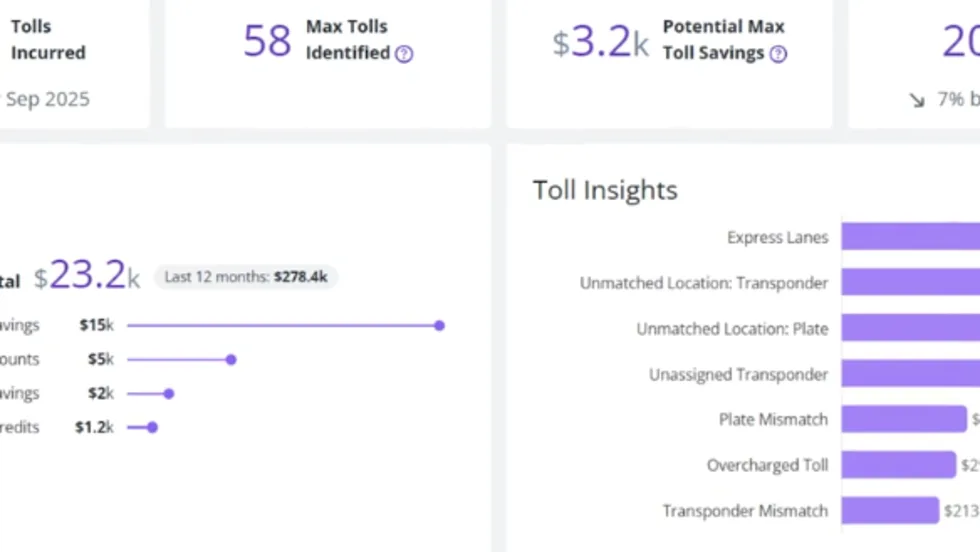
PrePass Intelligence Mines Fleet Bypass, Toll and Safety Data
PrePass Intelligence helps fleets measure bypass savings, flag potential toll overcharges, and spot suspicious transactions by combining data from separate systems.
Read More →
Motive Adds AI Agents for Fleet Operations
New tools automate follow-up on fleet data, from maintenance work orders to driver alerts, with two-way voice conversations planned for later this year.
Read More →
Can You Beat Our Trucking Trivia Challenge?
Test your truck knowledge with 19 trivia questions from Heavy Duty Trucking Exchange. Can you keep up with the fleet pros?
Read More →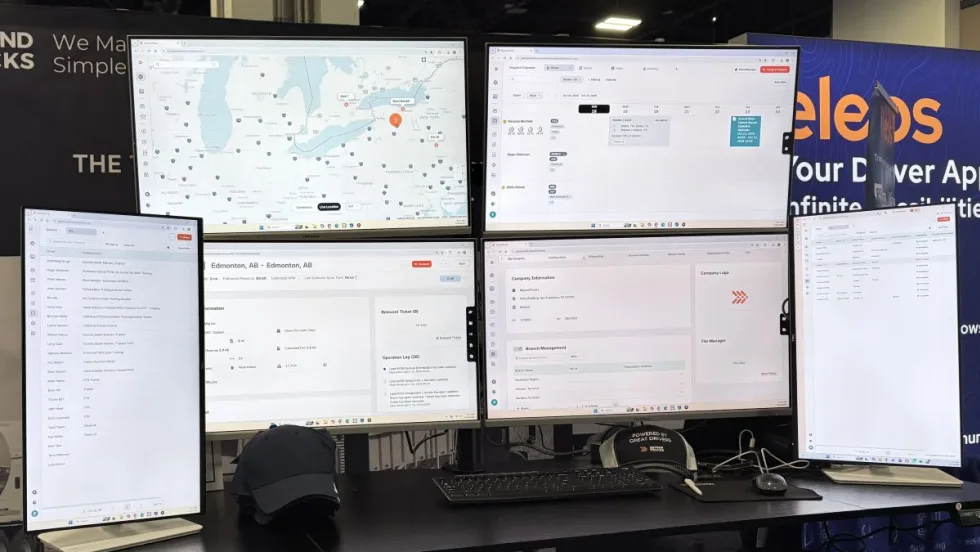
BeyondTrucks Adds Rules Checks to Dispatch
New Compatibility Engine checks driver qualifications, equipment requirements and fleet policies before loads are dispatched.
Read More →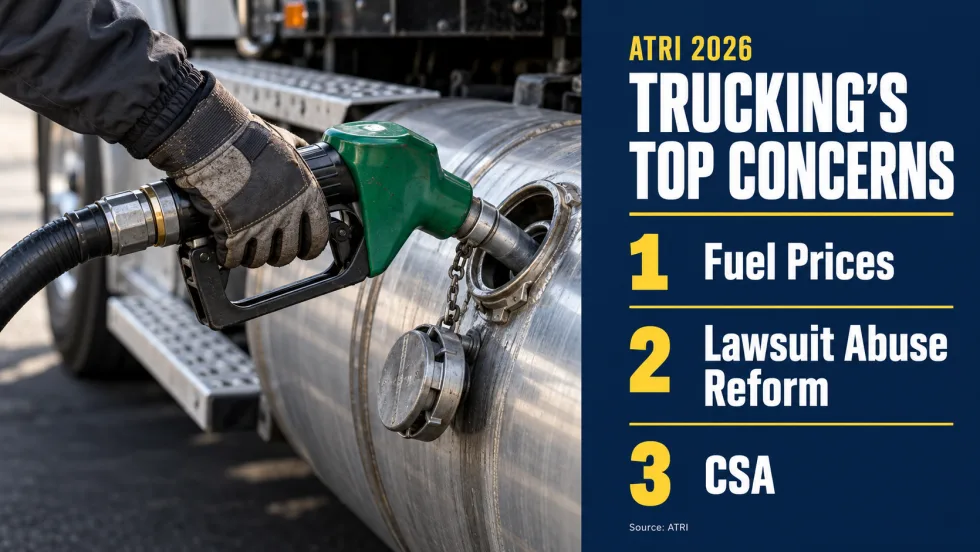
Diesel Prices Hijack Trucking’s Worry List
ATRI’s annual survey finds cautious optimism about freight, but diesel costs, litigation, and insurance continue to squeeze fleets. Drivers have different priorities on several issues.
Read More →
Nomination Deadline Extended for HDT Emerging Leaders
Just a few more days to nominate accomplished trucking fleet professionals under 40 who are making an impact and helping lead the industry forward for the HDT Emerging Leaders award. Deadline extended to October 20!
Read More →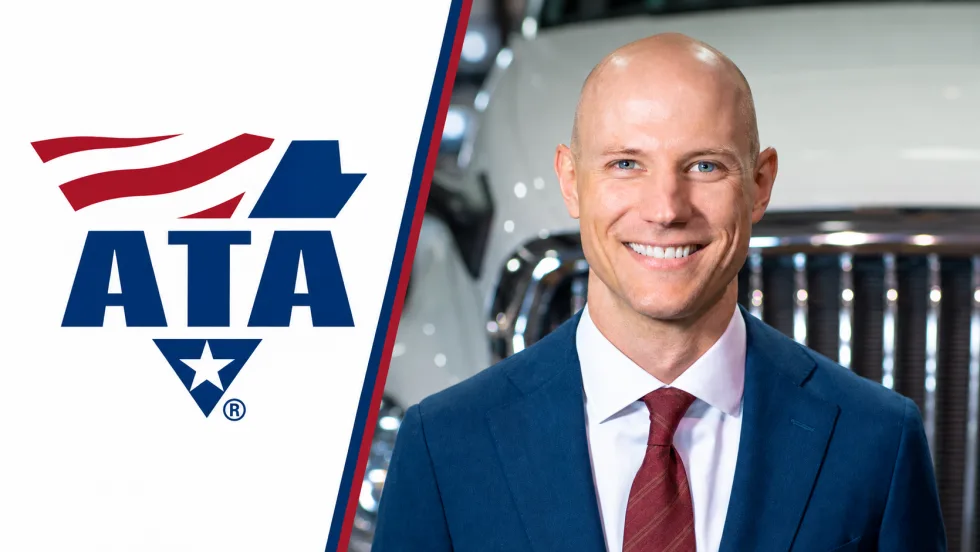
What Will ATA’s New Leader Bring to Trucking's Table?
Incoming President and CEO Mark Colson’s record in Alabama offers clues about his priorities and approach following Chris Spear’s abrupt departure as the head of the American Trucking Associations.
Read More →
Volvo, Waabi Start Commercial Autonomous Operations in Texas
Volvo VNL Autonomous trucks, powered by the Waabi Driver, are hauling freight directly to third-party facilities for a customer in Texas.
Read More →