




New Report Says Fleets Missing Out on Fuel Savings Through Engine Settings
Fleets that optimize their electronic engine parameters for fuel economy can expect to see about a 0.5 mpg improvement in fuel economy, according to a new Confidence Report issued by the North American Council for Freight Efficiency at the Technology & Maintenance Council annual meeting.
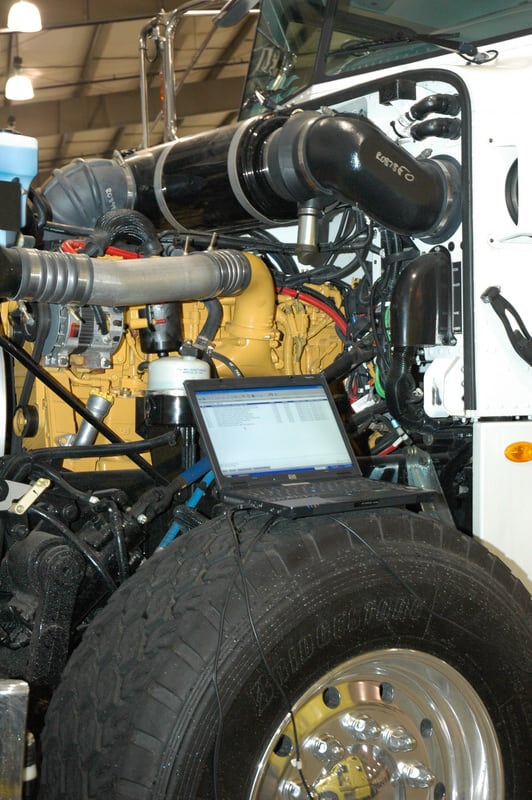
Photo by Jim Park
Photo by Jim Park
NASHVILLE -- Fleets that optimize their electronic engine parameters for fuel economy can expect to see about a 0.5 mpg improvement in fuel economy, according to a new Confidence Report issued by the North American Council for Freight Efficiency at the Technology & Maintenance Council annual meeting.
Fuel economy improvements of 5–8% are possible for fleets that previously have not used parameters to optimize for fuel economy.
Much like users of common electronic devices such as smartphones and televisions, most fleets set only a fraction of the electronic engine parameters that can be used.
According to the report, engine parameters add no weight or cost, and don’t require any additional maintenance; they are already an integral part of the engine control software. These benefits make engine parameters unique among efficiency technologies, and contributed to the study team’s high confidence rating.
“Optimizing engine parameters is well worth the effort — it enhances fuel economy and saves fleets a lot of money. But the complexity of optimization is preventing many fleets from enjoying the benefits,” says Dave Schaller, North American Council for Freight Efficiency program manager.
The Confidence Report focuses on six engine parameter categories:
Vehicle speeds
Vehicle configuration information
Engine speed and torque limits
Idle reduction
Driver rewards
Miscellaneous MPG-related features
NACFE identified eight barriers to changing the settings that arise at three specific points during the optimization process, among them:
Understanding Parameters
The large number of parameters available requires extra effort to fully understand.
Interrelations between multiple parameters and/or between parameters and other systems on the truck.
Selecting and Ordering Parameters:
Each engine OEM has its own terminology and brand names for its parameters, and even some slight differences in how they function. Even within a single OEM there will be differences from one engine model to the next.
The majority of fleets have multiple years and models of engines in active operation, sometimes from multiple OEMs.
Maintaining Parameters
Variation in service tools and lack of telematics: Changes in duty cycles or even insights from new truck performance data may indicate that a certain parameter should be altered on a group of trucks. But right now changing parameters requires someone physically connecting with the truck. This can be a time-consuming task for a large fleet. Telematics technology would allow for parameters to be updated remotely.
Negative reactions from drivers: Fleets must communicate the benefits of parameters to their drivers, as often a driver’s initial reaction to anything that places restrictions on vehicle operation is quite negative.
The report offers insights and best practices to deal with the obstacles to programming and maintaining parameter settings. It also contains fleet and dealer perspectives on setting and using electronic engine parameters, a summary of service tools available from engine manufacturers, and a parameter names comparison chart.
Download the full report at www.truckingefficiency.org.
More Fuel Smarts

Trucking’s Diesel Squeeze Isn’t Letting Up
With diesel topping $6 a gallon nationally, ATA's Bob Costello explains why fleets should prepare for continued pressure at the pump.
Read More →
FlowBelow Redesigns Trailer AeroSlider to Cut Fuel Use
The lighter trailer aerodynamic system installs in less than 45 minutes, according to the company, with potential payback in under a year depending on fuel prices and trailer mileage.
Read More →
Why Diesel Price Relief Efforts May Fall Short
Diesel prices have eased from September’s record high, but doubts about additional Russian supply and limits on dyed-diesel tax relief mean trucking fleets still face expensive fuel. And prices could go higher.
Read More →
Why Small Fuel Savings Matter in Trucking
Can better fuel economy help pay for driver raises? In this podcast, GP Transco explains how small efficiency gains create room to reinvest in its people.
Read More →
How GP Transco Cuts Trucking Fuel Costs, a Tenth of a Gallon at a Time
What’s another tenth of a mile per gallon worth? GP Transco shares how equipment upgrades and driver coaching turn small gains into meaningful fuel savings.
Read More →
Electric Yard Tractors Move Beyond Pilots
Operating-cost savings have overtaken sustainability goals as the leading reason surveyed fleets are adopting battery-electric terminal tractors, according to new NACFE research.
Read More →
Geotab Links Fleet Card to Vehicle Data
The new card combines fuel discounts with telematics-based purchase controls. Geotab’s analysis also points to potential savings from choosing lower-priced fuel stops.
Read More →
Fleet Economics Shape Electric Truck Outlook
ACT Research expects costs, charging infrastructure, and technology improvements to drive zero-emission commercial vehicle adoption as federal regulations and incentives retreat.
Read More →
Wex Adds Cardless Fuel Payments for Over-the-Road Customers
A new fuel card feature for Wex customers offers convenience and security.
Read More →
New California Law Could Shed Light on Electric Truck Prices
Why do battery-electric Class 8 trucks remain so expensive? A California bill signed by Gov. Gavin Newsom would give fleets and state agencies more visibility into what manufacturers charge.
Read More →