




New Report Points to Benefits of Fuel Economy Technologies
Improving truck fuel economy can not only limit U.S. oil dependence and save fleets thousands of dollars at the pump, but it can also create more than 120,000 new jobs nationwide by 203
Improving truck fuel economy can not only limit U.S. oil dependence and save fleets thousands of dollars at the pump, but it can also create more than 120,000 new jobs nationwide by 2030
, according to a report released by the Union of Concerned Scientists (UCS) and Calstart.
In addition, boosting fuel economy of trucks could save four times more oil per year by 2030 than the volume expected from expanded offshore drilling in the same year, the report found.
The report, titled "Delivering Jobs: The Economic Costs and Benefits of Improving Heavy Duty Vehicle Fuel Economy," points to several of the benefits of strengthening fuel economy of medium- and heavy-duty trucks.
According to the report, increasing the average fuel economy of these trucks by 3.7 mpg with current and near-term technologies would reduce U.S. annual oil consumption by 11 billion gallons in 2030. Efficiency improvements could save Class 8 fleet truck owners more than $120,000 per tractor-trailer over eight years and owner-operators more than $80,000 per tractor over 10 to 15 years, assuming an average $3.50 per gallon fuel price.
"Investing in fuel efficiency technologies for heavy-duty trucks would create jobs in the manufacturing sector and throughout the entire economy because fuel savings outweigh the cost of more efficient trucks," said Don Anair, a UCS senior analyst and co-author of the report. "Our report demonstrates that improving the gas mileage of these vehicles not only would provide opportunity for economic growth and job creation, but would strengthen our energy security and reduce global warming emissions as well."
UCS found that net cost savings from more efficient trucks would total $24 billion in 2030 at fuel prices of about $3.50 per gallon, after factoring in the cost of efficiency technologies.
"Truck owners struggle most with fuel price and volatility because fuel is typically the biggest cost of their business," said Bill Van Amburg, senior vice president of Calstart. "But they are also very sensitive to higher vehicle costs. That's why we intentionally used conservative assumptions in our study and still found that new technologies that improve truck fuel economy will not only grow jobs but will save truck owners significant money - particularly if they evaluate the benefits over the vehicle's life."
While the total investment costs in 2020 would be $4.7 billion, net savings would be $10 billion, with fuel prices at about $3.50 a gallon. In 2030, overall investment costs are estimated at $13.4 billion, versus net savings of $24 billion, with similar fuel prices.
In terms of energy and climate security benefits, the report found that between 2010 and 2030, these improvements in fuel economy would result in savings of 100 billion gallons of diesel and gasoline, with annual fuel savings in 2030 possibly topping 11 billion gallons of diesel and gasoline. Global warming emissions would be reduced by 140 million metric tons of carbon dioxide equivalent in 2030, the report said.
"Despite real business case benefits, uncertainty about future policies can stall the development of these valuable new technologies," said Van Amburg. "Smart federal policy, including clear, long-term performance standards and financial incentives, would help truck owners and the industry make the transition and stimulate the economy at the same time."
More Aftermarket
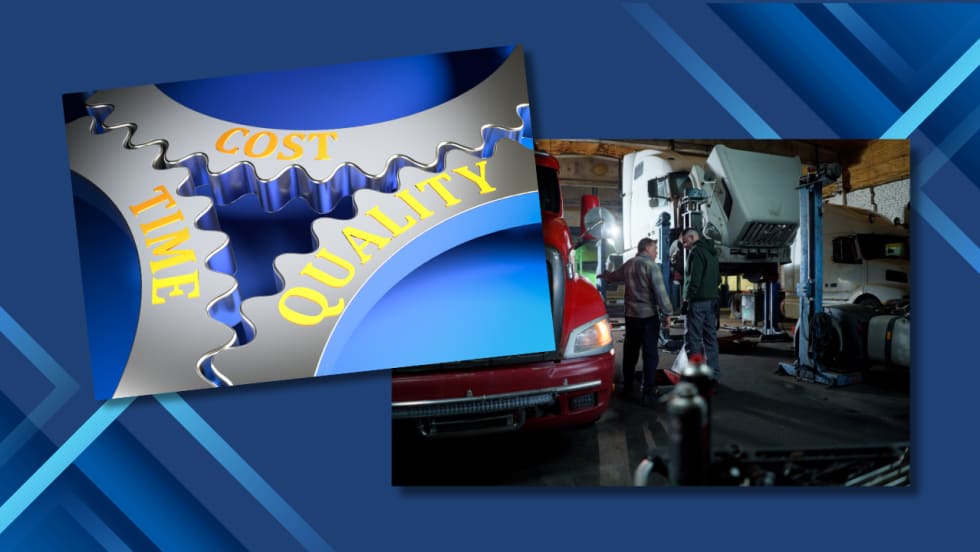
What Three Fleets Are Doing Differently When Buying Truck Parts in 2026
With freight improving but costs still climbing, fleet maintenance executives explain how they're balancing price, quality, and supplier relationships.
Read More →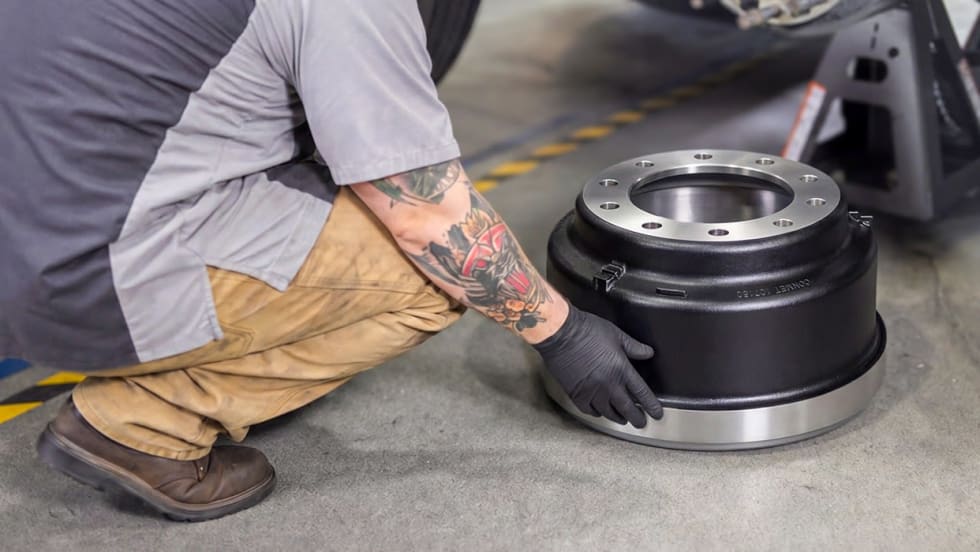
ConMet Expands Aftermarket Brake Drum Lineup With TruCast
A new heavy-duty truck brake drum option in the aftermarket gives customers more flexibility within the ConMet product family.
Read More →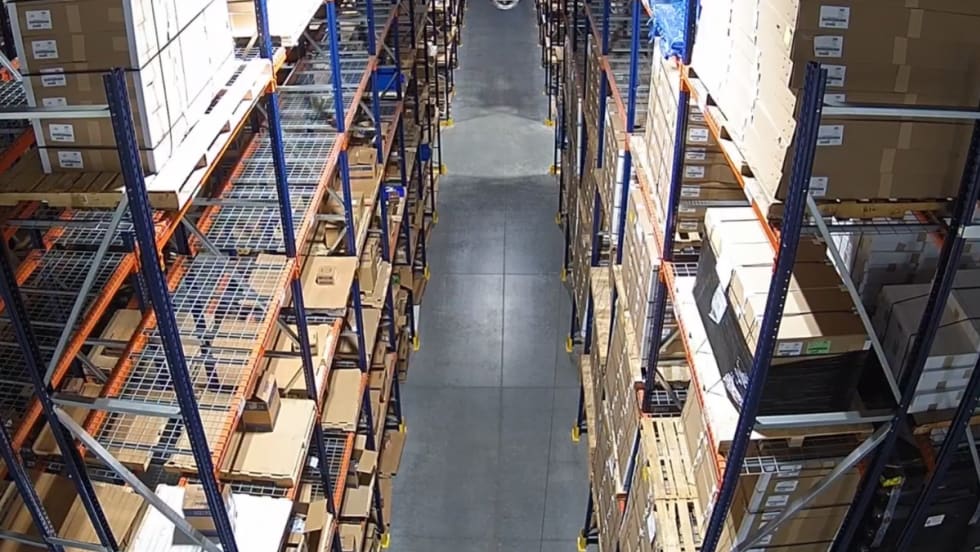
Phillips Opens High-Tech Distribution Center for Faster Parts Delivery
Phillips Industries’ new Cincinnati-area distribution center is now shipping aftermarket trucking parts nationwide, aiming to speed up delivery times for customers.
Read More →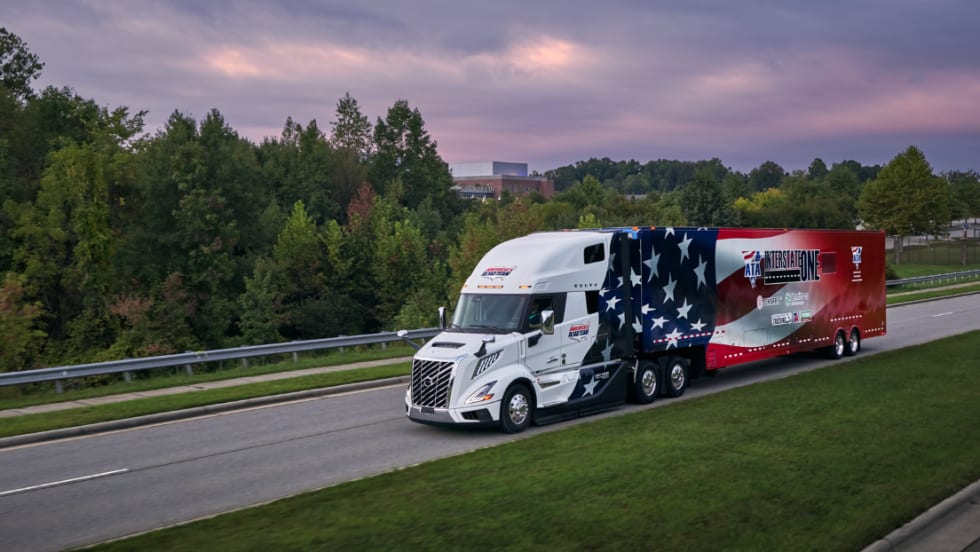
Volvo to Sponsor America’s Road Team for 2025
Volvo Trucks announced that it is extending its exclusive sponsorship of America’s Road Team for 2025.
Read More →
Webb to Start Taking Orders for UltraSet Pre-Adjusted Wheel Hubs
Webb, which recently acquired the Stemco Trifecta pre-adjusted hub program, will soon start taking orders for its replacement pre-assembled hub, the UltraSet.
Read More →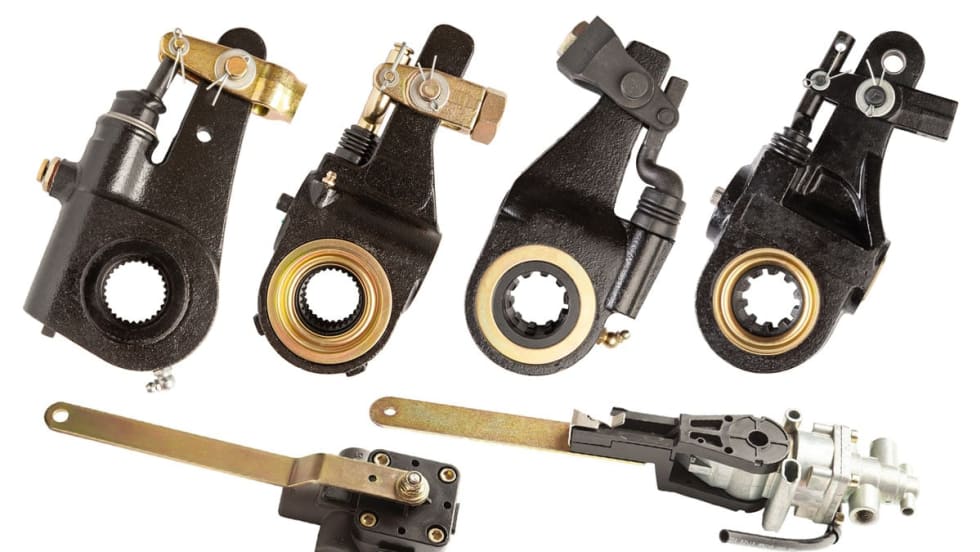
All-Makes Automatic Brake Adjusters, Ride Height Control Valves from Midland
SAF-Holland has added automatic brake adjusters and ride height control valves to its Midland All-Makes Program.
Read More →
ZF Aftermarket Expands [pro]Academy Training
ZF Aftermarket said it is expanding its ZF [pro]Academy training and will be adding 40 new modules this year.
Read More →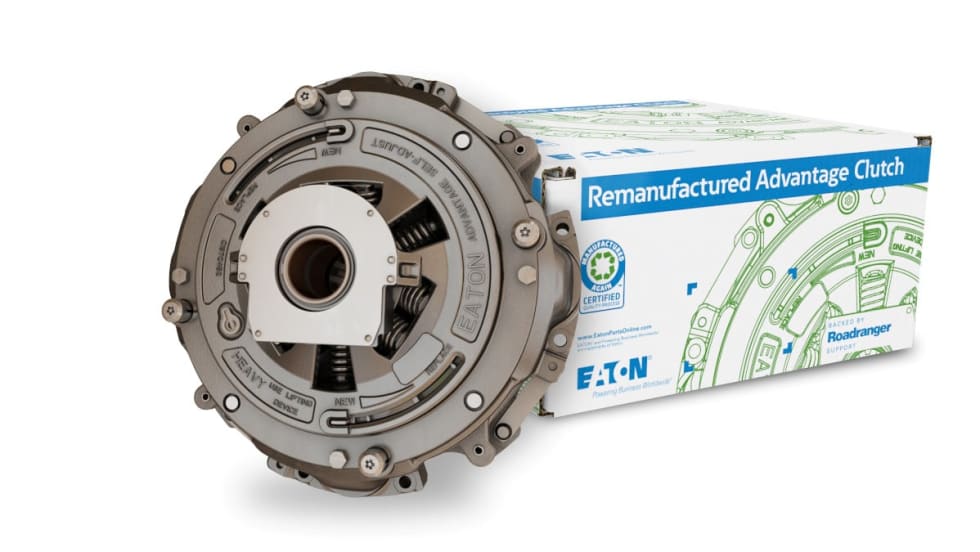
Eaton Adds Remanufactured Advantage Line of Clutches
Eaton has added its Advantage clutches to its remanufactured product line. The clutches feature a unique strap drive intermediate plate designed to allow customers to choose the latest OE specification
Read More →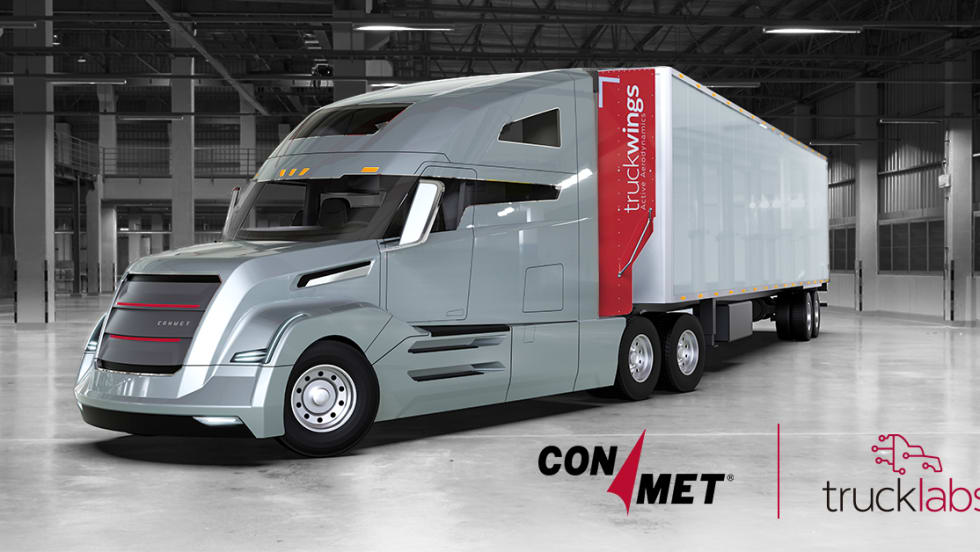
ConMet Acquires TruckLabs, the Creator of TruckWings
Commercial truck and trailer parts provider ConMet acquired TruckLabs, the company that created TruckWings, an aerodynamic device that attaches to truck cabs and deploys to close the gap between truck and trailer. TruckLabs now operates as a subsidiary of ConMet.
Read More →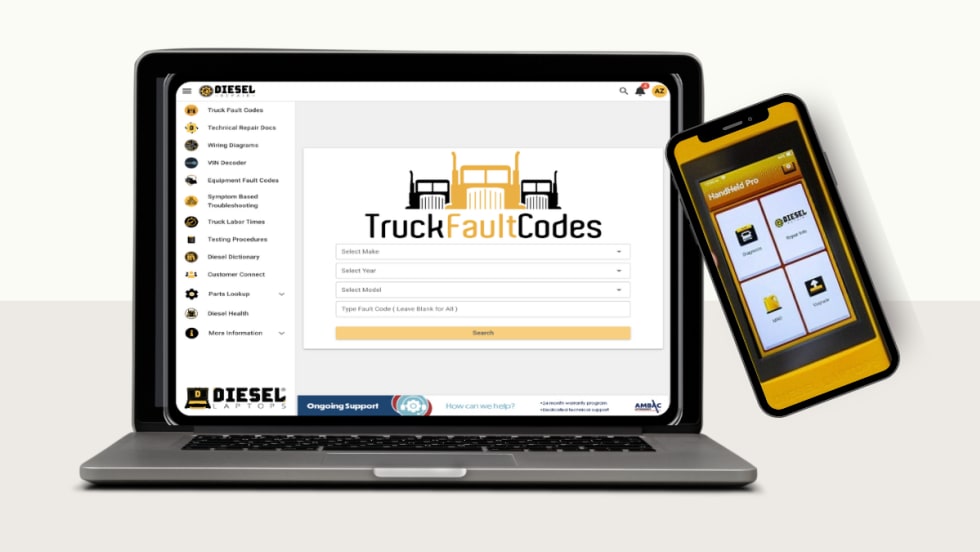
Diesel Laptops Releases Fault-Code-to-Part-Number Tool
Diesel Laptops said its Truck Fault Codes allows users to input a fault code and immediately identify and order the parts needed to complete repair work.
Read More →