




Moving To Rail Won't Clean Air, Study Says
A new study published last month shows that groups calling for increased use of rail as a way to protect the environment are off track
A new study published last month shows that groups calling for increased use of rail as a way to protect the environment are off track.
The study, which was conducted for the North American Commission for Environmental Cooperation (CEC), found that by 2020, due to the large expected reduction in emission rates for trucks, total trade-related emissions of nitrous oxides (NOx) and carcinogenic particulate matter will decline or remain constant compared to current levels, despite trade volumes that are expected to double or triple.
Truck emissions along U.S.-Canadian corridors are predicted to drop to about one-tenth their current level. Lower emission rates are also expected for railway locomotives, but rates are not expected to decline as rapidly as truck emissions because standards will not be as strict and because vehicle turnover is slower. Emissions from locomotive engines and fuels are not regulated in Canada.
Rail corridors with higher trade growth, like Toronto-Detroit, Vancouver-Seattle and Winnipeg-Fargo, are predicted to see an increase of 50 to 100 percent by 2020. In all corridors, because of the decline in truck emissions, rail will contribute a much larger share of trade-related NOx and particulate emissions.
Rail and trucking now contribute roughly equal amounts of dangerous emissions, but a shift to rail would increase NOx and particulates emissions in most corridors, according to the study.
David Bradley, of the Canadian Trucking Alliance, calls the idea that environmental problems will be solved by shifting freight from truck to rail “so wrong.” He cites strict regulation of truck engine and fuel standards, combined with a faster turnover of old equipment, as the key reasons why "trucks have gone from the belchers of black smoke of yesteryear, to the green machines of today."
Canadian National railroad has said that just a 1% market share gain from trucks would generate additional rail revenue of $300 million in Canada and $3 billion in the United States.
More Aftermarket
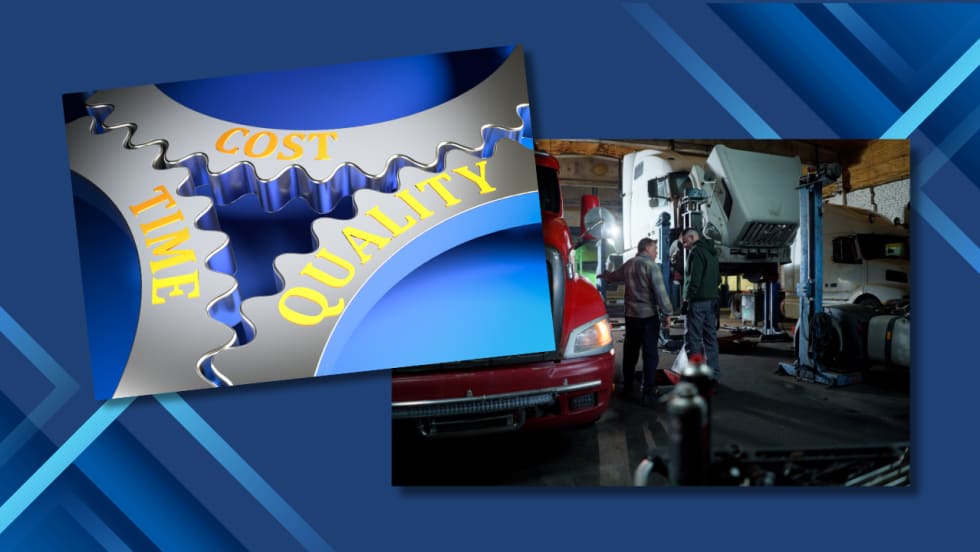
What Three Fleets Are Doing Differently When Buying Truck Parts in 2026
With freight improving but costs still climbing, fleet maintenance executives explain how they're balancing price, quality, and supplier relationships.
Read More →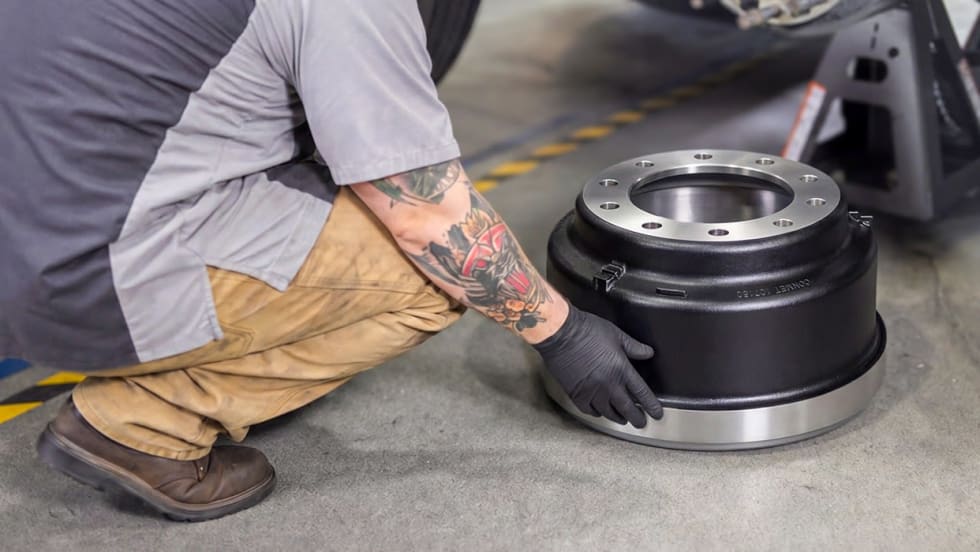
ConMet Expands Aftermarket Brake Drum Lineup With TruCast
A new heavy-duty truck brake drum option in the aftermarket gives customers more flexibility within the ConMet product family.
Read More →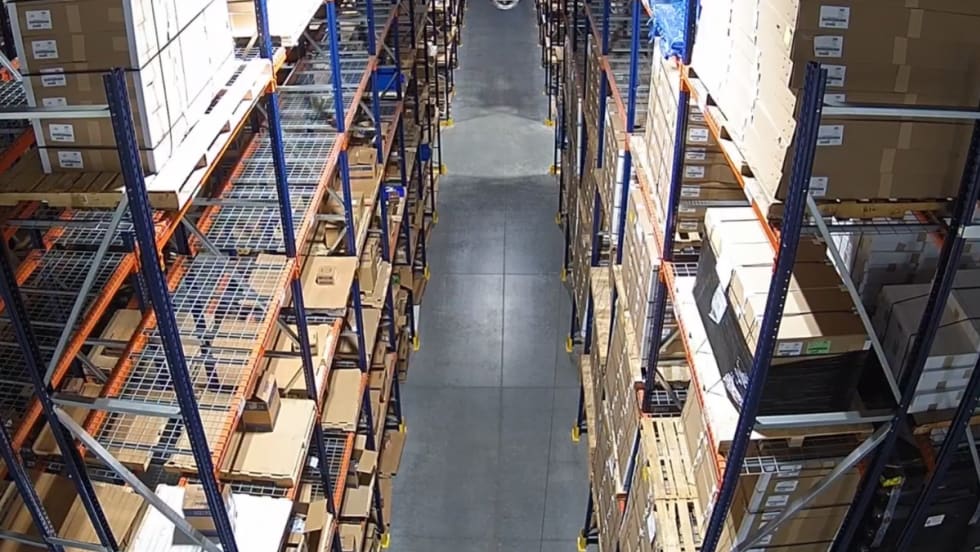
Phillips Opens High-Tech Distribution Center for Faster Parts Delivery
Phillips Industries’ new Cincinnati-area distribution center is now shipping aftermarket trucking parts nationwide, aiming to speed up delivery times for customers.
Read More →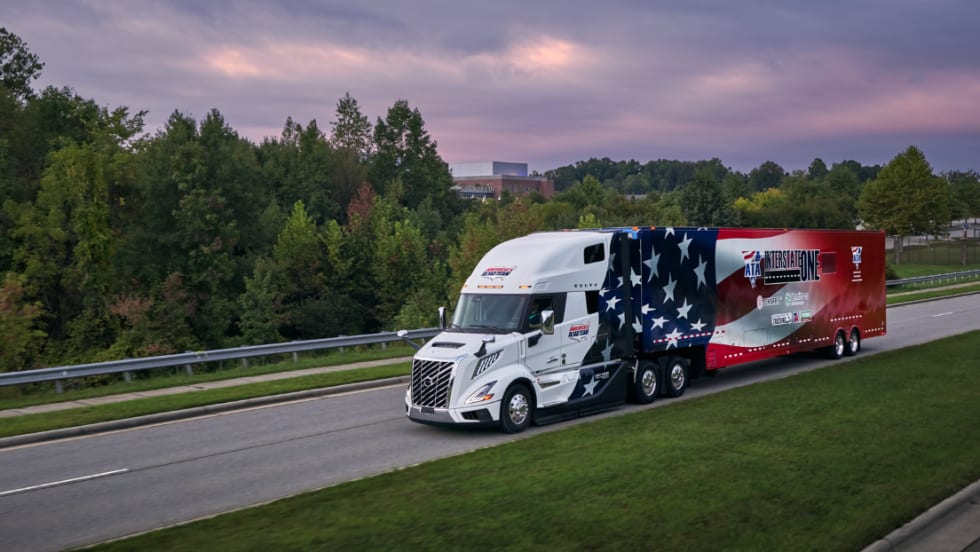
Volvo to Sponsor America’s Road Team for 2025
Volvo Trucks announced that it is extending its exclusive sponsorship of America’s Road Team for 2025.
Read More →
Webb to Start Taking Orders for UltraSet Pre-Adjusted Wheel Hubs
Webb, which recently acquired the Stemco Trifecta pre-adjusted hub program, will soon start taking orders for its replacement pre-assembled hub, the UltraSet.
Read More →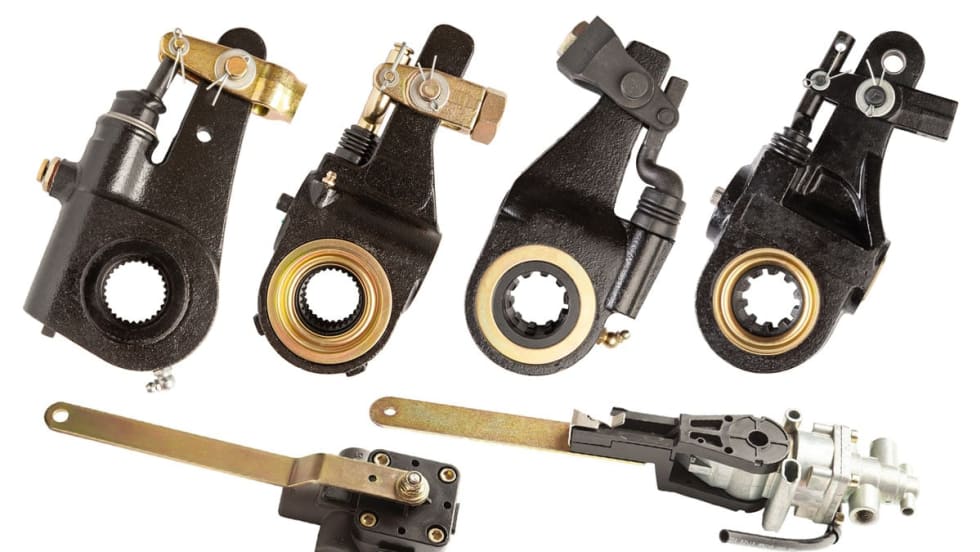
All-Makes Automatic Brake Adjusters, Ride Height Control Valves from Midland
SAF-Holland has added automatic brake adjusters and ride height control valves to its Midland All-Makes Program.
Read More →
ZF Aftermarket Expands [pro]Academy Training
ZF Aftermarket said it is expanding its ZF [pro]Academy training and will be adding 40 new modules this year.
Read More →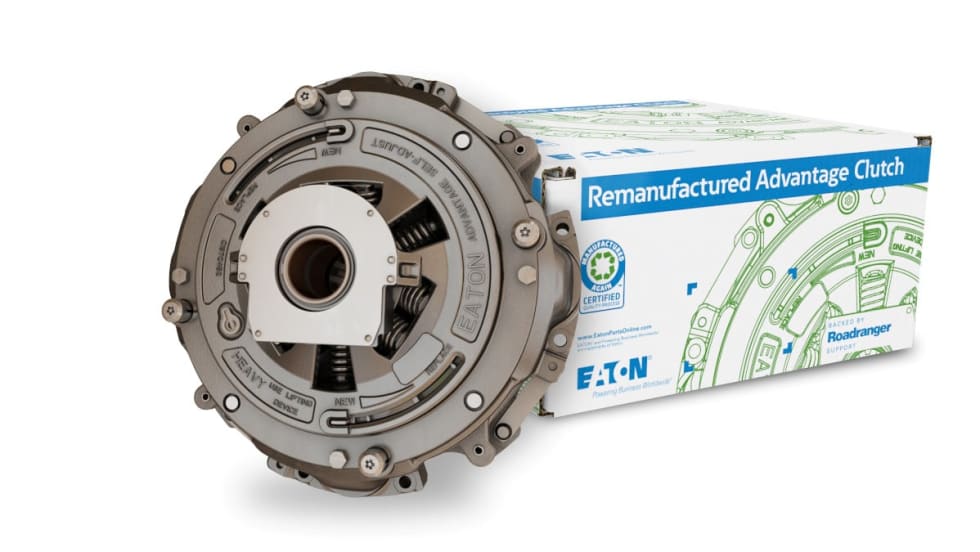
Eaton Adds Remanufactured Advantage Line of Clutches
Eaton has added its Advantage clutches to its remanufactured product line. The clutches feature a unique strap drive intermediate plate designed to allow customers to choose the latest OE specification
Read More →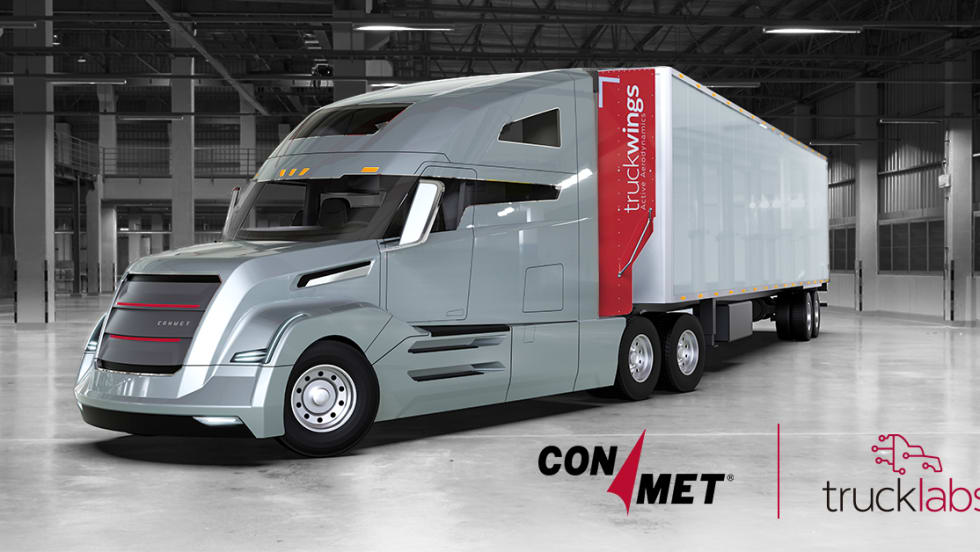
ConMet Acquires TruckLabs, the Creator of TruckWings
Commercial truck and trailer parts provider ConMet acquired TruckLabs, the company that created TruckWings, an aerodynamic device that attaches to truck cabs and deploys to close the gap between truck and trailer. TruckLabs now operates as a subsidiary of ConMet.
Read More →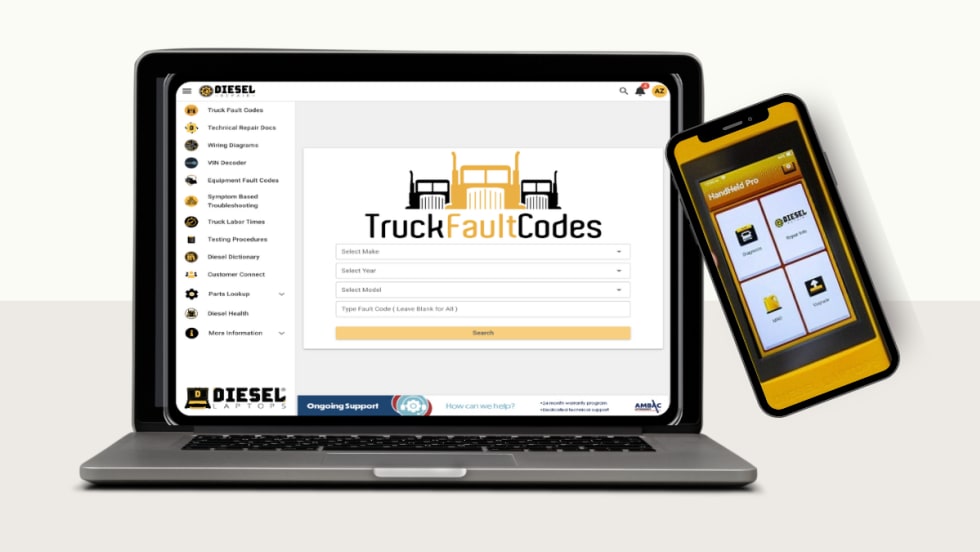
Diesel Laptops Releases Fault-Code-to-Part-Number Tool
Diesel Laptops said its Truck Fault Codes allows users to input a fault code and immediately identify and order the parts needed to complete repair work.
Read More →