





Related: Tesla Electric Truck Will Feature Autonomous Driving Technology
More Details Emerge on Tesla Electric Big Rig
Tesla's soon-to-be-unveiled all-electric truck will be a day cab model with a 200- to 300-mile daily operating range, according to a report by Reuters.
August 25, 2017
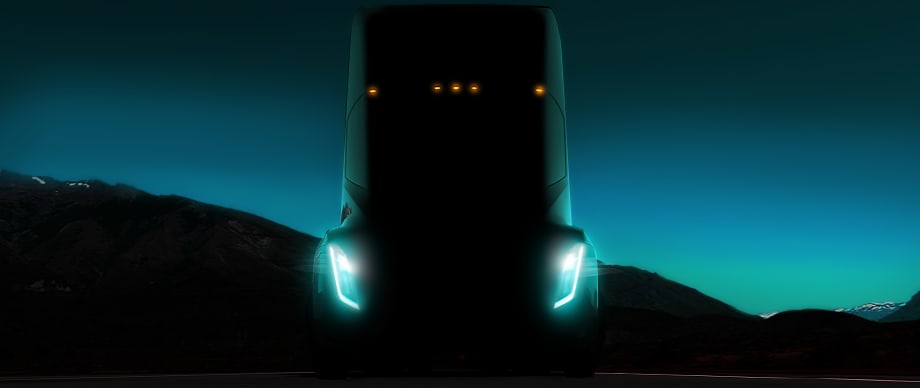
The Reuters News Agency is reporting that Tesla's electric truck will be a day cab model without a sleeper. Photo: Tesla
2 min to read

CORRECTED -- New details concerning the introduction of Tesla’s all-electric truck, slated for public unveiling are emerging. The new truck will have a working range of 200 to 300 miles, Reuters has learned, a sign that the electric car maker is targeting regional hauling for its entry into the commercial freight market. Tesla has indicated that it will unveil the truck to the public next month, but is being tight-lipped as to when, or where, that public debut will take place.
Scott Perry, chief technology and procurement officer at Ryder System, told Reuters he has met with Tesla and that the new truck will be a day cab model. “I’m not going to count them out for having a strategy for longer distances or ranges, but right out of the gate I think that’s where they’ll start,” Perry said.
The article noted that Tesla’s plan is “consistent with what battery researchers say is possible with current technology,” and said that the company has not said publicly how far its electric truck could travel, what it would cost or how much cargo it could carry.
An article earlier this summer in Wired reported that a pair of Carnegie Mellon University researchers found a battery-powered semi would be limited to a 300-mile range, and that to cover 600 miles without stopping to charge, the truck would need a 14-ton battery.
Reuters also reported earlier this month that Tesla is developing self-driving capability for the big rig.
Sandeep Kar, formerly with industry analysts Frost & Sullivan and now chief technology officer of Fleet Complete, a company that tracks and analyzes fleet and truck movements, told Reuters Tesla CEO that Elon Musk may well have found a sweet spot for the new electric if he can deliver, noting that roughly 30% of U.S. trucking jobs are regional trips of 100 to 200 miles daily. A truck with that range would be able to move freight regionally, such as from ports to nearby cities or from warehouses to retail establishments. “As long as (Musk) can break 200 miles, he can claim his truck is ’long haul’ and he will be technically right,” Kar told Reuters.
Corrected to reflect the fact that we have not been able to ascertain where and when Tesla plans to introduce this truck.
Read more about the latest advancements in electric truck technology in the September issue of Heavy Duty Trucking.
More Fleet Management
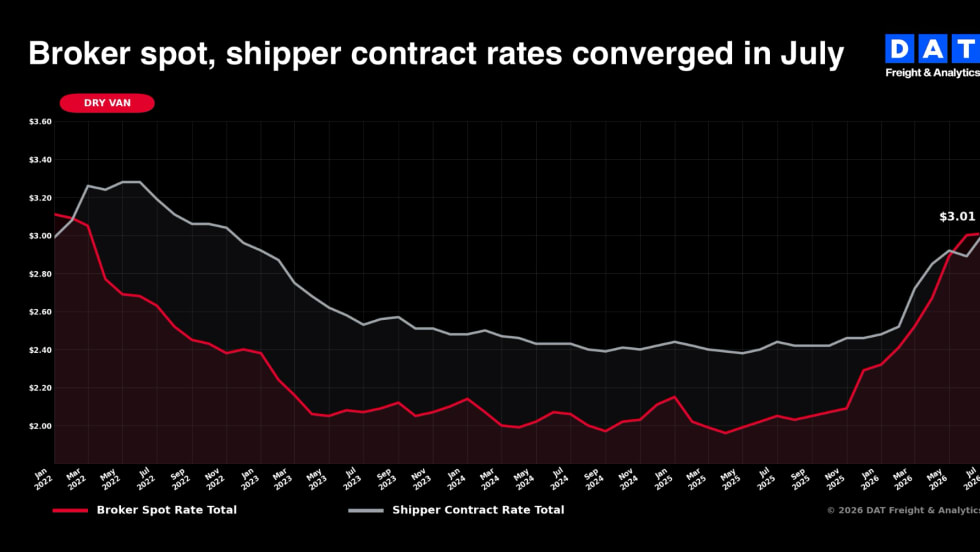
Tight Trucking Capacity Pushes Rates Higher Even as Freight Volumes Fall
“Spot rates moving ahead of contract rates have historically signaled a tightening market, but we haven’t seen a capacity-driven market quite like this one,” said DAT's Dean Croke.
Read More →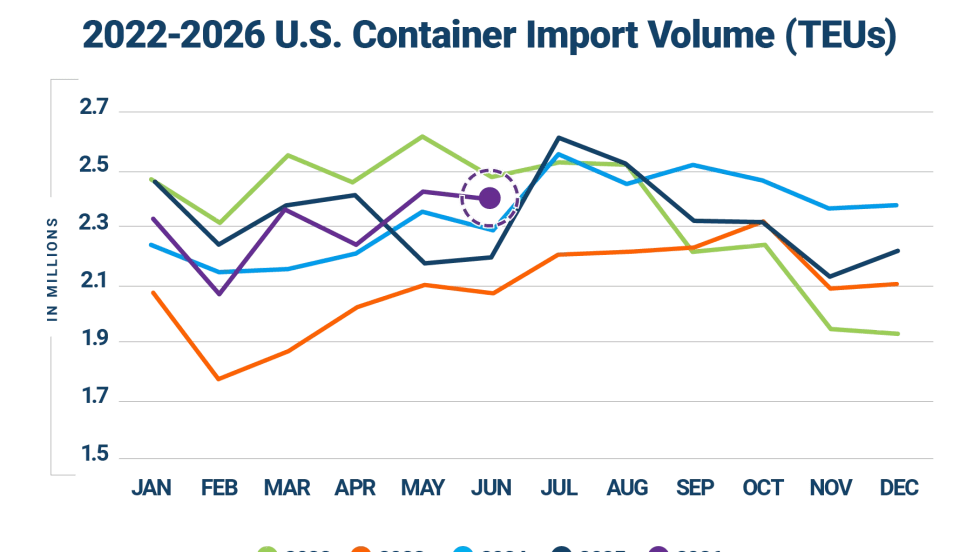
Import Cargo’s Early Peak Season is Winding Down
There was an early start to peak season this year at the nation's gateway ports, as retailers brought in merchandise ahead of tariff changes in late July and responded to other supply chain uncertainties,
Read More →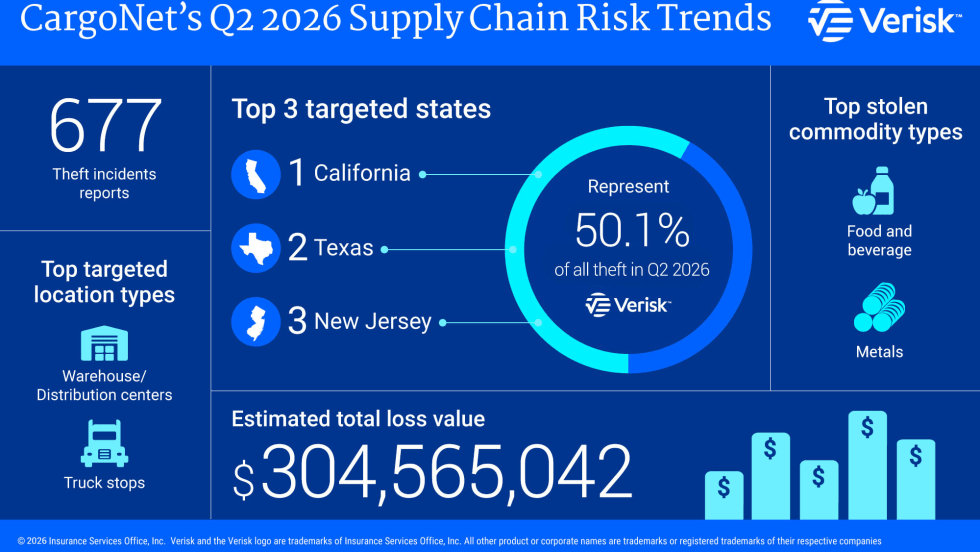
Fewer Cargo Thefts, Bigger Losses: Criminals Target Higher-Value Loads
CargoNet says organized theft rings are stealing fewer shipments but choosing more valuable freight, including metals and technology, resulting in record losses.
Read More →
How Innovative Trucking Leaders Turn Change Into an Advantage
As the pace of change accelerates in trucking, the fleets that adapt best have more than the latest technology. They have cultures that embrace improvement.
Read More →
Freight Broker Bonds Just Got Harder to Get. Here's What That Means for Your Fleet.
When it gets harder for a freight broker to prove they are financially sound, the ones who cannot clear that bar get pushed out of the market. And those are exactly the brokers who used to leave motor carriers holding the bag.
Read More →
Long-Awaited Canadian Border Bridge to Open in Detroit
For trucking, the bridge opening should offer immediate improvements in efficiency and reliability, with new customs facilities, expanded inspection capacity, and direct freeway-to-freeway connections.
Read More →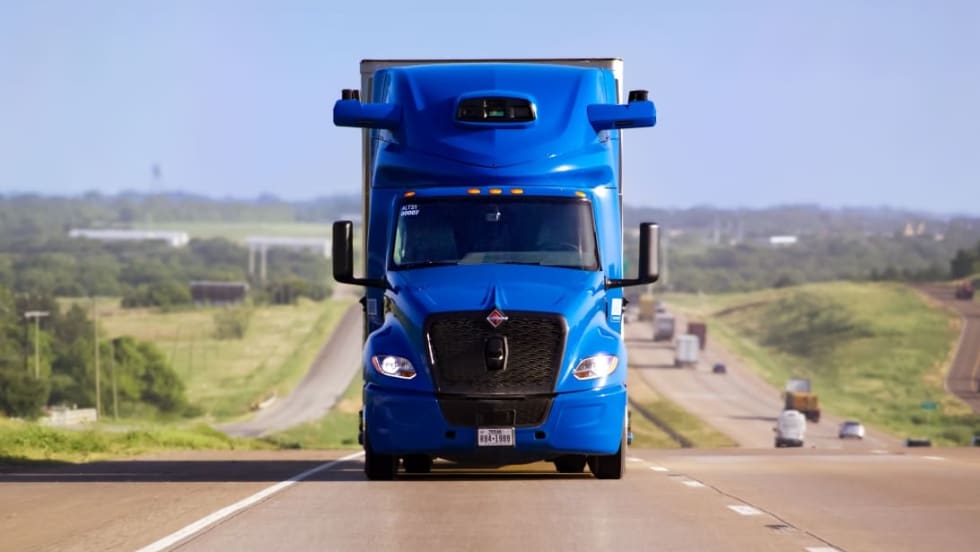
Aurora Rolls Out Next Generation of Driverless Trucks for Commercial Freight
Aurora's latest autonomous trucks it's rolling out with International feature lower-cost hardware designed for a million miles as the company expands commercial driverless freight operations across the U.S. Sun Belt.
Read More →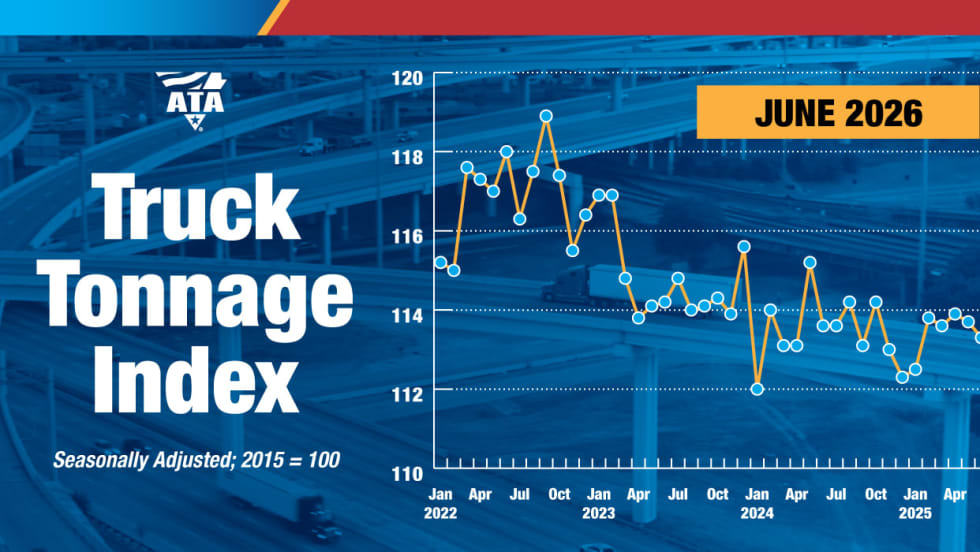
Freight Tonnage Down, Rates up, as Lower Capacity Powers Trucking Recovery
The recovery from the freight recession continues to be driven by reduction in capacity rather than by increased demand.
Read More →
Think Your Trucking Fleet Isn't Using Much AI? Think Again
Shadow AI — the use of unauthorized artificial intelligence tools at work — is becoming increasingly common, putting sensitive company data at risk. Learn how trucking fleets can protect sensitive data while embracing AI.
Read More →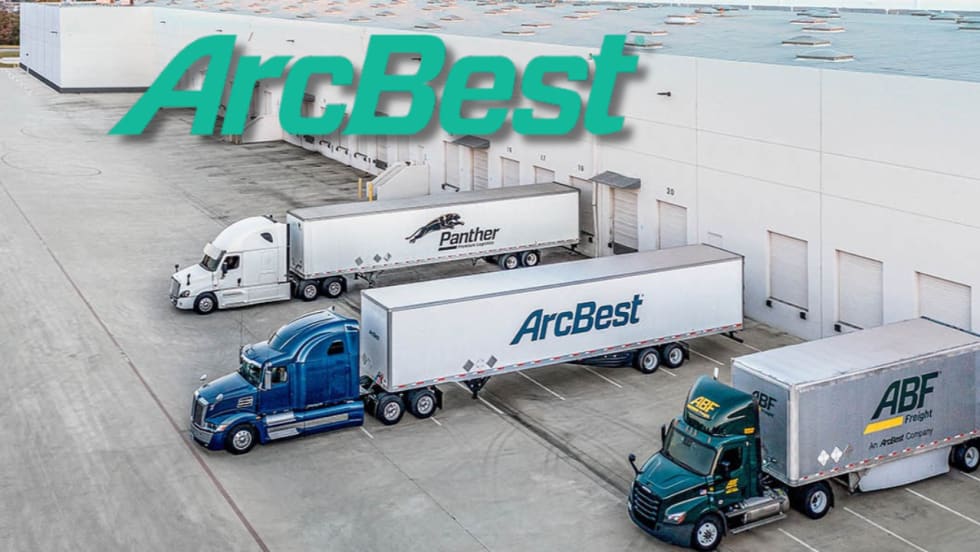
ArcBest Consolidates Brands, Cuts Workforce
The company will bring three business units under the ArcBest brand, eliminate about 2% of positions, and expects the changes to generate $40 million in annual savings.
Read More →