




J.D. Power Reports More Problems, Less Satisfaction with EPA-Emission Engines
Technology changes related to EPA's 2010 emissions standards for heavy-duty trucks are causing an increase in engine problems and a decrease in overall satisfaction with the powertrain, according to the J.D. Power and Associates' 2012 U.S. Heavy-Duty Truck Engine and Transmission Study
Technology changes related to EPA's 2010 emissions standards for heavy-duty trucks are causing an increase in engine problems and a decrease in overall satisfaction with the powertrain, according to the J.D. Power and Associates' 2012 U.S. Heavy-Duty Truck Engine and Transmission Study.
Now in its 16th year, the study measures satisfaction with engines and transmissions among primary maintainers of heavy-duty (Class 8) trucks that are one model-year old. Satisfaction is measured based on eight key factors:
- engine reliability and dependability
- engine warranty
- acceleration when fully loaded
- electronic control module
- accessibility to components for service or maintenance
- vibration at idle
- maintaining speeds on grades
- average fuel economy.
The study finds that 46% of owners of heavy-duty trucks that are one model-year old report experiencing some type of engine-related problem, up from 42% in 2011. The most commonly reported engine problems are issues with the electronic control module calibration (cited by 23% of owners who experienced an engine problem), exhaust gas recirculation valve (20%), and electronic engine sensors (16%).
In addition, the average number of engine- and fuel-related problems has increased to 81 problems per 100 vehicles (PP100) from 71 in 2011. The rise in problems has affected overall engine satisfaction, which dropped to 719 index points on a 1,000-point scale in 2012, compared with 739 in 2011.
"At the industry level, the new, more complex engines designed to meet EPA regulations are resulting in additional problems and downtime, which also has a financial impact on owners because they're not making money when their truck is down for service," said Brent Gruber, director of the commercial vehicle practice at J.D. Power.
However, Gruber adds that once manufacturers resolve quality issues related to the new technology, customers may expect to see some added benefits from the new engines. In the on-highway segment, the average reported engine service interval has increased to 22,703 miles in 2012, up from 20,303 in 2011. Additionally, maintainers of heavy-duty on-highway trucks report a 4% increase in fuel efficiency this year, averaging 6.3 mpg in 2012, compared with 6.0 mpg in 2011.
"The new engines are proving to be more fuel efficient and allowing greater up-time between service, so despite initial quality issues, the new technology may offer a greater return on investment in the long run," said Gruber.
Detroit engines ranked highest in customer satisfaction with a score of 753 (a 20-point improvement from 2011) and performed particularly well in the engine reliability and dependability factor. Cummins ranked second at 729 and Caterpillar third at 721.
Overall satisfaction with heavy-duty truck transmissions averaged 812 in 2012, down eight points from 2011.
The decline is largely attributed to lower satisfaction with the reliability and dependability of the transmission and drivetrain. This decline in satisfaction comes despite transmission-related quality actually improving to 7 PP100 in 2012, down from 10 PP100 in 2011.
The 2012 U.S. Heavy-Duty Truck Engine and Transmission Study is based on the responses of 1,725 primary maintainers of Class 8 heavy-duty trucks that are one model-year-old. The study was fielded between February and May 2012.
More Aftermarket

What Three Fleets Are Doing Differently When Buying Truck Parts in 2026
With freight improving but costs still climbing, fleet maintenance executives explain how they're balancing price, quality, and supplier relationships.
Read More →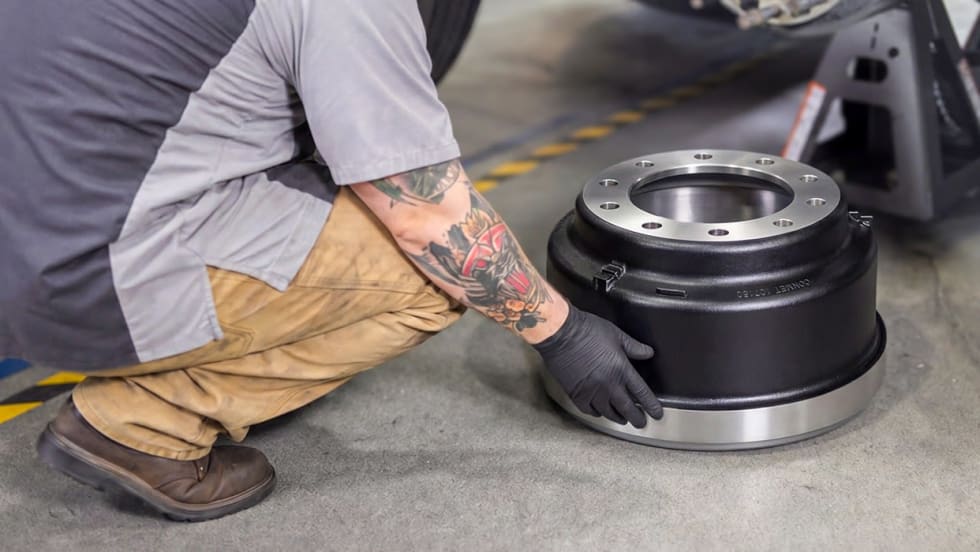
ConMet Expands Aftermarket Brake Drum Lineup With TruCast
A new heavy-duty truck brake drum option in the aftermarket gives customers more flexibility within the ConMet product family.
Read More →
Phillips Opens High-Tech Distribution Center for Faster Parts Delivery
Phillips Industries’ new Cincinnati-area distribution center is now shipping aftermarket trucking parts nationwide, aiming to speed up delivery times for customers.
Read More →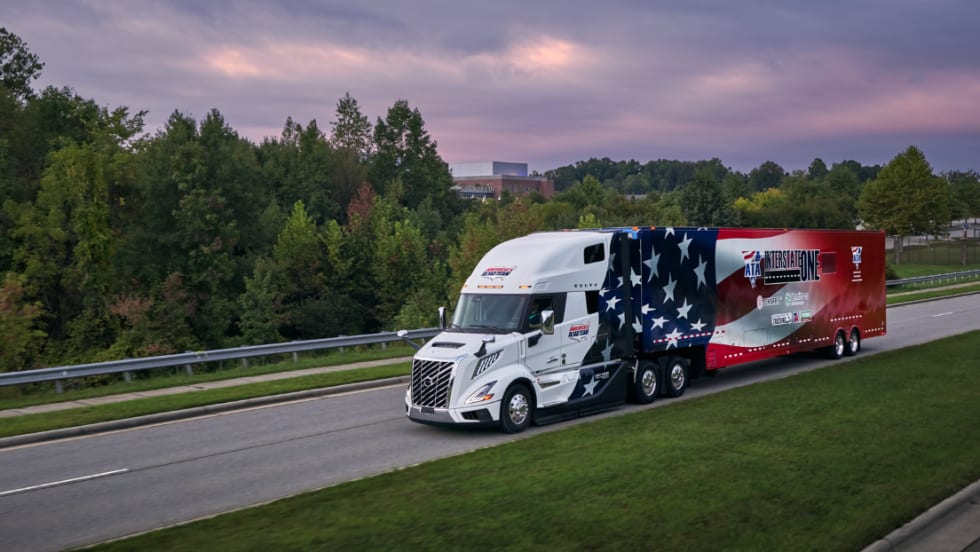
Volvo to Sponsor America’s Road Team for 2025
Volvo Trucks announced that it is extending its exclusive sponsorship of America’s Road Team for 2025.
Read More →
Webb to Start Taking Orders for UltraSet Pre-Adjusted Wheel Hubs
Webb, which recently acquired the Stemco Trifecta pre-adjusted hub program, will soon start taking orders for its replacement pre-assembled hub, the UltraSet.
Read More →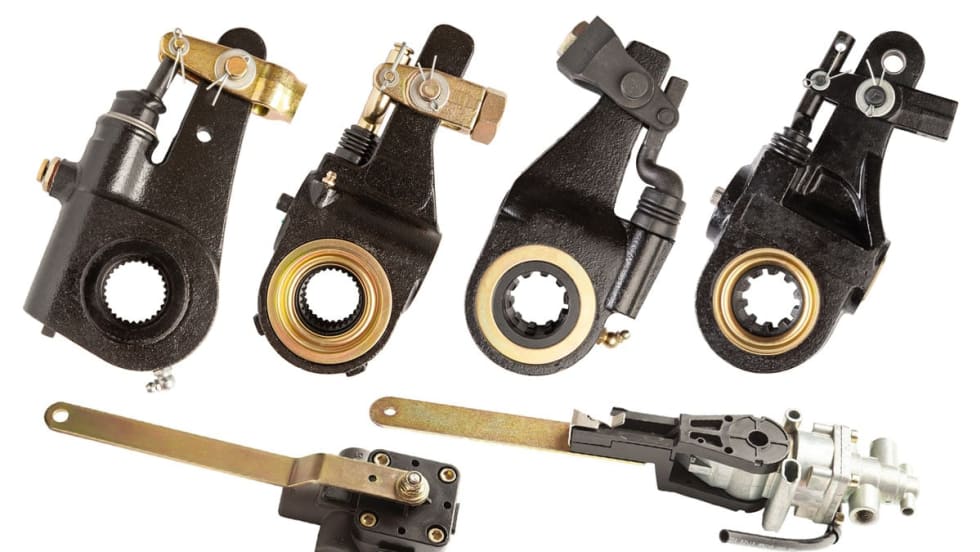
All-Makes Automatic Brake Adjusters, Ride Height Control Valves from Midland
SAF-Holland has added automatic brake adjusters and ride height control valves to its Midland All-Makes Program.
Read More →
ZF Aftermarket Expands [pro]Academy Training
ZF Aftermarket said it is expanding its ZF [pro]Academy training and will be adding 40 new modules this year.
Read More →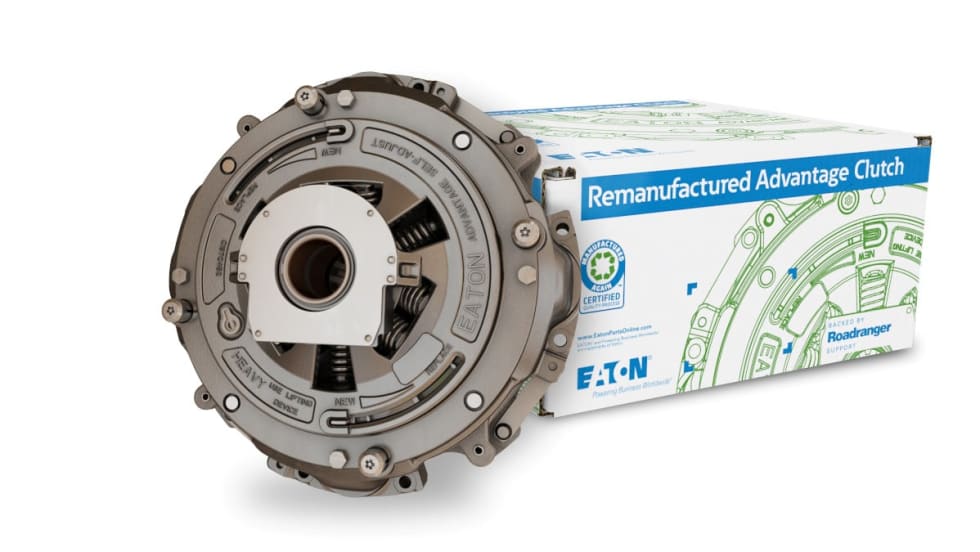
Eaton Adds Remanufactured Advantage Line of Clutches
Eaton has added its Advantage clutches to its remanufactured product line. The clutches feature a unique strap drive intermediate plate designed to allow customers to choose the latest OE specification
Read More →
ConMet Acquires TruckLabs, the Creator of TruckWings
Commercial truck and trailer parts provider ConMet acquired TruckLabs, the company that created TruckWings, an aerodynamic device that attaches to truck cabs and deploys to close the gap between truck and trailer. TruckLabs now operates as a subsidiary of ConMet.
Read More →
Diesel Laptops Releases Fault-Code-to-Part-Number Tool
Diesel Laptops said its Truck Fault Codes allows users to input a fault code and immediately identify and order the parts needed to complete repair work.
Read More →