




J.B. Hunt Second Quarter Profit Increases, Cuts Some Expectations
J.B. Hunt Transport Services announced Tuesday second quarter 2014 net earnings of $93.4 million, or diluted earnings per share of 79 cents, compared to second quarter 2013 net earnings of $87.7 million, or 73 cents per diluted share, a 6.5% increase.
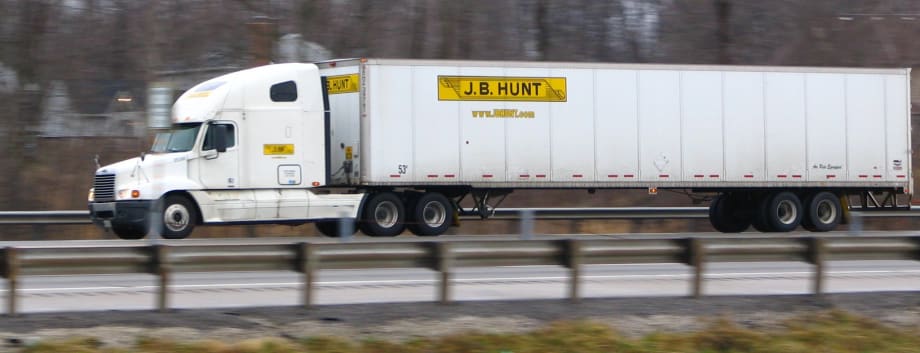
Photo by Dang Apricot via Wikimedai Commons

J.B. Hunt Transport Services announced Tuesday second quarter 2014 net earnings of $93.4 million, or diluted earnings per share of 79 cents, compared to second quarter 2013 net earnings of $87.7 million, or 73 cents per diluted share, a 6.5% increase.
Total operating revenue for the current quarter was $1.55 billion, compared with $1.38 billion for the second quarter 2013.
Load growth of 8% in the company’s intermodal and a 15% increase in its logistics businesses, helped drive 9% and 31% increases in segment revenue, respectively, according to the company.
Dedicated segment revenue increased by 15% as productivity improved on large private fleet conversions implemented a year ago.
Truck segment revenue was flat with prior year, with an 8% smaller fleet.
Current quarter total operating revenue, excluding fuel surcharges, increased 13% vs. the comparable quarter 2013.
Operating income for the current quarter totaled $159 million versus $147 million for the second quarter 2013. The company said the increase in operating income -- derived from load growth, customer rate increases and freight mix changes -- was partially offset by lower box turns from slower train velocities, higher driver recruiting and retention costs, higher purchased transportation costs, higher safety and insurance costs and increases in equipment and tire costs compared to second quarter 2013.
“The slowdown in train velocity and the difficult driver recruiting environment has challenged our growth in J.B. Hunt Intermodal. We are pleased we were able to maintain profitability levels despite these obstacles,” said John N. Roberts III, President and CEO. “The worsening driver supply conditions will continue to be a headwind for dedicated contract services and J.B. Hunt Trucking as well. The planned improvement in JBT is ahead of schedule and though there is more to do, we are extremely pleased with the progress thus far.”
The company revised its expectations, cutting its annual operating income to an increase of 8% to 11%, down from a projected gain of 11% to 15%. It affirmed its previous 2014 outlook for 10% to 12% revenue growth compared with 2013.
More details are on the J.B. Hunt website.
More Fleet Management
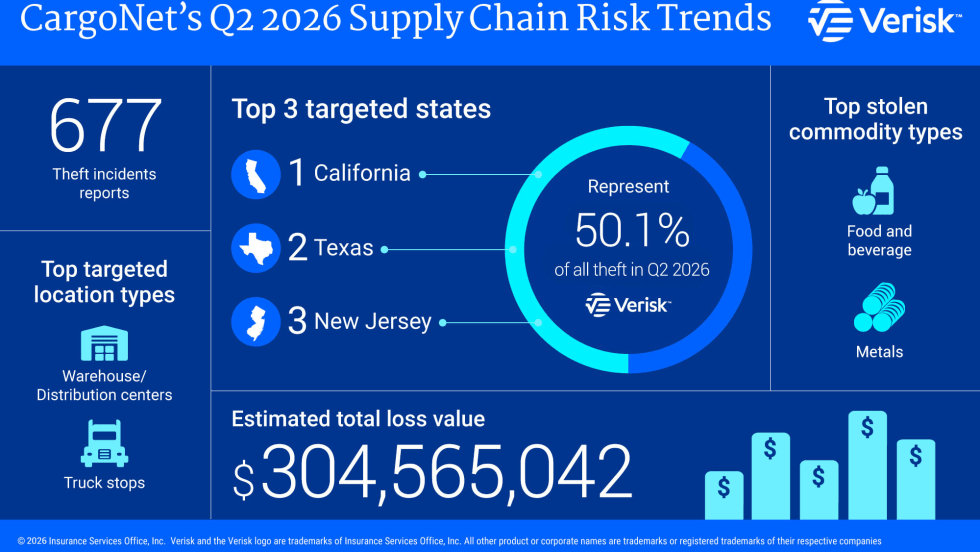
Fewer Cargo Thefts, Bigger Losses: Criminals Target Higher-Value Loads
CargoNet says organized theft rings are stealing fewer shipments but choosing more valuable freight, including metals and technology, resulting in record losses.
Read More →
How Innovative Trucking Leaders Turn Change Into an Advantage
As the pace of change accelerates in trucking, the fleets that adapt best have more than the latest technology. They have cultures that embrace improvement.
Read More →
Freight Broker Bonds Just Got Harder to Get. Here's What That Means for Your Fleet.
When it gets harder for a freight broker to prove they are financially sound, the ones who cannot clear that bar get pushed out of the market. And those are exactly the brokers who used to leave motor carriers holding the bag.
Read More →
Long-Awaited Canadian Border Bridge to Open in Detroit
For trucking, the bridge opening should offer immediate improvements in efficiency and reliability, with new customs facilities, expanded inspection capacity, and direct freeway-to-freeway connections.
Read More →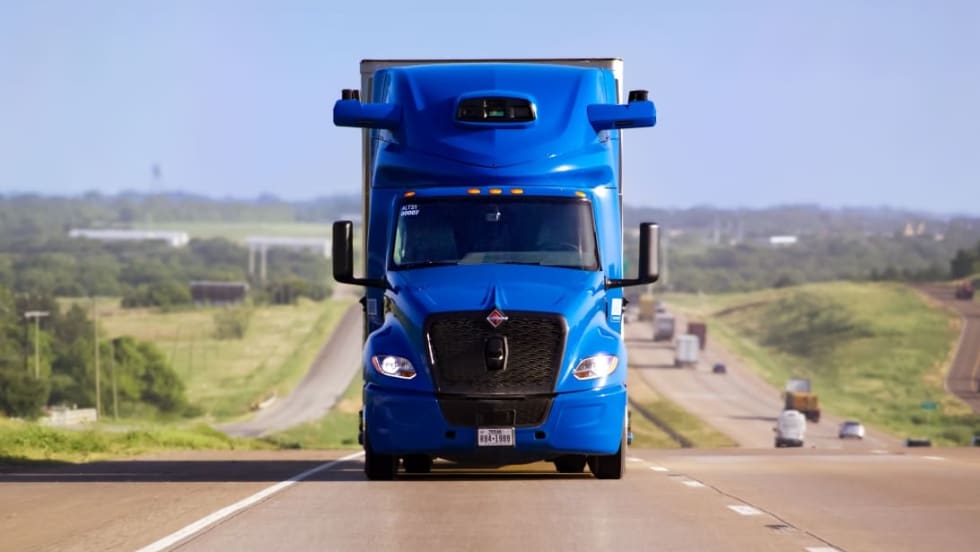
Aurora Rolls Out Next Generation of Driverless Trucks for Commercial Freight
Aurora's latest autonomous trucks it's rolling out with International feature lower-cost hardware designed for a million miles as the company expands commercial driverless freight operations across the U.S. Sun Belt.
Read More →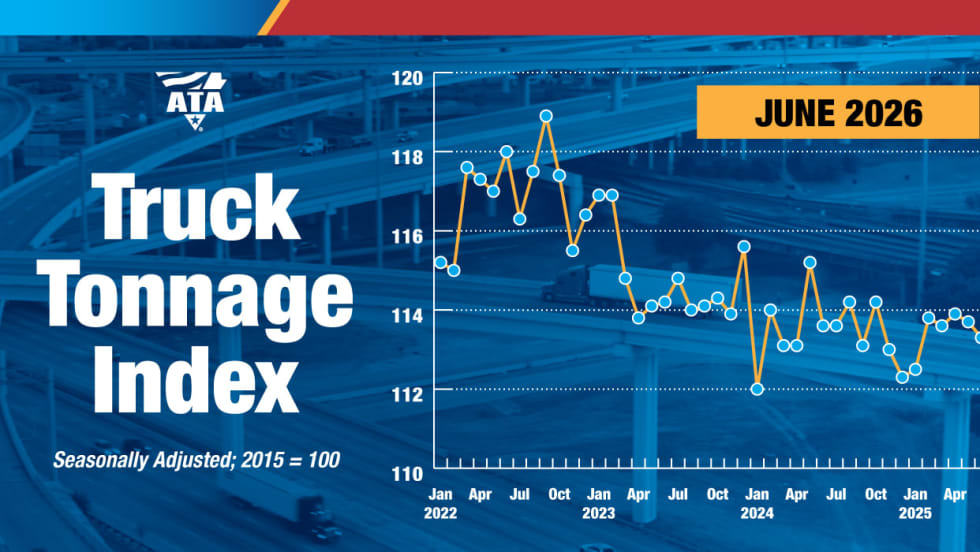
Freight Tonnage Down, Rates up, as Lower Capacity Powers Trucking Recovery
The recovery from the freight recession continues to be driven by reduction in capacity rather than by increased demand.
Read More →
Think Your Trucking Fleet Isn't Using Much AI? Think Again
Shadow AI — the use of unauthorized artificial intelligence tools at work — is becoming increasingly common, putting sensitive company data at risk. Learn how trucking fleets can protect sensitive data while embracing AI.
Read More →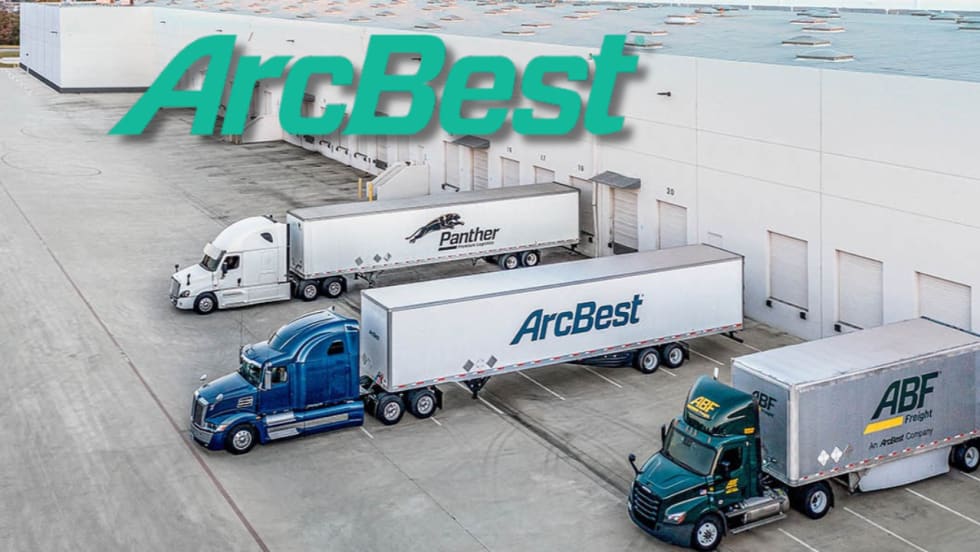
ArcBest Consolidates Brands, Cuts Workforce
The company will bring three business units under the ArcBest brand, eliminate about 2% of positions, and expects the changes to generate $40 million in annual savings.
Read More →
Trucking Fleets Faced Record Operating Costs During Third Year of Freight Recession
ATRI's annual operational cost report shows carriers trimmed fleets, delayed equipment purchases, and ran older trucks as expenses continued to outpace freight rates.
Read More →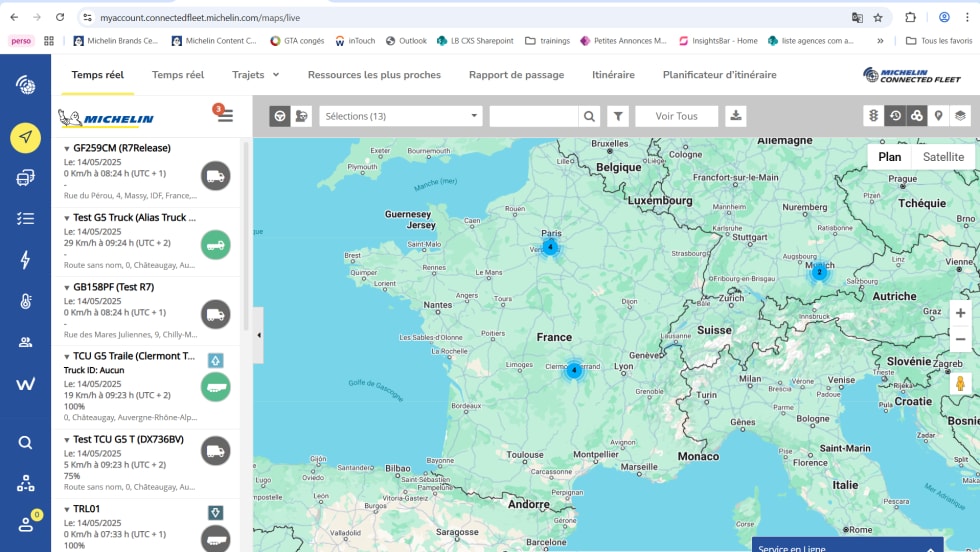
Michelin Adds AI Assistant to MyConnectedFleet Platform
Michelin’s new generative AI tool delivers instant fleet insights, helping managers analyze fuel use, tire maintenance, vehicle status, and operational performance without manually creating reports.
Read More →