




J.B. Hunt Reports Nearly $92 Million Profit
J.B. Hunt Transport Services Inc. announced on Tuesday first quarter 2015 net earnings of $91.9 million, or diluted earnings of 78 cents per share, compared to first quarter 2014 net earnings of $68.7 million, or diluted earnings of 58 cents per share.

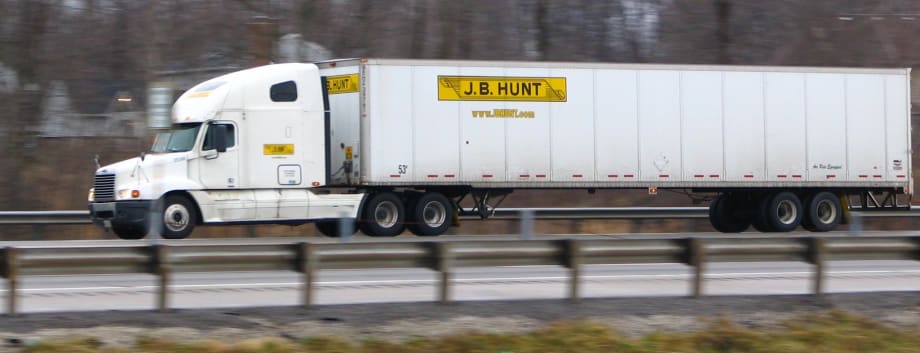
Photo: DangApricot via WIkimedia Commons
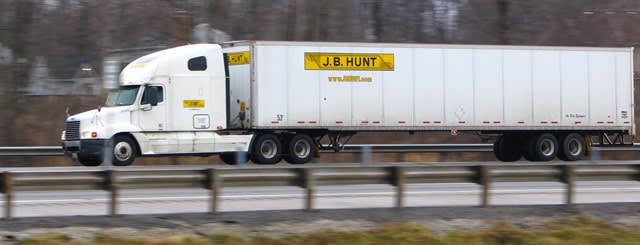
Photo: DangApricot via WIkimedia Commons
J.B. Hunt Transport Services Inc. announced on Tuesday first quarter 2015 net earnings of $91.9 million, compared to first quarter 2014 net earnings of $68.7 million.
That's diluted earnings of 78 cents per share, compared to 58 cents per share a year ago.
The Arkansas-based freight transportation provider reported total operating revenue for the quarter of $1.44 billion, compared with $1.41 billion a year earlier. Total operating revenue, excluding fuel surcharges, increased 10%.
“Benefits from customer rate increases, improved asset utilization, lower equipment maintenance costs, improved equipment fuel economy and more effective use of third-party carriers more than offset increases in rail purchase transportation rates, driver wage increases, higher equipment depreciation, increased insurance rates, higher equipment storage costs and higher toll expenses across all business segments,” the company said in a statement.
J.B. Hunt’s trucking division saw first quarter revenue decline 1% to $91 million while operating income jumped 248% to $8.5 million.
Increased truck count, better asset utilization, improved freight lane networks and core customer rate increases of approximately 9% contributed to the improved revenue, excluding fuel surcharge, according to the company. At the end of the current quarter the company operated 2,020 tractors, compared to 1,917 in 2014.
The company’s intermodal segment saw first quarter revenue increase 1% to $844 million while operating income improved 13% to $104.3 million.
Intermodal load volumes grew 6% over the same period 2014. The revenue growth reflects the volume growth and a 5% decrease in revenue per load, which is the combination of customer rate increases, lower fuel surcharges and freight mix, according to the company. Revenue per load, excluding fuel surcharge revenue, increased 3% year-over-year.
The quarter ended with approximately 74,200 units of trailing capacity and 4,900 power units available to the drayage fleet.
J.B. Hunt’s dedicated business saw revenue increase 7% to $345 million while operating income surged 130% to $35.8 million. Its third-party logistics operation revenue was unchanged at $163 million while operating income increased 8% to $6.6 million.
More Fleet Management

What the U.S.-Canada Trade War Means for Trucking
Escalating U.S.-Canada tariffs could disrupt cross-border freight, reduce truck volumes, raise costs, and create new uncertainty for carriers on both sides of the border.
Read More →
What Are Trucking’s Top Concerns for 2026?
The American Transportation Research Institute wants to know what's worrying trucking fleet managers, drivers, and other stakeholders in its annual Industry Issues survey.
Read More →
American Trucking Associations Looks for a New Leader
ATA President and CEO Chris Spear abruptly left his job at the association on August 21, at a pivotal time for the trucking industry.
Read More →
Public Wi-Fi Cybersecurity Risks: How Truck Drivers and Fleets Can Protect Their Data
Public Wi-Fi can expose truck drivers and fleets to credential theft, malware, and other cyber threats. Here’s how to reduce the risk on the road.
Read More →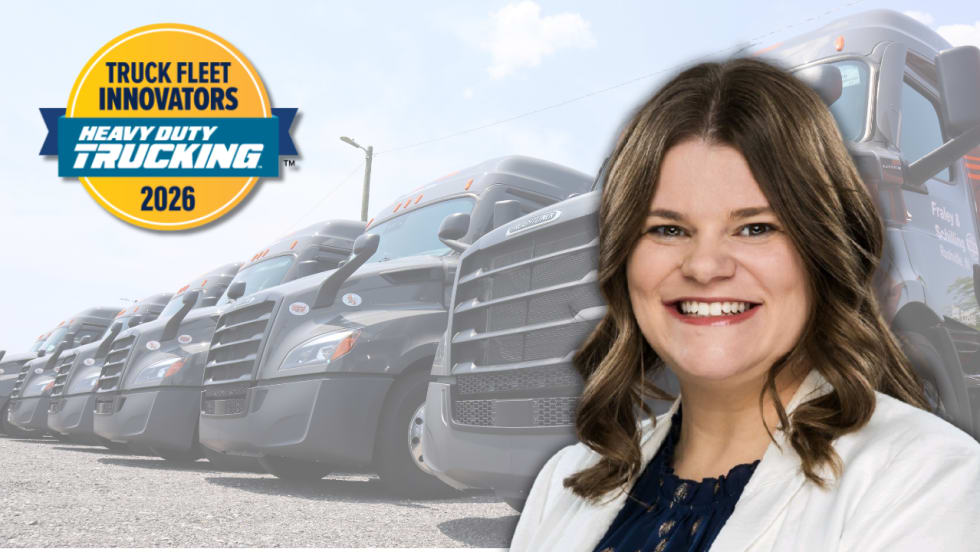
For Nicky Cupp, Fleet Innovation Starts With Frustration
HDT Truck Fleet Innovator Nicky Cupp turns everyday pain points at Fraley & Schilling into opportunities for better technology and smarter processes.
Read More →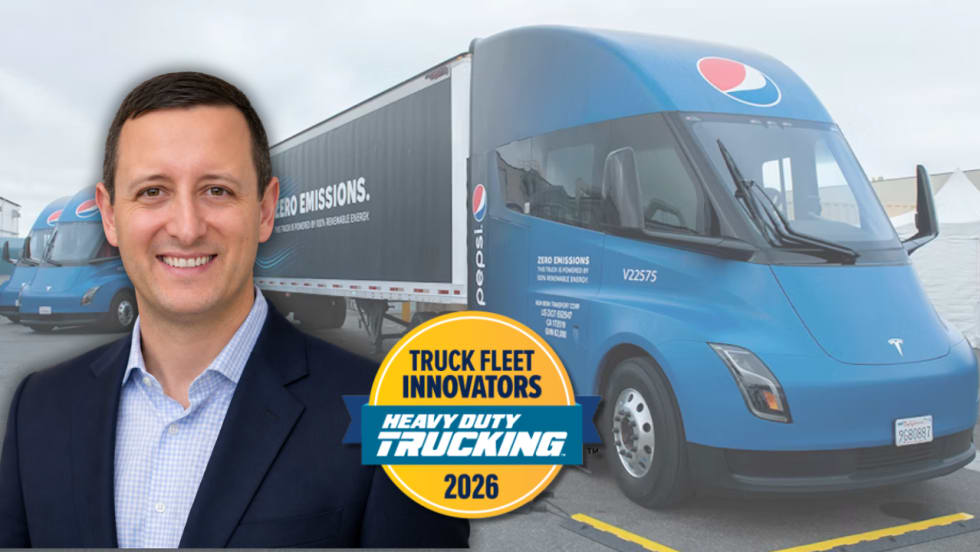
Adam Buttgenbach’s Approach to Electric Trucks: Start With Where They Fit
HDT Truck Fleet Innovator Adam Buttgenbach helped PepsiCo build one of North America’s largest EV fleets by focusing on where electric trucks make operational sense.
Read More →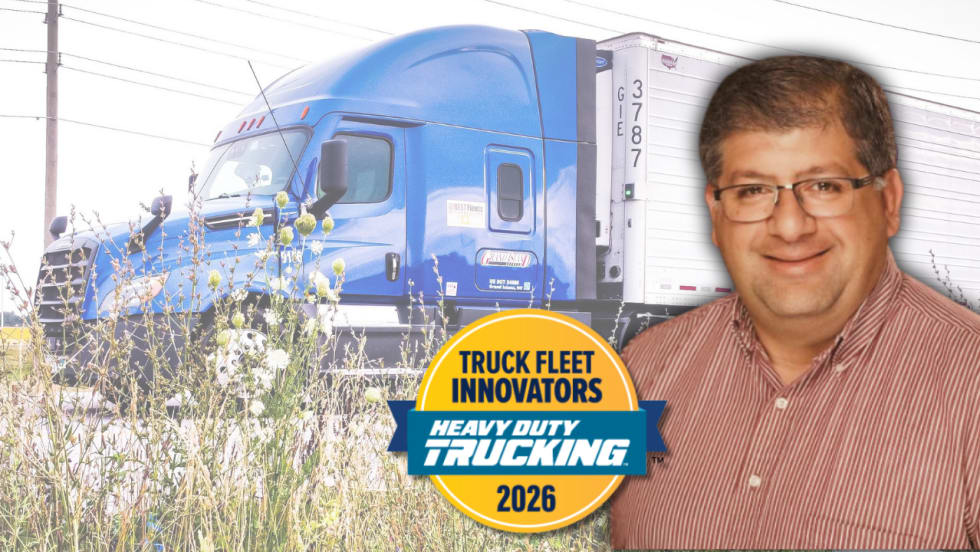
Deen Albert: Let Automation Do the Math, People Make the Decisions
HDT Truck Fleet Innovator Deen Albert makes sure people are still at the heart of operations at Grand Island Express, even while adopting artificial intelligence tools. AI-assisted dispatch helped boost revenue 25% with the same number of trucks.
Read More →
Trimble’s New AI Agent Takes Aim at Fleet Back-Office Busywork
Arc Agent works across Trimble TMS products to automate repetitive tasks such as freight orders, maintenance, invoices, fuel costs and more.
Read More →
How HDT’s 2026 Truck Fleet Innovators Are Rethinking Fleet Operations
Meet five trucking leaders who are challenging assumptions, solving operational problems, and putting innovative ideas to work.
Read More →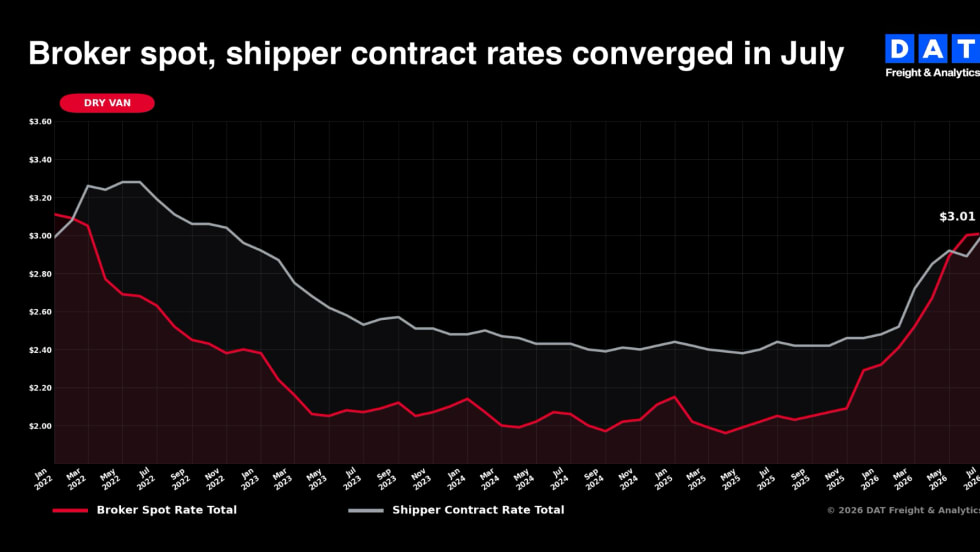
Tight Trucking Capacity Pushes Rates Higher Even as Freight Volumes Fall
“Spot rates moving ahead of contract rates have historically signaled a tightening market, but we haven’t seen a capacity-driven market quite like this one,” said DAT's Dean Croke.
Read More →