




Related: Isuzu FTR Test Drive Addresses 4-Cylinder Engine Questions
Isuzu FTR Scores Strongly in Independent Testing
The new four-cylinder Isuzu FTR truck achieved a strong all-around showing in independent testing, according to results announced by Isuzu commercial Truck of America.
by Staff
January 2, 2018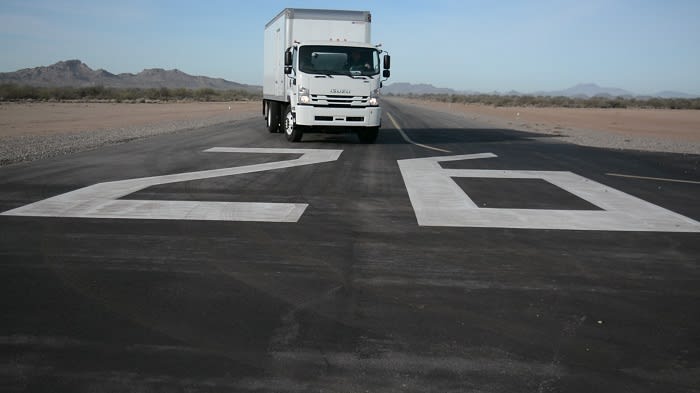
Photo: Isuzu Commercial Truck of America
2 min to read

The new four-cylinder Isuzu FTR truck achieved a competitive all-around showing in independent testing, according to results announced by Isuzu Commercial Truck of America.
The program tested the acceleration, braking, turning radius, hill climbing, and fuel economy of the FTR. Tests were conducted by Pro Formance Group in Chandler, Ariz., and the results were certified by the Sports Car Club of America.
“We’re thrilled with the results of these tests, which were conducted independently, verified and certified,” said Shaun Skinner, president of Isuzu Commercial Truck of America.
One of the Isuzu FTR’s strengths was in fuel economy for both mountain routes and in stop-and-go city driving. The acceleration tests, which looked at 0-20, 0-30, 0-40, 0-50, 0-60, and 30-50 miles per hour acceleration, showed how well the 5.2 liter turbocharged four-cylinder engine managed across the board. The engine produces 215 horsepower and 520 lbs.-ft. of torque.
In braking, the FTR averaged a 55-0 mile per hour stopping distance of 180 feet and a 30-0 mile per hour stopping distance of 53 feet.
The hill-climb tests measured time and speed to altitude. From 3,520 to 4,500 feet, the FTR averaged a time of 05:15.97 minutes at a maximum speed of 34.6 miles per hour, and averaged 02:23.69 minutes at a maximum speed of 35.1 miles per hour from 2,180 to 2,600 feet. In maneuverability testing, the FTR had a measured curb-to-curb turning diameter of 49.0833 feet.
The testing methods were designed by PFG to emphasize consistency and repeatability of results. In addition to SCCA — which sanctioned, observed and validated all testing procedures — PFG engaged Trivinci Systems of Ashburn, Va., to provide all instrumentation and an engineer to capture, record, and analyze all data during testing.
More Fuel Smarts

Jennie Abarca Is Proving Electric Trucks Can Do the Job
HDT Truck Fleet Innovator Jennie Abarca is building confidence in fleet electrification one load at a time while openly sharing the challenges she encounters along the way as a small-fleet owner.
Read More →
Cummins Adjusts 2027 Engine Rollout After EPA Proposal
The engine maker will gradually introduce its new Model Year 2027 diesel engines while continuing to offer current models during the transition, citing the EPA's proposed emissions rule changes.
Read More →
EPA Proposal Could Ease 2027 Truck Costs and Buying Uncertainty
The proposal doesn't change the tougher NOx standard, but it would revise key implementation requirements that manufacturers say have driven up costs and complicated fleet purchasing decisions.
Read More →
Cummins, Paccar Ease DEF Derates After EPA Guidance
Updated diesel engine software gives truck operators more time to address emissions-system issues while staying compliant with EPA emissions standards.
Read More →
Maintenance in the Messy Middle Part 3: Biodiesel
Biodiesel can reduce emissions, improve fuel-system lubricity and use existing diesel infrastructure. But NACFE’s Messy Middle maintenance report says fleets must actively manage storage, cold-weather operation, filters and oil drain intervals to avoid problems.
Read More →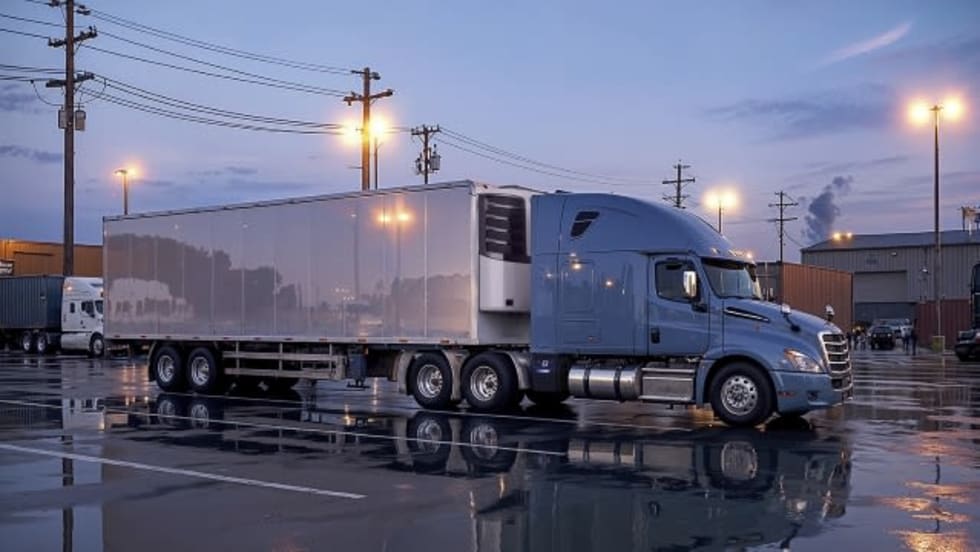
Enhance Fleet Performance with High-Efficiency Auxiliary Power Units
Drive sustainable cost savings while increasing driver comfort during short- and long-haul logistics operations.
Read More →
Maintenance in the ‘Messy Middle’ Part 2: Renewable Diesel Fuel
NACFE's latest Messy Middle Powertrain Service & Maintenance report says renewable diesel gives fleets an opportunity to reduce carbon emissions without changing trucks, fueling infrastructure or maintenance practices. But technicians still need to understand several important operational differences.
Read More →
The Diesel Engine Enters NACFE’s ‘Messy Middle’
NACFE’s new Messy Middle Powertrain Service & Maintenance report says keeping modern diesel engines running now depends as much on software, diagnostics and data as traditional mechanical service.
Read More →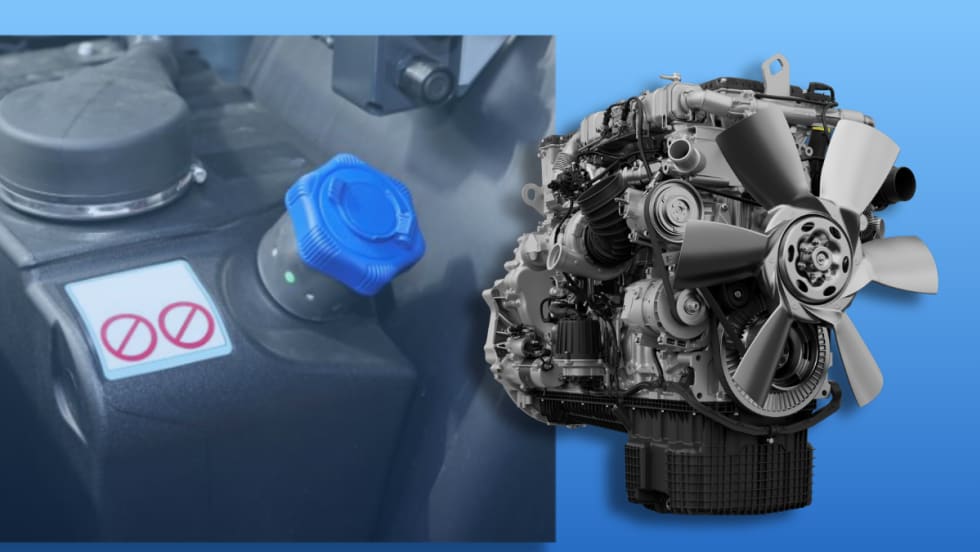
DTNA Software Update Gives Truckers More Time Before DEF Derates Take Effect
The changes reflect EPA guidance aimed at reducing downtime caused by emissions-system faults while maintaining compliance requirements.
Read More →
New Agentic Predictive Maintenance Report Demonstrates How Degraded Aftertreatment Systems Waste Fuel
Questar analyzed a large mixed-class fleet and discovered it was wasting as much as $30 in fuel per vehicle, per day, because of mechanically degraded aftertreatment systems.
Read More →